
Summary
Editor's rating
Value: is it worth the money compared to growlers or a full kegerator?
Design: compact, but check your fridge height
Materials and build: mostly solid stainless, with a couple of quirks
Durability and long‑term feel
Performance: carbonation, pouring, and actual day‑to‑day use
What you actually get in the box
Pros
- Keeps beer carbonated and fresh for days or weeks, unlike standard glass growlers
- Sturdy 304 stainless steel construction that’s easy to clean and feels durable
- Compact draft system that fits in a regular fridge and uses simple 16g CO2 cartridges
Cons
- Requires threaded 16g CO2 cartridges, which can be pricey and not always easy to find locally
- Full assembled height can be too tall for some fridge shelves and layouts

Specifications
View full product page →| Brand | Nutrichef |
A small keg for people who are tired of flat growlers
I picked up the NutriChef Pressurized Growler Tap System (128oz model PKBRTP100.5) because I was getting tired of regular glass growlers turning my beer flat after one evening. I don’t have space or budget for a full kegerator, so this looked like a decent middle ground: stainless mini keg, CO2 on top, fits in a normal fridge, and supposedly keeps beer fresh for weeks. I’ve run a few fills through it now: brewery fills, some homebrew, and a quick test with store‑bought beer I decanted into it.
In practice, this thing is basically a metal growler with a tap and a CO2 regulator bolted on. You fill the 128oz tank, screw on the tap tower, add a 16g CO2 cartridge, set the pressure, and pour from the little faucet. Nothing fancy, but it’s the same basic idea as a small kegerator. I mostly used it over weekends and for a small backyard get‑together where dragging out a full‑size keg would have been overkill.
Right away, the main difference compared to regular growlers is the carbonation. With this setup, the last glass you pour a week later tastes pretty much like the first one. No sad, flat beer on day two. That’s honestly the main reason to buy it, and on that specific point, it does what it says. You still have to learn how to dial in the pressure so you don’t get all foam, but once you find the sweet spot it pours like a small draft line.
It’s not perfect though. The threaded CO2 cartridges are a bit annoying to source locally, and the whole assembly is taller than it looks in the pictures, so you really need enough vertical space in your fridge. Also, the advertised 128oz capacity is technically correct, but don’t expect to dump two full, overfilled 64oz growlers into it without leaving any headspace. Overall, it’s a pretty solid solution if you like draft beer at home but don’t want a big kegerator, as long as you accept a couple of small compromises.
Value: is it worth the money compared to growlers or a full kegerator?
On the price side, the NutriChef PKBRTP100.5 sits in a middle zone. It’s more expensive than just buying a couple of glass growlers, but way cheaper than a full kegerator setup with a big keg, CO2 tank, and dedicated fridge. So the question is really: do you drink enough draft beer at home, and do you hate flat growlers enough, to justify this middle option? For me, the answer is yes, but with some conditions.
The main value you get is keeping beer fresh and carbonated over time. If you’re the type who buys a 64oz growler and struggles to finish it in one night, this mini keg actually saves beer. You’re less likely to pour out flat leftovers, which in the long run is money not wasted. For homebrewers, it’s also a cheaper and smaller way to get into kegging without committing to big corny kegs and a full CO2 setup. You can carbonate small batches and serve on tap without reworking your entire fridge.
There are some extra costs though. The threaded 16g CO2 cartridges are not free, and depending on where you live, they might not be in every supermarket. Buying a pack online is usually the way to go. In my case, one cartridge comfortably pushed a full 128oz fill, sometimes a bit more, so the cost per batch is not huge, but it’s still an ongoing expense you don’t have with a basic growler. Also, the fact that the neoprene koozie situation is hit‑or‑miss is a bit annoying, because it would help with insulation and protect the keg body.
Overall, I’d call the value “pretty solid” if you’re actually going to use it regularly. If this ends up being a novelty you pull out twice a year, then it’s just an expensive toy. But if you grab fresh beer from breweries often, do some homebrew, or like bringing draft beer to camping trips or small parties, it earns its place. It’s not the cheapest way to drink beer, but for what it offers—portable draft, decent build, and fresh carbonation—it makes sense for the right kind of user.
Design: compact, but check your fridge height
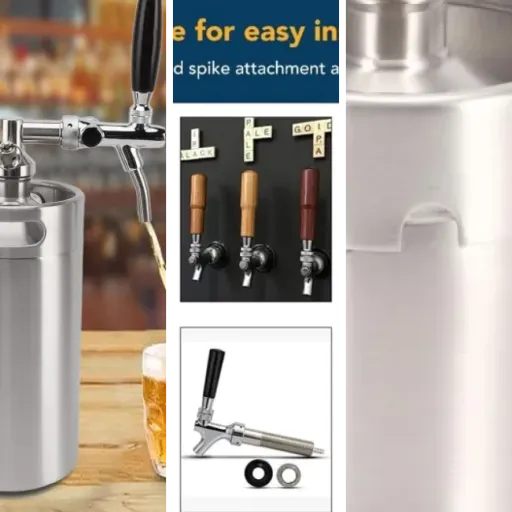
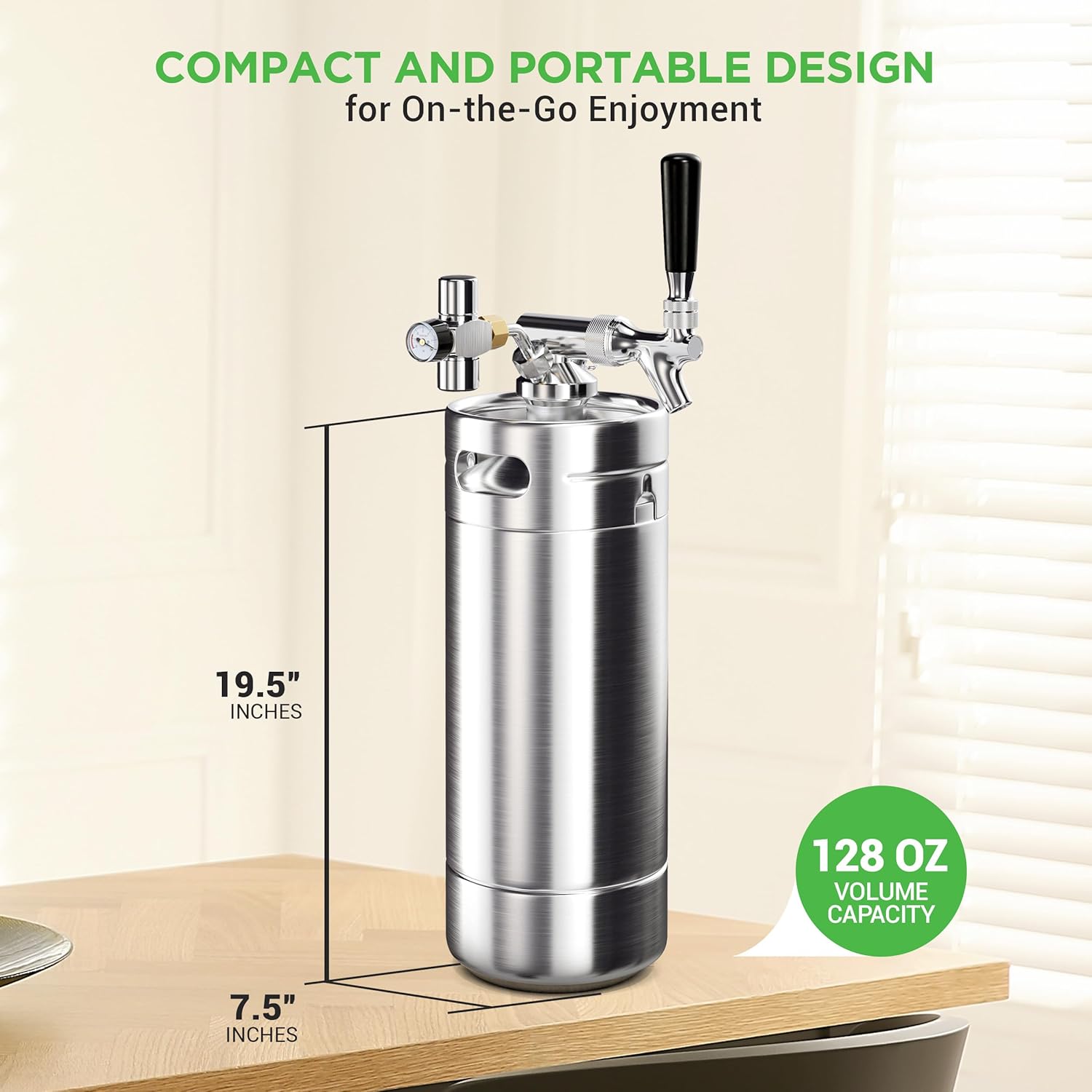
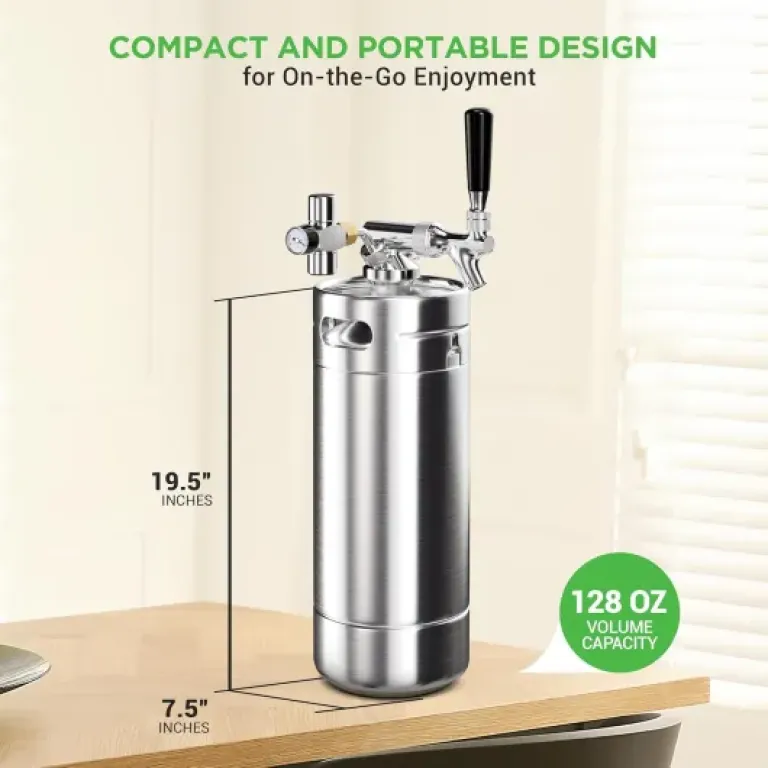
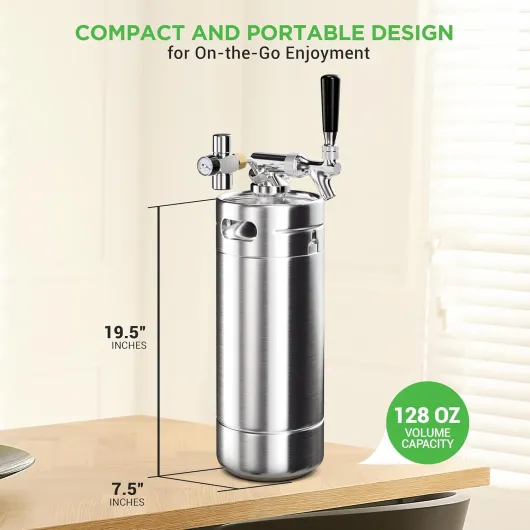
Design‑wise, the NutriChef mini keg is pretty simple: a squat stainless steel cylinder with a threaded neck, and a vertical tap tower that bolts onto the top. The whole thing, fully assembled, is roughly 19.5 inches tall according to the specs, and that lines up with what I saw in my fridge. It fit in my standard fridge on a shelf with the shelf bumped down one notch, but in a smaller or older fridge you might have to remove a shelf or stick it in the door area. So yes, it fits in a fridge, but not everywhere. If your shelves are fixed and you don’t have much vertical space, you might have an issue.
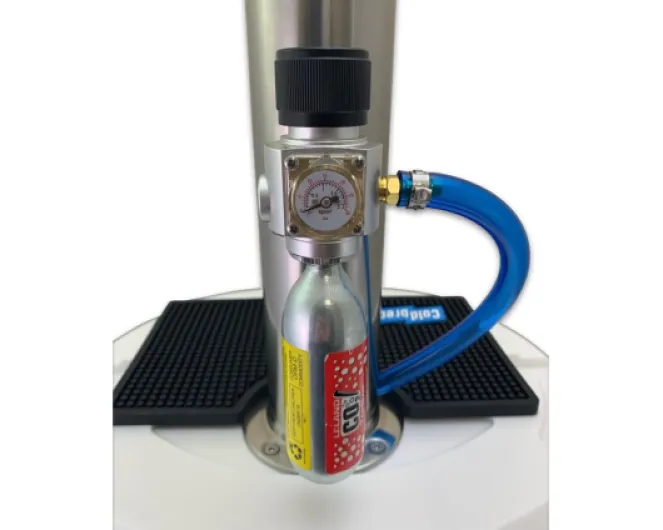
The layout is pretty logical: CO2 regulator sits on top, gauge is visible, adjustment knob is easy to reach, and the faucet handle is just like a small version of a bar tap. That’s nice because anyone who’s pulled a pint before will instantly understand how to pour. One minor annoyance is that the tap handle can get bumped open if you move the keg around, which some other reviewers also mentioned. An elastic band or a simple clip around the handle when transporting it is a cheap fix, but it’s still something they could have improved in the design.
The pressure release valve is a small but important part of the design. You push it to vent CO2 before taking the tap assembly off, so you don’t get a surprise when you unscrew things. It works fine, and I used it every time I cleaned or refilled the keg. The only design thing I’d flag is that when the regulator and faucet are all assembled, there are quite a few joints and threads. If you don’t tighten things properly, you can get slow leaks or a bit of foam. It’s not complicated, but you do need to pay attention the first couple of times.
Overall, the design is functional rather than pretty. It looks like a homebrew tool sitting in your fridge, not a decorative piece. For me that’s fine; I care more about the beer staying carbonated and the tap not dripping everywhere. If you want something that looks super sleek on the counter, this is more on the utilitarian side. But if your main concern is: “will this fit in my fridge and let me pour draft beer without a big kegerator?”, the design gets the job done with a few minor quirks.
Materials and build: mostly solid stainless, with a couple of quirks
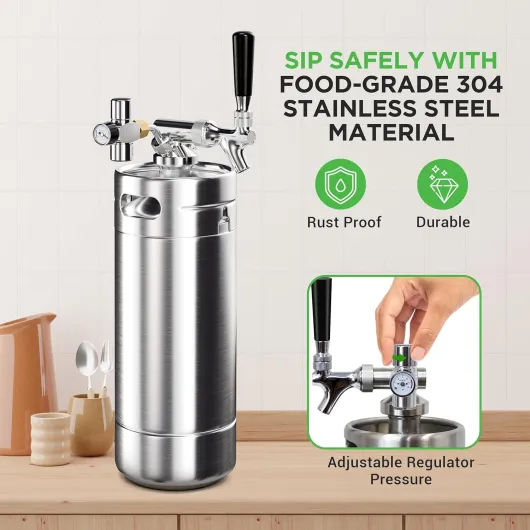
The big selling point here is the material: the keg and most of the hardware are made from 304 stainless steel, which is standard for food and brewing gear. In the hand, the keg feels sturdy and not flimsy. The walls are thick enough that you’re not worried about denting it every time it bumps into something in the fridge. It’s also rust‑proof, and after multiple rinses and a few weeks of use, I didn’t see any signs of corrosion or weird discoloration inside or outside.
The tap assembly is a mix of stainless and brass. The faucet, shank, and main contact areas are stainless, and the regulator body has metal construction that feels solid. The threads are cut cleanly, and everything screwed together smoothly without cross‑threading. That said, you still need to hand‑tighten things properly to avoid leaks. This is brewing hardware, not a sealed appliance, so if you expect zero maintenance you might be a bit surprised. The O‑rings and seals looked decent out of the box, and I didn’t have any issues with them during my tests.
One thing I liked is that stainless is also easy to clean. I did a basic cleaning routine: hot water rinse, a mild brewing cleaner for a deeper clean, then another rinse. No plastic smell, no weird aftertaste. If you’ve ever had cheap plastic beer dispensers, you know they can hold onto smells; this one doesn’t have that problem. It’s just metal and seals, so as long as you clean it properly after each batch, it stays neutral and doesn’t mess with the taste of the beer.
Overall, the materials feel pretty solid for the price. It’s not high‑end pro bar equipment, but it’s far from cheap junk. I’d put it in the “good enough for regular home use” category. If you treat it decently—don’t drop it down the stairs, don’t leave beer rotting in it for a month—you’ll probably get a lot of use out of it. If anything fails long term, my guess would be a seal or O‑ring rather than the stainless body itself, and those are usually easy and cheap to replace.

Durability and long‑term feel
I haven’t used this for years obviously, but after several fills and a few weeks of fairly regular handling, I have a decent idea of how it holds up. The stainless steel keg body feels tough. I bumped it into fridge walls, set it on concrete, and moved it around to different shelves. No dents, no warping, just a few minor scuffs you’d expect on brushed metal. The welds around the base and neck look clean, and there’s nothing that makes me think it will fail under normal home use.
The tap assembly and regulator also feel sturdy enough. I broke it down for cleaning several times, and the threads still feel snug. No signs of stripping or wobble on the faucet. The seals and O‑rings are the parts I’m more cautious about long term, but that’s true for any kegging setup. If you take them out occasionally, rinse them, and don’t let them dry out caked in beer, they should last a while. And if one eventually leaks, these are standard enough parts that a homebrew shop or online store will have replacements.
One durability concern some people have is rust or weird smells after repeated use. I didn’t see any of that. I stored it dry with the lid off between uses, and each time I opened it, it still smelled like metal and whatever cleaner I had used, not like stale beer. The outside finish doesn’t scratch easily, and it doesn’t feel like it’s going to flake or peel. It’s just raw stainless, which I prefer over painted or coated stuff that can chip.
So, from a durability standpoint, I’d say it’s pretty solid for the price. It feels like a tool you’ll keep using for years as long as you don’t neglect cleaning. It’s not some fragile gadget that you’re scared to touch. If you’re the kind of person who already has homebrew gear and is used to maintaining it, this will fit right in. If you’re expecting zero maintenance and dishwasher‑only cleaning, you might be pushing it, but that’s more about user habits than the product itself.
Performance: carbonation, pouring, and actual day‑to‑day use
This is the part that matters: does it actually keep beer fresh and pour properly? In my use, the NutriChef mini keg did pretty well. I filled it once from two almost‑full 64oz growlers from a local brewery (I had to drink a small glass to leave headspace), charged it with a 16g threaded CO2 cartridge, and left it in the fridge. Over about 10 days, I poured a glass here and there. The carbonation on the last pour was basically the same as the first. No flat, lifeless beer like I usually get from a regular growler on day three. On that front, it does what it’s supposed to do.
The regulator is simple but functional. You can see the PSI on the gauge and adjust it with a knob. I found that keeping the pressure in the 8–12 PSI range worked well for most beers. Too high and you get a lot of foam; too low and the pour is sluggish and the head is thin. There’s a bit of trial and error at the start, especially if you’re new to kegging. Once you find the sweet spot for your beer style and fridge temp, it becomes pretty straightforward. One 16g CO2 cartridge was enough to push an entire 128oz fill for me, with a bit left over.
The pour itself feels like a small draft setup. The faucet handle is responsive, and you can control the flow decently. If the beer is properly chilled and the pressure is set right, you get a nice head and not a glass full of foam. The only time I had foaming issues was when I rushed the pour or messed with the pressure mid‑keg. Also, moving the keg around too much right before pouring can stir things up and cause a foamy first glass, just like with a regular keg.
In everyday use, the main performance benefit is simple: you can take a couple of pints over several days without feeling like you need to finish the whole thing in one night before it goes flat. It’s also handy for small gatherings when a full‑size keg is overkill. The downside is that you need to keep CO2 cartridges on hand, and the threaded ones can be a bit pricey and not always available in local shops. But if you plan ahead and buy a small pack online, the running cost per fill isn’t that bad. Overall, performance is pretty solid for a compact system like this.
What you actually get in the box
When you unbox the NutriChef PKBRTP100.5, you’re basically looking at three main pieces: the 128oz stainless steel keg body, the tap/column assembly with the regulator, and a metal screw‑on lid for when you just want to store or transport the beer without the tap attached. Mine did not come with a CO2 cartridge, which is normal, and the neoprene koozie situation is a bit confusing: the product description mentions it, but some people (me included) didn’t see one in the box. It looks like you sometimes have to email or review to get it, which is a bit of a weird way to handle an accessory.
The keg itself is shaped like a fat cylinder, not like a tall skinny growler. The stated volume is 128oz (roughly 3.8 liters), which is basically two 64oz growlers. There’s a fill line laser‑marked on the keg, which is handy so you don’t overfill it and leave no headspace for CO2. You get a separate all‑metal screw‑on cap for transport; that’s nice if you want to fill it at a brewery, bring it home capped, then later swap to the tap assembly in your kitchen.
The tap assembly is mostly stainless steel with some brass parts. You get a standard‑style faucet handle, the regulator that takes threaded 16g CO2 cartridges, and the dip tube that goes down into the beer. The regulator has a small pressure gauge and an adjustment knob, and there’s a pressure release valve so you can safely depressurize before removing the tap. It’s not fancy, but it looks and feels like basic homebrew hardware rather than cheap toy parts.
Overall, the presentation is pretty straightforward: no fancy extras, no big manual, just the essential bits to get beer into the keg and pour it with CO2. I’d say it feels like a budget homebrew setup rather than a polished kitchen gadget. That’s not a complaint, just an honest description: it’s clearly designed more for people who don’t mind screwing things together and rinsing parts than for someone who wants a plug‑and‑play appliance with glossy packaging.
Pros
- Keeps beer carbonated and fresh for days or weeks, unlike standard glass growlers
- Sturdy 304 stainless steel construction that’s easy to clean and feels durable
- Compact draft system that fits in a regular fridge and uses simple 16g CO2 cartridges
Cons
- Requires threaded 16g CO2 cartridges, which can be pricey and not always easy to find locally
- Full assembled height can be too tall for some fridge shelves and layouts
Conclusion
Editor's rating
After using the NutriChef PKBRTP100.5 mini keg for a bit, my overall take is that it’s a pretty solid tool if you care about keeping beer carbonated and don’t have space for a full kegerator. The stainless build feels sturdy, the regulator and tap do their job, and most importantly, the beer stays fizzy and drinkable for days or even weeks instead of going flat after the first night. There’s a bit of a learning curve with pressure and pouring, but nothing dramatic if you’re willing to tinker a little.
It’s not perfect. The threaded CO2 cartridges are a bit of a downside: they’re not always easy to find locally and they add a small ongoing cost. The full height with the tap attached can be tight in some fridges, so you might have to rearrange shelves. And the whole thing feels more like homebrew gear than a polished kitchen appliance, which might turn off people who want plug‑and‑play simplicity. But for the price, you get a decent, compact draft system that actually does what regular growlers don’t: keep beer from going flat.
I’d recommend it to homebrewers who want to test kegging on a small scale, people who buy fresh beer from local breweries and drink it over several days, and anyone who wants a portable draft setup for camping or small gatherings. If you barely drink beer, hate any kind of cleaning or setup, or already own a full kegerator, you probably don’t need this. For everyone else in that middle group, it’s a practical, no‑nonsense way to have draft beer at home without turning your kitchen into a bar.