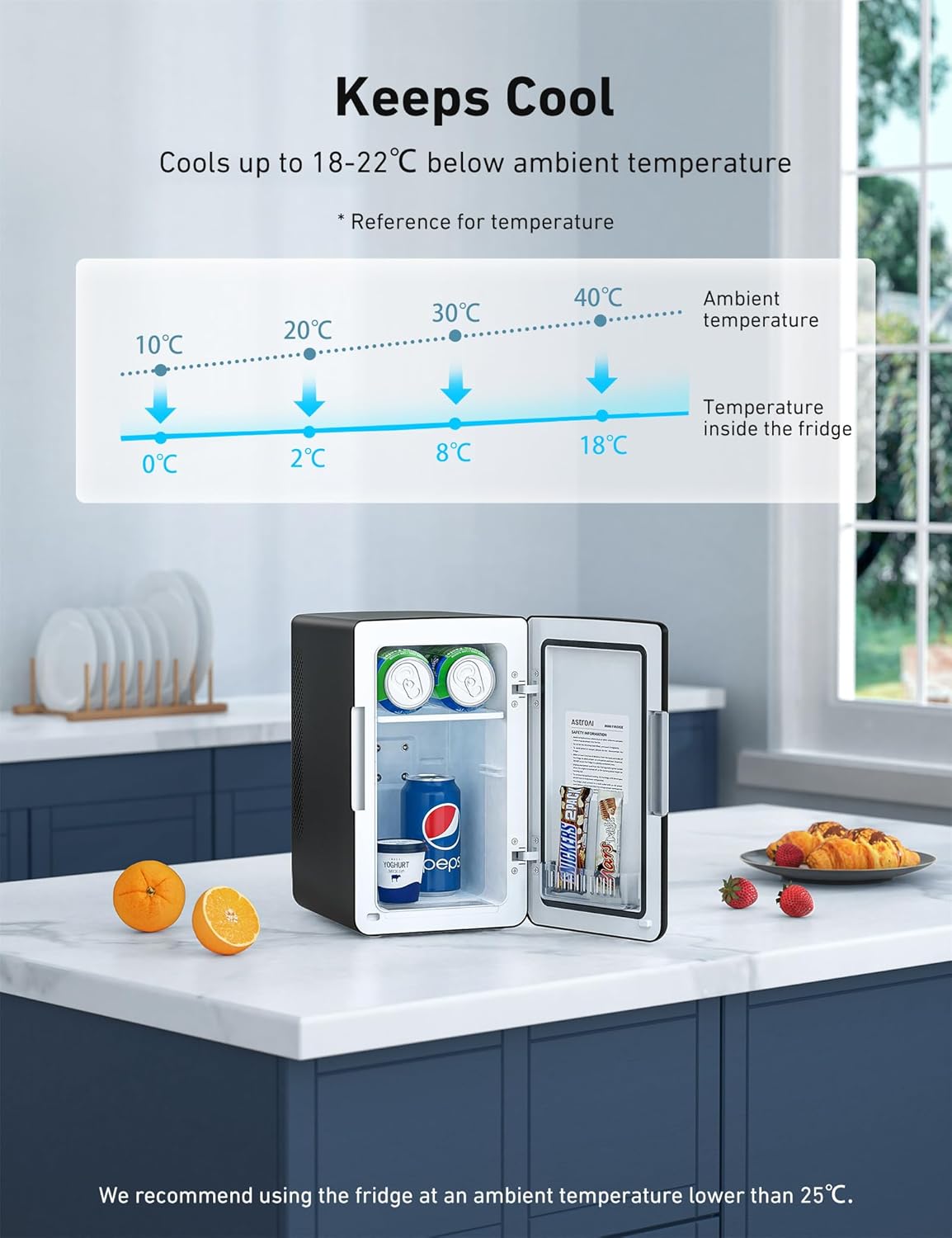
Key features that make the best beer coolers and mini fridges
Temperature control that respects each beer style
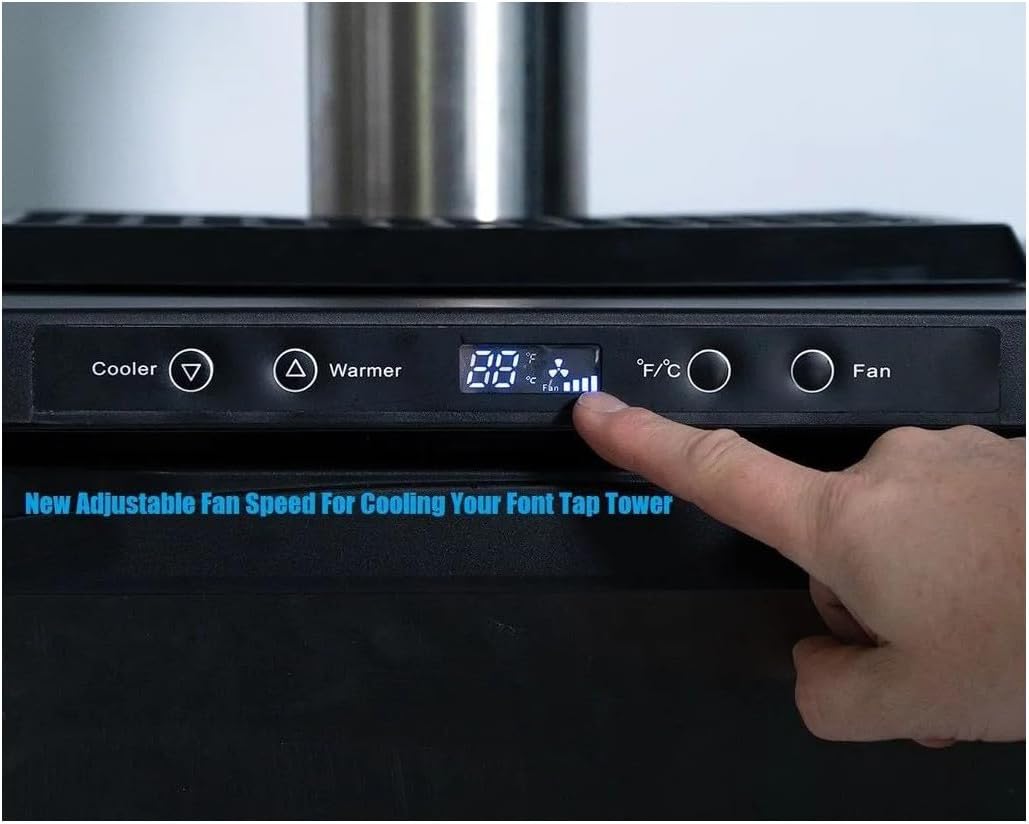
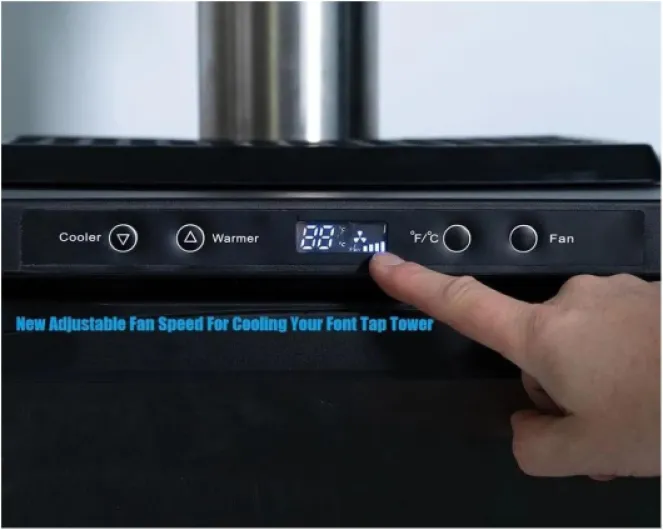
Precise temperature control is the heart of a good beer cooler. Lagers, IPAs, stouts and sours all shine at slightly different serving temperatures. Look for a unit with an adjustable thermostat and a clear digital display, so you can fine-tune settings for everyday drinking or special tastings. Multi-zone models are especially useful if you like to keep crisp pilsners colder than your barrel-aged bottles.
Capacity, layout and flexibility inside
Capacity is more than just a number of cans. Check how the shelves are arranged and whether they are adjustable or removable. Sliding or wire racks make it easier to store mixed formats : tall 500 ml bottles, 16 oz cans, even the occasional champagne-style corked beer. If you plan to age special releases, make sure the interior height can handle larger bottles without forcing you to lay them at awkward angles.
Cooling performance and noise level
Compressor-based coolers generally chill faster and hold temperature more consistently than thermoelectric models, which can matter when you are stocking up for a tasting night. At the same time, noise matters if the fridge will sit in a living room or small apartment. Look for decibel ratings and real-world user feedback so your home bar stays inviting, not buzzing.
Energy efficiency, lighting and style
Energy-efficient units cost less to run and are kinder to the planet, especially if you keep your fridge running year-round. Interior LED lighting helps you see labels without heating the beer. Finally, think about how the cooler fits into your space : stainless steel doors, tinted glass and compact footprints can all play a role, especially if you are already following broader craft beer trends and habits in your home bar setup.
Comparing popular beer cooler brands and styles
Understanding the main types of beer coolers
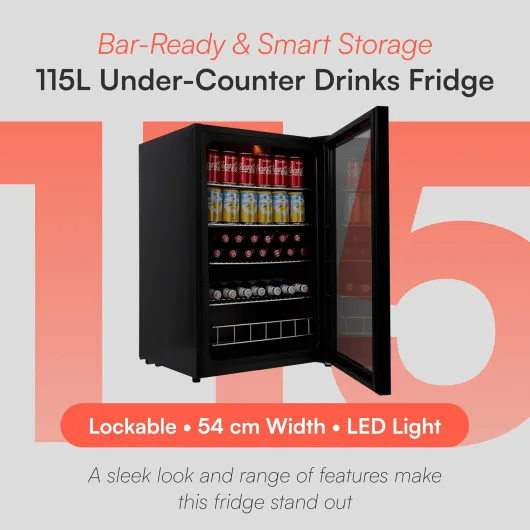
When you start comparing beer coolers, the first big choice is between freestanding, built-in, and portable models. Freestanding units are the most flexible. You can move them around your home bar, garage, or office, and they usually offer the best capacity for the price. Built-in or under-counter fridges are ideal if you are planning a more permanent bar setup and care about a clean, integrated look. Portable coolers and mini fridges shine for small spaces, guest rooms, or as a backup for parties.
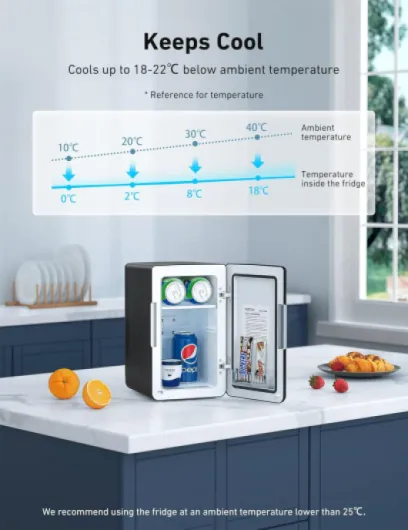
Compressor-based fridges are the standard for most beer drinkers. They chill quickly, handle frequent door openings, and work well for mixed collections of lagers, IPAs, and stouts. Thermoelectric models are quieter and more energy efficient, but they struggle in very warm rooms and are better for lighter use or smaller collections.
Brand reputation and what really matters
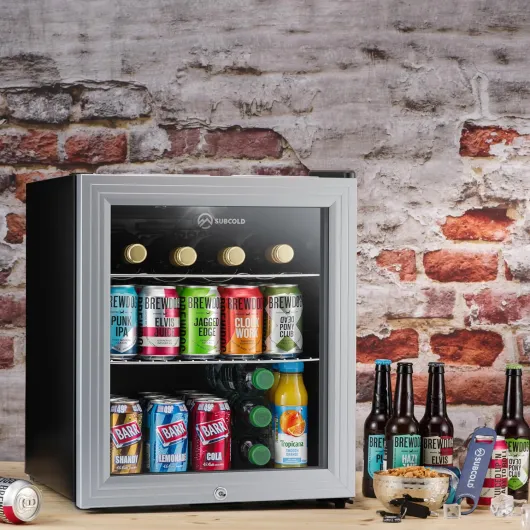
Brand names can be helpful shortcuts, but focus on what actually affects your beer. Look for consistent temperature performance, solid door seals, and shelving that can handle a mix of cans, standard bottles, and taller bombers. Some brands lean into style, with glass doors and LED lighting, while others prioritise durability and simple controls.
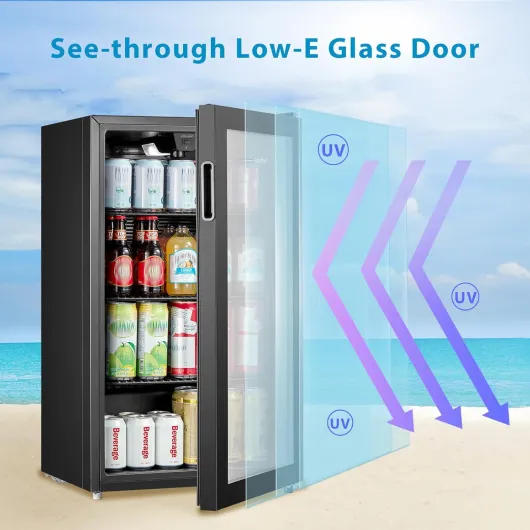
If you are serious about flavour, it is worth thinking about how you drink. Fans of hop-forward styles who follow guides like journeys through the world of beer often prefer precise temperature control and UV-protected glass. Casual drinkers may value capacity and price more than fine-tuned settings.
In the end, compare brands by how well they match your space, your beer habits, and the features you already identified as essential for your home bar setup.
Real life use cases : from beer tastings to outdoor bars
Hosting relaxed tastings at home
A dedicated beer cooler makes casual tastings feel organized and professional. You can pre-chill different styles at their ideal serving temperatures, then arrange shelves by style or brewery. When friends arrive, you simply open the door and pull out perfectly cooled bottles or cans in the right order, from lighter lagers to rich stouts. No more rotating six-packs in and out of an overstuffed kitchen fridge.
Building a practical garage or basement beer corner
Many beer lovers turn a spare corner of the garage or basement into a small beer station. A compact mini fridge fits under a counter or workbench, keeping your favorite everyday brews cold and ready after yard work or DIY projects. Adjustable shelves let you store tall bottles, mixed packs, and even a growler or two, while the door bins handle backup cans for game days.
Creating a flexible indoor-outdoor entertainment setup
If you often move between living room, patio, and backyard, a freestanding beer cooler becomes the hub of your entertainment flow. Place it near the door to your outdoor space so guests can grab a cold beer on their way outside. For larger gatherings, you can pair the fridge with an ice-filled tub or jockey box, using the cooler as your cold storage base to restock quickly without running back to the kitchen.
Supporting seasonal and special-occasion beer habits
From Oktoberfest releases to holiday stouts, a dedicated beer fridge lets you stock up without crowding food storage. You can age certain bottles on a stable, cool shelf, keep seasonal mixed packs ready for impromptu visits, and always have a few “special” beers chilled for celebrations, tastings, or quiet evenings when you want something more interesting than your everyday lager.
How to match features, price and beer style for the right choice
Start with your favorite beer styles
Before comparing specs and prices, think about what you actually drink most. If you love hop-forward IPAs, you will want a fridge that holds steady, colder temperatures to keep those aromas bright. Fans of Belgian ales or strong stouts can look for models with adjustable zones, so darker, higher-ABV beers are not served too cold.
If your tastes are mixed, a dual-zone or at least a unit with precise digital controls gives you flexibility. That way, you can keep crisp lagers on the bottom shelf and richer ales a few degrees warmer on top.
Match capacity and layout to real usage
Think back to the scenarios mentioned earlier : solo weeknight beers, tasting flights with friends, or big game-day gatherings. A compact 40–60 can unit is usually enough for casual drinkers, while serious hosts or collectors may need 100+ can capacity.
Check how adjustable the shelves are. Wide shelves suit 16 oz cans and tall bottles, while modular racks help if you rotate between standard cans, bombers, and crowlers from your local brewery.
Balance budget with performance features
Once you know your style and capacity needs, compare what you get for each price step. Entry-level models often offer basic temperature control and interior lighting, which is fine for everyday lagers and macro beers.
Mid-range fridges usually add better insulation, quieter compressors, and more precise thermostats, ideal for craft beer fans who care about freshness and consistency. Premium units bring in multi-zone cooling, UV-protected glass doors, and higher-end finishes that match a designer home bar or outdoor kitchen.
Ask yourself : will this fridge protect the beers I love, fit the way I entertain, and still feel like a smart purchase in a few years ? When the answer is yes on all three, you have found the right match of features, price, and beer style.

![93L Drinks Fridge, 126 Can Beer Fridge with Glass Door, Wine fridge with Adjustable Shelves for Soda Beer or Wine, Home/Bar/Office, Black, Steel, One-Touch Control [Energy Class F] 126 Can Black](https://www.beer-insiders.com/storage/947010/conversions/71yTIYeFRgL._AC_SL1500_-medium.webp)
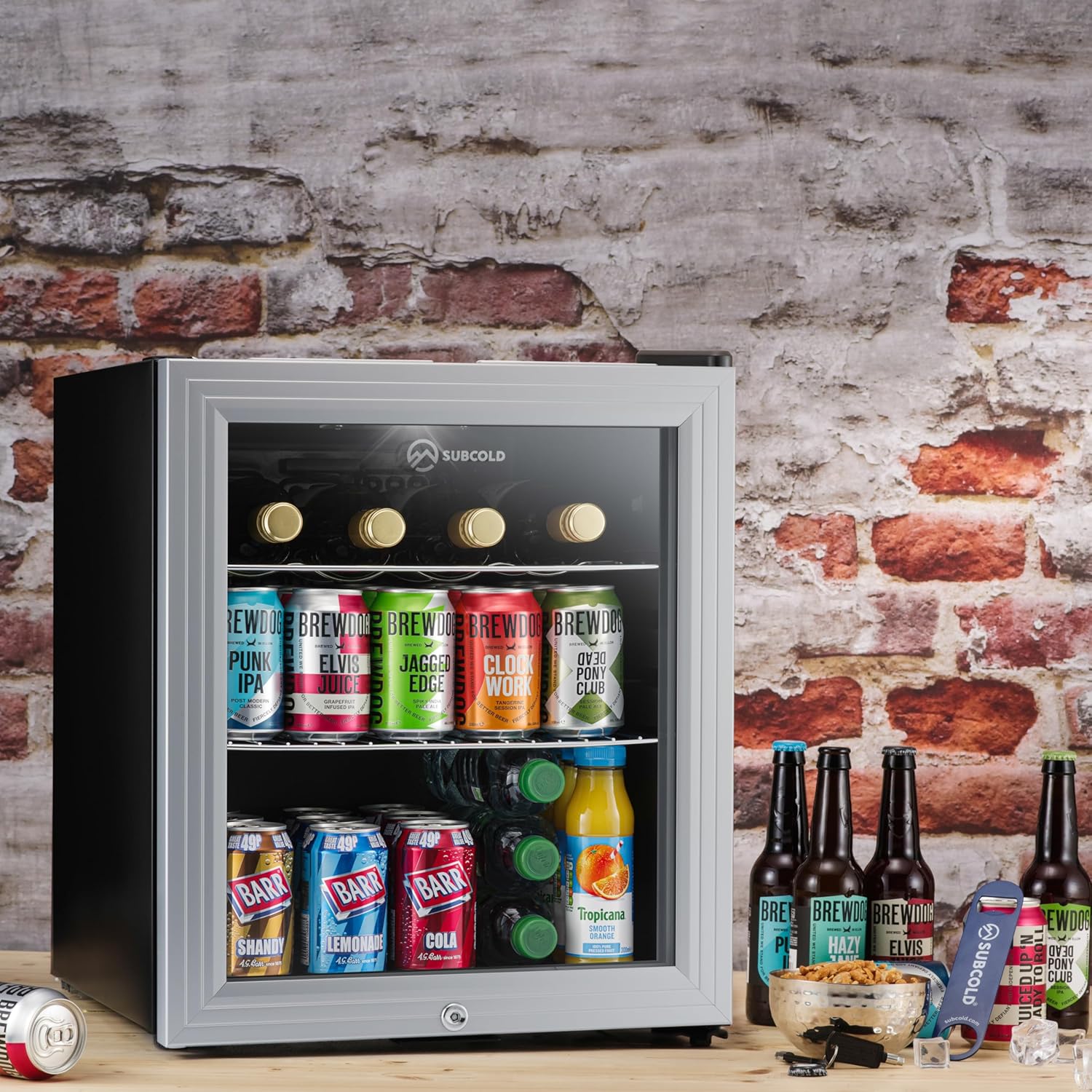
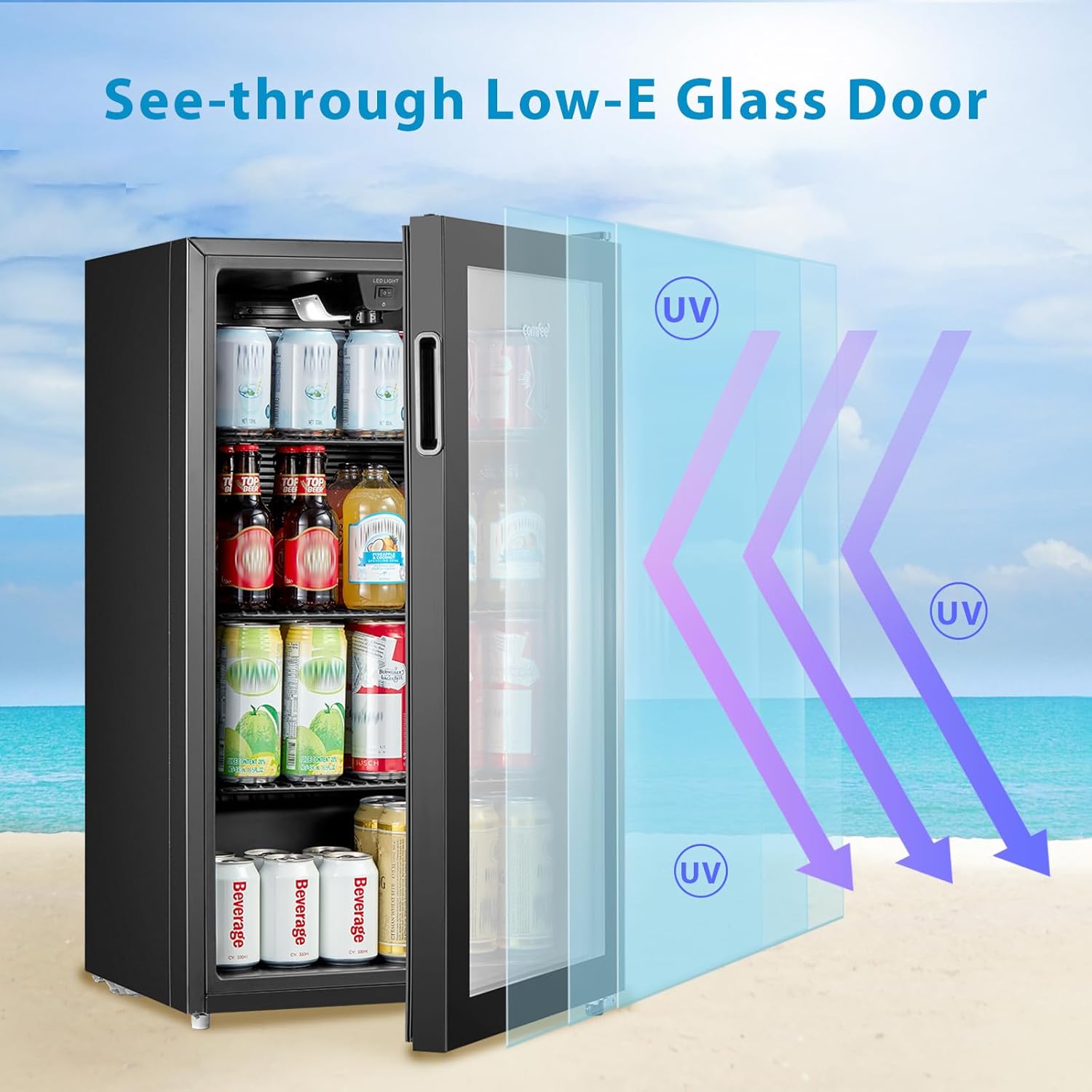
![93L Drinks Fridge, 126 Can Beer Fridge with Glass Door, Wine fridge with Adjustable Shelves for Soda Beer or Wine, Home/Bar/Office, Black, Steel, One-Touch Control [Energy Class F] 126 Can Black](https://www.beer-insiders.com/storage/947010/71yTIYeFRgL._AC_SL1500_.jpg)