Bremen, the hanseatic city that lives and breathes beer
Where beer is part of everyday life
Walk through Bremen’s old town and you quickly feel how deeply beer is woven into the city’s rhythm. From riverside bars along the Weser to tiny corner pubs in side streets, beer is not just a drink here ; it is a quiet background to daily life, shared stories and local pride.
The historic market square, with its town hall and the statue of Roland, has seen centuries of beer being traded, taxed and tasted. Merchants once negotiated grain prices and shipping routes here, laying the foundations for the brewing culture that still shapes what ends up in your glass today. Even now, many locals will tell you that a good day ends with a fresh lager enjoyed within sight of these old facades.
Hanseatic trade routes and brewing culture
Bremen’s role in the Hanseatic League turned it into a gateway for ingredients and ideas. Hops from the south, malt from surrounding farmland and brewing techniques from other ports all passed through the city’s warehouses. This mix of influences helped Bremen brewers refine clean, reliable lagers long before “quality control” became a buzzword.
Those trade links also explain why Bremen beer has always looked outward. The same river and sea routes that carried grain and timber later carried bottled beer to distant markets, paving the way for the rise of major breweries and, eventually, global brands. That outward focus still matters today, whether in the classic export lagers that built Bremen’s reputation or in the modern styles you will meet later in this story.
To understand how a Mexican lager style could grow from European roots, it helps to remember that Bremen was part of a wider brewing conversation across ports and empires. You can see that global thread in the history of the Vienna-inspired lager tradition, which echoes the same trading spirit that shaped Bremen’s beer identity.
From beck brewery to global brands : how a local beer went everywhere
From riverside brewhouse to export powerhouse
When brewing took off in Bremen, it was first and foremost a local affair. Beer was made for dockworkers, merchants and sailors who crowded the Weser quays. The city’s position in the Hanseatic trade network meant grain, hops and new ideas were always flowing through its warehouses, and ambitious brewers quickly learned how to turn a good local drink into a reliable export.
Among them, the Beck family stood out. What began as a regional brewery gradually became a symbol of Bremen itself. Clean, consistent lagers, brewed close to the river and shipped out by boat and rail, built a reputation far beyond northern Germany. The green bottle and key logo became shorthand for “Bremen beer” in bars from Europe to the Americas.
How a local label became a global brand
As brewing technology improved and cold-fermented lagers spread worldwide, Beck’s and other Bremen breweries scaled up. They invested in modern equipment, quality control and international distribution. Contracts with foreign importers, aggressive marketing and the rise of container shipping turned what was once a city beer into a global staple.
This expansion did not happen in isolation. Bremen’s brewers were part of a broader wave of consolidation and competition that still shapes the market. The same forces that pushed Beck’s into international ownership are now reshaping smaller producers too. If you are curious about how this pressure affects today’s independent breweries, the analysis of the craft beer shakeout and its impact on local breweries offers useful context.
Even as global brands dominate supermarket shelves, Bremen’s brewing story continues in its neighborhood taprooms and newer craft outfits, which you will encounter when exploring the city’s beer styles and brewery visits later on.
Bremen beer styles : from red lagers to modern craft beer
From old “Rotbier” to clean northern lagers
Bremen’s brewing story starts with top-fermented ales, but the city truly made its name with clean, crisp lagers. Brewers here embraced cool fermentation early, perfecting pale and amber beers that travelled well along Hanseatic trade routes. Among them, a local red-tinged lager style – often called “Rotbier” in northern regions – stood out for its gentle caramel notes and soft bitterness, a comforting contrast to the harsher beers of the time.
These lagers were built on soft local water and carefully kilned malts, giving a dry finish that matched the maritime climate. They were not heavy festival beers, but everyday companions for dockworkers, merchants and, later, factory employees.
The rise of pale export lagers
As Bremen’s merchants looked outward, brewers refined pale “export” lagers designed to stay bright and stable on long journeys. These beers were slightly stronger, with a firm hop backbone and a clean malt core. They fit perfectly into the broader story of how lager beer spread across the world, and Bremen’s port made the city a natural gateway.
By the time local brands started appearing on foreign shelves, Bremen’s profile was firmly tied to these golden, reliable lagers that tasted the same whether you drank them on the Weser riverbank or thousands of kilometres away.
Modern twists: red lagers, black-and-tan echoes and craft experiments
Today, Bremen’s brewers still respect that lager backbone, but they play with colour and flavour. You will find modern red lagers that nod to older styles, as well as darker blends that subtly echo the layered character of a legendary black and tan beer. Local craft breweries experiment with dry-hopped pilsners, malty Vienna-style lagers and seasonal specials, yet they keep the same focus on drinkability that has defined Bremen beer for centuries.
How people in bremen drink their beer : rituals, bottles and city life
Everyday habits in a beer-loving city
In Bremen, beer is part of the daily rhythm rather than a special-occasion drink. After work, colleagues often head to a corner pub for a quick Feierabendbier (end-of-work beer). It is usually a crisp pilsner or a local lager, served in modest glasses so the beer stays cold and fresh. Long, slow sessions are less common than short, social stops woven into the day.
How locals order and share their brews
At traditional pubs, regulars rarely browse long menus. They order “a beer” and expect the house lager or pils to arrive without further questions. In some older bars, you might see a coaster system : the server marks each beer on your coaster, then counts the marks when you pay. Sharing is casual but structured ; friends often take turns buying rounds, and it is polite to wait until everyone has a full glass before the first sip.
Bottles, glasses and the Bremen way of serving
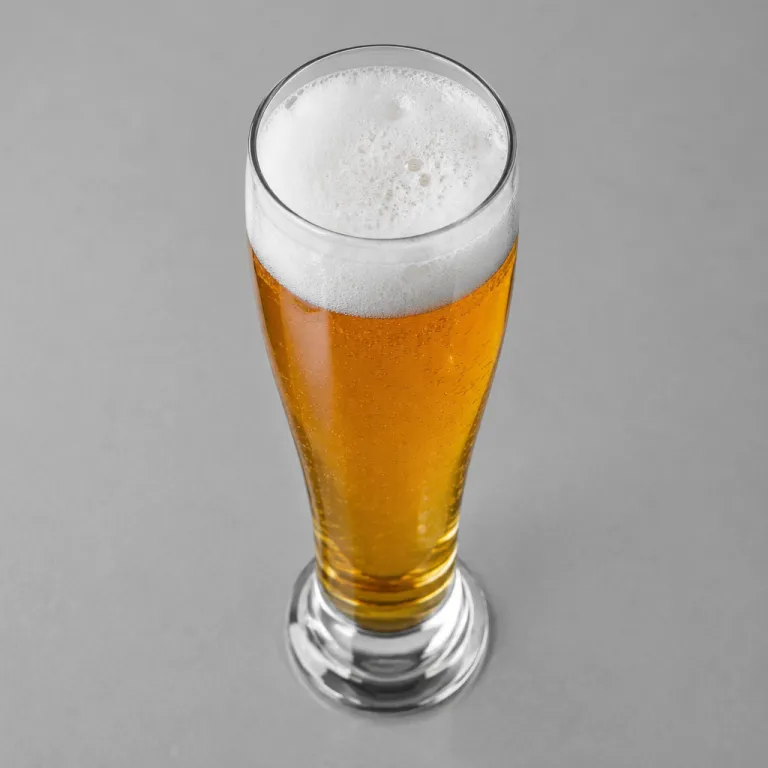
While bottles are common at home or along the Weser river, bars and Kneipen prefer draught beer in slim, straight-sided glasses that highlight clarity and carbonation. The foam head matters : a proper pour has a firm, creamy cap, never overflowing, never flat. For the richer red lagers and modern craft beers you read about earlier, some venues use tulip or goblet-style glasses to focus aroma, but the classic narrow glass still dominates.
Beer in Bremen’s streets and festivals
During markets, football matches and city festivals, beer steps outside the pub. Stalls serve local brews in plastic cups or reusable festival mugs, and it is normal to see people strolling with a beer in hand, chatting by the river or in the old town squares. Even then, the mood is relaxed rather than rowdy ; the beer supports the social scene, it does not overwhelm it.
Visiting bremen breweries and learning from their tradition
Planning your brewery route through Bremen
Exploring Bremen’s breweries is easiest if you think in short walking loops. Start around the old town, where traditional taverns pour the classic local pilsner that shaped the city’s reputation. From there, you can branch out to smaller districts where modern brewpubs experiment with red lagers, hop-forward pale ales and seasonal specials.
Many breweries offer guided tours, but they often require advance booking, especially on weekends. Check whether the tour is focused on history, production, or tasting. Some lean heavily on the Hanseatic heritage and malt stories, while others highlight stainless-steel tanks, lab work and modern quality control.
What to expect on a Bremen brewery tour
Most visits follow a similar rhythm :
- A walk through the brewhouse, with explanations of mash, boil and fermentation
- A look at cellars or conditioning tanks, where lagering still matters
- A tasting session, often starting with the classic pils, then moving to darker or more experimental beers
Pay attention to how brewers talk about water and malt. These two elements are central to Bremen’s identity, linking the big export brands with today’s smaller craft operations.
Tips for tasting like a local
When you sit down in a brewery taproom, you will notice that many guests still order bottled beer, not just draught. That habit reflects the city’s long-standing rituals around sharing a crate at home or by the river. If you are unsure what to choose, ask for a small tasting flight first, then commit to a full bottle or glass of your favourite.
Finally, take your time. In Bremen, beer is not rushed ; it is part of the city’s rhythm, from the old port stories to the latest taproom release.