How we got here : from explosive growth to a cooler beer market
From garage projects to grocery store shelves
In the early 2010s, craft beer felt unstoppable. Small breweries were opening every week, taprooms were packed, and drinkers were hunting new releases like rare records. The story was simple : more flavor, more choice, more local. Investors and distributors rushed in, assuming the boom would last forever.
As the movement grew, so did expectations. Breweries scaled up, signed long leases, and bought shiny new tanks. Supermarkets expanded their craft sections, and national chains built huge draft lists. For a while, demand kept pace. Double IPAs, pastry stouts, and hazy releases flew off the shelves, and beer tourism became a weekend hobby for many fans, as shown by guides that map out a journey through the world of beer.
When growth outpaced drinkers
Under the surface, though, cracks were forming. The number of breweries grew faster than the number of new craft drinkers. Shelf space is finite, and so is consumer attention. Many brands started to look and taste similar, while production costs and wages climbed. At the same time, hard seltzers, RTD cocktails, and premium spirits began stealing occasions from beer.
This is the backdrop for the current market cooling. The correction is not a sudden crash but the result of years of aggressive expansion meeting a more cautious, price-sensitive consumer. Later, we will look at what the numbers say about this shift, how breweries are adjusting their business models, and how changing tastes in flavor, alcohol level, and spending are reshaping what ends up in your glass.
What the data and market report say about the craft beer market correction 2026
Key numbers behind the slowdown
After years of double-digit expansion, growth in independent breweries has flattened. Industry reports show overall beer volumes slipping, while craft’s share is holding steady or inching up only slightly. The number of operating breweries is still high, but openings and closures are now much closer together, signaling a maturing market rather than a boom.
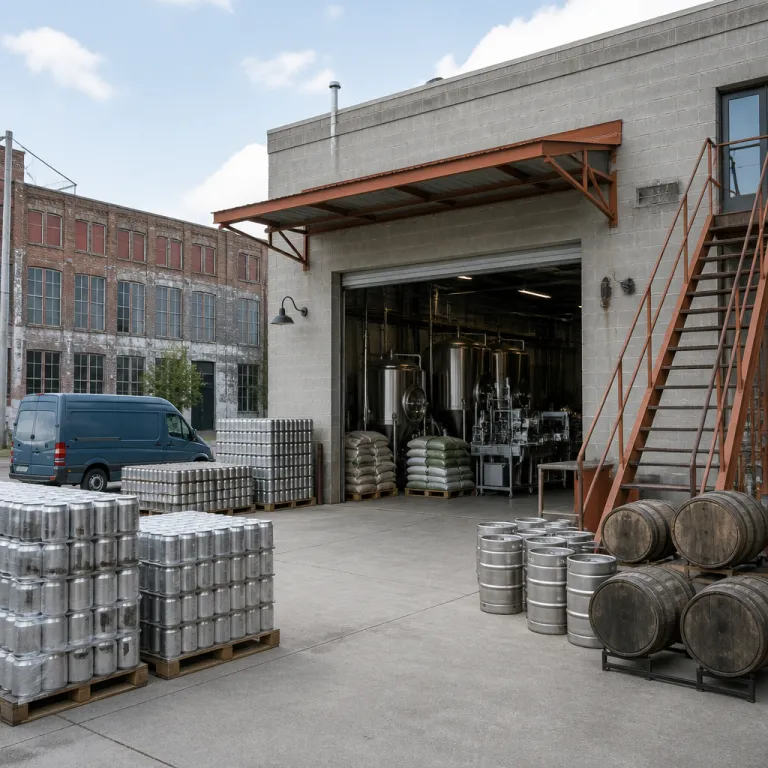
Regional and mid-sized craft breweries feel this most. Their sales into supermarkets and national chains have softened as shelves reach saturation. At the same time, production capacity built during the rapid expansion phase is now underused, putting pressure on margins.
Where the correction hits hardest
The correction is uneven. Taproom-focused microbreweries with strong local followings are generally more resilient, while brands that rely heavily on distribution are exposed to price wars and discounting. Data from retail scans shows slower rotation for seasonal and experimental releases, with buyers favoring dependable core beers.
Imported specialties and premium European styles are also reshaping the landscape. Curated selections from established brewing cultures, such as those highlighted in this guide to France’s brewing delights, compete directly with domestic craft for limited shelf space and consumer attention.
Pricing, promotions and profitability
Rising costs for malt, hops, energy and labor collide with consumers who are more cautious about price. Market data shows heavier reliance on promotions, mix-packs and limited-time discounts to keep volumes moving. While this supports short-term sales, it can erode perceived value if overused.
In this environment, the correction is less about collapse and more about recalibration. The numbers point to a sector that must align capacity, pricing and product mix with the more selective drinking habits explored elsewhere in this article.
How breweries and brewing companies are feeling the correction on the ground
Margins under pressure and tough choices
For many breweries, the correction is not a dramatic crash so much as a slow squeeze. Ingredient costs are higher, distributors are more selective, and taproom traffic is less predictable. That combination is forcing owners to make hard calls about staffing, SKUs, and capital projects they once assumed were a sure bet.
Smaller producers feel it first. Breweries that relied heavily on draft-only sales or a single flagship IPA are finding that volume alone no longer covers rising overhead. Some are trimming their lineups to a tight core range, pausing expansion plans, or renegotiating contracts with suppliers and landlords.
Consolidation, closures and quiet pivots
The most visible sign of the correction is the steady trickle of closures and distressed sales. Not every shuttered taproom is a failure of quality ; often it is a timing issue, with leases and loans written for a hotter market than the one that exists today. Others are seeking mergers or contract brewing partnerships to keep brands alive while cutting fixed costs.
At the same time, many breweries are quietly pivoting. They are shifting tank space from high-ABV specialties to lagers and lower-alcohol options, or adding non-beer offerings like seltzers and NA lines to smooth out demand. Some are doubling down on their taproom as a community hub, taking cues from destination spots such as this detailed look at a historic Michigan brewery and local landmark.
Emotional toll on owners and staff
Behind the numbers, there is fatigue. Owners who spent a decade in nonstop growth mode are now learning to manage decline or plateau. Staff worry about hours and tips. Yet many also describe a renewed focus on why they opened a brewery in the first place : serving their neighborhood, brewing styles they care about, and building a sustainable business instead of chasing endless expansion.
What consumers want now : trends in taste, alcohol and spending
Shifts in flavor preferences and beer styles
Consumers are moving away from the “more is more” mindset that defined the peak of the IPA arms race. Instead of chasing the highest IBU or the most extreme adjuncts, drinkers are gravitating toward balance, drinkability, and clear flavor narratives. Classic styles like pilsners, helles lagers, and bitters are quietly gaining share, while hazy IPAs and fruited sours are settling into a stable, but less explosive, niche.
There is also a growing appetite for beers that tell a place-based story. Regional ingredients, local maltsters, and terroir-driven hops resonate with drinkers who feel overwhelmed by choice and marketing noise. They want fewer SKUs, but more meaning behind each one.
Lower alcohol, better-for-you, and mindful drinking
The correction is amplifying a trend that was already underway : moderation. Session-strength lagers and pale ales are performing better than many high-ABV specialties. Non-alcoholic and low-alcohol craft options, once an afterthought, are now a strategic pillar for many breweries.
Consumers are reading labels more closely, paying attention to calories, carbs, and ingredient lists. “Better-for-you” does not necessarily mean bland ; it means beers that fit into a broader lifestyle that includes fitness, mental health, and social drinking without overindulgence.
Value, formats, and where people are willing to spend
Inflation and tighter household budgets are reshaping how people buy beer. Drinkers are trading down in price point but not in perceived quality. They are more likely to buy a reliable core lager in 12-packs and reserve taproom visits or limited releases for special occasions.
Multipacks, mixed variety packs, and draft options that feel like a good deal are winning. Consumers still support local, but loyalty is no longer unconditional ; breweries must earn repeat purchases with consistent quality, fair pricing, and a clear sense of identity.
What the correction means for the future of the beer industry and craft brewers
Why this shakeout is not the end of craft beer
The current correction looks dramatic on the surface, but it is more of a reset than a collapse. The era of “open a taproom and they will come” is over. The breweries that survive will be those that treat beer as both a passion and a disciplined business. Expect fewer vanity projects and more professionally run, mid-sized independents that know their numbers as well as their hop schedules.
Fewer breweries, stronger brands
Consolidation will continue. Some small breweries will close, others will merge, and a handful will be acquired. That sounds negative, yet it can leave a healthier ecosystem. Shelf space and tap handles are finite ; when weaker brands exit, the remaining breweries gain room to breathe, invest, and communicate clearly with drinkers. Local loyalty will matter more, but it will be earned through consistent quality and genuine community presence, not just a zip code.
Innovation will shift, not slow
The wild arms race of pastry stouts and triple dry-hopped everything is already giving way to more thoughtful innovation. Breweries will focus on beers that fit into everyday drinking habits : balanced lagers, lower-ABV options, and flavor-forward but approachable styles. Expect more crossover products too, such as beer–adjacent beverages and hybrid fermentations, as producers respond to changing alcohol and wellness expectations.
What this means for drinkers and the wider industry
For consumers, the future likely holds fewer logos but better beer. Choice will still be rich, just less chaotic. For the broader industry, the correction should bring more realistic growth expectations, smarter capacity planning, and tighter alignment between what brewers make and what people actually buy. In the long run, that is how craft beer moves from boom-and-bust cycles toward a stable, mature place in the beverage landscape.