From vienna lager to mexican beer : how mx lager was born
From european amber to mexican sunshine
To understand what people now call “mx lager”, you have to start in central Europe. In the nineteenth century, Austrian brewers in Vienna were perfecting a clean, amber lager with gentle malt sweetness and a crisp finish. This Vienna lager style travelled with migrants and brewing experts who carried their recipes, yeast cultures, and lagering know-how across the Atlantic.
Mexico, newly open to European influence, became fertile ground for these brewing traditions. Austrian and German immigrants founded breweries, bringing cool-fermenting lager yeast and the idea of storing beer at low temperatures. At first, the beers they brewed in Mexico looked and tasted very similar to classic Vienna lagers : amber, toasty, and smooth.
But local conditions soon began to shape something new. Mexican brewers had to adapt to a warmer climate, different water profiles, and the grains that were easiest to source. Barley malt was not always abundant or affordable, so corn and other adjuncts gradually entered the mash. This shift lightened the body and color, and made the beer more refreshing in hot weather.
Over time, the style moved away from its purely European roots. The result was a family of lagers that still carried a hint of Vienna’s toasty malt character, but with a brighter, crisper, more thirst-quenching personality. That evolution is at the heart of what we now think of as Mexican lager, a story that fits into the broader journey through the world of beer.
Later sections will look more closely at how these lagers differ from other pale beers, how major brands helped define the style internationally, and what you can expect when you taste a well-made mx lager today.
What makes mexican lagers different from other lager beers
Key traits that set mexican lagers apart
Mexican lagers share the same basic blueprint as other lagers : clean-fermenting yeast, cool fermentation, and a crisp finish. Yet a few key choices in ingredients and process give them a personality that feels instantly different from a German pilsner or an American light lager.
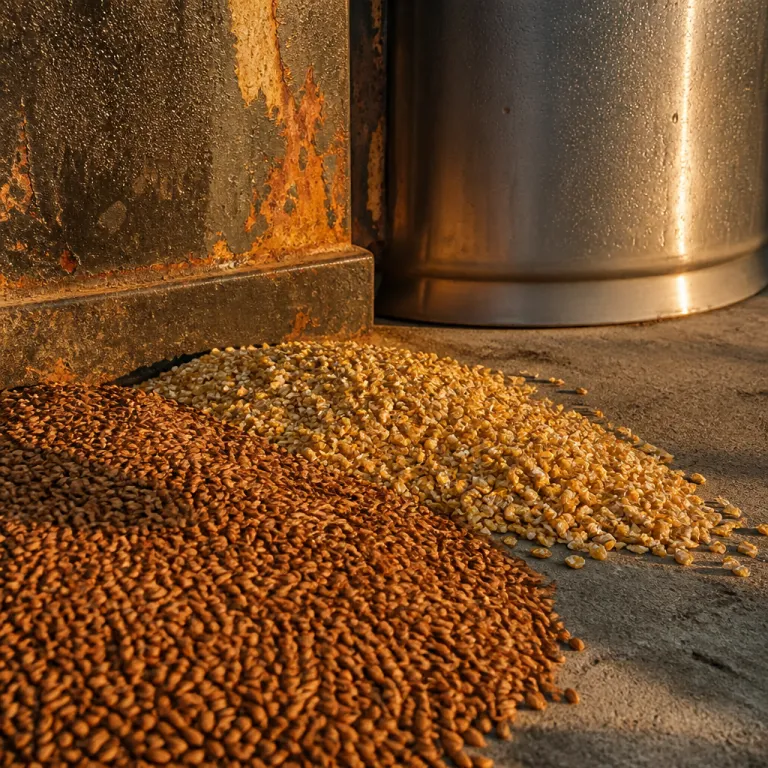
The most important distinction is the grain bill. While many lagers rely almost entirely on barley malt, Mexican lagers often include a noticeable portion of flaked corn (maize). This addition lightens the body, softens malt sweetness, and brings a gentle, tortilla-like grain note that you will not find in most European counterparts.
Hop character is another major difference. Classic German or Czech lagers showcase herbal, spicy hops with a firm bitterness. Mexican lagers, by contrast, tend to keep bitterness low and hop aroma subtle. The result is a beer that feels refreshing first, flavorful second, and rarely aggressive.
Color and strength also vary within the style. Pale Mexican lagers lean bright gold and highly drinkable, while amber versions nod back to Vienna roots with toasty, caramel-tinged malt. Even then, they usually stay lighter and more easygoing than many European amber lagers.
Finally, Mexican lagers are brewed with hot climates and social drinking in mind. High carbonation, a very clean fermentation profile, and a dry finish make them ideal for warm weather, food pairings, and long sessions. If you want to explore how this fits into the broader beer landscape, guides like a journey through the world of beer help show where Mexican lagers sit among global styles.
Put simply, Mexican lagers are built for refreshment, but they carry just enough malt depth and corn character to stand out from the crowd of standard lagers.
From mexico to the united states : how brands like corona and modelo shaped mx lager
How clear bottles, lime wedges and beach vibes changed everything
When Mexican lager first crossed the border into the United States, it arrived as more than just another pale beer. Brands like Corona and Modelo leaned hard into a lifestyle image : sun, sand, and easygoing refreshment. That visual identity – clear bottles, bright labels, and ice-filled buckets – helped turn a regional lager tradition into a global symbol of relaxation.
Corona’s clear bottle, once seen as a risk for light-struck beer, became a marketing advantage. The pale gold liquid was on full display, inviting drinkers to imagine themselves on a beach, even if they were actually in a city bar. The now-classic lime wedge ritual added a playful twist, reinforcing the idea that this was a beer meant for warm weather and good times.
Modelo took a slightly different path. With its more robust malt profile and richer flavor, it appealed to drinkers who wanted something a bit fuller than standard American light lagers, while still crisp and approachable. Its rise in U.S. bars and sports venues showed that Mexican lager could be both easy-drinking and characterful.
As these brands grew, they reshaped expectations of what a “Mexican beer” should be. U.S. drinkers began to associate Mexican lagers with social occasions, outdoor gatherings, and casual food pairings like tacos, grilled seafood, and spicy snacks. That emotional connection helped the style spread far beyond border regions.
Today, the influence of Corona and Modelo is visible in how many breweries worldwide market their own pale lagers with beach imagery and relaxed branding. Even beer-themed apparel, such as iconic beer label t-shirts, taps into that same blend of nostalgia, identity, and laid-back enjoyment that Mexican lager helped popularize.
How mx lager tastes : malt, corn and the feel of drinking mexican lager
First sip impressions
When you raise a glass of Mexican-style lager, the first thing you notice is how light and inviting it looks. Pale straw to light gold, with a bright, lively carbonation, it almost sparkles in the glass. The aroma is subtle : a gentle grainy sweetness from the malt, a hint of corn, and just a touch of floral or herbal hops. Nothing jumps out aggressively, which is exactly the point ; this style is built for easy drinking.
Malt sweetness and corn character
The flavor starts with a soft, clean malt backbone. Thanks to the Vienna and pilsner malt influences mentioned earlier, you get a delicate bread-crust or cracker note rather than heavy caramel. Corn (or other adjuncts) adds a light sweetness and a smooth, almost creamy edge to the body, without making the beer feel thick. Instead of tasting like corn on the cob, it shows up as a gentle, rounded sweetness that keeps the beer refreshing.
Bitterness, balance and finish
Hop bitterness in Mexican lagers is usually low to moderate. You will notice enough bitterness to keep the sweetness in check, but not enough to distract from the clean profile. The finish is crisp and dry, often with a faint grainy snap that makes you want another sip. That balance between mild sweetness, low bitterness and high carbonation is what makes these lagers so sessionable.
How it feels to drink mexican lager
On the palate, Mexican lagers are light to medium-light in body, with a smooth, highly carbonated mouthfeel. They feel cooling and thirst-quenching, especially when served cold. Many drinkers enjoy them with a wedge of lime and a salted rim, which adds a bright citrus pop and a touch of salinity, highlighting the beer’s crisp, clean character without overwhelming its subtle flavors.
How breweries brew mexican lagers and how to choose the best ones for you
How mexican lager is built in the brewhouse
Brewers start a mexican lager much like any other pale lager, but with a few twists. The grain bill usually combines pale malt with a portion of flaked maize or corn grits. This echoes the flavor profile you read about earlier : light grainy malt, gentle sweetness, and a very clean finish.
Mashing is typically done at moderate temperatures to keep the body light and the beer highly drinkable. After lautering and boiling, brewers add low to moderate amounts of hops, often noble or similar varieties, aiming for soft bitterness rather than bold aroma. The goal is balance, not hop showmanship.
The real magic comes during fermentation and conditioning. A clean lager yeast ferments cool, producing minimal fruity esters. Long, cold lagering then smooths out any rough edges, giving that crisp, refreshing character that defines the style.
What to look for when choosing a mexican lager
When you are standing in front of a crowded beer shelf, a few clues can help you pick the right mexican lager for your taste.
- Ingredients list : look for mentions of corn or maize if you enjoy that subtle sweetness and light body.
- Alcohol level : most examples sit in a moderate range, ideal for easy drinking sessions.
- Color and clarity : expect pale straw to light gold and good clarity, unless the label clearly says it is unfiltered.
- Brand style : some breweries lean more malty and Vienna-inspired, others are ultra-crisp beach beers. Labels and tasting notes often hint at this.
If you like gentle malt and a touch of corn sweetness, choose brands that emphasize “smooth” or “malty”. If you prefer ultra-dry refreshment, look for words like “crisp”, “light-bodied”, or “sessionable”.