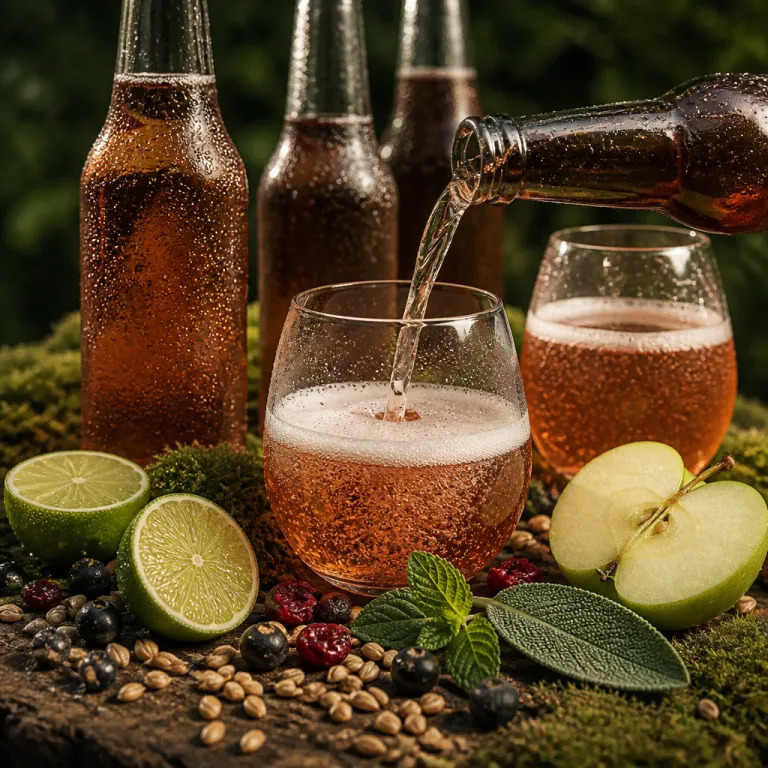
What a flavored malt drink really is
Understanding what is really in your glass
Flavored malt drinks sit in a curious space between beer, cocktails, and soft drinks. At their core, they start life much like a beer : a grain-based mash (usually barley malt, sometimes with adjuncts like corn or rice) is fermented with yeast to create an alcoholic base. This base is then filtered, often stripped of much of its color and flavor, and rebuilt with added aromas, sweeteners, fruit juices, or other flavorings.
That means the “malt” part refers to how the alcohol is produced, not necessarily how the drink tastes. Many flavored malt drinks barely resemble traditional beer in aroma or flavor. Instead, they aim for profiles closer to soda, fruit punch, lemonade, or mixed drinks, while still being brewed under a beer-like process.
Key traits that define a flavored malt drink
- Malt-based alcohol rather than distilled spirits or fermented grape juice.
- Heavy use of flavorings such as citrus, berries, tropical fruits, tea, coffee, or dessert-inspired notes.
- Often carbonated, with a texture similar to beer or soda.
- Wide sweetness range, from lightly sweet to almost candy-like.
Some products blur the line with fruit beers or radlers. A helpful way to think about it : if the drink’s identity is built more around added flavor than the underlying beer character, it probably belongs in the flavored malt drink camp. A grapefruit-focused option like this grapefruit beer style malt beverage shows how close these categories can get.
Understanding this base will make it easier to see how these drinks reshaped supermarket beer shelves and why they are treated differently from classic beer, wine, or spirits in terms of style, regulations, and tasting approach.
How flavored malt drinks changed the beer shelf
From dusty corner to prime shelf real estate
Not so long ago, flavored malt drinks were tucked away on the bottom shelf, treated as a quirky side category. As fruit-forward, tea-based, and coffee-inspired options improved in quality, retailers noticed something important : these cans and bottles were pulling in people who usually walked past the beer aisle.
Bright colors, clear flavor cues, and simple labels made them easy to understand at a glance. Instead of decoding hop varieties or obscure beer styles, shoppers could grab a “mango,” “hard lemonade,” or “vanilla latte” malt drink and know exactly what to expect. That clarity helped retailers reorganize shelves around drinking occasions rather than strict beer styles.
New shoppers, new drinking occasions
Flavored malt drinks opened the door for consumers who found traditional beer too bitter, heavy, or intimidating. They also appealed to mixed groups : the beer geek can still pick a double IPA, while friends who prefer sweeter or lighter options reach for a hard iced tea or hard coffee.
This shift encouraged stores to build “party” or “sharing” sections, where mixed packs of beer, flavored malt drinks, and snacks sit together. Curated boxes and gift sets, like a big night in craft beer and snacks hamper, fit perfectly into this new way of shopping the beer aisle.
Blurring the lines on the beer aisle
As flavored malt drinks gained space, they pushed breweries to rethink what “beer shelf” really means. Today, it is common to see classic lagers, hazy IPAs, pastry stouts, and hard coffees side by side. That visual mix prepares the ground for deeper questions about how these drinks differ from beer, wine, and spirits, and why they are all built on the same malt-based foundation.
From hard iced tea to hard coffee : famous flavored malt drink brands
From boozy lemonade to coffee in a can
Flavored malt drinks started out as simple twists on lemonade and fruit punch, but the category has exploded. Today you will find everything from hard iced tea to hard cold brew, all built on a fermented malt base rather than distilled spirits. This keeps them in the same broad family as beer, even if they taste more like your favorite café order or summer cooler.
Hard iced tea is often the gateway. Brands lean on familiar tea profiles – lemon, peach, raspberry – then layer in sweetness and a gentle malt backbone. The result feels like a picnic drink with a grown‑up kick. Hard lemonade and limeade play a similar role, using bright citrus and carbonation to hide most of the grain character.
Then come the coffee and latte‑style malt drinks. These borrow from the world of cold brew and dessert coffees, with notes of roasted beans, vanilla, caramel, or mocha. They are usually smoother and creamier, designed for slow sipping rather than fast refreshment. If you already enjoy rich stouts or nitro beers, you will recognise some of the same roasted and creamy cues you might find in a nitro stout pub‑style pour at home.
Beyond these headline styles, there are tropical blends, cocktail‑inspired options, and dessert‑like creations that blur the line between soda, pastry, and beer. As you explore the shelf, keep in mind how these drinks relate to the malt base and alcohol level you have already seen, and think about which flavours you enjoy in traditional beer – fruit, roast, spice, or sweetness – because the same preferences will guide your choices here.
Beer, wine, spirit or flavored malt drink : what is the real difference
Understanding what is really in your glass
Beer, wine, spirits and flavored malt drinks often sit side by side in the store, but they are not regulated or produced in the same way. The key difference lies in how the alcohol is created and what can legally be added afterward.
Beer is brewed from malted grains (usually barley), hops, water and yeast. The alcohol comes entirely from fermenting the sugars in the wort. Even when brewers add fruit or spices, the base remains a fermented grain beverage.
Wine is made by fermenting grape juice. No grains, no hops. Styles can range from crisp whites to rich reds, but the core identity is fermented fruit, not malt.
Spirits such as vodka, rum or whiskey are distilled. That means the fermented base (grain mash, molasses, fruit, etc.) is heated so alcohol can be separated and concentrated. The result is a much higher alcohol content and a very different legal category.
Flavored malt drinks start closer to beer. Producers ferment a malt base, then often filter and neutralize it so it tastes almost like nothing. After that, they rebuild flavor with added sweeteners, fruit flavors, tea or coffee extracts and sometimes carbonation. The goal is a clean, consistent canvas for bold flavors rather than a beer-like profile.
On the shelf, this means:
- They are usually taxed and labeled more like beer than spirits.
- They can mimic cocktails, wine coolers or sodas while still being malt-based.
- The alcohol level often sits between typical beer and light wine, depending on the brand.
When you taste them like a beer pro, it helps to remember you are judging a flavored, neutral malt base, not a traditional beer, wine or spirit. That mindset shift makes their style and structure much easier to understand.
How to taste flavored malt drinks like a beer pro
Set up your tasting like a beer flight
Flavored malt drinks may feel casual, but treat them like a proper beer flight if you want to really understand them. Chill them well, yet not ice-cold, so the aromas can open up. Use small, clear glasses and pour gently to check the color, clarity, and foam. Line up a few different styles – for example, a citrus hard seltzer–style FMD, a creamy hard coffee, and a fruit-forward cooler – and taste them side by side.
Look, swirl, and smell before you sip
Start with appearance. Is the drink bright and sparkling, hazy, or almost beer-like with a head of foam ? Note the color and bubbles. Then swirl lightly and take a slow sniff. You should pick up both the malt base and the added flavoring : tea, coffee, fruit, spices, or botanicals. If all you smell is candy sweetness or artificial aroma, that tells you something about the quality.
Train your palate on balance, not just flavor
When you taste, take a small sip and let it coat your tongue. Ask yourself :
- How sweet is it compared with the bitterness from hops or tea tannins ?
- Does the flavor match the label, or does it feel fake or one-dimensional ?
- Is the finish clean, or does it leave a sticky aftertaste ?
Think back to how these drinks are brewed from a malt base, then flavored and sometimes carbonated differently from classic beer. That production method explains why some feel closer to soda, while others drink more like a shandy or radler.
Compare with beer, wine, and spirits
To go deeper, taste a flavored malt drink next to a light lager, a fruity white wine, or a simple mixed drink. Notice body, sweetness, and alcohol warmth. This side-by-side approach quickly shows where each drink sits on the spectrum between beer, wine, spirit, and ready-to-drink cocktail – and helps you choose the right moment for each style.