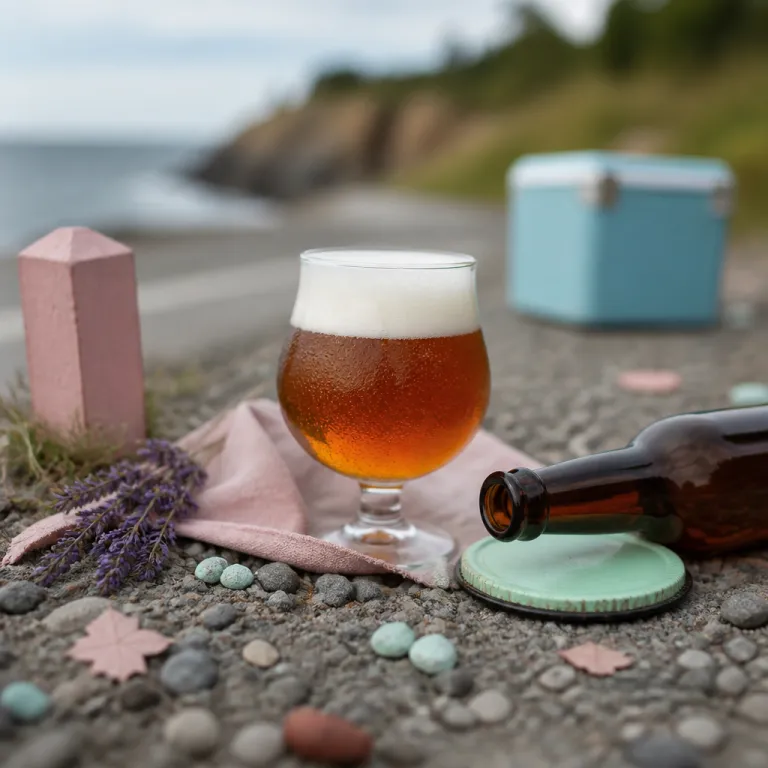

La Fin du Monde beer and the story behind its name
A name born from legend and geography
La Fin du Monde sounds dramatic, almost apocalyptic, yet its roots are firmly planted in Québec’s history. The name pays tribute to early European explorers who believed they had reached the very edge of the known world when they arrived in North America. For them, this wild, immense land truly felt like “the end of the world”.
When Unibroue launched this strong golden ale, they chose a name that would echo that sense of awe and remoteness. La Fin du Monde is not just a catchy label ; it is a nod to the courage, risk and wonder that shaped Québec’s identity. Each bottle is meant to evoke a journey to a faraway frontier, both physical and sensory.
Unibroue’s vision of a modern legend
From the beginning, Unibroue positioned La Fin du Monde as a flagship beer, a bold statement that Québec could stand alongside the great brewing traditions of Europe. The brewery drew inspiration from Belgian abbey ales and strong golden beers, but filtered that heritage through a distinctly North American lens.
This ambition connects La Fin du Monde to other iconic strong ales that have helped define the style. If you are curious about how such beers gained international recognition, reading about why Delirium Tremens stands out among strong golden ales offers useful context for understanding the niche La Fin du Monde occupies.
Later, when you look at how La Fin du Monde is brewed and why it resembles a Belgian tripel, or when you explore its tasting profile and how best to enjoy it at home, this origin story will keep resurfacing. The beer’s name is not just poetic ; it frames the entire experience as a journey to the edge of the map.
How La Fin du Monde beer is brewed and why it feels like a belgian tripel
From quebec kettles to a belgian-style profile
La Fin du Monde may be brewed in Québec, but its soul clearly looks toward the great strong ales of Belgium. Unibroue uses a carefully selected blend of malts to build a pale golden base with a touch of biscuit sweetness. This grain bill gives the beer its warming body without turning it into a heavy, syrupy sipper.
The real magic, however, comes from the yeast. A proprietary house strain, inspired by classic abbey fermentations, is responsible for the beer’s spicy, fruity character. During warm fermentation, it throws off notes of clove, pepper, and ripe stone fruit that you will later pick up in the glass. This expressive yeast is what makes La Fin du Monde feel so close to a traditional tripel, even though it is proudly Québécois.
Hopping is restrained and elegant. European-style hops provide gentle bitterness and subtle herbal, floral tones rather than aggressive citrus or resin. The goal is balance : enough bitterness to keep the sweetness in check, but never so much that it overshadows the yeast-driven complexity.
Another key element is bottle conditioning. After primary fermentation, the beer is refermented in the bottle with added yeast and sugar. This step naturally carbonates the beer, creating the lively, champagne-like bubbles that lift aromas and keep each sip refreshing despite the elevated alcohol content.
If you enjoy other strong blond ales with a Belgian accent, such as the iconic La Chouffe, you will recognize a similar approach to malt, yeast, and carbonation. For a deeper dive into that style, you can read about why La Chouffe blonde deserves a spot in your beer fridge and compare how each brewery interprets the same broad tradition.
Tasting La Fin du Monde beer : aroma, flavor and mouthfeel
First impressions on the nose
Pour La Fin du Monde into a tulip or goblet and the aroma rises immediately. A dense, rocky head traps a bouquet of spicy phenols and fruity esters. You will likely pick up notes of white pepper, clove and a touch of coriander, layered over ripe pear, banana and stone fruit. A gentle honeyed sweetness and a hint of fresh bread crust remind you of the complex malt base described earlier. As it warms, a light floral character and a whisper of herbal hop come forward, adding depth without turning it into a hop-driven ale.
Flavor profile and balance
The first sip is rich but not heavy. Sweet malt and candi sugar lead with flavors of honey, biscuit and a touch of vanilla. Quickly, the yeast character takes over : peppery spice, soft bubblegum and fruity notes that echo the aroma. The alcohol is present but well integrated, giving a warming sensation rather than a harsh burn. Bitterness is firm yet smooth, just enough to keep the sweetness in check. If you are used to intensely bitter styles like a classic West Coast IPA, you will notice how restrained and elegant the hop profile is here.
Mouthfeel, carbonation and serving tips
La Fin du Monde has a medium to full body with a creamy, almost silky texture. High carbonation lifts the sweetness, scrubbing the palate and keeping each sip lively. The finish is long, warming and slightly dry, inviting another taste. Serve it cool but not fridge-cold, so the aromatics can open up. A slow sipping pace lets the beer evolve in the glass, revealing more spice, fruit and subtle alcohol warmth with every minute.
Cans, bottles and how to enjoy La Fin du Monde beer at home
Formats that suit every mood
La Fin du Monde comes in several formats, and each one shapes the way you experience this bold Québec ale at home. Classic glass bottles remain the most iconic option. They highlight the beer’s golden hue and encourage you to pour into a tulip or chalice, which helps release the complex esters and spicy notes you read about earlier.
Cans, on the other hand, are perfect if you want to protect the beer from light and enjoy it in more casual settings. They chill faster, travel easily, and still pour beautifully into proper glassware. Larger bottle formats are ideal for sharing, especially when you want to turn a simple evening into a small tasting session with friends.
Serving temperature and glassware at home
To really let La Fin du Monde shine, avoid serving it straight from an over-chilled fridge. Aim for a cool, cellar-like temperature. Too cold, and you will mute the fruity and spicy character ; slightly warmer, and the aromas open up, echoing the Belgian-style profile described in the brewing section.
Use a tulip, goblet, or chalice-style glass. The rounded bowl concentrates the bouquet, while the flared rim guides the foam and aroma toward your nose. Pour gently, leaving a small amount of yeast sediment in the bottle if you prefer a clearer presentation, or swirl and add it for extra complexity and a softer mouthfeel.
Pairing and occasions at home
At home, La Fin du Monde works beautifully with cheese boards, roast chicken, or spicy dishes that match its warming strength. It can be a slow-sipping centerpiece for a quiet evening, or the star of a themed tasting night focused on strong golden ales and Québec’s brewing heritage.
Why La Fin du Monde beer matters for Québec and international beer culture
A flagship of Québec’s brewing renaissance
La Fin du Monde arrived at a time when Québec’s beer scene was shifting from mass‑market lagers to characterful craft ales. Its bold strength, complex fermentation profile and unapologetically Belgian inspiration showed local drinkers that a Québec brewery could stand shoulder to shoulder with the great European traditions while still expressing its own identity.
By embracing a style rarely seen on North American shelves back then, it helped open the door for other strong, yeast‑driven ales from the province. Many Québec brewers still cite it as a reference point when they design their own tripel‑like or abbey‑style beers.
An ambassador for North American Belgian‑style ales
Outside Québec, La Fin du Monde has long served as an introduction to Belgian‑inspired brewing for curious drinkers. Its distribution across Canada and the United States meant that people who had never tasted a true Belgian tripel could experience something very close in their local bar or bottle shop.
This role as a gateway beer matters. Once drinkers get used to its fruity esters, spicy phenols and warming alcohol, they are more likely to explore other Belgian styles, from dubbels and strong golden ales to saisons and farmhouse beers. In that sense, La Fin du Monde has helped broaden palates and encourage more adventurous beer choices.
A reference point in global beer culture
On the international stage, La Fin du Monde is often mentioned alongside classic Belgian tripels when people discuss benchmark examples of the style. Its consistent quality over decades has earned it a place in beer guides, tasting courses and judging panels as a standard for comparison.
For Québec, that recognition is significant. It proves that a beer rooted in local culture and brewed far from Europe can still become part of the global conversation about what great strong ales should taste like.