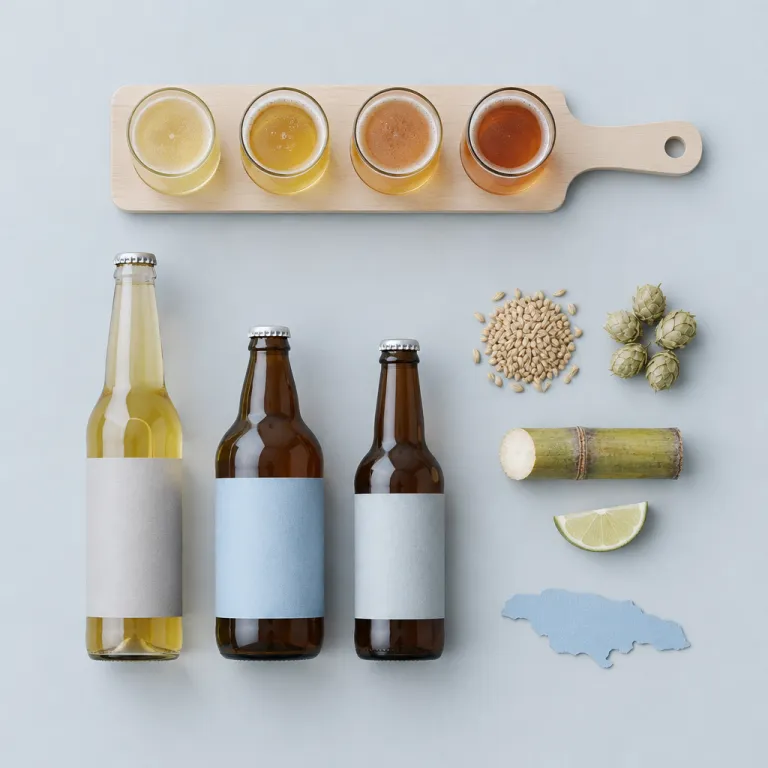
How red stripe turned jamaica into a national beer icon
From colonial imports to a homegrown lager
Before Jamaica had its own flagship beer, drinkers mostly relied on imported British ales and stouts. These beers did not always suit the island’s heat or local tastes. When a pale, crisp lager tailored to the tropical climate appeared, it felt like a natural fit. Red Stripe stepped into that gap, offering something lighter, colder, and easier to enjoy on a beach, at a street party, or with a plate of jerk chicken.
The brand’s squat brown bottle and bold label quickly became part of everyday life. It was not just another drink ; it was a symbol that Jamaica could brew a beer as recognizable as any European or American label. Over time, Red Stripe moved from being a local curiosity to a national emblem, poured at family gatherings, music events, and celebrations across the island.
How marketing and music shaped a national symbol
Red Stripe’s rise was not only about flavor. Smart marketing tied the beer to reggae, dancehall, and the relaxed, confident image of Jamaican culture. International ads and music videos helped cement the idea that if you were holding a Red Stripe, you were tasting a piece of the island’s spirit. This cultural positioning echoed how other lager traditions, such as the Mexican lager style, became ambassadors for their countries.
As tourism grew, visitors carried those impressions back home. For many, Red Stripe was their first Jamaican beer and often their first Caribbean beer. That strong identity later opened the door for smaller local breweries to experiment with new styles, knowing that the world already associated Jamaica with a proud, distinctive beer culture that would eventually expand far beyond a single iconic lager.
From macro brewery to jamaican craft : new beers on the island
From island lager to small-batch experimentation
For a long time, Jamaican beer meant one thing on tap almost everywhere : a light, crisp lager built for heat, beaches, and dancehall nights. As tourism grew and locals travelled more, tastes slowly shifted. Curious drinkers started asking for bolder flavours, darker colours, and new aromas. That is when small-batch brewing began to appear in Kingston, Montego Bay, and a few coastal towns, often tucked inside restaurants or music venues.
These new brewers still respect the easy-drinking island profile, but they play with it. You might find a pale ale with a touch of local grapefruit, a stout enriched with roasted coffee from the Blue Mountains, or a lager dry-hopped with tropical varieties that echo the island’s own fruit markets. Limited releases are common, and recipes change with the seasons and the availability of ingredients.
Local ingredients and Caribbean identity in the glass
What makes this new wave truly Jamaican is the way it leans into local agriculture and culture. Brewers experiment with sorrel, ginger, coconut, and even rum-barrel ageing. The goal is not to copy American or European craft trends, but to translate Jamaican flavours into beer form.
This mirrors what has happened elsewhere in Latin America and the Caribbean. A good example is how a Venezuelan lager brand evolved into a regional benchmark while keeping its local soul. Jamaican brewers are following a similar path, using their island’s identity as a strength rather than a limitation.
As you read about regional connections and international influences in other parts of this guide, keep this in mind : Jamaica’s craft scene is still young, but it is already proving that “island beer” can mean far more than one famous label.
Beer caribbean connections : jamaica, dominican republic, puerto rico and the virgin islands
Island-hopping beer routes in the caribbean
Once you start tasting Jamaican beer, it is natural to look across the water at what other islands are brewing. The Caribbean may be divided by sea, yet its beer culture is tightly connected through trade routes, tourism, and shared brewing traditions.
Jamaica’s pale lagers and emerging craft ales sit alongside the crisp, easy-drinking beers of the Dominican Republic and Puerto Rico. These countries built their reputations on light, refreshing styles designed for hot, humid climates and beachside drinking. When you move between islands, you notice subtle differences ; some lean more toward grainy, corn-accented lagers, while others showcase a slightly fuller malt body or a touch more hop bitterness.
The Virgin Islands add another layer, especially with small breweries that cater to cruise passengers and sailing communities. These operations often experiment with tropical fruits, local spices, and rum-barrel aging, ideas that Jamaican brewers are increasingly open to borrowing and adapting. Brewers talk to each other at festivals, collaborate on limited releases, and share equipment suppliers and yeast strains, creating a quiet but real regional network.
Economic realities also bind these islands together. Import costs, small domestic markets, and tourism-driven demand push breweries to be both efficient and creative. Stories of resilience from elsewhere in the region, such as how Polar beer became a symbol of Venezuelan pride and survival, resonate strongly with Caribbean producers facing their own logistical and political challenges.
For travelers, this means you can treat the Caribbean as one extended beer trail. Start with a familiar Jamaican lager, then compare it with a Dominican or Puerto Rican counterpart, and finish with a fruit-forward ale in the Virgin Islands ; you will taste a shared climate and history expressed in different, but related, glasses.
How the united states and clubhouse brewery culture influence jamaican beer
From taprooms to tasting rooms : a cultural bridge
When Jamaicans travel to the United States, they often encounter beer in a very different setting ; taprooms, brewpubs, and clubhouse-style breweries where the pint is only part of the experience. Returning home, they bring back expectations of rotating taps, seasonal releases, and community events built around beer. This has quietly nudged Jamaican bars and hotels to rethink how they present local lagers and emerging craft options, moving beyond the simple “cold beer in a bottle” approach.
Clubhouse vibes and social rituals
The American clubhouse brewery model – with trivia nights, live music, and brewery-run sports leagues – resonates strongly with Jamaica’s own love of music and social gathering. Some Kingston and Montego Bay venues now borrow these ideas ; hosting tap takeovers, pairing sessions with jerk and seafood, or small release parties for limited-batch brews. The beer itself matters, but the shared moment around the glass matters just as much.
Flavor trends crossing the water
US craft culture also shapes what Jamaican drinkers expect in the glass. Hoppy pale ales, fruited wheat beers, and lighter, crushable lagers echo what visitors may have tasted in Miami, New York, or Atlanta. Brewers on the island experiment cautiously, weaving in tropical fruits, local cane sugar, or coffee, while keeping the easy-drinking character that suits the climate and beach lifestyle described earlier in the article.
Tourists as unofficial beer ambassadors
American tourists arrive with their own beer habits ; asking for IPAs, hazy styles, or “something local on draft”. This gentle pressure encourages hotels, resorts, and bars to stock more Jamaican-made options and to highlight them on menus. In turn, local drinkers see their everyday beer presented with new pride, reinforcing the idea that Jamaican brewing can stand alongside the best clubhouse breweries abroad.
Tasting beers in jamaica : practical tips and emotional notes for visitors
Where to enjoy a cold beer on the island
In Jamaica, beer moments are as important as the beer itself. Beach bars in Montego Bay and Negril are perfect for an easygoing Red Stripe or a light lager from one of the newer local breweries. In Kingston, you will find more experimental taps in gastropubs and hotel bars, where Jamaican craft brewers quietly test pale ales, stouts, and seasonal specials.
Resorts often stock a predictable lineup, but do not hesitate to ask the bartender for anything “local” or “from a small brewery”. Many staff members are proud of the island’s evolving beer scene and will happily point you toward something beyond the classic macro options.
Pairing beer with Jamaican flavors
Jamaican food is bold, spicy, and deeply aromatic, which makes it a great playground for beer pairing. A crisp lager cuts through the heat of jerk chicken or pork, while a slightly maltier amber or red ale works beautifully with patties and stewed oxtail. If you find a local stout, try it with chocolate desserts, rum cake, or even a late-night plate of festival and fried fish.
When in doubt, match intensity ; light beers with grilled seafood and salads, fuller beers with rich stews and smoky jerk.
Emotional notes for your beer memories
Part of the pleasure of drinking beer in Jamaica is the setting. The same lager tastes different when you are watching the sunset in Negril, listening to reggae drift from a nearby sound system, or sharing a bucket of cold bottles with new friends at a roadside bar.
Take a moment to notice the details ; the condensation on the bottle, the mix of sea breeze and charcoal smoke, the rhythm of conversation around you. These small impressions will stay with you long after you leave, turning a simple island beer into a lasting memory.