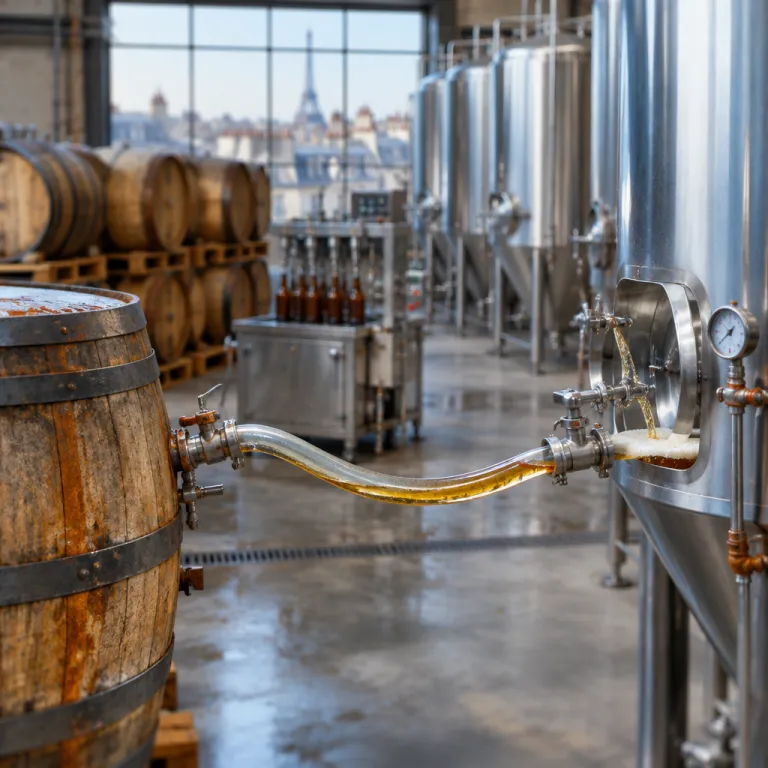

Why french beer is not just “wine country’s afterthought”
France beyond the wine glass
When people think of France, they picture vineyards, corks, and cellars. Beer often feels like an afterthought, something you order when you do not feel like wine. Yet that image is badly outdated. France has a long, regional beer culture, especially in the north and along the Belgian border, and it is now one of Europe’s most dynamic brewing scenes.
Part of the confusion comes from expectations. Travelers arrive ready for Bordeaux and Burgundy, not for a rustic bière de garde from a farmhouse brewery or a crisp pale ale poured in a Paris bar. But once you start tasting, you realize French beer has its own identity : it is not trying to imitate Belgian abbey ales or German lagers, even if it borrows techniques from both.
How beer fits into french drinking culture
In everyday life, beer in France plays a different role than wine. Wine is for the table, for long meals and special bottles. Beer is for cafés, terraces, and casual gatherings. That is changing, though. Modern brewers are pushing beer into the world of gastronomy, pairing saisons with cheese, amber ales with stews, and pale ales with seafood. You will see how this plays out when we look at tasting habits and food pairings.
France is also part of a wider story of lager and ale traditions evolving over time. Just as the history of Mexican lager shows how styles travel and adapt, French brewers have taken influences from neighbors and turned them into something distinctly local.
From the malt-forward beers of the north to the experimental brews of Paris, French beer is no longer a footnote to wine culture ; it is a parallel universe worth exploring on its own terms.
Bière de garde and the taste of northern france farms
From farmhouse cellars to today’s tasting rooms
To understand French beer, you need to start in the barns and cool cellars of northern farms. Bière de garde – literally “beer for keeping” – was brewed when the weather was cool enough, then stored for the warmer months. It was a practical way to preserve grain and provide safe refreshment for farm workers.
These were not flashy beers. They were rustic, malt-forward and nourishing, often brewed on a small scale for family and local workers. Each farm had its own habits : different grains, house yeasts, fermentation temperatures. That is why traditional bière de garde is less a single recipe and more a family of beers shaped by local conditions.
What bière de garde tastes like
Classic versions lean toward a rich, toasty malt profile with notes of bread crust, caramel and sometimes a gentle honeyed sweetness. Bitterness is usually moderate, just enough to balance the malt. Alcohol is often a bit higher than everyday table beers, giving a warming finish without feeling heavy.
You will find three broad color families :
- Blonde – golden, dry and lightly spicy
- Ambrée – copper, with deeper caramel and biscuit notes
- Brune – darker, with hints of cocoa, dried fruit or toasted bread
A quiet cousin of other European traditions
Bière de garde shares a similar “farmhouse” spirit with Belgian saisons, yet it is typically rounder, maltier and less peppery. Like other regional lagers and ales that grew from European brewing migrations – think of how the Mexican lager style evolved from Vienna roots – it reflects both local agriculture and practical needs.
When you taste modern French beers in Lille, Paris or beyond, you are still sipping echoes of those northern farm cellars, even if the setting is now a sleek taproom instead of a hay-filled barn.
From kronenbourg to paris microbreweries : how french beers changed
From mass-market lagers to characterful french pints
For many people abroad, French beer still means a cold, pale lager with a familiar red logo. Industrial brands like Kronenbourg and 1664 shaped the country’s image as a land of simple, thirst-quenching brews served in cafés and motorway service stations. These beers followed the same logic as other European macro-lagers : light, clean, easy to drink, and brewed on a huge scale.
Behind the scenes, though, France never completely lost its regional brewing soul. While farmhouse traditions in the north quietly persisted, a new generation of drinkers began travelling, tasting Belgian ales, British bitters, American IPAs and German lagers. They came home with a question : why shouldn’t French beer express as much character as French wine or cheese ?
The answer arrived in the form of microbrasseries. At first, they were scattered experiments in provincial towns and student neighbourhoods. Then Paris caught the bug. Small breweries started popping up along the Canal Saint-Martin, in former workshops in the 11th arrondissement, and in suburban warehouses. They brewed hoppy pale ales, saisons inspired by northern farms, dark stouts and barrel-aged specialties.
This shift mirrors what happened in other countries where industrial giants once dominated. If you are curious about how historic breweries can reinvent themselves while keeping a sense of place, a piece on the evolution of a traditional brewery into a modern beer landmark offers a useful parallel.
Today, ordering a beer in France might mean a crisp pilsner, a rustic bière de garde echoing farm life, or a hazy IPA brewed a few metro stops from the Louvre. The old café lager is still there, but it now shares the bar with a vibrant, creative wave of French craft.
How to taste french beer like a local and pair it with food
Reading a french beer like a local
French drinkers rarely rush. Before the first sip, they look, swirl and smell. Hold your glass to the light : bière de garde should show deep amber or copper tones, while a Paris pale ale leans golden and hazy. A fine, persistent foam is a good sign ; in France, lacing on the glass is often seen as proof of quality.
Bring the glass to your nose and take short sniffs. Traditional farmhouse beers tend to offer notes of baked bread, dried fruit and gentle spice. New‑wave breweries around Paris highlight citrusy, floral or resinous hops. Locals talk about équilibre – balance – rather than intensity, so you are looking for harmony between malt sweetness, hop bitterness and yeast character.
Serving temperatures and glassware
Most French beers are served slightly warmer than industrial lagers. Aim for cellar temperature for amber and strong styles, and a touch cooler for pale ales and lagers. Avoid frosted glasses ; they mute aromas that brewers work hard to create.
In cafés, you will often get a simple tulip or stemmed glass. At breweries in the north, chalice‑style glasses are common for stronger farmhouse ales, helping to concentrate aromas and keep your hand from warming the beer too quickly.
Food pairings that feel naturally french
Think regionally. A malty bière de garde with roasted chicken, rabbit in mustard sauce or a slice of maroilles cheese feels completely at home. Lighter blondes match well with seafood platters, mussels, or a simple goat cheese salad.
Modern Paris IPAs and pale ales shine with burgers, charcuterie boards, or spicy dishes from the city’s diverse food scene. For dessert, try a darker farmhouse beer with apple tart or crème brûlée ; the caramelised notes echo each other beautifully.
Planning a beer day in france : regions, breweries and practical info
Choosing your beer basecamp
Start by picking a city that matches your beer mood. Lille is perfect if you are curious about farmhouse ales and traditional bière de garde, while Paris suits those who want modern taprooms, experimental styles and easy public transport between breweries. Strasbourg and Colmar are ideal if you like a mix of German-influenced lagers and picturesque old towns.
Regions that should be on your radar
- Hauts-de-France (Lille, Flanders) – Classic bières de garde, rustic breweries, and plenty of food pairings with local cheeses and hearty dishes.
- Alsace – Historic brewing culture, half-timbered villages and crisp lagers that echo the region’s borderland identity.
- Paris and Île-de-France – A dense cluster of microbreweries, brewpubs and beer bars pouring everything from hazy IPAs to barrel-aged specialties.
Building a one-day itinerary
Plan no more than three brewery stops in a day. Begin with a late-morning visit to a brewery that offers tours, so you can connect what you learned about history and styles to real equipment and brewing practices. After lunch, head to a taproom focused on local styles, then finish in a relaxed beer bar where you can order small pours and compare different regions.
Practical tips for a smooth beer day
- Transport – Use trains and trams whenever possible ; many breweries are close to stations or tram stops.
- Reservations – Smaller breweries may require booking for tours or tastings, especially on weekends.
- Timing – Avoid arriving right at opening ; mid-afternoon is usually quieter and better for talking with staff.
- Local etiquette – Order smaller glasses first, chat with the bartender, and do not hesitate to ask for recommendations on food pairings and nearby stops.