Fat Tire alcohol percent explained in plain language
What the alcohol number on fat tire really tells you
When you pick up a Fat Tire, you will see a small number on the label that reads around 5.2 % ABV. ABV stands for alcohol by volume. In plain terms, it means a bit more than five percent of the liquid in your glass is pure alcohol.
For most drinkers, that places Fat Tire in the “moderate” range. It is stronger than many light lagers, but gentler than a lot of IPAs or imperial styles. You can think of it as a classic everyday beer strength : enough alcohol to feel, but not so much that a single pint feels heavy or overwhelming.
This alcohol level also helps define Fat Tire as an approachable amber ale. It sits in a similar space to other easygoing red and amber beers, like the balanced character of Killian’s Red Lager. These beers aim for flavor and drinkability rather than chasing high alcohol.
Why abv matters for your glass
Knowing the Fat Tire alcohol percent helps you plan your drinking session. A 5.2 % beer is well suited to having a couple of pints over a meal or a long conversation. It is also a useful reference point when you start comparing it with stronger craft options, or with wine and spirits later in the article.
That ABV does more than set the buzz level. It shapes how full the beer feels, how sweet or dry it tastes, and how the malt and hop flavors come across in each sip. The next part of this guide will walk through how that moderate alcohol content influences Fat Tire’s flavor, body and overall drinking experience.
How Fat Tire ABV shapes flavor, body and drinking experience
How a moderate ABV shapes Fat Tire’s character
Fat Tire sits in a comfortable middle ground for alcohol content, and that balance is exactly what shapes its flavor and body. With enough strength to carry rich malt notes, but not so much that it feels heavy or boozy, the beer leans into a smooth, approachable profile. You get gentle caramel, toasted bread, and a light nuttiness, all supported by a clean, medium body that feels satisfying without weighing you down.
This moderate ABV also keeps the hop bitterness in check. Instead of sharp or aggressive edges, the hops add a subtle herbal and earthy counterpoint to the malt sweetness. The result is a rounded, easy-drinking amber ale that feels familiar even to newer craft beer drinkers, while still offering enough depth for seasoned fans.
Alcohol, mouthfeel, and how many pints feel right
Because the alcohol level is well balanced, Fat Tire has a smooth mouthfeel with a gentle warmth rather than a strong burn. Carbonation is lively but not prickly, helping lift the malt flavors and keep each sip refreshing. This makes it a beer you can enjoy over a full evening, whether you are pairing it with food or just having a relaxed pint at the bar.
If you are curious how this compares to other amber ales, looking at traditional examples such as classic red ale styles can be helpful. Many share a similar ABV range, but Fat Tire’s particular balance of malt richness and drinkability helped it stand out and become a reference point for American amber beer, setting the stage for the story of how it grew from a Belgian-inspired idea into a Colorado staple.
From Belgium bike ride to Colorado icon : how Fat Tire changed American amber beer
From farmhouse inspiration to colorado brewhouse
Fat Tire’s story starts with a bike ride through Belgium, where traditional amber ales were full of malt flavor yet easy to drink. That balance of moderate alcohol, gentle sweetness, and subtle bitterness became the blueprint. When New Belgium’s founders came back to Colorado, they set out to brew an American amber that captured that character while fitting local tastes and drinking habits.
The result was a beer with a steady, approachable alcohol level that felt right at home after a hike, a ski day, or a backyard barbecue. It was flavorful enough for beer geeks, but not so strong that it scared off casual drinkers. That sweet spot helped Fat Tire stand out in a market still dominated by light lagers.
How a balanced abv helped shape a new amber style
As craft beer grew, many breweries chased extremes : higher bitterness, bigger malt, and stronger alcohol. Fat Tire stayed focused on drinkability. Its measured ABV kept it from drifting into the territory of strong ales or high-octane imperial IPA styles, and that restraint became part of its identity.
Bars and restaurants loved having a reliable amber on tap that regulars could enjoy pint after pint without feeling overwhelmed. Homebrewers tried to clone it, and other breweries launched their own ambers, often using a similar alcohol range as a benchmark for balance.
Over time, Fat Tire helped define what many drinkers think of when they hear “American amber ale” : toasty malt, gentle hops, and an alcohol percent that supports flavor rather than dominating it. That combination turned a Belgian-inspired idea into a Colorado classic and a gateway beer for countless new craft fans.
Fat Tire, certified carbon neutral beer and what that means for drinkers
What carbon neutral really means for your pint
When a beer like Fat Tire is labeled carbon neutral, it means the brewery has calculated the greenhouse gases created from grain to glass, then reduced and balanced those emissions so the net impact is effectively zero. It is not about changing the alcohol percent ; it is about changing how that alcohol gets into your glass.
New Belgium, the brewery behind Fat Tire, tackles this in two main ways. First, they work to cut emissions at the source : energy-efficient brewhouses, renewable electricity, smarter refrigeration, and careful water use. Second, they offset the remaining footprint by supporting verified climate projects that pull carbon out of the atmosphere or prevent new emissions.
How this connects to ingredients and brewing
The same attention to detail that shapes Fat Tire’s balanced amber profile also shows up in its sustainability choices. Sourcing malt and hops from growers using better soil and water practices, optimizing transport routes, and dialing in fermentation efficiency all help keep the beer’s environmental cost in check while preserving the familiar flavor and body you expect from its ABV.
For drinkers, this means you can focus on the caramel malt notes, gentle bitterness, and easygoing strength, knowing the brewery is working behind the scenes to shrink the beer’s climate impact.
Why carbon neutral matters when you choose a beer
Choosing a carbon neutral beer does not turn your pint into a health drink, but it does shift what your purchase supports. Each time you order Fat Tire, you are backing a model where classic amber character and modern climate responsibility share the same glass. For many beer fans, that makes the familiar alcohol percent feel a little more satisfying, because the beer is pulling less weight from the planet while still delivering the same reliable drinking experience.
How Fat Tire compares with other drinks : beer, wine and spirits
Putting Fat Tire’s ABV next to other drinks
Fat Tire’s alcohol percent sits in the middle of the beer world, which makes it a useful benchmark when you are choosing what to pour.
Fat Tire versus other beers
Most classic lagers and pilsners land around a similar ABV, sometimes a touch lower. That means Fat Tire will usually feel a bit fuller and more flavorful than a light lager, but not as boozy as many IPAs or imperial styles. Modern IPAs often climb well above this range, so a pint of those can quietly equal more than one Fat Tire in terms of alcohol load.
How it stacks up against wine
Wine typically ranges from about twice to nearly three times the alcohol percent of Fat Tire. A standard glass of wine can therefore deliver a similar or higher alcohol intake than a full pint of this amber ale. If you swap a glass of wine for a glass of Fat Tire, you are usually stepping down in strength while still getting a complex flavor experience.
Comparing Fat Tire with spirits
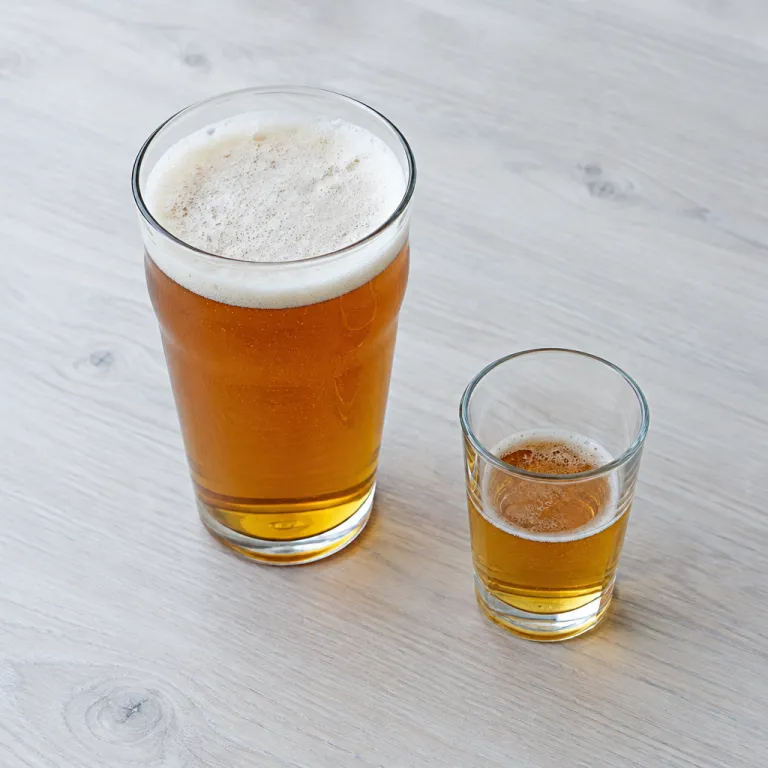
Spirits such as whiskey, gin, rum, or vodka are far stronger, often ten times the ABV of Fat Tire or more. A single shot can rival or exceed the alcohol in a whole bottle of beer. That is why sipping Fat Tire over an evening tends to encourage a slower, more measured pace than cocktails built on hard liquor.
What this means for your drinking choices
Knowing where Fat Tire sits on the ABV spectrum helps you plan your night. It offers more character than many low-strength options, without the punch of high-gravity beers, wine, or spirits, making it a balanced choice when you want flavor, sessionability, and control over your intake.