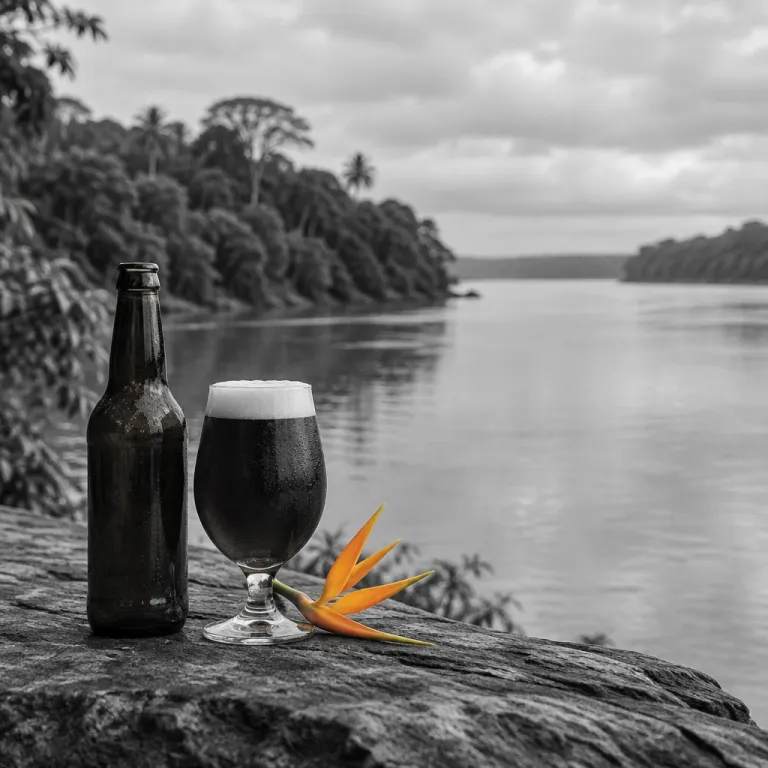

Xingu black beer story from brazilian roots to global brand
From amazonian inspiration to a modern brazilian classic
Xingu black beer was born from a fascination with the Amazon region and its traditional dark brews. Early explorers and beer enthusiasts were intrigued by stories of indigenous fermented drinks made from local ingredients, often described as rich, dark, and nourishing. While Xingu itself is a modern lager rather than a historical recreation, its identity is closely tied to this imagery of deep rivers, dense forests, and earthy flavors.
When Brazilian brewers set out to create Xingu, they wanted a beer that felt rooted in the country’s culture yet approachable for a wide audience. Instead of copying European porters or stouts, they crafted a dark lager that would be smooth, lightly roasted, and easy to drink even in warm climates. This balance between character and drinkability is still what sets Xingu apart today, and it is a key point when comparing it with other international styles such as light-bodied rice lagers.
How xingu grew from local curiosity to worldwide label
At first, Xingu black beer was something of a curiosity : a dark Brazilian lager in a market dominated by pale, crisp beers. Its smooth profile and striking appearance, however, quickly attracted attention from travelers, importers, and beer bars looking for something different. Word of mouth and specialty beer lists helped Xingu move beyond Brazil’s borders and onto international shelves.
As global drinkers became more open to flavorful yet approachable beers, Xingu found its niche. Today it is often a gateway dark beer for people who usually avoid roasty styles. This background is essential for understanding its flavor profile, how it is brewed, and why it pairs so well with food in the next parts of this guide.
How xingu black lager tastes and why it feels so well balanced
First impressions in the glass
Pouring Xingu black beer into a glass is the first hint that this is not a heavy stout. The color is deep brown to black with ruby highlights at the edges, topped by a creamy beige head. Swirl the glass and you will notice a smooth, almost silky appearance rather than a thick, opaque body.
Aroma : gentle roast, no harshness
On the nose, Xingu leans into soft roasted malt rather than aggressive coffee or burnt notes. Expect subtle cocoa, a touch of toasted bread, and a faint molasses sweetness. Hop aroma stays in the background, adding just enough herbal and earthy character to keep the beer from smelling sugary.
Flavor profile and balance
The first sip often surprises people who expect a heavy dark beer. Xingu is light to medium in body, with a smooth, rounded mouthfeel. Flavors of mild chocolate, roasted grain, and caramel come through, but they are never overwhelming. Bitterness is low to moderate, just enough to balance the malt sweetness and keep the finish clean.
This balance is what makes Xingu so approachable. The roasted character gives depth, while the restrained bitterness and lighter body make it easy to drink more than one glass without palate fatigue.
Why it feels so easy to drink
Xingu’s drinkability comes from its lager fermentation, careful use of dark malts, and relatively modest alcohol level. It behaves like a crisp lager wrapped in the flavors of a gentle porter. That combination makes it a great entry point for drinkers who are curious about darker beers but wary of intense bitterness or heavy textures. If you enjoy lighter lagers or even modern rice lager styles, Xingu can feel like a natural, flavorful step into the dark side of beer.
Brewing style, ingredients and how xingu fits among brazilian beers
How this dark lager is brewed
Xingu black beer is technically a schwarzbier-style dark lager, but with a Brazilian twist. It is bottom-fermented with a clean lager yeast, which means a cool, slow fermentation and extended cold conditioning. This process keeps the profile smooth and crisp, even though the beer looks almost opaque in the glass.
The grist usually leans on pale malt as a base, with a careful blend of roasted and caramel malts for color and flavor. The roasted malts bring notes of cocoa and light coffee, while the caramel malts add gentle sweetness and body. The key is restraint : enough roast to give depth, not so much that it turns ashy or bitter.
Hopping is deliberately moderate. Noble or noble-style hops provide a soft bitterness and a faint herbal edge, but they never dominate. This keeps the focus on the malt character and the silky mouthfeel you notice when tasting it slowly at home.
Where xingu sits among brazilian beers
In Brazil, mainstream lagers tend to be pale, highly carbonated, and very light in flavor. Xingu stands out by offering a dark color and richer malt profile while staying approachable for casual drinkers. It bridges the gap between everyday macro lagers and heavier craft stouts or porters.
This makes Xingu a useful reference point when talking about modern drinking habits and the rise of balanced beer choices for mindful drinkers. It shows that a beer can be flavorful, visually striking, and still easygoing enough for relaxed sessions, barbecues, or pairing with Brazilian dishes without overwhelming the food or the occasion.
Tasting xingu black beer at home, food pairings and personal serving tips
Setting the scene for your xingu moment
Start by chilling your bottles or cans to around 6–8 °C. Too cold, and the subtle molasses and nutty notes hide ; too warm, and the finish can feel a bit heavy. Take Xingu out of the fridge 5–10 minutes before pouring to let the aromas open up.
Choose a glass with a slight tulip or nonic pint shape. The gentle inward curve helps concentrate the roasted and caramel notes you read about earlier, while still keeping that easygoing lager feel. Rinse the glass with cold water and shake out the excess to help the head form smoothly.
Pouring and tasting like a pro
Pour slowly down the side of the glass, then straighten the glass halfway through to build a creamy, tan head of about two fingers. Take a moment to look at the deep, almost opaque color before you sip.
On the first taste, focus on the texture. You should feel a silky, medium body with gentle carbonation. Let it sit on your tongue for a second ; notice how the roasted malt, light chocolate, and dark sugar tones stay balanced by that clean lager finish.
Food pairings that flatter xingu
Xingu’s smooth profile makes it flexible at the table :
- Grilled meats and barbecue – the roasted malts echo charred edges without overwhelming spice rubs.
- Brazilian dishes – feijoada, picanha, or pão de queijo work beautifully with its gentle sweetness.
- Comfort food – burgers, chili, or pulled pork benefit from the beer’s soft bitterness.
- Desserts – try with chocolate cake, flan, or caramel-based sweets for a smooth, matching finish.
Serving tips for different occasions
For a relaxed evening, one or two bottles in proper glassware are enough to appreciate the nuances. At a party, keep Xingu slightly colder and serve in smaller pours so guests can enjoy its dark look and easy drinkability without feeling weighed down. If you are pairing with a full meal, plan one bottle per course and keep a glass of water nearby to reset your palate between sips.
How to order xingu black beer, shipping tips and what to check before you click
Where to find xingu online and in shops
Xingu black beer is not as ubiquitous as mainstream lagers, so it pays to check a few different sources. Start with reputable online beer retailers and larger supermarket chains that list their stock in real time. Many will flag whether Xingu is part of their regular range or a rotating import, which helps you avoid out‑of‑stock frustration.
Local bottle shops with a strong import or craft selection are also worth a call. Staff who care about dark lagers and Brazilian brands often keep Xingu on hand or can add it to their next order if you ask.
What to check before you click “buy”
- Freshness and best‑before date – Xingu is a dark lager, so it is more forgiving than a hop‑bomb IPA, but you still want a best‑before date comfortably in the future. If the site shows packaging or best‑before dates, aim for the freshest batch.
- Storage conditions – Look for retailers who mention cold storage or at least “store in a cool, dark place”. Good handling keeps the smooth roast and gentle sweetness you read about earlier.
- Packaging type – Bottles are traditional for Xingu, but cans protect better from light. If you plan to keep a small stash at home for food pairings, cans can be a smart choice.
- Shipping costs and breakage policy – Dark lagers travel well, but glass does not. Check for sturdy packaging, breakage guarantees, and whether shipping costs make sense compared with buying locally.
- Minimum order and mixed cases – If you are still exploring Brazilian beers, see whether the shop offers mixed cases. That way you can compare Xingu with other styles without over‑committing to a full case.
Taking a minute to review these details helps ensure the Xingu that arrives at your door tastes as balanced and smooth as it should.