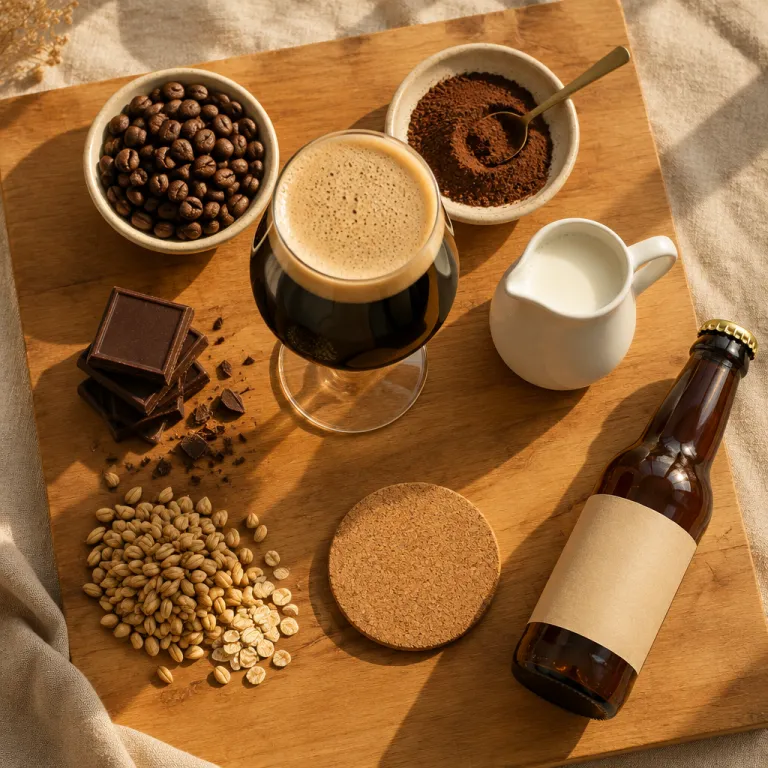

Left Hand Milk Stout, a sweet stout that changed how people think about dark beer
How a creamy stout won over pale ale drinkers
Left Hand Milk Stout is one of those rare beers that makes people rethink what a dark pint can be. Instead of harsh bitterness or heavy roast, it leans into silkiness, gentle sweetness and soft roast notes. For many drinkers used to pale ales and lagers, this stout has been a first, friendly step into the world of darker beers.
Part of its impact comes from balance. The beer is undeniably rich, with chocolate, caramel and coffee tones, yet it avoids feeling cloying or boozy. The lactose (milk sugar) adds body and sweetness, but the roasted malts and a touch of hop bitterness keep everything in check. That harmony has helped it become a gateway stout in taprooms and bottle shops around the world.
Left Hand’s approach also challenged the idea that stouts must be aggressive or intimidating. Side by side with a classic dry Irish stout such as Guinness Draught iconic stout, Milk Stout shows how creaminess and sweetness can highlight, rather than hide, roasted character. It opened the door for a whole wave of sweet and dessert-inspired stouts that followed.
As you will see when we look more closely at its flavours, pouring technique and the role of lactose in brewing, Left Hand Milk Stout sits at a crossroads between tradition and modern craft experimentation. It respects the roots of stout while offering a smoother, more approachable profile that appeals to both seasoned beer fans and newcomers who might usually avoid anything dark in their glass.
How Left Hand Milk Stout tastes, from milk chocolate to roasted coffee
Left Hand Milk Stout is often described as liquid dessert, but there is more nuance in the glass than just sweetness. From the first sip, the texture stands out : the body is medium to full, with a silky, almost whipped-cream smoothness that comes from both the lactose and the nitro-style carbonation. It feels plush on the tongue without turning heavy or cloying.
Chocolate first, then gentle roast
The flavor opens with milk chocolate and cocoa powder notes, supported by a soft caramel malt backbone. Think chocolate milk with a grown-up twist. As it warms, subtle layers of toffee and light brown sugar appear, adding depth without pushing the sweetness over the top.
Roasted barley and darker malts bring in a gentle coffee character. It is more like a mellow café latte than a sharp espresso : rounded, smooth, and free of harsh burnt edges. This balance between chocolate and roast is what makes the beer so approachable for drinkers who usually shy away from dark styles.
Sweetness, bitterness and a clean finish
Lactose provides residual sweetness, but the beer is not syrupy. A modest hop bitterness and the roasted malts keep the sweetness in check, giving a soft, bittersweet finish. The aftertaste lingers with cocoa, light coffee, and a hint of cream, inviting slow, contemplative sipping.
The aroma mirrors the flavor profile : chocolate, coffee, and a touch of vanilla-like creaminess rise from the glass, especially as the beer warms slightly. Compared with drier stouts or stronger export versions, like those that inspired many modern interpretations and even classic foreign extra stout icons, Left Hand Milk Stout leans firmly into comfort and smoothness, making it a benchmark for sweet stout character.
How to pour and drink Left Hand Milk Stout for the best experience
Serving temperature and glassware for left hand milk stout
Left Hand Milk Stout shines when it is slightly cooler than cellar temperature, not ice cold. Aim for around fridge-cold, then let the glass sit a few minutes. This softens the carbonation and lets the milk chocolate and roasted coffee notes open up, echoing the flavors you read about earlier.
Use a tulip, nonic pint, or snifter. These shapes trap the creamy aroma and support a thick head. Rinse the glass with cold water (no soap residue) before pouring to help the foam form evenly.
How to pour for a creamy head
Start with the bottle or can at a slight angle and the glass tilted about 45 degrees. Pour steadily down the side until the glass is half full. Then straighten the glass and pour directly into the center, allowing a dense, tan head to build. You want about one to two fingers of foam ; it carries much of the chocolate, caramel, and coffee aroma.
If you enjoy nitro stouts, you can pour more aggressively to mimic that cascading effect, but keep control so you do not lose too much carbonation.
Tasting steps and food pairing ideas
Before sipping, swirl gently and take a deep sniff. Notice the sweet cream, cocoa, and roasted malt. Take a small sip, hold it briefly, and focus on the silky body and subtle lactose sweetness. Then a larger sip will reveal how the roast bitterness balances the sweetness, just as in other easy-drinking yet flavorful beers like Michelob Golden Light.
Pair Left Hand Milk Stout with chocolate desserts, vanilla ice cream, or rich stews. Sipping slowly lets the beer warm slightly, bringing out layers of cocoa, coffee, and gentle caramel with each taste.
Why milk stout and lactose matter in beer history and tasting
From “milk stout” to modern lactose beers
When people talk about milk stout, they are really talking about the role of lactose in beer. Lactose is milk sugar that standard brewer’s yeast cannot fully ferment. Instead of turning into alcohol and carbon dioxide, much of it stays in the beer, adding body and gentle sweetness. That is the quiet magic behind Left Hand Milk Stout’s creamy, dessert-like profile.
Historically, British brewers promoted milk stouts as nourishing, even restorative. They were marketed to workers and nursing mothers as a kind of liquid pick-me-up. Those health claims would not fly today, but they show how closely sweetness, comfort and dark beer were linked in drinkers’ minds. Left Hand’s version taps into that heritage while polishing it for a modern palate.
Why lactose changes the way you taste stout
Lactose does more than sweeten. It softens roasted barley bitterness, rounds out sharp edges and makes flavors like cocoa, caramel and coffee feel smoother on the tongue. That is why the milk chocolate notes and roasted coffee character you taste here feel so balanced rather than harsh or ashy.
The unfermentable sugars also boost the beer’s texture. That silky, almost velvety mouthfeel you notice when sipping slowly is a direct result of lactose working alongside the dark malts. It turns what could be a heavy, punishing stout into something plush and approachable.
In today’s beer world, lactose has become a tool for all kinds of styles, from pastry stouts to hazy IPAs. Left Hand Milk Stout sits at the crossroads of tradition and trend : it respects the classic British sweet stout idea, yet shows how carefully used lactose can highlight chocolate and coffee flavors without turning the beer into a sugar bomb.
Awards, reputation and how Left Hand Milk Stout fits into modern beer culture
From cult favorite to modern classic
Left Hand Milk Stout has quietly moved from local favorite to a benchmark sweet stout. It shows up regularly in blind tastings, where judges praise its balance of sweetness, roast and drinkability. While it may not always grab the flashiest headlines, it consistently earns medals and high scores from beer competitions and rating sites, which has helped cement its reputation among both casual drinkers and serious stout fans.
That steady recognition matters. It reassures newcomers who might be wary of dark beer that this is a trusted, approachable option. At the same time, seasoned drinkers respect it as a reference point when comparing other milk stouts or evaluating how well a brewery handles darker, malt-forward styles.
A gateway stout for curious drinkers
In today’s beer culture, where hazy IPAs and pastry stouts often steal the spotlight, Left Hand Milk Stout plays a different role. It acts as a gateway beer : rich and flavorful, yet smooth enough for people who usually stick to lighter lagers or golden ales. Many drinkers who now enjoy robust imperial stouts or barrel-aged beers first gained confidence with dark styles through this stout’s gentle roast and milk chocolate character.
Its nitro version, widely available on draft and in cans, has also shaped how people think about texture in beer. That creamy, cascading pour has become part of the modern craft beer experience, often shared on social media and recommended to friends as a “must-try” stout.
Where it sits in today’s stout landscape
Amid experimental adjuncts and dessert-inspired recipes, Left Hand Milk Stout stands out by staying focused on balance. It offers sweetness without becoming cloying, roast without harsh bitterness, and body without heaviness. That combination keeps it relevant in taplists and fridges worldwide, not as a passing trend, but as a reliable, modern classic that continues to shape how drinkers think about dark beer.