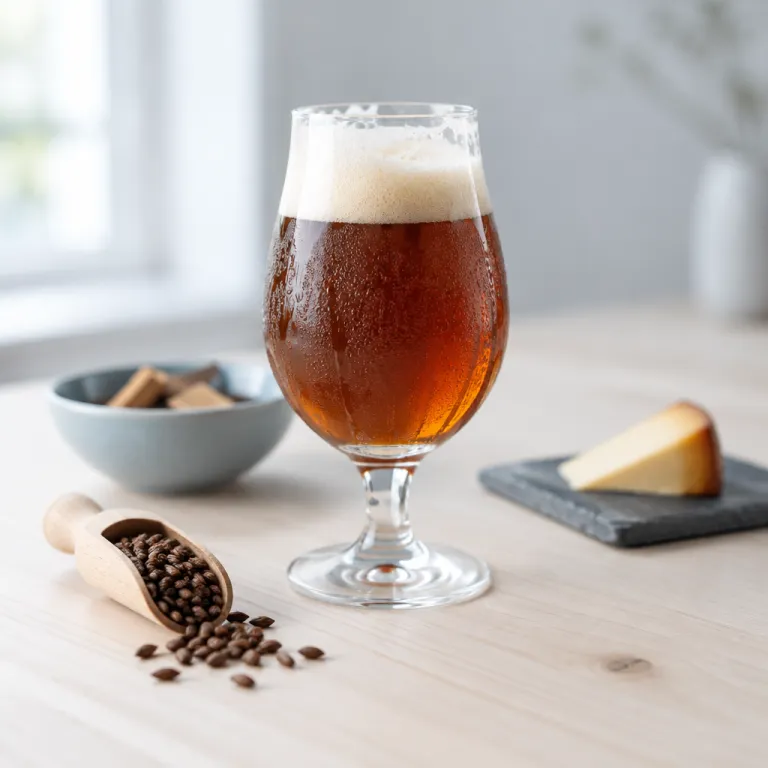
Smoked beer rauchbier guide : why this old german style still feels so bold
What makes smoked beer feel so daring today
Smoked beer, or Rauchbier, sounds niche and old-fashioned, yet it still feels surprisingly bold in a world full of hazy IPAs and pastry stouts. Part of the appeal is how unapologetic it is ; there is no subtle hint of smoke here, but a central, defining character that can remind you of campfires, bacon, or even a rustic smokehouse.
For many drinkers, that first sip is a shock. We are used to smoke in food, not in our glass. Yet once your palate adjusts, you start to notice how the smoke weaves through the malt sweetness, the clean lager fermentation, and the gentle bitterness. It is this tension between comfort and challenge that keeps smoked beer feeling fresh, even though the style is centuries old.
Why an ancient German style still feels modern
Rauchbier has its roots in traditional German brewing, where kilning malt over open flames was once the norm. Today, most malt is dried with clean, smokeless heat, so smoke character has become a deliberate choice rather than an unavoidable side effect. That choice is what makes modern smoked beer so interesting ; brewers use smoke as a flavor tool, not a technical limitation.
In a craft landscape chasing ever-new trends, rauchbier stands out as a style that is both deeply historical and surprisingly versatile. It can anchor a hearty winter menu, pair beautifully with grilled meats at a summer cookout, or even show up as a conversation starter in a curated beer and food pairing lineup. As you explore how smoke interacts with malt, fermentation, and food, you will see why this “old” style keeps finding new fans.
From open fires to Bamberg Germany : how smoke malt shaped the style
From campfire haze to controlled smoke
Before rauchbier became a specialty of Bamberg, smoke in beer was simply unavoidable. Early maltsters dried their soaked barley over open fires. Wood or peat burned underneath, and the rising smoke wrapped every grain in a campfire haze. The result ? Almost every beer carried at least a hint of smoke, whether drinkers wanted it or not.
As kilning technology improved, brewers learned to dry malt with indirect heat. Clean, pale malt quickly became the norm, and smoky flavors faded from everyday drinking. What survived, though, was a small but stubborn tradition in Franconia, where a few maltsters kept using beechwood fires. That choice turned what used to be ordinary into something rare and characterful.
Bamberg’s beechwood signature
Bamberg, in northern Bavaria, is now the spiritual home of rauchbier. Local maltsters perfected the art of gently smoking malt over smoldering beechwood, balancing intensity with drinkability. Instead of harsh ash or burnt notes, you get layers of bacon, ham, campfire, and toasted bread that later show up in the glass.
This is where rauchbier diverges sharply from many modern flavored malt drinks that actually taste good thanks to added aromas. In Bamberg, the flavor is baked into the grain itself. The smoke is not a topping ; it is part of the beer’s DNA.
Smoke malt as a brewer’s toolbox
Today, smoked malt is a flexible ingredient rather than a historical accident. Brewers can choose different wood types, smoking times, and malt bills to dial in subtle background warmth or full-on smoke bomb. That same toolbox underpins the tasting tips and pairing ideas you will meet later, because understanding how the malt is treated explains why some rauchbiers feel gentle and others hit like a bonfire.
What rauchbier really tastes like : smoke, malt and lager fermentation
The first sip : what your senses pick up
Rauchbier hits you before it even reaches your lips. On the nose, expect campfire smoke, beechwood, and sometimes a hint of smoked ham or bacon. That can sound intense, but in a well-made smoked lager the aroma is clean, never ashy or burnt. Underneath the smoke, you will often find notes of fresh bread crust, toasted grain, and a gentle sweetness from the malt.
The first sip usually brings a wave of smoke, but it should glide over the palate rather than attack it. The body is typically medium, with a smooth, rounded texture. Because most classic rauchbiers are lagers, the fermentation profile is very clean ; you will not get fruity esters or spicy phenols like in many ales. That clean canvas lets the smoke and malt do the talking.
Balancing smoke, malt and lager crispness
Think of rauchbier as a three-part harmony :
- Smoke provides the headline character, ranging from gentle woodfire to bold, meaty intensity.
- Malt adds bread, toast, caramel, or even light chocolate, depending on the base style.
- Lager fermentation keeps everything crisp, dry enough, and highly drinkable.
When these elements are in balance, the beer feels surprisingly sessionable. The finish should be clean, with a lingering smokiness that fades like the last embers of a fire. Bitterness is usually moderate, just enough to keep the malt sweetness in check.
Modern brewers sometimes tweak this template, using lighter smoke levels or hybrid approaches similar to an India pale lager style. The result can be a brighter, hoppier smoked beer where herbal or floral hops share the stage with the smoke, but the core idea remains the same : clean lager character framing a distinctive smoky malt profile.
How to taste smoked beers without getting overwhelmed
Start with lighter smoke and work your way up
Think of smoked beer like hot sauce : you do not begin with the most intense bottle. Start with paler, gently smoked lagers or wheat-based smoked beers before moving to darker, heavily smoked classics. This lets your palate adjust to the idea that smoke can be flavor, not just a burnt note.
Pour into a clean glass and take a moment before sipping. Look at the color, swirl lightly, and take a few short sniffs instead of one big inhale. You are training your brain to separate smoke from the rest of the aromas.
Break the flavor down into layers
When you taste, ask yourself three simple questions :
- Where is the smoke ? Nose only, or also on the tongue and in the finish ?
- What kind of smoke ? Bacon, campfire, cured ham, grilled bread, incense, wood stove ? Naming it makes it less overwhelming.
- What sits under the smoke ? Notice the malt sweetness, bread crust, caramel, or nutty notes, plus the clean lager fermentation you read about earlier.
Take small sips, let the beer warm slightly in the glass, and see how the balance shifts. Often the malt and subtle hop bitterness step forward as the chill fades.
Use food pairings to tame intensity
If the smoke still feels too big, bring in food. Smoked beers shine with :
- Grilled sausages, pork chops, or barbecue
- Sharp or aged cheeses
- Roasted mushrooms or hearty stews
The fat, salt, and umami soften the edges of the smoke and highlight the malt. Over a meal, even a bold rauchbier suddenly feels more balanced, and your palate learns to enjoy the style instead of fighting it.
Buying, brewing and talking about rauchbier like you have been in Bamberg for years
Building a rauchbier shopping list that actually makes sense
Start by thinking in terms of intensity. Classic Bamberg lagers made with beechwood-smoked malt tend to be balanced, not ashtrays in a glass. Look for traditional smoked märzen or helles from respected Franconian breweries, then branch out to stronger or darker interpretations once you know your comfort zone.
When reading labels or online descriptions, pay attention to :
- Base style (märzen, helles, bock, porter, etc.)
- Smoke source (beechwood, oak, cherry, peat)
- ABV and color (lighter and lower often means gentler smoke)
For a varied haul, mix one classic Bamberg-style lager, one darker smoked beer (like a porter or stout), and one modern twist such as a smoked wheat or saison. That line-up lets you compare how smoke behaves across different malt bills and yeast profiles, just like you did mentally when reading about history and flavor.
Homebrewing rauchbier without wrecking your palate
If you brew, think of smoked malt as a seasoning. For a first batch, keep smoked malt around 20–40 % of the grist. You will still get a clear campfire note, but the beer stays drinkable pint after pint.
Use a clean lager yeast if you want that classic Bamberg profile, or a neutral ale yeast if you cannot ferment cold. Focus on a simple grain bill and restrained hopping ; the goal is to showcase smoke and malt, not to build a hop bomb.
Talking about rauchbier like you have walked the streets of Bamberg
When you chat with other beer fans, lean on the same language you used while tasting :
- Compare smoke character (bacon, campfire, smoked ham, wood-fired bread)
- Note the balance with malt sweetness and dryness
- Mention fermentation profile (clean lager, fruity esters, subtle sulfur)
Instead of just saying “too smoky”, explain where the smoke sits : in the aroma, mid-palate, or finish. That kind of detail instantly makes you sound like someone who has spent serious time with rauchbier, whether or not you have actually made it to Bamberg yet.