What makes summer shandy beer so refreshing
The bright, citrusy character in your glass
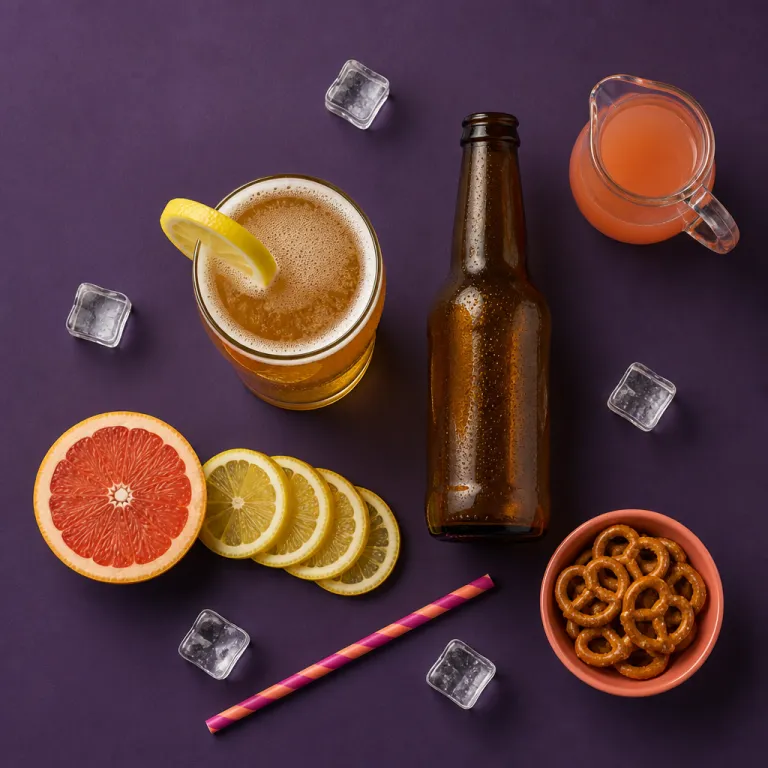
What makes a summer shandy beer feel so refreshing starts with its core idea ; it is a blend of beer and citrus-forward lemonade or soda. The base is usually a light lager or wheat beer, already crisp and easy-drinking. When you add lemon juice, lemon soda, or a carefully crafted citrus mix, you get a drink that feels lighter on the palate, with a zesty lift that cuts through heat and thirst.
The carbonation plays a big role too. Fine, lively bubbles carry those lemon aromas straight to your nose, making each sip feel brighter than the last. Because the alcohol level is typically moderate, you can enjoy more than one without feeling weighed down, which is part of the appeal on hot afternoons or long evenings on a patio.
Balance between sweetness, acidity, and bitterness
Refreshment is all about balance. In a good summer shandy beer, the sweetness from the lemonade or soda never overwhelms the beer. Instead, it softens the hop bitterness and rounds off any grainy edges from the malt. The acidity from citrus keeps the drink from becoming cloying, resetting your palate after salty snacks or grilled food.
Modern brewers experiment with grapefruit, orange, and even mixed citrus to fine-tune that balance. If you enjoy fruit-forward options, a grapefruit shandy-style beer shows how tangy fruit can amplify the refreshing effect without losing the beer character. Later, when we look at how breweries build flavor and how shandy evolved from traditional shandy and radler styles, this balance of sweetness, acidity, and bitterness will keep coming back as the key to why summer shandy beer feels so perfectly suited to warm weather drinking.
From shandy and radler to leinenkugel summer shandy
From British pubs to German beer gardens
Long before it became a summer staple in the United States, shandy was a simple, practical drink in British pubs. Traditionally called “shandygaff”, it mixed beer with ginger beer or lemonade. The idea was straightforward ; lower the alcohol, stretch the pint, and create something extra refreshing for warm days or long drinking sessions.
In Germany, a similar idea took shape under a different name : the radler. Legend has it that a Bavarian innkeeper mixed beer with citrus soda to serve thirsty cyclists (“Radler” means “cyclist” in German). Whether the story is perfectly accurate or not, the result was the same ; a bright, zesty, low-alcohol drink that fit perfectly with outdoor drinking culture.
How shandy and radler shaped modern summer shandies
Both shandy and radler share the same core concept ; beer plus a citrusy, sparkling mixer. This balance between malt sweetness, hop bitterness, and tangy fruit is exactly what makes modern summer shandy beer so easy to drink when the temperature rises. Brewers took this classic template and refined it with more consistent recipes, better quality control, and a wider range of citrus flavors.
The rise of leinenkugel’s summer shandy
Leinenkugel’s Summer Shandy helped bring the style into the mainstream in North America. By pairing a light wheat beer base with natural-tasting lemonade flavor, it offered something familiar yet different from standard lagers and wheat beers. Its success showed that drinkers were ready for seasonal, fruit-forward beers that still felt like “real beer”.
Today, many breweries build on this heritage, experimenting with new fruits and serving ideas you might enjoy at home, at the beach, or in your favorite bar. For fans who like to bring that experience into their own space, a wall-mounted beer bottle opener for home bars can make opening each summer shandy feel like part of the ritual.
How breweries build flavor in summer shandy beer
Building a bright citrus base
Most summer shandy beers start with a light, clean base beer. Brewers usually choose a lager, blonde ale, or wheat beer with low bitterness and a soft malt profile. This neutral canvas lets the citrus character shine without clashing with heavy hops or roasted malts. The grain bill often leans on pale malt and wheat for a smooth, slightly bready backbone that supports the lemonade notes you expect from a shandy.
Real juice, concentrates, and natural aromas
The lemon flavor can come from several sources. Some breweries use real lemon juice or lemonade, which brings natural acidity and a gentle haze. Others rely on high-quality concentrates or natural flavor extracts to keep the taste consistent from batch to batch. The key is balance ; too much juice can thin the body and make the beer feel more like soda, while too little leaves the shandy tasting like a regular lager with a hint of citrus.
Sweetness, carbonation, and alcohol balance
Brewers fine-tune sweetness with careful additions of sugar, unfermentable malts, or fruit syrups. A touch of residual sweetness helps round out the lemon’s sharpness and makes the beer feel fuller on the palate. Higher carbonation lifts the citrus aromas and adds a sparkling, thirst-quenching finish. Alcohol levels are usually kept moderate so the beer stays easy-drinking in warm weather, unlike stronger styles such as a foreign extra stout. Finally, hop bitterness is dialed back, with just enough hops to keep the beer from tasting cloying while avoiding flavors that would clash with the lemonade character.
How to enjoy summer shandy beer with food and at the bar
Serving tips that keep things bright and zesty
Summer shandy beer shines when it is cold, but not ice-burned. Aim for a serving temperature just above fridge-cold ; this keeps the citrus aromas lively while letting the base beer show through. Use a clean, straight-sided glass or a classic weizen glass to help the gentle carbonation lift those lemon notes.
If you are pouring from a bottle or can, tilt the glass and pour slowly, then straighten at the end to build a soft cap of foam. That head traps the citrus oils and subtle malt sweetness you read about earlier in the article.
Food pairings that make shandy really sing
Because summer shandy beer is light, citrusy, and low in bitterness, it works with a wide range of dishes :
- Grilled seafood – shrimp skewers, fish tacos, or grilled salmon pick up the lemony edge beautifully.
- Fresh salads – think goat cheese, berries, and vinaigrettes ; the beer’s acidity mirrors the dressing.
- Spicy food – tacos, wings, or Thai dishes benefit from the shandy’s cooling, slightly sweet finish.
- Picnic classics – fried chicken, potato salad, and light cheeses match the easygoing malt backbone.
When in doubt, pair your shandy with dishes you would happily squeeze lemon over.
Ordering and enjoying shandy at the bar
At the bar, ask how the shandy is made. Some taps pour a dedicated summer shandy beer, while others mix lager and lemonade to order. If you enjoyed the more traditional shandy and radler styles mentioned earlier, you might even request a custom ratio to suit your taste.
For longer sessions, alternate shandy with water or a non-alcoholic option. Its lower alcohol content already makes it a smart warm-weather choice, but pacing yourself keeps the bright, refreshing character enjoyable all afternoon.
Why summer shandy beer matters for the beer industry
A gateway style that welcomes new beer drinkers
Summer shandy beer plays an important role as a friendly entry point into the beer world. Its bright citrus, low bitterness, and modest alcohol level make it far less intimidating than a dense IPA or a roasty stout. For many people, a shandy is the first beer they genuinely enjoy, which helps expand the overall audience for breweries, taprooms, and beer bars.
This gateway effect matters. When someone starts with a lemony shandy, they often become curious about the base lager or wheat beer underneath. That curiosity can lead them to try classic styles, seasonal releases, and eventually more complex brews. In other words, summer shandy beer quietly supports the entire beer ecosystem by turning casual drinkers into engaged fans.
Seasonal sales engine for breweries and retailers
From a business perspective, summer shandy beer is a powerful seasonal driver. Warm weather and outdoor occasions create natural demand for something light, cold, and easy to share. Breweries can plan production around this predictable spike, helping to smooth cash flow between spring and autumn releases.
Retailers and bars benefit as well. Shandy is an easy recommendation for guests who say they “do not really like beer” but want something refreshing. That means fewer lost sales to cocktails or soft drinks, and more reasons for people to stay for a second round.
Innovation lab for flavor and technique
Because drinkers expect bold citrus and playful twists, summer shandy beer gives brewers room to experiment. They can test new fruit blends, adjust sweetness levels, or trial different base styles without alienating fans. Successful ideas may then migrate into year-round offerings or inspire new seasonal lines. In this way, shandy acts as a low-risk innovation lab that keeps the beer industry evolving while staying approachable and fun.