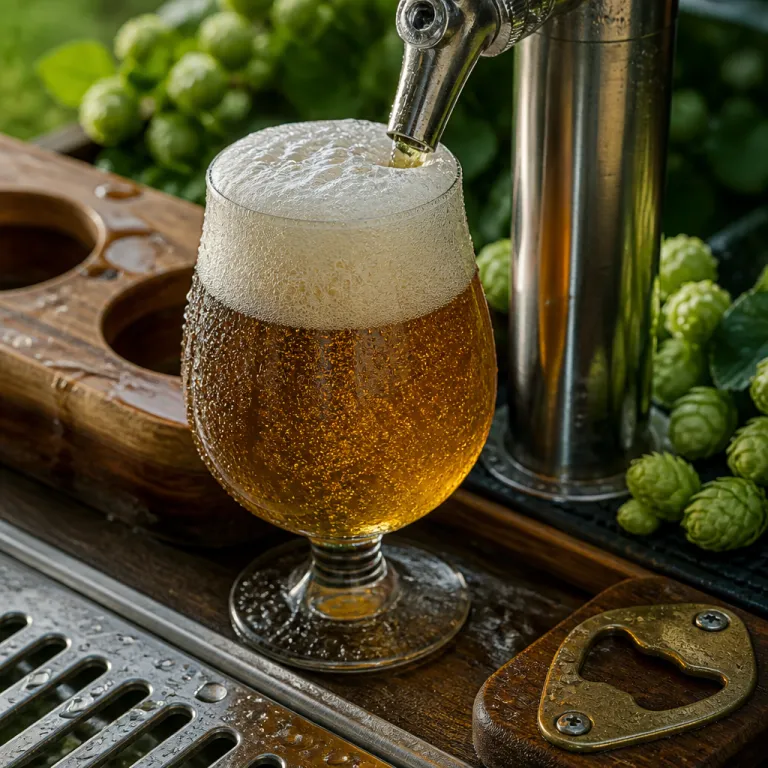
Planning your home bar space so it feels like a real bar at home
Clarifying how you want your home bar to feel
Before you think about taps, fridges or glassware, get clear on the vibe. Do you want a cozy pub corner, a sleek taproom feel, or a game-day hangout? Picture where people will sit, how they will move, and what you want them to notice first when they walk in.
It can help to jot down three words that describe your ideal bar atmosphere, like “casual, social, comfortable” or “minimal, modern, clean”. Those words will guide choices later, from lighting to tap handles and even what you pour.
Choosing the right spot in your home
Next, match that vision to a realistic location. Common options include :
- Basement or den for a full, permanent bar setup
- Dining room wall for a compact kegerator and a couple of stools
- Kitchen nook for a small draft system that doubles as everyday storage
- Garage for a flexible, party-focused bar area
Check for nearby power outlets, a solid floor for heavy equipment, and enough space to open fridge doors and move kegs around. Think ahead to where gas cylinders, lines and cleaning gear will live once you install your draft system and tap setup.
Planning for how you will actually use it
Design around how you drink and entertain. If you love hosting tastings, plan counter space for flights and glassware, and consider this guide on setting up beer flights at home. If you mostly pour pints during the game, prioritize sightlines to the TV and standing room.
Leave room for future upgrades too. You might start with one keg and later add more taps, a better gas setup, or a dedicated cleaning station once you refine your serving routine.
Choosing the right draft beer system and equipment for your home
Picking a draft setup that fits your space and habits
Before buying anything shiny, think about how you will actually use your home bar. If you host big parties, a multi-tap kegerator or keezer (a converted chest freezer) makes sense. If you mostly pour a couple of pints on weekends, a compact single-tap kegerator or even a countertop unit may be enough.
Ask yourself :
- How many different beers do I want on tap at once ?
- Do I have room for a full-size fridge or only an under-counter unit ?
- Do I want the taps on a tower, through the wall, or on a back bar ?
Comparing kegerators, keezers and simple party setups
Kegerators are purpose-built fridges with taps on top. They are easy to set up, look clean, and are ideal if you want a “real bar” feel without much DIY. Keezers offer more space and flexibility, but require more work to build and insulate properly.
For occasional gatherings, you might start with a basic party tap and ice-cooled keg. It is not as polished as a built-in bar, but it is a low-commitment way to learn about pouring, foam control and even party games ; if that is your style, this guide on beer pong cups and party setups can help you think through the fun side of your bar.
Essential components you should not skip
Whatever system you choose, you will need :
- A fridge or freezer that holds your chosen keg sizes
- Quality faucets (stainless steel is worth it)
- Shanks, beer lines and gas lines rated for draft use
- A CO₂ tank and regulator sized for your serving volume
Choosing solid components now will make the gas, pressure and keg management much easier later, and will keep your home bar feeling like a proper, reliable taproom.
Gas, pressure and kegs : how to keep your draft beer pouring smooth
Understanding CO₂, nitrogen and mixed gas
Most home bars run on CO₂, which works perfectly for lagers, IPAs and most ales. Some darker styles and creamier beers benefit from nitrogen or a mixed gas blend, which gives that tight, cascading head you see on stout taps. If you plan to pour a range of styles, consider a dual-gas setup or at least leave space to upgrade later.
Gas cylinders come in different sizes. A 5 lb CO₂ tank is common for home use and can push several kegs before needing a refill. Make sure you have a safe, upright storage spot away from heat and direct sunlight.
Setting pressure for smooth pours
Your regulator is the heart of the system. It controls how much pressure goes into the keg, which affects carbonation and pour speed. For most beers, a serving pressure around 10–12 psi works well, but this depends on beer style, line length and temperature.
- Too much pressure : foamy, over-carbonated pours
- Too little pressure : flat beer and slow, lifeless pours
When you start pouring at home, adjust in small increments and give the keg time to settle before judging the result. Professional brewers obsess over this balance ; you can see how seriously they take gas and draft systems in events like the Craft Brewers Conference draft beer discussions.
Temperature, line length and foam control
Gas pressure only works properly when your beer is cold and stable. Aim for a consistent fridge temperature and keep your beer lines chilled as much as possible. Longer lines add resistance and help tame foam ; shorter lines pour faster but can be harder to control. When you plan your layout and equipment, think of gas, temperature and line length as one system working together for that perfect pint at home.
Installing your tap system, beer lines and bar setup at home
Positioning your taps for comfort and flow
Start by deciding exactly where your faucets will sit in relation to your bar top. Aim for a height that lets you pour comfortably while standing straight, with enough space under the taps for your tallest glassware. If you are using a kegerator or keezer, mark where the shanks will pass through the wall or collar before drilling. Keep taps away from direct sunlight and heat sources to protect beer quality.
Routing beer lines the smart way
From your earlier equipment choices, you should already know how many lines you need and their ideal length. Now focus on routing them cleanly. Avoid sharp bends, kinks, or tight loops that can cause foaming or blockages. Use clamps or cable organizers to secure lines along the inside walls of your fridge, keezer, or cabinet. Group lines together but leave enough slack so you can disconnect kegs for cleaning without a wrestling match.
Keeping everything cold and consistent
Warm lines are one of the biggest reasons home bars pour foamy beer. If your taps are mounted through a wall or tower, consider simple insulation around the lines, or a small fan to circulate cold air from the fridge compartment into the tower space. Make sure your temperature settings match the styles you plan to serve, as you planned when choosing your draft system and gas setup.
Organizing the bar front for easy service
Once the lines and taps are in place, think about how you will actually serve. Keep glassware within arm’s reach, with a drip tray directly under the faucets. Store cleaning tools, extra gaskets, and spare parts in a dedicated drawer or bin nearby. Arrange your back bar so guests can see what is on tap, and leave enough clear counter space for pouring flights, mixing simple beer cocktails, or setting out snacks.
Cleaning, serving and enjoying drinks from your home beer bar
Keeping your lines and equipment spotless
Clean gear is the secret to beer that tastes like it should. Even with the best kegs and gas setup, dirty lines will ruin flavor fast.
- Rinse after every session : When you finish pouring for the night, run cold water through the lines to clear out beer.
- Deep clean regularly : Use a proper draft line cleaner every couple of weeks, following the manufacturer’s instructions for contact time and rinsing.
- Do not forget faucets and couplers : Soak and brush them to remove sticky residue and yeast build-up.
Keep a small cleaning kit stored near your bar so it is as easy to clean as it is to pour.
Serving beer like a pro at home
All the planning and equipment choices pay off when you pour that first perfect pint. A few habits make a big difference :
- Glassware matters : Use clean, beer-only glasses. Avoid dish soap residue, which kills foam.
- Chill, do not freeze : Cold glasses are fine, frosted glasses can cause excessive foaming and dull flavors.
- Pour with intention : Open the tap fully, tilt the glass at 45°, then straighten to build a tight, creamy head.
Match glass styles to the beer you serve, just like your favorite bar does.
Creating a relaxed bar-at-home ritual
Your home bar should feel inviting, not like a science project. Build small rituals around it :
- Wipe the bar top and drip tray before guests arrive.
- Check keg levels and gas pressure so you are not troubleshooting mid-pour.
- Set out coasters, snacks and a simple menu of what is on tap.
When cleaning and serving become part of your routine, your home beer bar turns into a place people genuinely look forward to using, not just a showpiece in the corner.