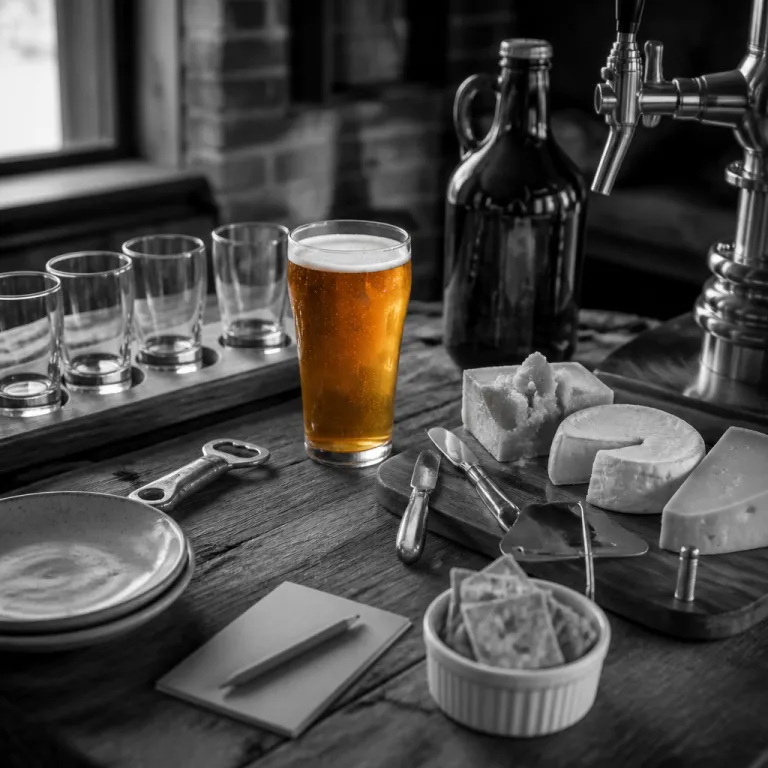
Why beer and cheese are such a natural pairing
Shared roots in fermentation
Beer and cheese feel like they were made for each other because they are born from the same ancient craft : fermentation. Both start with simple agricultural ingredients – grain for beer, milk for cheese – and are transformed by yeast and bacteria into something far more complex. This shared process creates layers of flavor that can echo, contrast, or amplify one another in the glass and on the plate.
In both cases, fermentation generates acids, alcohols, and aromatic compounds that shape taste and aroma. That is why a nutty, aged cheese can feel so at home next to a malty, toasty beer, while a bright, tangy goat cheese can sing alongside a crisp, citrusy pale ale. They speak the same flavor language, just with different accents.
Balancing fat, carbonation, and flavor
Cheese is rich in fat and protein, which can coat your palate. Beer brings carbonation, bitterness, and sometimes acidity, all of which help cut through that richness. The bubbles scrub your tongue, the bitterness resets your taste buds, and the malt sweetness can soften salt and sharp edges in the cheese.
This balance is the foundation for the simple pairing rules you will use later, whether you are matching delicate fresh cheeses with light lagers or bold blues with robust stouts. Once you understand how fat, carbonation, and flavor intensity interact, building pairings becomes much more intuitive.
A social ritual made for sharing
Beyond flavor science, beer and cheese are inherently social. Both are easy to share, easy to serve in small portions, and endlessly varied. That makes them perfect for relaxed tasting boards, themed pairing nights, or thoughtful gifts for beer enthusiasts who enjoy exploring new combinations at home.
Simple rules for beer cheese pairings that work
Think in terms of intensity
Start by matching the strength of the beer with the strength of the cheese. Light, crisp beers pair best with fresh, delicate cheeses, while bold, high-intensity beers stand up to aged, pungent cheeses. If one element overwhelms the other, the pairing feels unbalanced and tiring on the palate.
Balance sweetness, salt, and bitterness
Cheese is often salty and rich, so a touch of sweetness in beer can create a beautiful counterpoint. Malty, slightly sweet beers soften salty blue cheeses or aged goudas. Bitterness from hops, on the other hand, cuts through fat and creaminess, refreshing your mouth between bites. Aim for a three-way balance: salt from the cheese, sweetness or malt from the beer, and just enough bitterness to keep things lively.
Use texture as your guide
Texture is as important as flavor. Effervescent beers with lively carbonation lift creamy or gooey cheeses, preventing them from feeling heavy. Fuller-bodied beers work better with firm or crumbly cheeses, where they can coat the palate without clashing. When in doubt, ask whether the beer’s body feels lighter, equal to, or heavier than the cheese’s texture, and try to keep them in the same range.
Echo or contrast key flavors
Two simple strategies work reliably: echo and contrast. Echoing means pairing nutty cheeses with nutty, toasty beers, or tangy cheeses with bright, citrusy brews. Contrasting means using roasty, dark beers with sweet, caramelized cheeses, or crisp, herbal beers with buttery, mellow styles. Both approaches can shine during a home tasting or when planning pairings as thoughtful gifts for beer lovers.
Classic beer cheese pairings everyone should try
Timeless pairings to start with confidence
Some beer and cheese combinations are so reliable that they are almost foolproof. Use these as your starting point before you begin experimenting with your own matches.
Pale lagers and fresh, mild cheeses
Crisp pale lagers and pilsners shine with young, delicate cheeses. Think mozzarella, burrata, fresh goat cheese, or mild feta. The beer’s high carbonation and light bitterness cut through creaminess, while its subtle malt character lets the gentle dairy flavors stay in the spotlight. This is a great pairing style when you are introducing friends to beer and cheese for the first time.
Wheat beers with tangy and creamy styles
Hefeweizens and other wheat beers pair beautifully with soft, tangy cheeses. Try them with chèvre, young bloomy rinds like brie or camembert, or even a mild blue. The beer’s notes of banana, clove, or citrus echo the cheese’s lactic tang, while the smooth texture of wheat beer mirrors the cheese’s creaminess.
IPAs and bold, aged cheeses
Hop-forward IPAs need cheeses that can stand up to their intensity. Aged cheddar, gouda, or alpine styles like Comté and Gruyère are excellent partners. The bitterness and hop aroma contrast the cheese’s nutty sweetness, creating a satisfying push-and-pull on the palate. For a deeper dive into how flavor intensity and texture interact, explore the art and science of cooking and pairing with beer.
Dark beers with rich, funky cheeses
Stouts and porters are natural companions for powerful cheeses. Try them with blue cheeses, washed-rind styles, or very mature cheddars. Roasted malt flavors of coffee, cocoa, and caramel wrap around the cheese’s salt and funk, often softening sharp edges and revealing hidden sweetness.
How to build your own beer and cheese tasting at home
Setting the scene for your tasting
Start by choosing a relaxed, well-lit space with a large table. Arrange your beers from lightest to strongest in flavor and alcohol, and do the same with cheeses, from fresh and mild to blue and pungent. This gentle progression helps your palate stay sharp and lets each pairing shine.
How many beers and cheeses to serve
For a home session, four to six beers and cheeses are plenty. Aim for variety : a crisp lager or pilsner, a hop-forward IPA, a malty amber or brown ale, a rich stout or porter, and perhaps a wild or sour beer. Match them with a mix of fresh, bloomy rind, semi-hard, aged, and blue cheeses to echo the pairing principles you have already learned.
Serving temperatures and glassware
Serve lighter beers slightly chilled and darker, stronger beers a bit warmer so their aromas open up. Use small tasting glasses or wine glasses to swirl and smell. Take cheeses out of the fridge 30–45 minutes before tasting so their textures soften and flavors bloom.
Order of tasting and note-taking
Taste in flights : beer first, then cheese, then a small sip of beer again. Encourage guests to note what they smell, taste, and feel in each pairing. Simple notes like “nutty”, “creamy”, or “bitter finish” are enough to spot which combinations follow the basic rules and which break them in a good way.
Palate cleansers and table extras
Provide neutral crackers or bread, still water, and maybe some fresh fruit or nuts. Keep flavors simple so they do not compete with your pairings. This keeps everyone’s palate refreshed and ready for the next beer and cheese duo.
Tips from the beer industry for better pairing beer and cheese
Think like a brewer, not just a taster
When pairing beer and cheese, professionals start by thinking about how each was made. Malt profile, hop intensity, fermentation character, and aging all shape the beer’s flavor, just as milk type, rind, and maturation shape the cheese. Before you taste together, quickly note whether each element is driven more by sweetness, acidity, bitterness, salt, or umami. Aim to match or balance those dominant traits rather than chasing a vague idea of “strength.”
Use contrast and echo with intention
In the trade, two simple strategies guide most pairings. First, echo : align similar flavors so they reinforce each other, like nutty alpine cheeses with toasty, malty lagers. Second, contrast : use one element to cut through or lift the other, such as a bright, bitter IPA slicing through a rich, buttery triple-cream. When you plan a tasting at home, decide which approach you want for each pairing instead of mixing styles at random.
Control serving conditions like a pro
Industry tastings are strict about temperature and order of service. Serve lighter, crisper beers before darker or stronger ones, and move from fresher, milder cheeses to more pungent, aged styles. Take both beer and cheese out of the fridge in advance : beer often shows best slightly cool, not icy, while cheese needs time to soften and open up aromatically. Use neutral bread or plain crackers to reset your palate between pairings.
Record, refine, and repeat
Brewers and cheesemongers keep notes. Do the same. Jot down what worked, what clashed, and why you think it happened. Over time, you will build your own reliable pairing “map,” turning simple guidelines into instinct and making every future tasting more confident and rewarding.