Pairing chocolate bars and candy bars with classic beer styles
Matching candy bars with classic beer styles
Pairing chocolate bars and candy bars with beer works best when you think in terms of balance. You want either harmony (similar flavors) or contrast (opposites that highlight each other). Here are some easy, bar-friendly ideas.
Milk chocolate and malt-forward beers
Milk chocolate is creamy, sweet, and low in bitterness. It shines with beers that echo those soft edges :
- Brown ale – nutty, toasty notes wrap around caramel-filled bars.
- Vienna lager – gentle malt sweetness flatters nougat and soft toffee centers.
- Amber ale – caramel malts pair nicely with peanut or almond chocolate bars.
Think of this as the “comfort food” zone of beer and candy pairings.
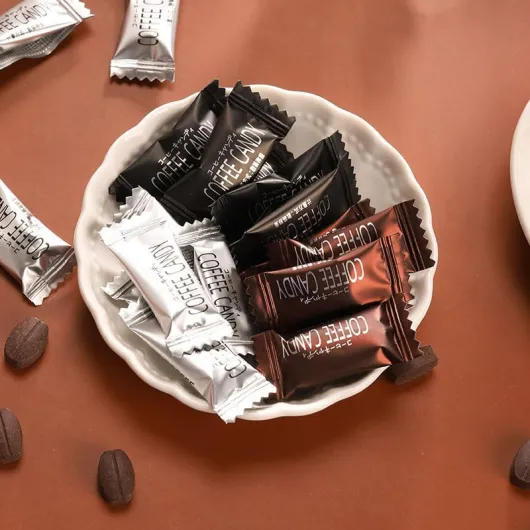
Dark chocolate and roasty styles
Dark chocolate brings bitterness, cocoa depth, and less sugar. It loves beers with roasted malts :
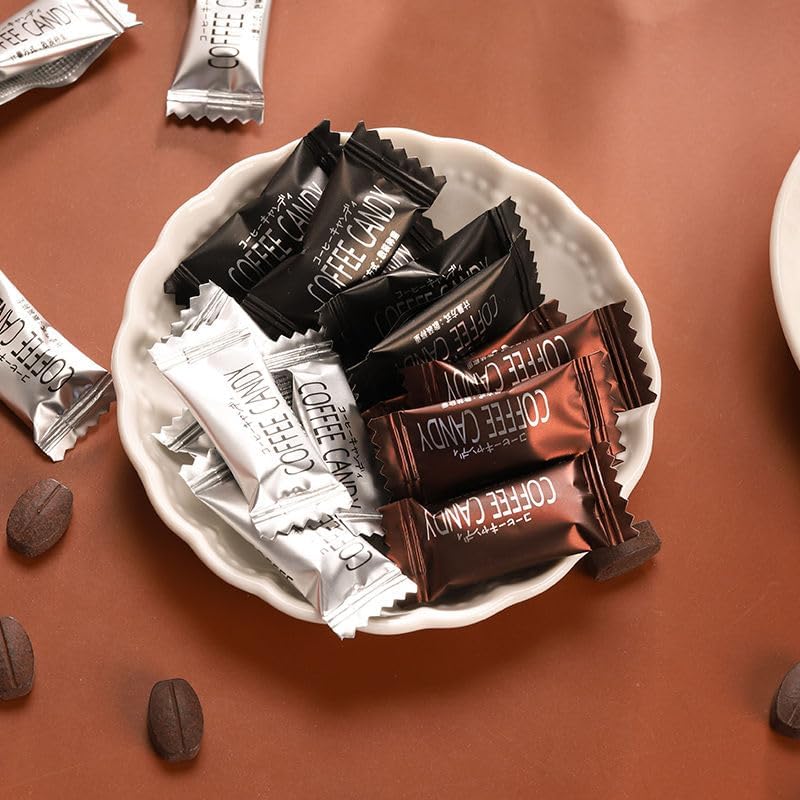
- Stout – echoes espresso and cocoa, ideal with high-cacao bars.
- Porter – softer roast, great with dark chocolate and caramel or sea salt.
- Black lager – crisp yet roasty, perfect for dark chocolate with nuts.
Here, you are layering similar flavors to build intensity without overwhelming the palate.
Fruity, chewy candies and bright beers
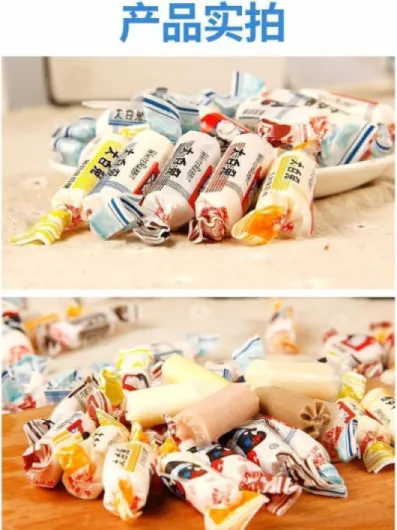
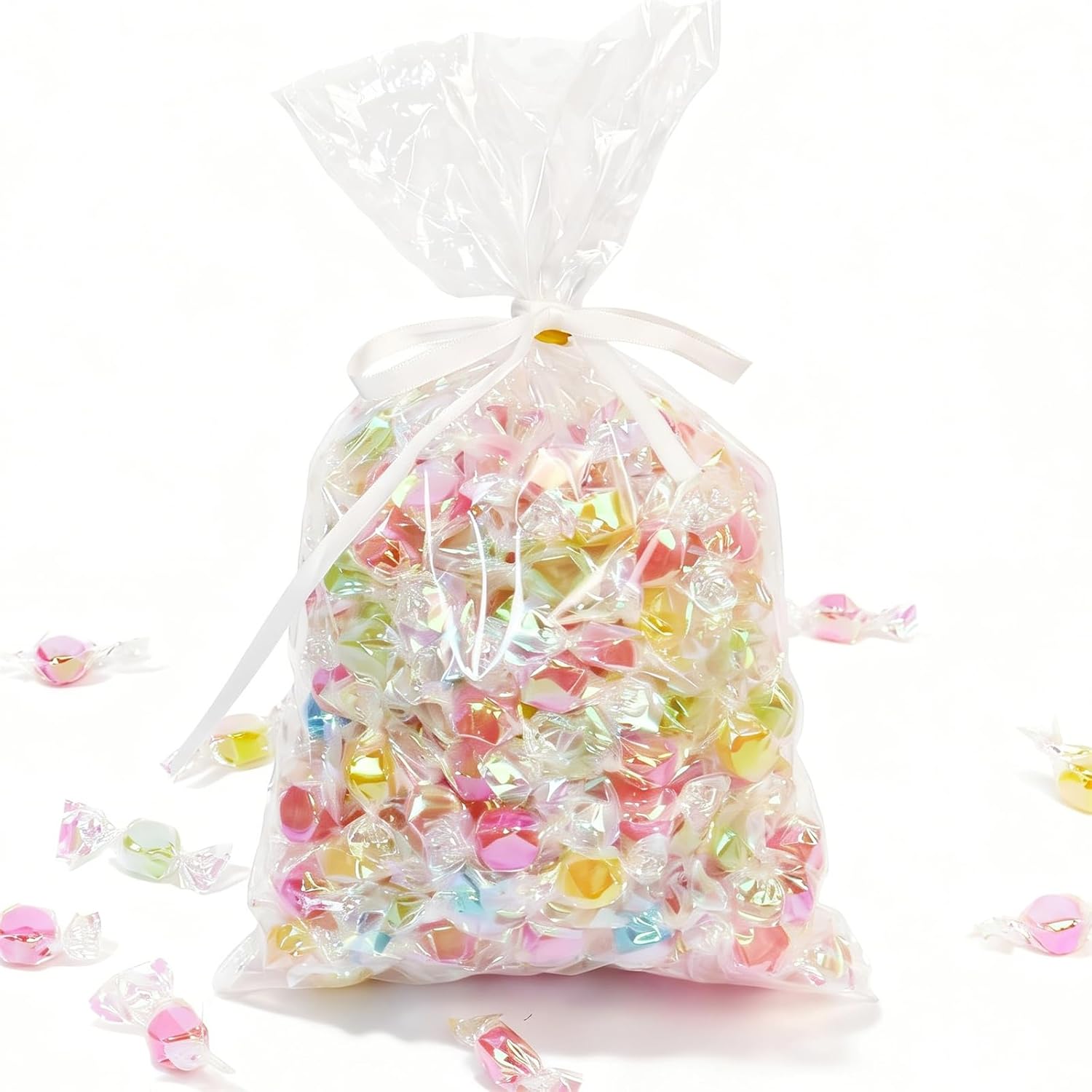
Fruity gummies, chewy sweets, and filled bars pair well with beers that have lively carbonation and fruit notes. Pale ales, wheat beers, and many session IPAs can lift the sweetness and highlight fruit flavors. For more playful options, explore assorted chewy candy assortments for beer pairing and note how citrusy hops or estery yeast bring out different layers in each bite.
How popular candy shapes the taste of beer tastings in bars
How candy shapes the mood of a beer tasting
When you line up beers for a tasting, the candy bowl does more than add color to the table ; it quietly steers how people experience each sip. Shapes, textures, and even the way candies melt or crunch can change how aromas and flavors unfold in the glass.
Think about gummy bears, worms, and rings. Their chewy texture slows down the tasting pace, giving hop bitterness or fruity esters more time to linger. Guests often take smaller sips between chews, which can make a pale ale or session IPA feel softer and more approachable.
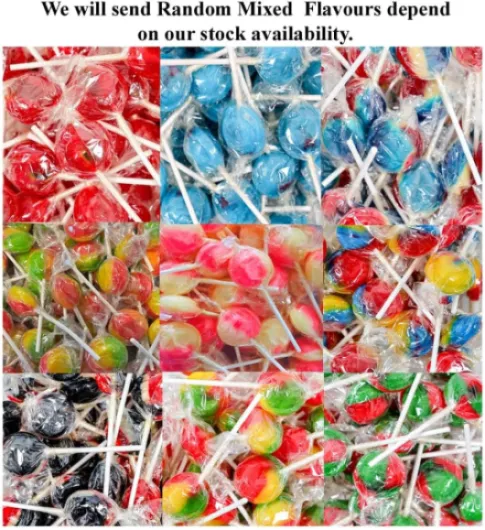
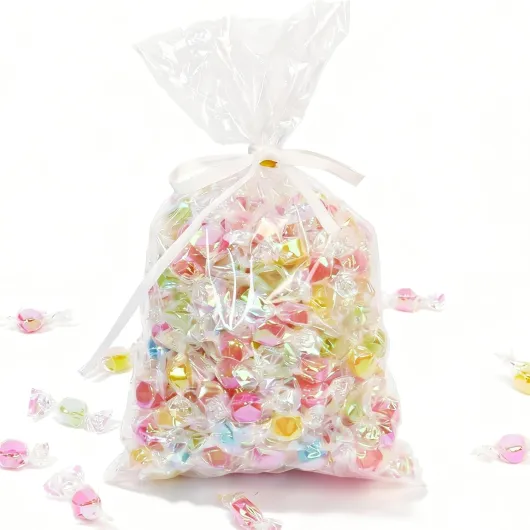
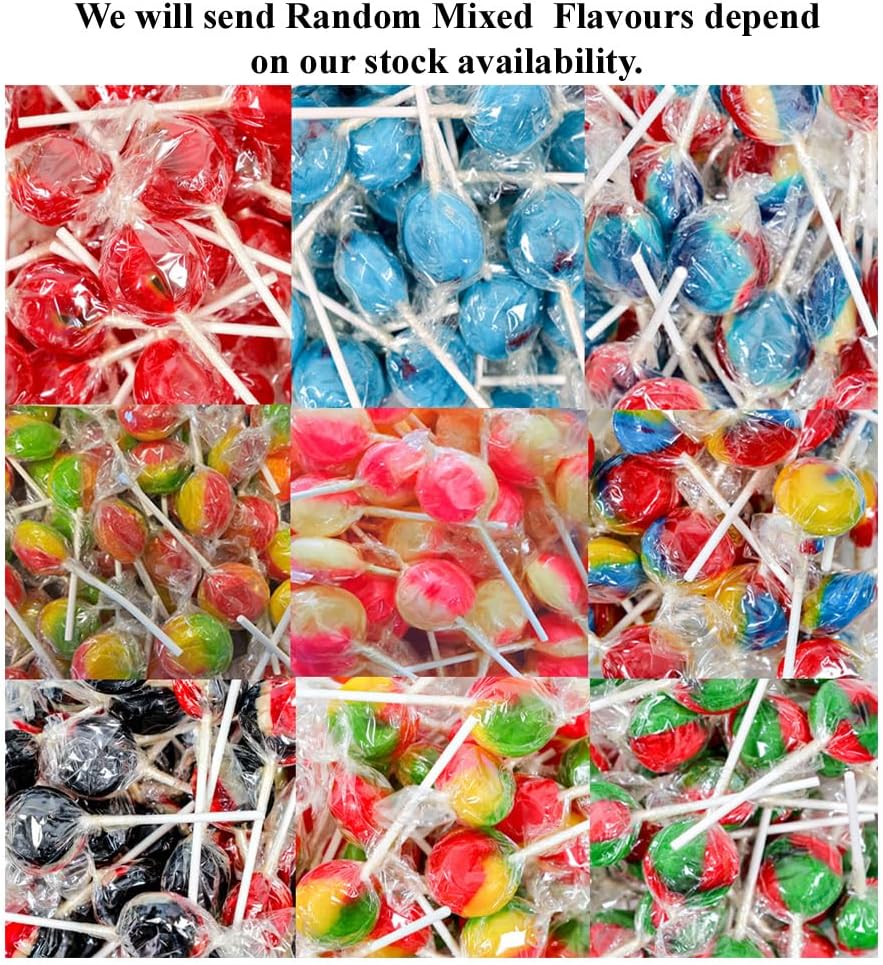
Hard candies and lollipops work differently. Because they dissolve slowly, they create a steady stream of sweetness that can tame the roast of a dry stout or the acidity of a sour beer. A simple fruit hard candy can highlight the citrus notes in a wheat beer or the stone-fruit character in a modern IPA.
Then there are shaped chocolates – hearts, coins, shells, or praline-filled pieces. Their size and filling control how much fat and sugar coat the palate. A thick chocolate shell with a creamy center can make a robust porter taste silkier, while a thin chocolate coin keeps the focus on the beer’s malt complexity. This is where candy becomes a tool, not just a treat.
Professional hosts often borrow ideas from the culinary world to structure these experiences. Resources like this in-depth look at Tuscan-inspired food and flavor pairings can inspire more thoughtful candy choices, helping you build tastings where every gummy, hard candy, or chocolate shape has a clear role in the beer’s story.
From dark chocolate to sugar free sweets : pairing for different palates
Reading sweetness and bitterness in your glass
When you move from dark chocolate to sugar free sweets, the balance between sweetness and bitterness becomes the key to pairing. Dark chocolate usually carries roasted, cocoa and sometimes coffee notes that echo the malt character in porters, stouts and dunkels. Sugar free candies, on the other hand, often lean on intense fruit, menthol or spice flavours that can clash with heavy malt but shine with lighter, drier beers.
A simple rule ; match intensity. Rich, high-cocoa chocolate needs a beer with enough body and flavour weight, while delicate, low calorie sweets pair better with crisp, refreshing styles.
Pairing ideas for different palates
- Dark chocolate lovers ; try imperial stout, Baltic porter or a strong dark ale. The roasted malts mirror cocoa bitterness, while residual sweetness softens any sharp edges in the chocolate.
- Milk chocolate fans ; reach for brown ales, bocks or malty ambers. Their caramel and toffee notes bridge the gap between cocoa and dairy sweetness.
- Fruit candy enthusiasts ; go for wheat beers, fruit sours or Belgian blondes. Their natural esters and tartness highlight berry, citrus or tropical flavours in the sweets.
- Sugar free and low sugar sweets ; pair with dry pilsners, session IPAs or brut style beers. The clean, snappy finish keeps artificial sweeteners from lingering and lets herbal or fruity aromas stand out.
Adapting pairings to your guests
For mixed groups, set up parallel flights ; one line of darker, malt forward beers with chocolate, and another of lighter, drier beers with sugar free or gently sweet candies. Encourage guests to swap pairings and note how their preferences shift. This flexible approach keeps everyone engaged, from sweet tooth drinkers to those who usually avoid dessert beers.
Practical tips to run a beer and candy tasting at home or in a bar
Setting up your tasting space
Start with a clean, well-lit table. Use small glasses so guests can compare several beers without overdoing it. Arrange beers from lightest to darkest, and candies from least sweet to most intense. Provide water and plain crackers to reset the palate between pairings.
Label everything clearly ; write the beer style, brewery, and ABV next to each glass, and the candy name beside each bowl. This helps guests connect what they taste with what they read about in earlier sections.
Choosing a focused theme
Pick one guiding idea instead of serving everything at once. For example :
- Classic bar favorites with lagers and pale ales
- Chocolate-heavy pairings with porters and stouts
- Fruity, sour, and gummy candies with wheat beers and sours
- Low-sugar or dark chocolate options with Belgian ales
A clear theme keeps the session structured and makes it easier to compare impressions.
Guiding guests through each pairing
For every pairing, invite guests to follow three simple steps :
- Smell the beer first, then take a small sip.
- Taste a piece of candy and notice sweetness, texture, and flavor intensity.
- Take another sip of beer and see what changed ; is it smoother, sharper, fruitier, or more bitter ?
Encourage people to share what they notice, even if they are unsure of the “right” answer. There is no single correct pairing ; it is about what works for each palate.
Keeping notes and adjusting
Provide simple tasting sheets with space for beer name, candy, and a few words on aroma, flavor, and balance. After the session, keep your favorite combinations on record so you can refine future tastings and build a signature beer-and-candy lineup for your home or bar.