Classic infusion tools every beer and cocktail fan should know
Essential tools behind classic infusions
Before getting into high-tech gear, it helps to master the classic tools that bartenders and homebrewers have relied on for years. These are simple, affordable and perfect for experimenting with beer, cocktails and even low-alcohol drinks.
Infusion jars and bottles
Glass jars and swing-top bottles are the backbone of traditional infusions. They let you:
- Steep fruits, herbs and spices in beer or spirits
- Monitor color and clarity as flavors develop
- Store your creations safely in the fridge
Choose thick glass, wide mouths for easy cleaning and airtight lids to avoid oxidation.
Tea balls, mesh bags and strainers
For more control, use stainless steel tea balls, reusable mesh bags or fine strainers. They are ideal when you want to:
- Dry hop a beer without loose particles everywhere
- Infuse gin, rum or vodka with botanicals
- Remove solids quickly to stop extraction at the right time
Fine mesh helps keep your drink clear while still allowing full contact with the liquid.
Small-batch brewing and infusion kits
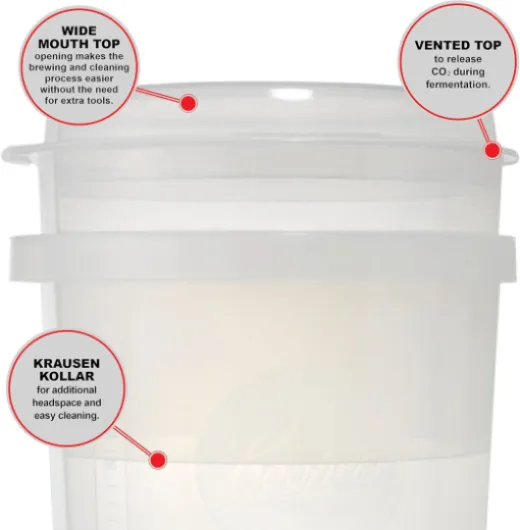
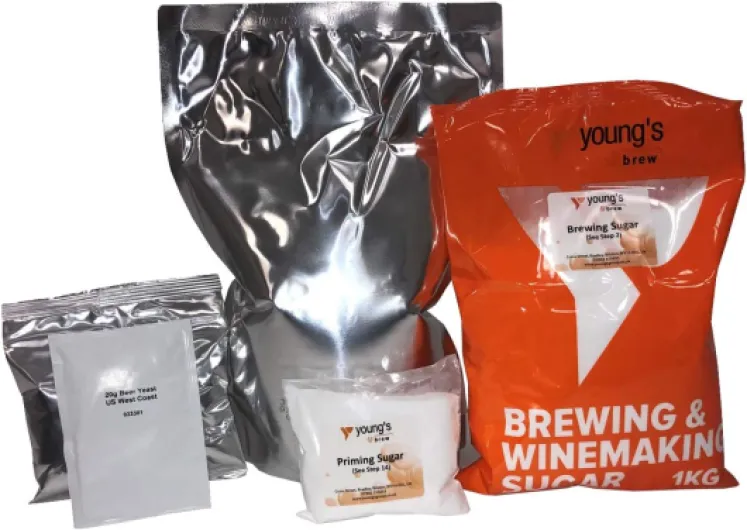
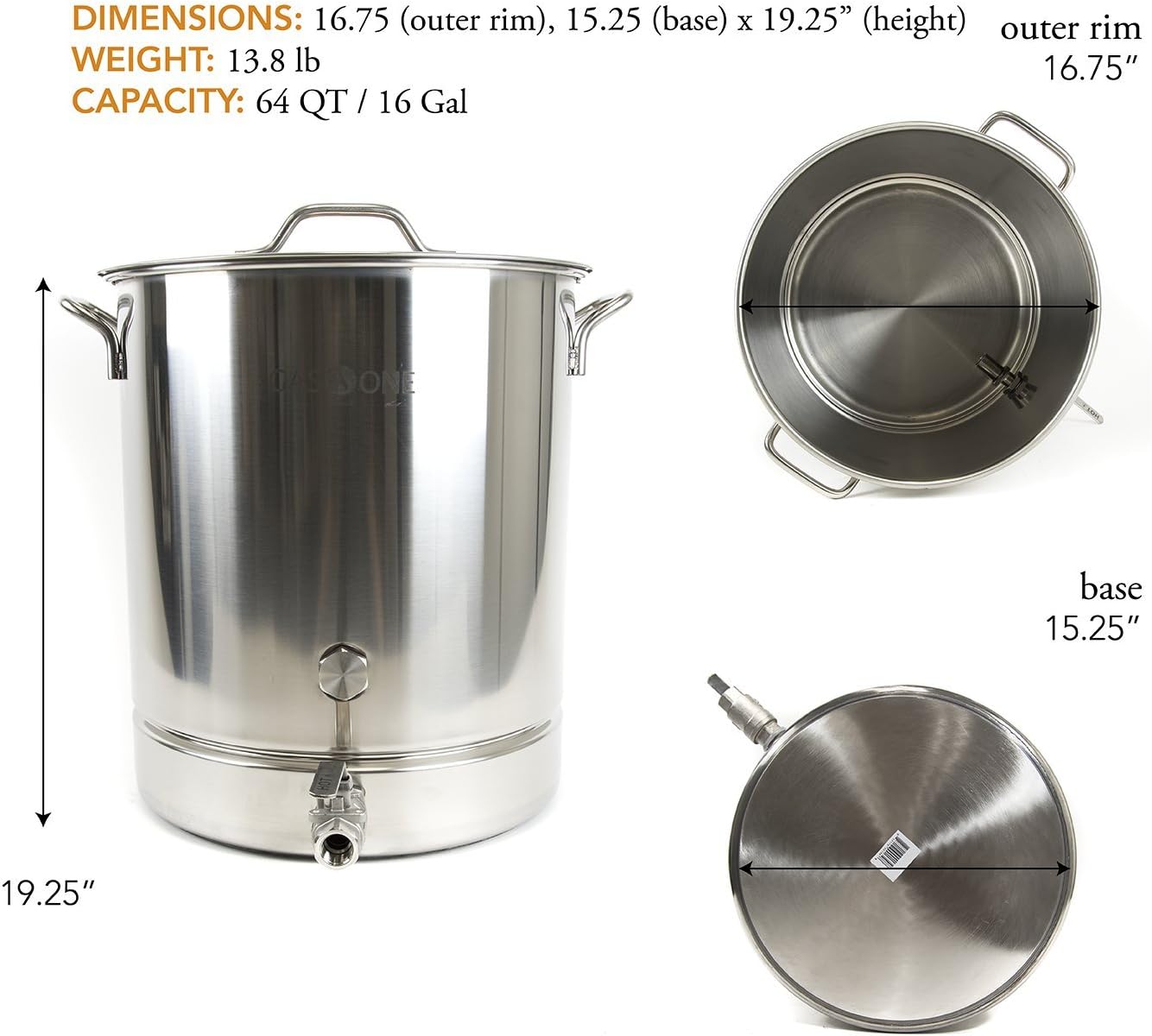
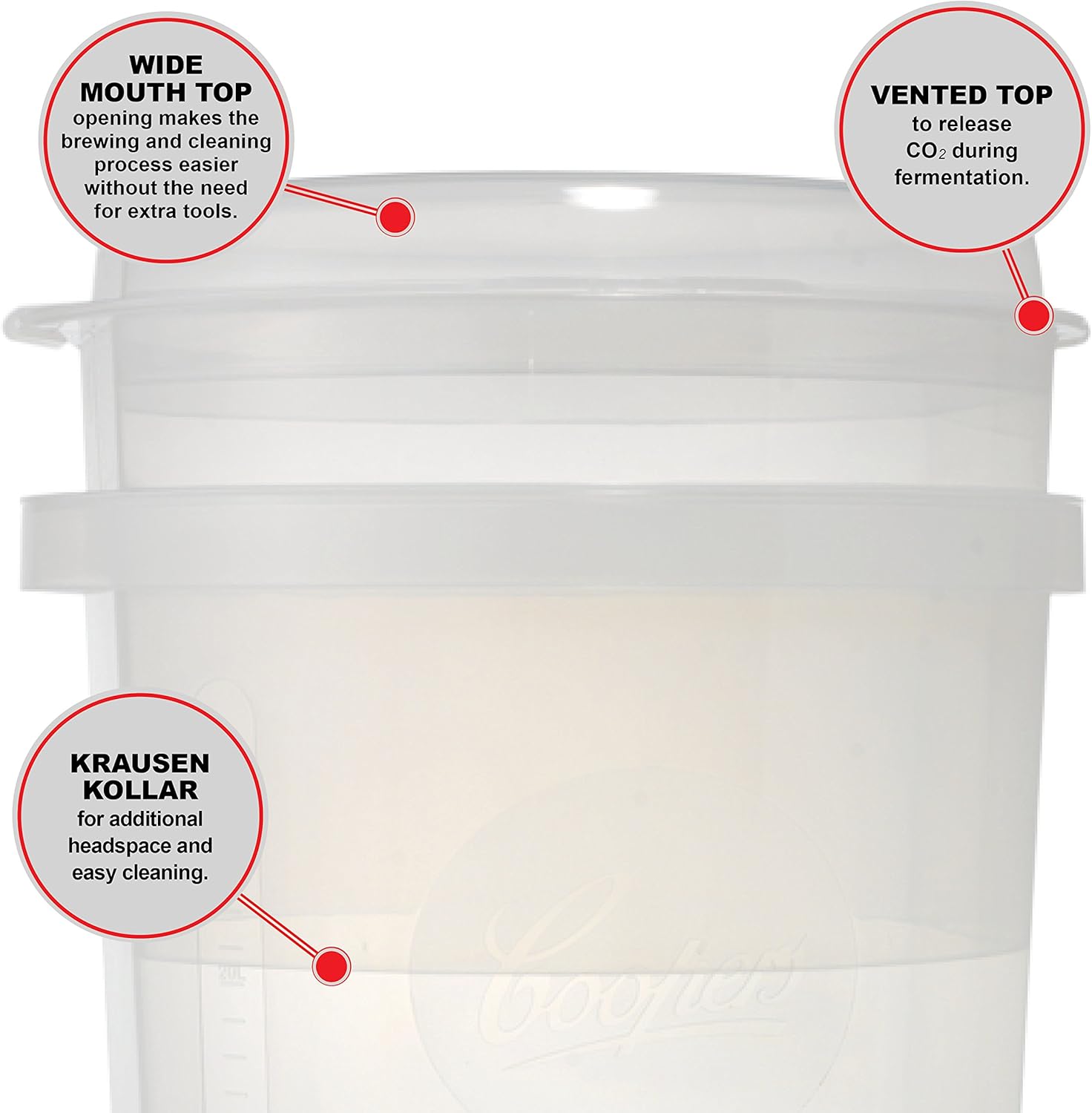
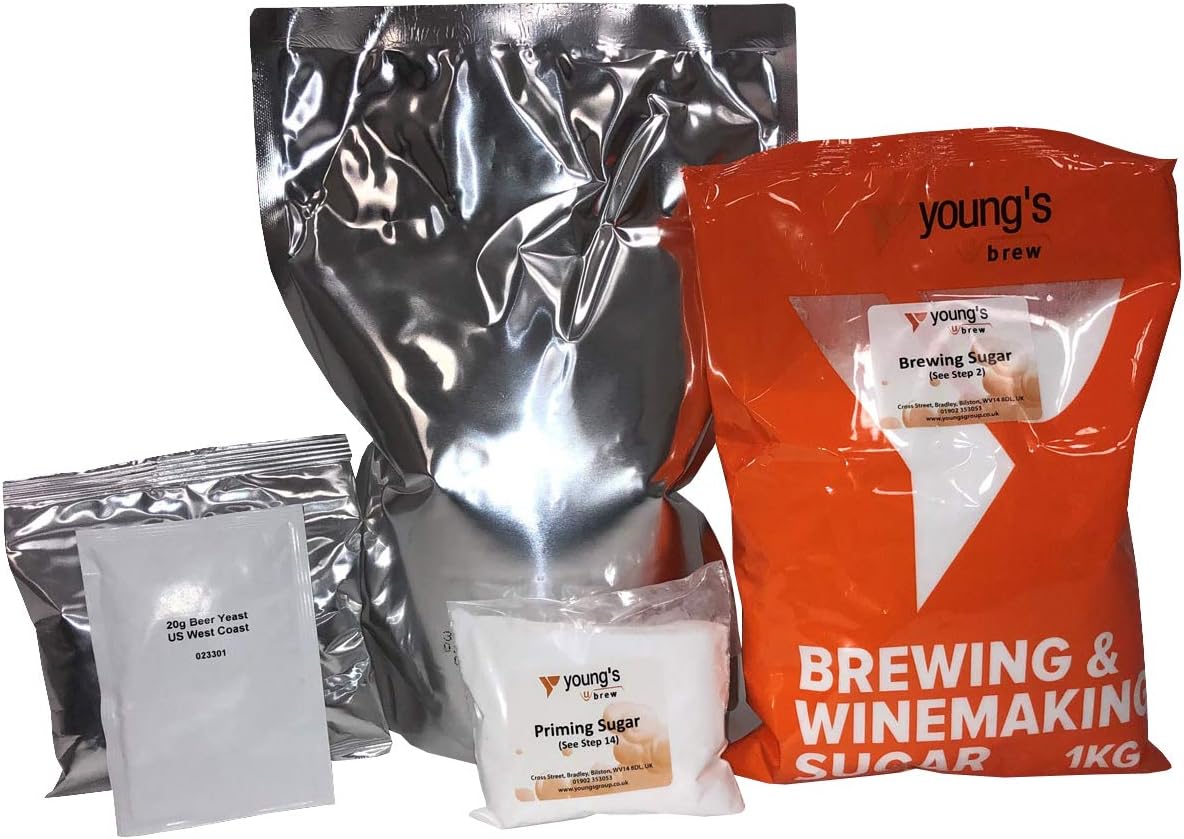
If you want to combine brewing and infusion in one go, a compact homebrew kit is a smart starting point. A small batch beer making starter kit with keg lets you brew a base beer, then layer in citrus peel, wood chips or herbs during fermentation or conditioning.
These classic tools pair perfectly with the more advanced methods and flavor sets you will use later, giving you a solid foundation before moving on to sous vide, vacuum infusions and ready-made kits.
Modern best infusion tools : sous vide, vacuum and smart machines
Precision temperature control with sous vide
Sous vide sticks have become a favorite tool for serious infusers. By holding your beer base, spirit, or cocktail mix at a precise temperature, you can extract flavor from fruits, herbs, coffee, or spices without overcooking delicate aromatics. Lower temperatures preserve bright, fresh notes, while slightly higher ranges pull deeper, richer flavors. Use vacuum bags or heat-safe jars to keep everything clean and consistent, just as you would when carefully managing mash temperatures in homebrewing.
Vacuum infusion for rapid flavor extraction
Vacuum chambers and handheld vacuum pumps speed up infusion by lowering pressure around your ingredients. When pressure drops, dissolved gases escape and liquid rushes into the pores of fruits, herbs, or wood chips. The result is a fast, intense infusion that can mimic days of steeping in under an hour. This method works especially well for hop-forward beer cocktails, barrel-inspired drinks, and experimental batches where you want to test several flavor combinations quickly before committing to a full brew.
Smart machines and programmable infusers
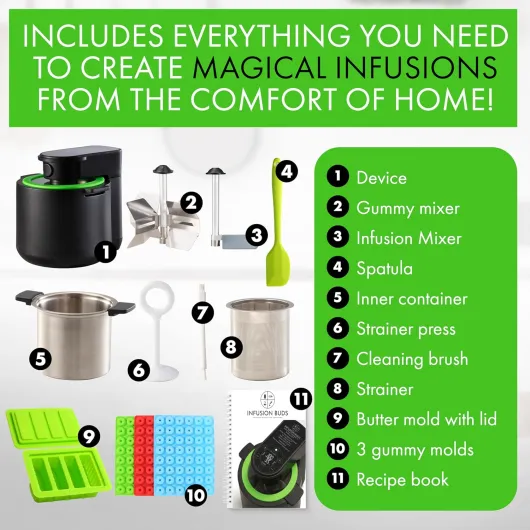
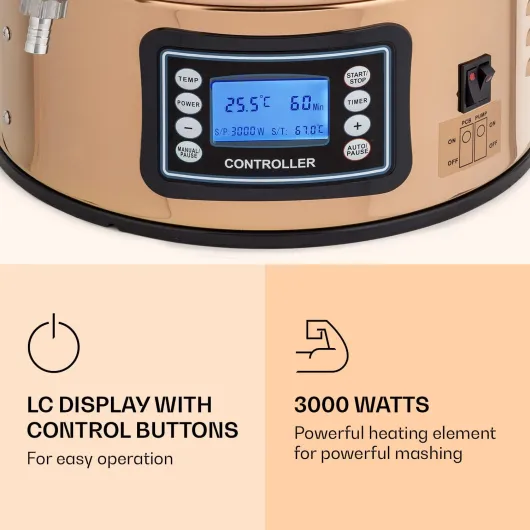
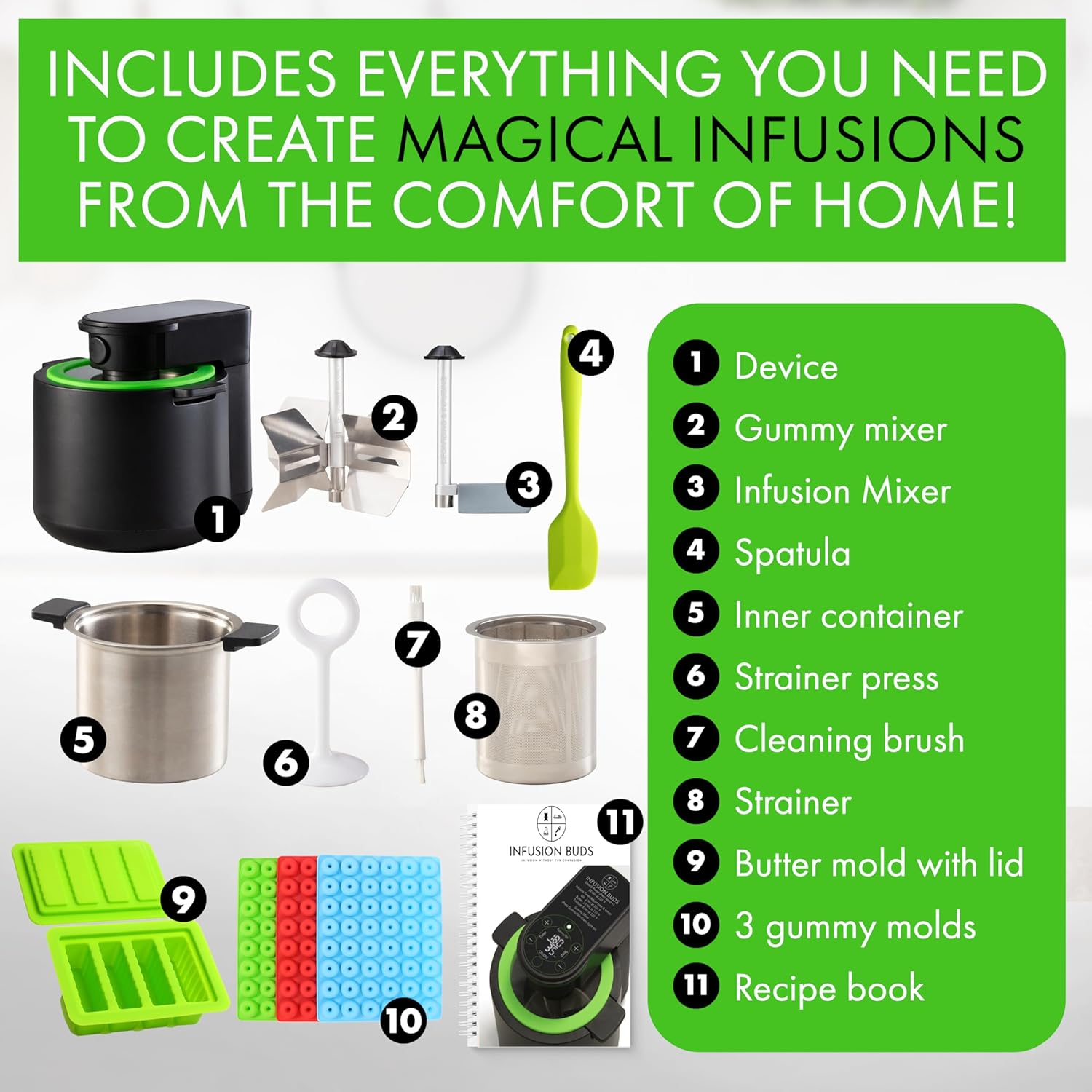
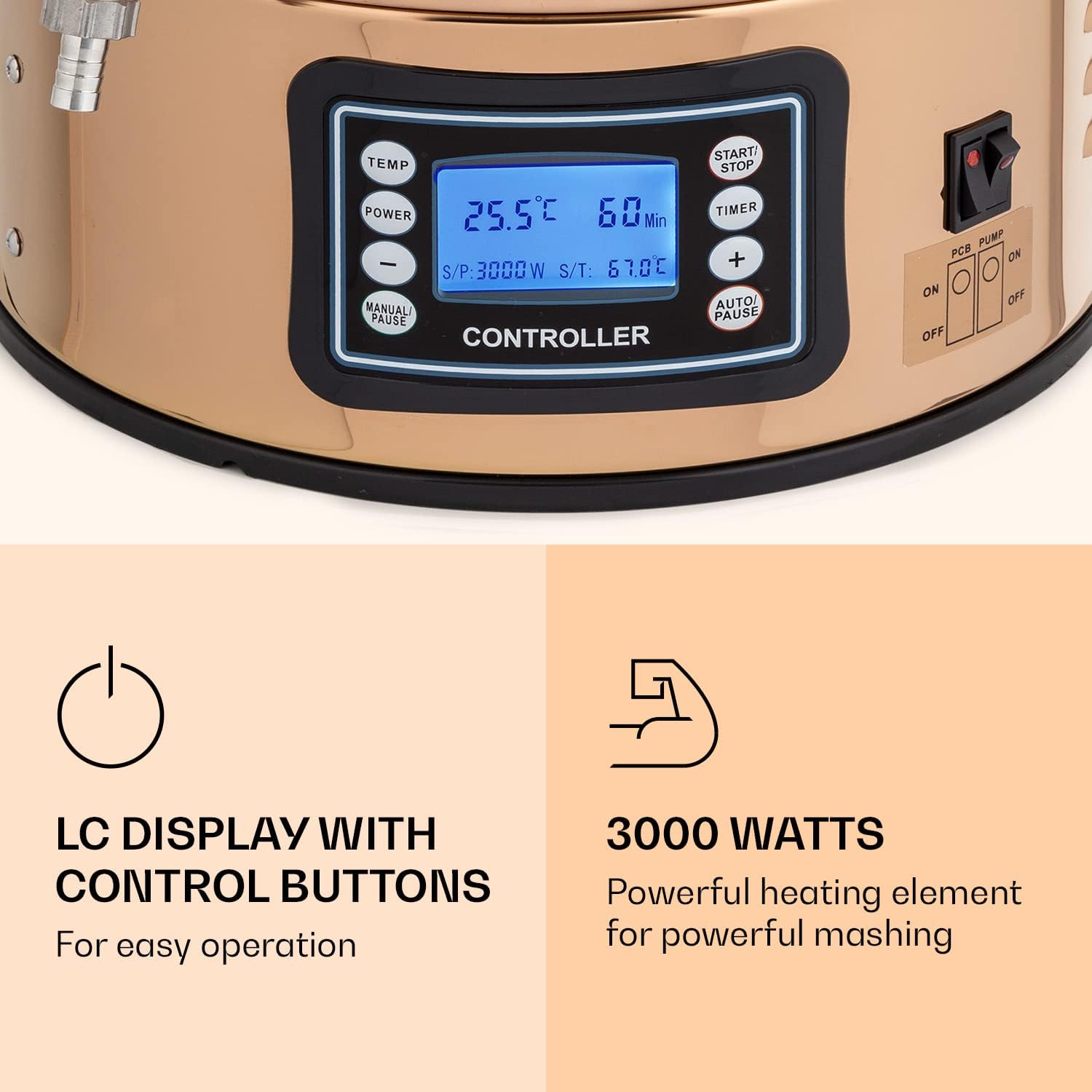
Smart infusion machines bring together heat, time, and sometimes agitation in one compact unit. Many allow you to program temperature curves, set multi-step cycles, and save your favorite profiles for repeatable results. This is ideal if you are building a library of house recipes or cloning flavors you love from commercial breweries. Pairing a smart infuser with a detailed recipe resource such as a clone beer recipe book lets you align your infusion steps with proven grain bills and hop schedules, tightening the link between your base beer and the final infused drink.
Infusion kits, cocktail kits and flavor sets that actually help
How to choose infusion and cocktail kits that are worth it
Infusion kits and cocktail sets can be fantastic shortcuts, but only if they are built around quality ingredients and clear instructions. When you evaluate a kit, look first at the base spirits or beer styles it is designed for. A gin-focused kit will not behave the same way as one meant for dark rum or stout, and using the wrong pairing can mute the flavors you worked so hard to extract with your tools.
Pay close attention to the ingredients included. Dehydrated fruit, herbs, and spices should look vibrant, not dusty or faded. Whole spices (cinnamon sticks, star anise, peppercorns) generally infuse more cleanly than pre-ground blends, which can cloud your beer or cocktail. Kits that list the origin of botanicals or roast level of coffee and cacao usually signal better curation.
Good kits also respect the infusion basics you have already seen with classic and modern tools : time, temperature, and surface area. Look for guidance such as “steep 12–24 hours in the fridge” or “taste every 30 minutes for delicate herbs”. Vague directions like “infuse until ready” often lead to over-extraction and harsh bitterness.
For beer lovers, seek sets that suggest specific styles : citrus and coriander for wheat beers, vanilla and cacao for porters, or wood chips and dried cherries for strong ales. Cocktail-focused kits should offer variations for spirit-forward drinks, long drinks, and low-ABV or alcohol-free options, so you can apply the same flavor logic to mocktails.
Finally, consider refillability. The best kits use reusable jars, filters, or bottles, letting you restock botanicals and keep experimenting instead of buying a whole new set every time inspiration strikes.
Practical infusion tips for beer, cocktails and mocktails
Dialing in your base liquid
Start with a beer, spirit, or mixer that can handle extra character. Neutral lagers and light ales are great for subtle fruit or herb infusions, while robust stouts, IPAs, and barrel-aged beers stand up better to coffee, cocoa nibs, or spices. For cocktails and mocktails, keep sugar and acidity in check before infusing, then adjust sweetness or citrus at the end.
Choosing the right infusion method
Match your tool to your goal. Quick, intense flavor for a one-off cocktail? Go for a fine-mesh infuser or French press. Gentle, clean extraction for a whole growler of beer? Use a large tea-style infuser or hop bag with plenty of room for ingredients to move. For bigger batches, time-controlled infusions in jars or kegs help you avoid over-extraction and bitterness.
Timing, temperature and tasting
- Cold infusions (fridge or cellar) are slower but smoother, ideal for delicate herbs, tea, and fruit.
- Room-temperature infusions work well for spices, coffee, and cocoa nibs, but taste every 15–30 minutes at first.
- Warm infusions (never boiling) extract fast and can turn harsh quickly, so use short contact times.
Always taste as you go. When the flavor is just a bit lighter than you want, stop the infusion ; it will often seem stronger after resting.
Balancing and storing your creations
Once you remove the infusion ingredients, fine-tune the drink. Add a touch of simple syrup for balance, a squeeze of citrus for brightness, or a splash of uninfused beer or mixer to soften intensity. Store finished infusions in clean, airtight bottles in the fridge, label them clearly, and aim to use beer-based infusions within a few days for the freshest flavor.