What a good beer making starter kit usually includes
Core gear you will use every brew day
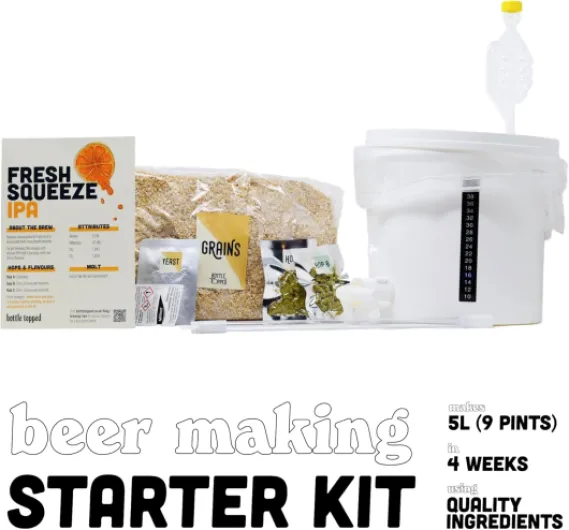
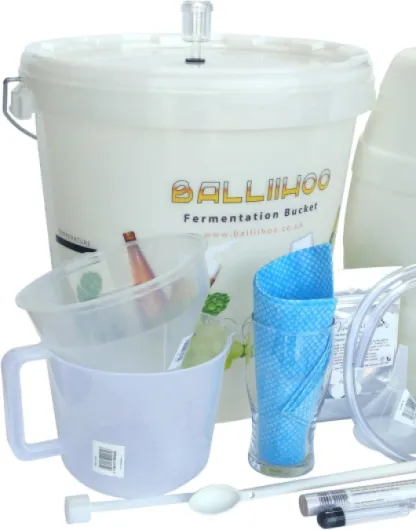
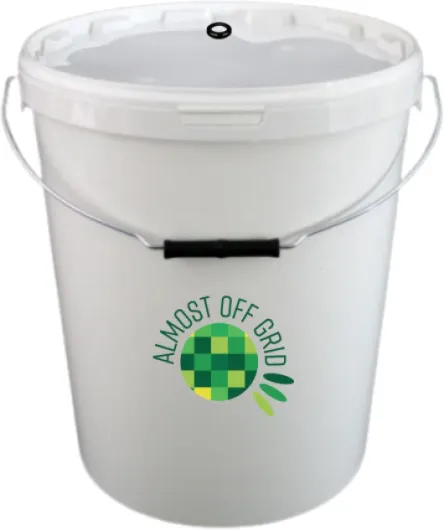
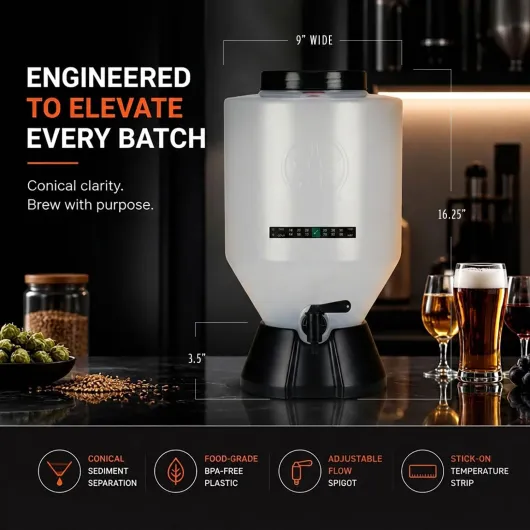
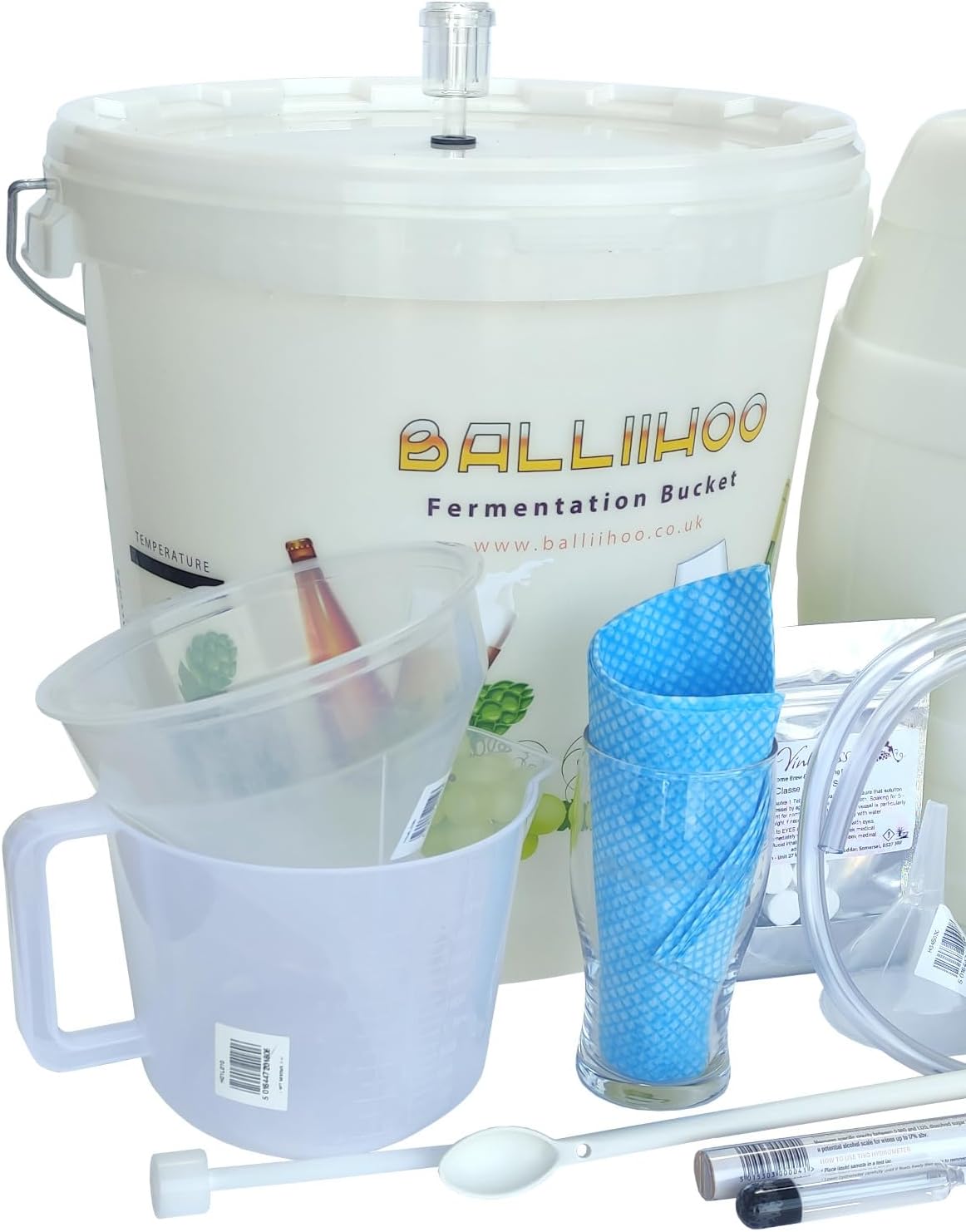
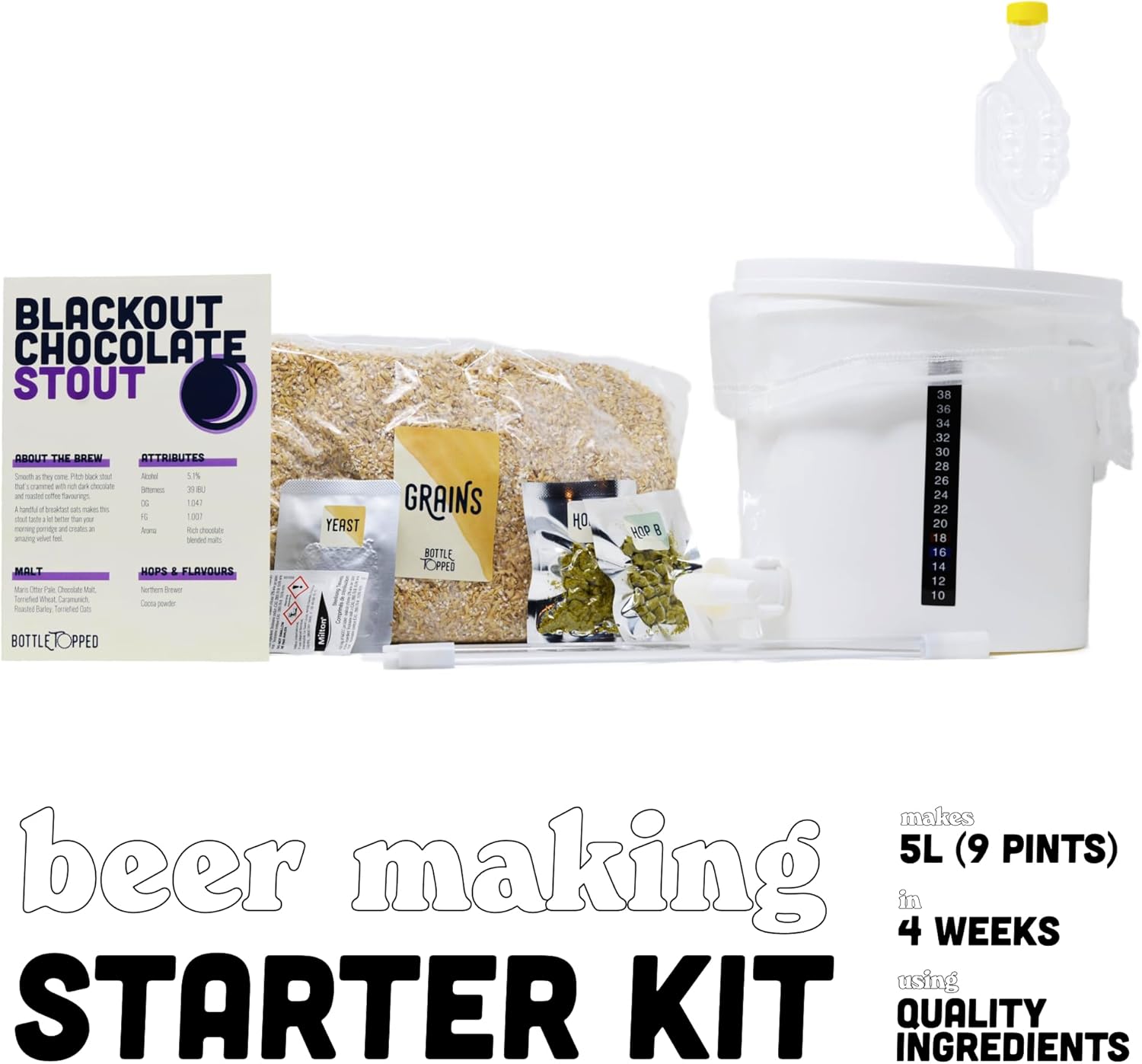
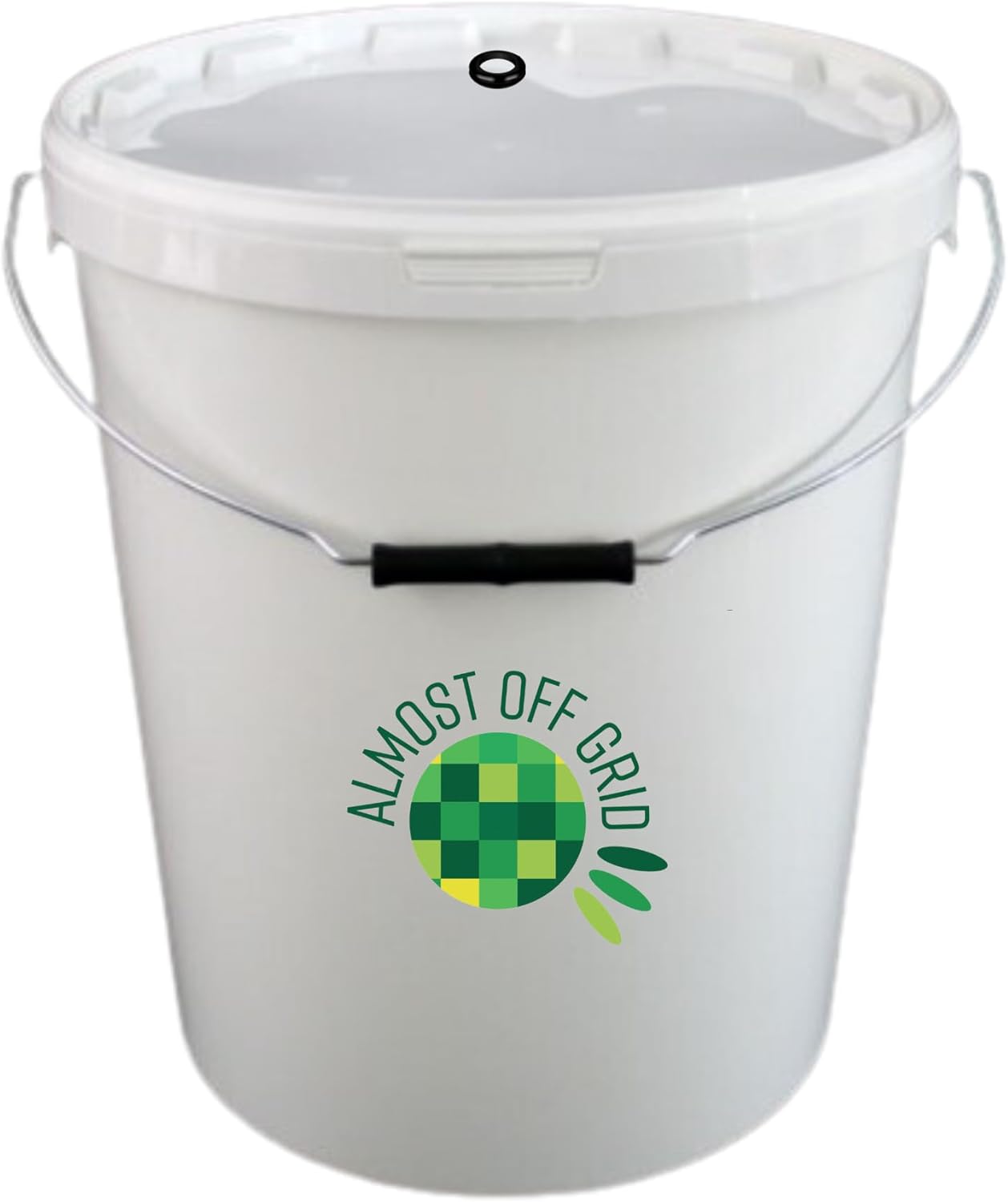
A solid beer making starter kit focuses on the essentials you will touch every time you brew. At the heart of it, you should find a fermenter (bucket or carboy) with a tight lid and airlock, plus a bottling bucket with a spigot. These two vessels handle fermentation and packaging, and good ones will serve you well beyond your first recipes.
You also need a reliable siphon or auto-siphon, food grade tubing, and a bottling wand. Together, they move your beer gently from one container to another, limiting oxygen pickup and keeping things clean. A basic bottle capper and a bag of caps round out the packaging side.
Cleaning, sanitation and measurement tools
Any worthwhile kit includes a no-rinse sanitizer and a cleaner. These are not optional extras ; they are your main defense against off-flavors and infections. Many beginners underestimate this part, yet it is as important as the ingredients themselves.
For tracking fermentation, look for a hydrometer with a test jar and a simple thermometer. These tools help you follow your beer’s progress and learn how temperature and gravity affect the final result, which will matter even more when you move to more advanced methods and recipes.
Ingredients and learning support
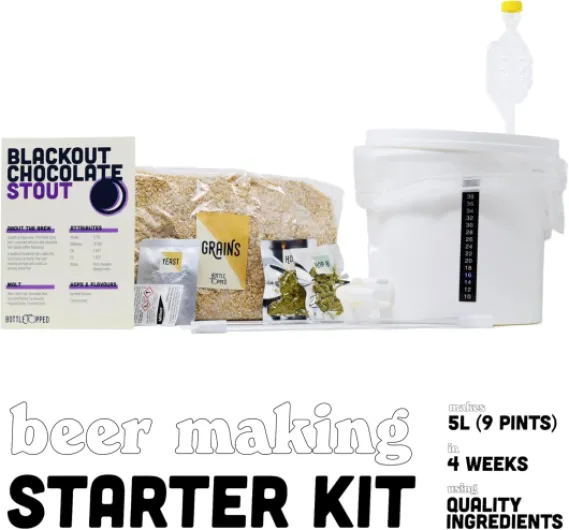
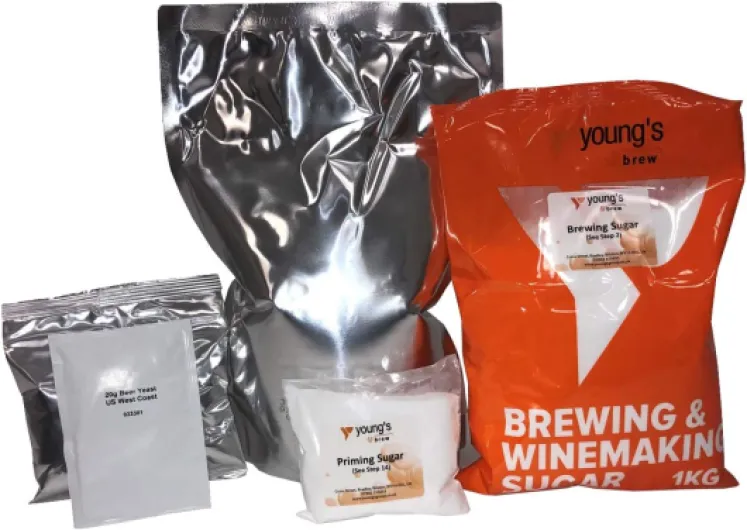
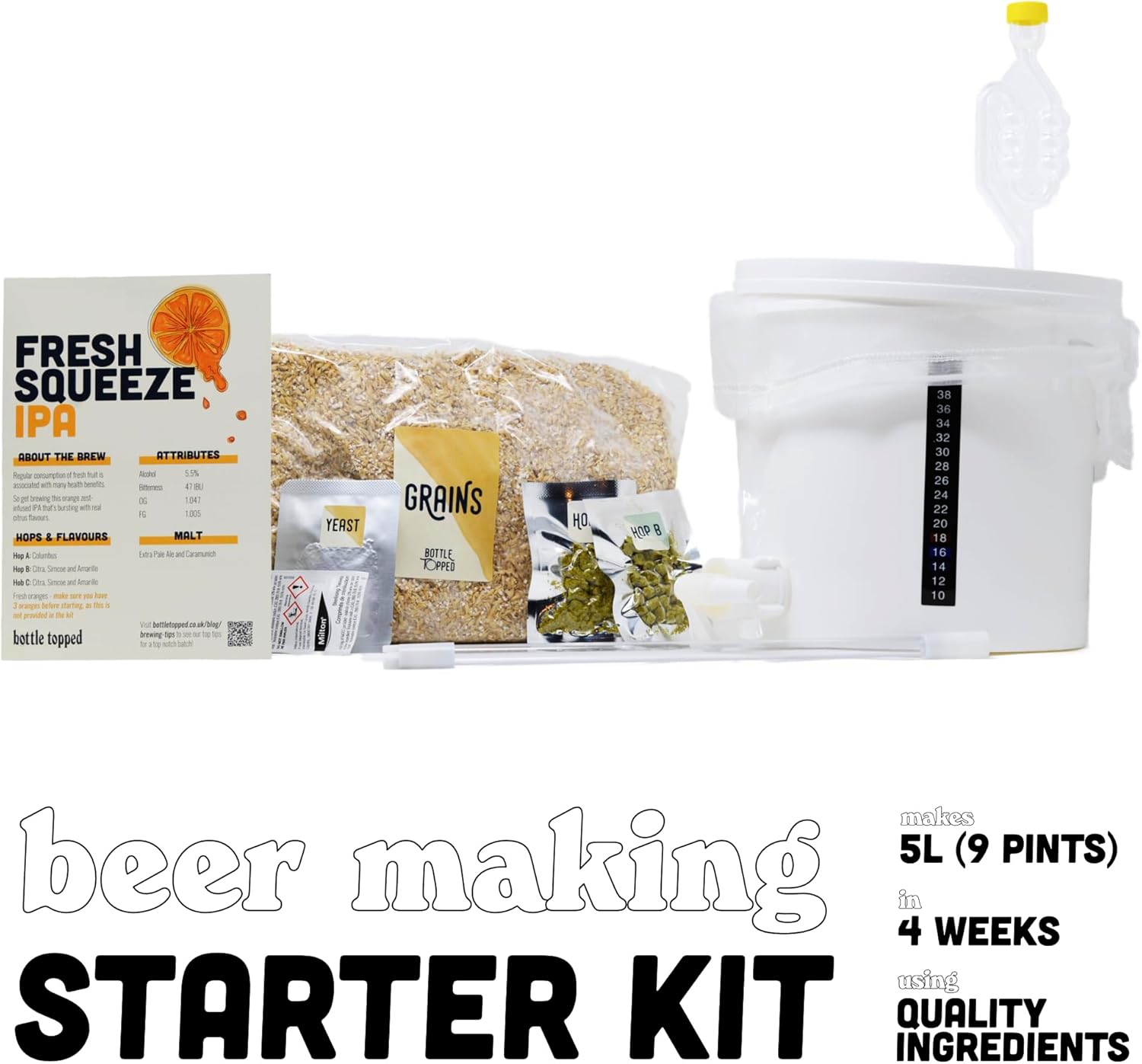
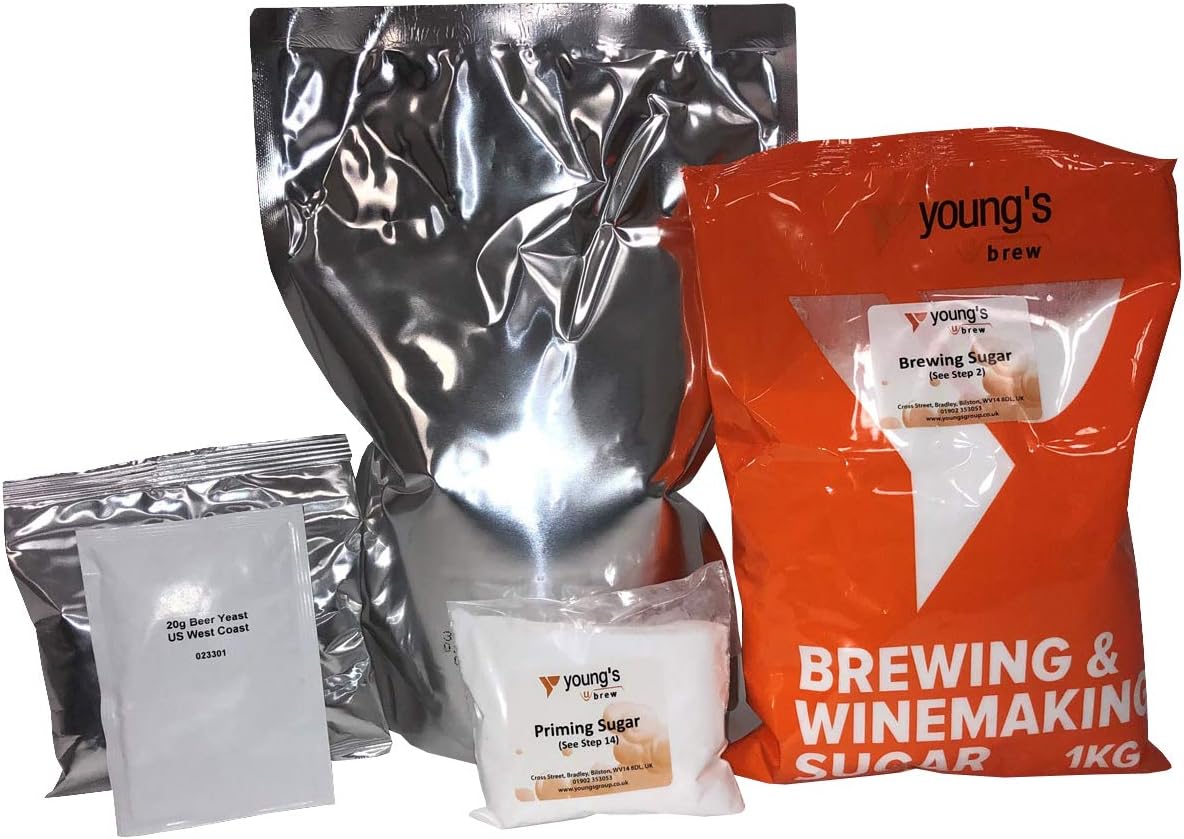
Most starter kits ship with at least one extract recipe kit, including malt extract, hops, yeast, and priming sugar. This lets you brew right away without having to choose ingredients separately.
If you want to build skills that carry into more complex brewing, choose a kit that pairs with a detailed guide such as an advanced homebrewing science and troubleshooting manual. Even if you start with extract, having this level of reference nearby will make your early batches more consistent and prepare you for future upgrades in equipment and technique.
Extract brewing starter kits versus all grain brewing kits
Choosing between extract and all grain for your first batches
When you pick a starter kit, one of the biggest decisions is whether it is built for extract brewing or all grain brewing. Both can produce excellent beer, but they differ in how much time, equipment and control they require.
Extract brewing kits are usually the most beginner friendly. They use malt extract (liquid or dry) instead of raw crushed grain. This means :
- Shorter brew days, because you skip the full mashing step
- Less equipment to buy and store
- Simpler temperature management
For many new brewers, an extract kit is the fastest way to get from unboxing to tasting your first homemade beer. It also pairs well with the basic gear described earlier, such as a simple fermenter, siphon and bottling setup.
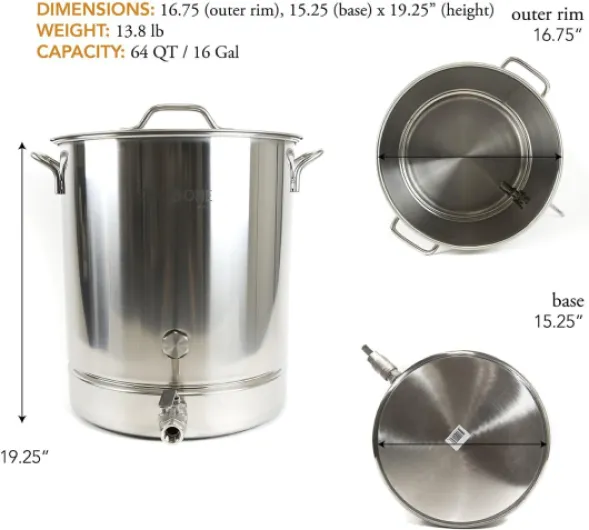
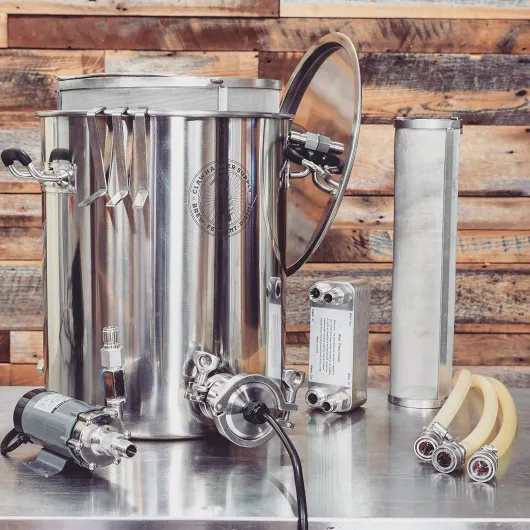
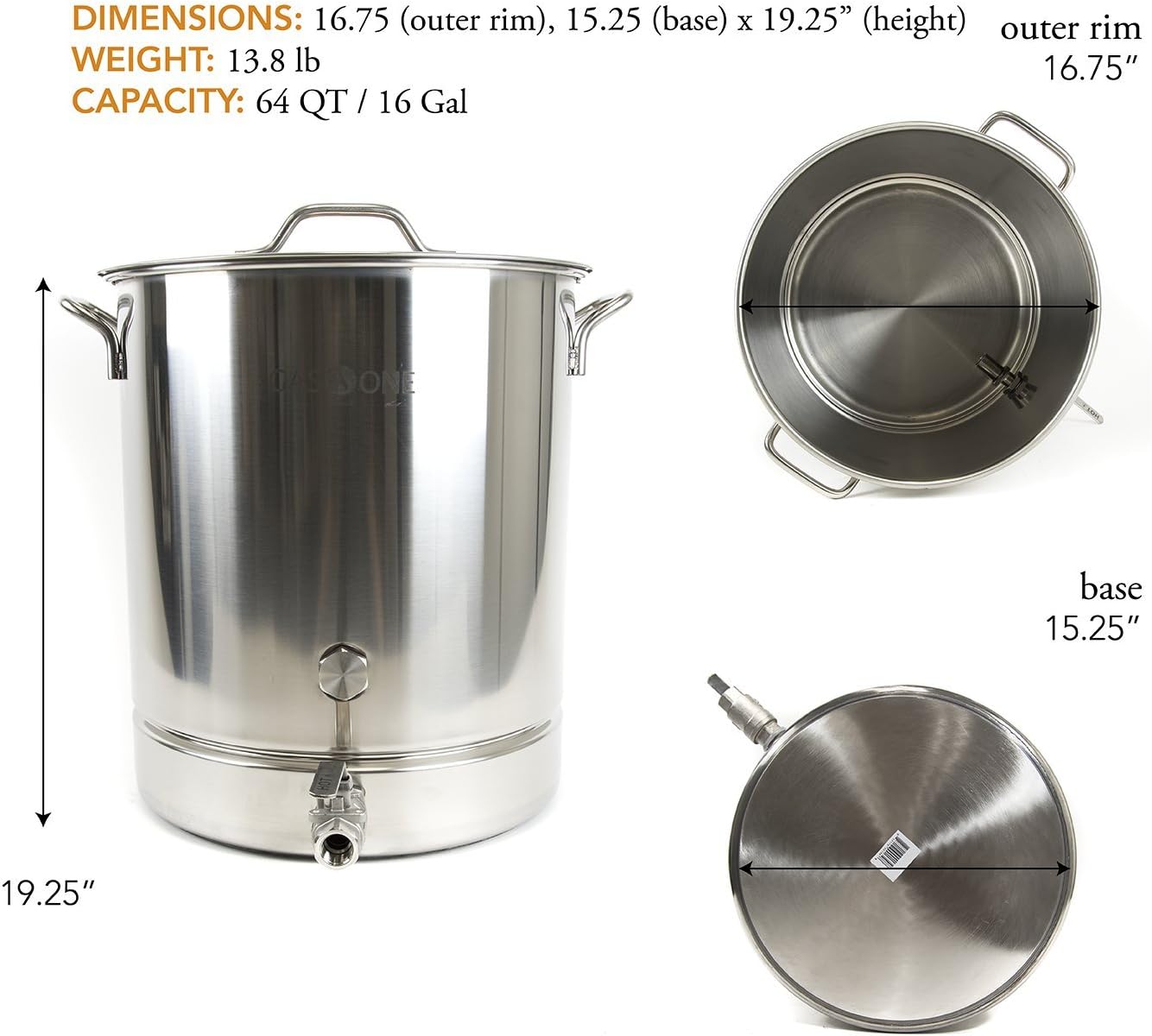
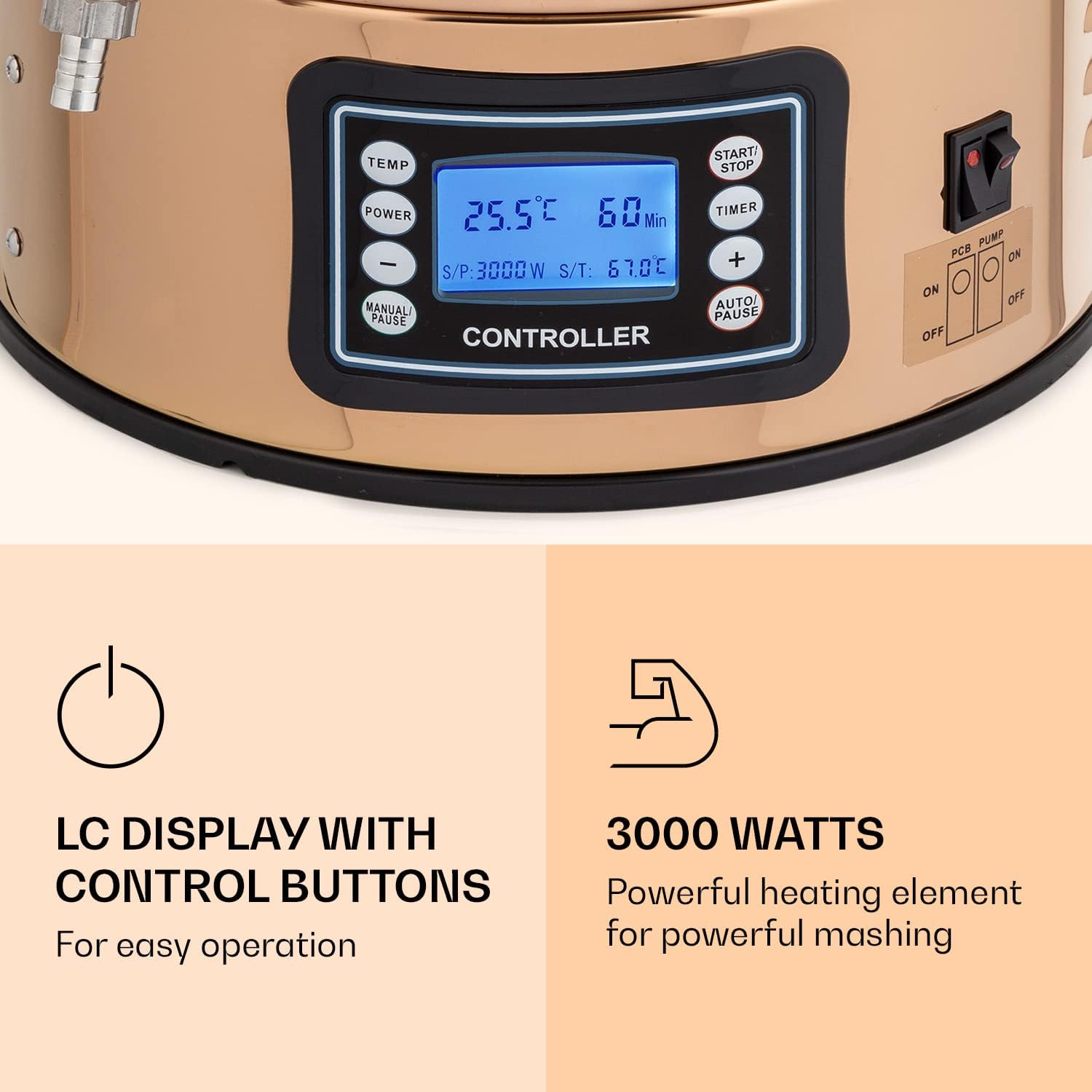
All grain brewing kits give you more control over flavour, body and fermentability. They include extra equipment like a mash tun or grain basket, and often a larger kettle. With all grain, you :
- Choose your own grain bill and mash schedule
- Can fine tune colour, mouthfeel and alcohol level
- Invest more time on brew day, but gain flexibility
Because all grain setups are more involved, they make the most sense if you already know you love the process and plan to brew regularly. In that case, you might also start thinking ahead to serving options, such as a small pressurized mini keg growler for your finished beer.
In short, extract kits emphasise simplicity and speed, while all grain kits emphasise control and customisation. Your choice should match how deep you want to dive into the brewing process right from the start.
How to compare starter kits by price, materials and long term use
Balancing budget and quality
When you start comparing starter kits, price is usually the first thing that jumps out. A cheaper kit can be tempting, but think about how many batches you want to brew. If you plan to make only one or two experimental batches, a basic kit may be enough. If you already feel hooked after reading about ingredients and brew day steps, it is worth paying a bit more for sturdier gear that will last.
Materials that stand up to repeated brewing
Look closely at what the fermenter and key tools are made of. Food-grade plastic buckets are light and affordable, but they can scratch more easily and may absorb odours over time. Glass carboys give you great visibility and are resistant to staining, but they are heavier and can break if handled roughly. Stainless steel is the most durable and easiest to clean, yet it usually comes with a higher price tag. Think about your space, how careful you tend to be with equipment, and how often you expect to brew.
Thinking about long term use and upgrades
A good starter kit should not feel disposable after your first successful batch. Check whether the kit can grow with you as you move from simple recipes to more advanced techniques. Standard sizes for fermenters, airlocks, and tubing make it easier to add new pieces later, such as a larger kettle, a wort chiller, or better bottling tools. Also consider how easy it will be to clean and store everything between brew days. The more user-friendly and adaptable your kit is, the more likely you are to keep brewing, refining your process, and eventually sharing your own signature beers with friends and family.
From first brew day to sharing your own craft beer
Planning your first pour with friends
Once your beer has finished fermenting and you have followed the basic packaging steps from your kit instructions, it is time to think about how you want to serve it. This is where the choices you made earlier about equipment quality and batch size really start to matter. A reliable siphon, sturdy bottles or a simple kegging option will make this stage smoother and far less stressful.
Before you invite anyone over, taste a small sample yourself. Check for carbonation, off-flavours and clarity. If something feels slightly off, do not panic. Many beginner beers are drinkable but not yet perfect. Use this first batch as a learning tool : take notes on what you like, what you would change, and how your starter kit either helped or limited you.
Using feedback to improve your next batch
When you finally share your beer, be honest that it is a first attempt. Most people will be impressed you brewed at all, and that takes the pressure off. Ask a few simple questions :
- Is it too bitter, too sweet, or nicely balanced ?
- How is the carbonation level ?
- Would you drink another glass of this style ?
Compare their answers with your own notes. If you started with an extract kit, you might realise you want more control over flavour and body next time, which can guide you toward more advanced equipment and ingredients. If you already chose an all grain kit, feedback will help you fine-tune mash temperatures, hop schedules and fermentation control.
Batch by batch, your starter kit becomes less of a beginner tool and more of a trusted base. With each brew day, you will gain confidence, refine your process and move from “trying homebrewing” to proudly serving your own house beer.