Types of siphons, pumps and hoses for brewing and wine making
Manual siphons for simple, controlled transfers
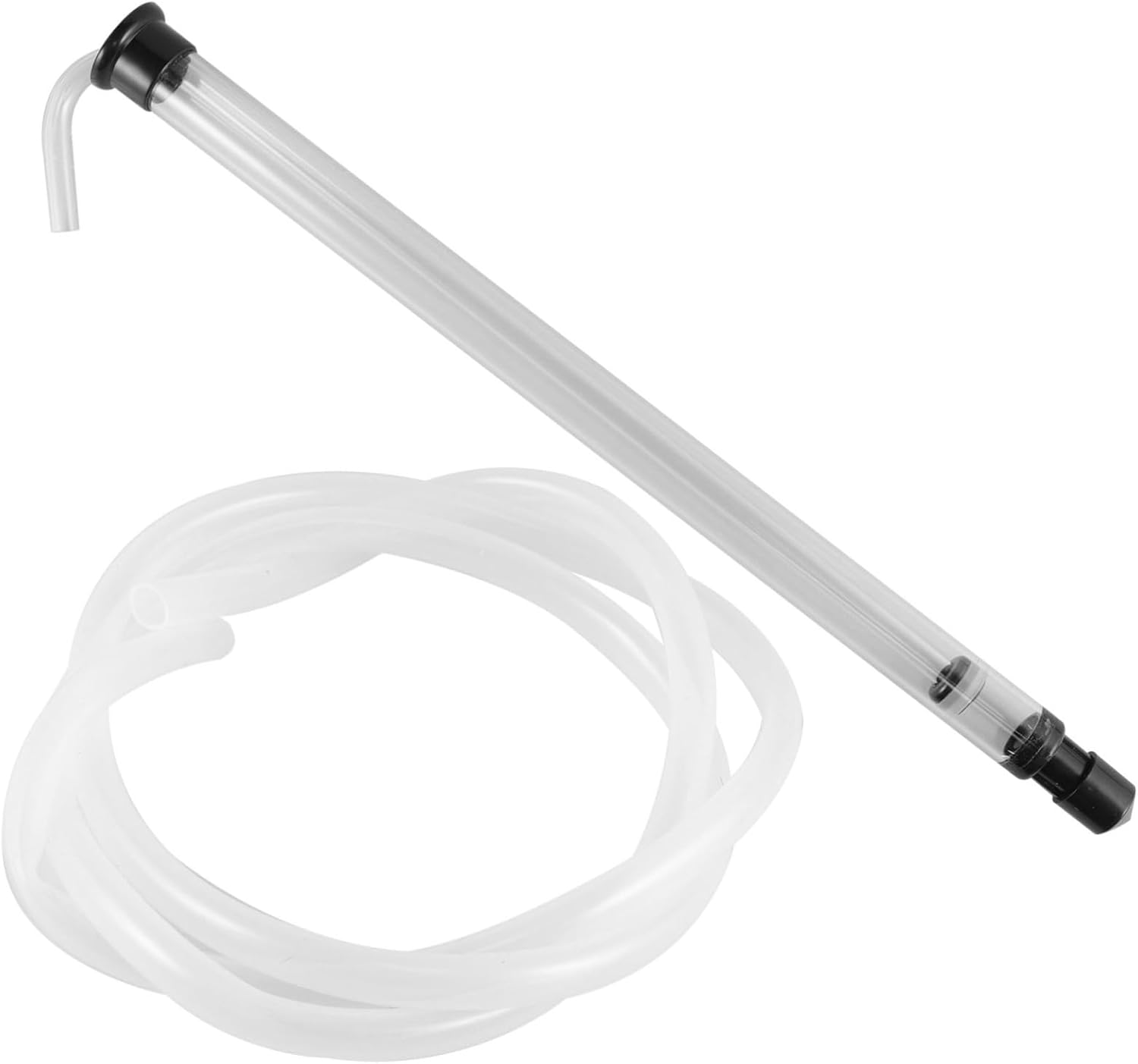
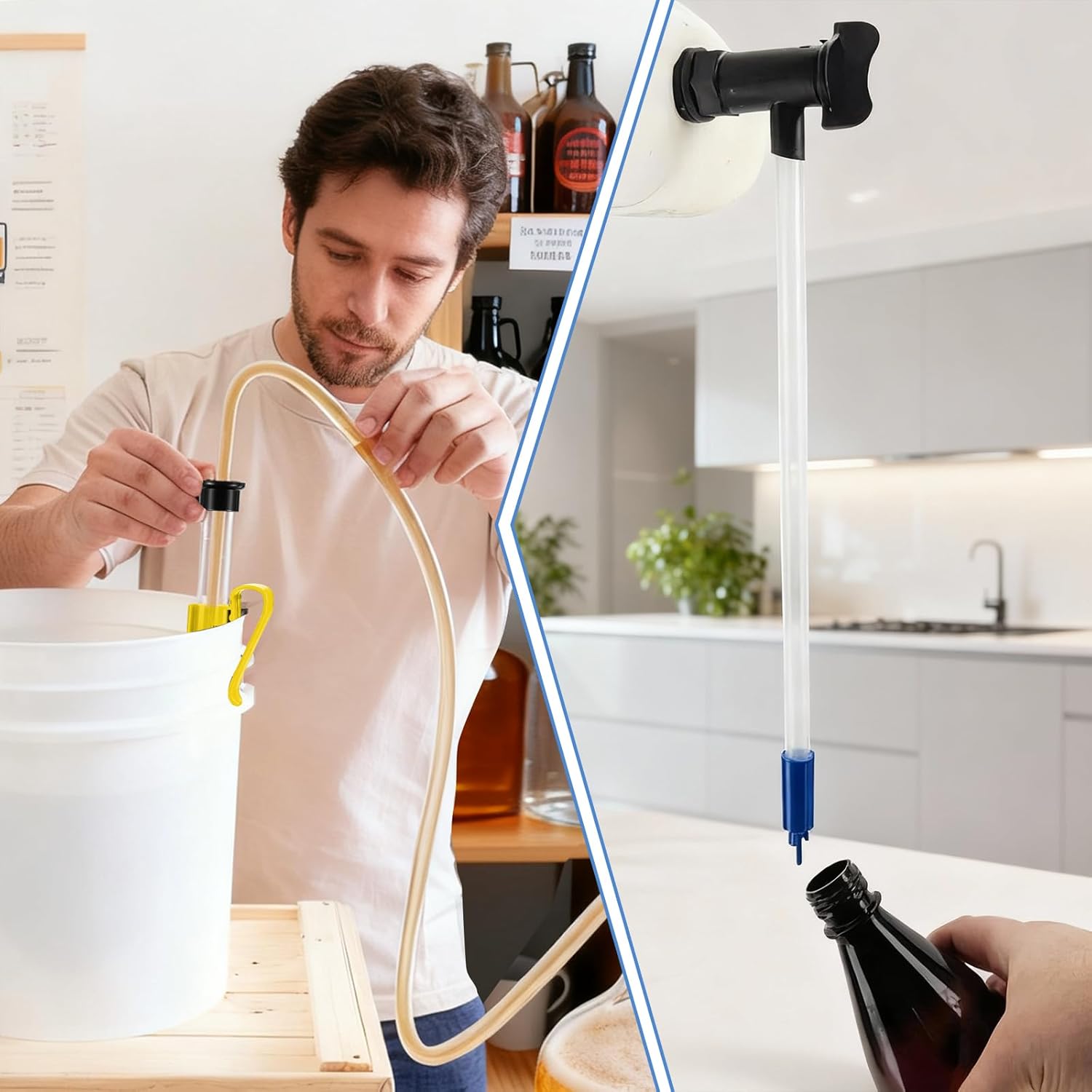
Manual siphons are the classic choice for homebrewers and winemakers. They use gravity to move liquid from one vessel to another, giving you good control over flow and limiting splashing. Basic racking canes with tubing are inexpensive and reliable, but they require you to start the flow by sucking or using a separate starter tool.
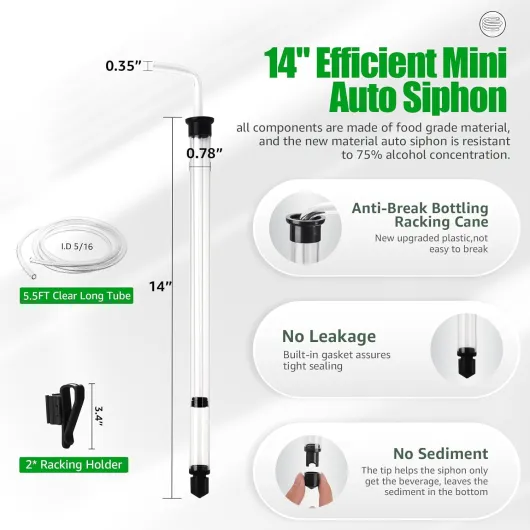
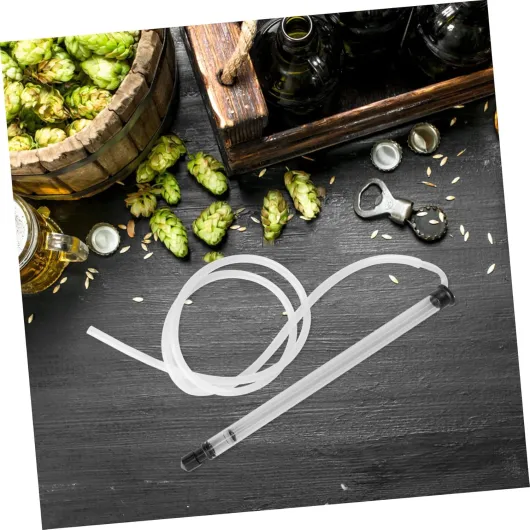
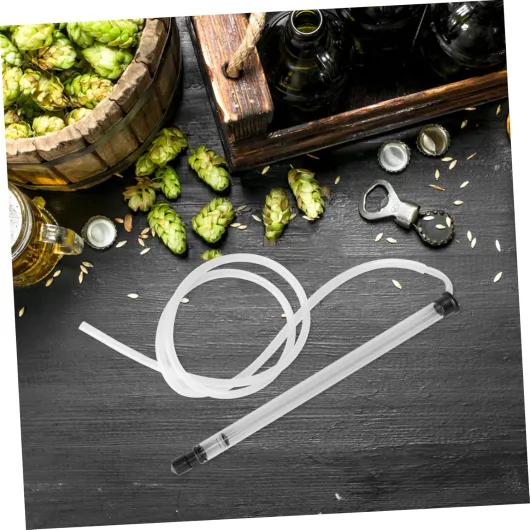
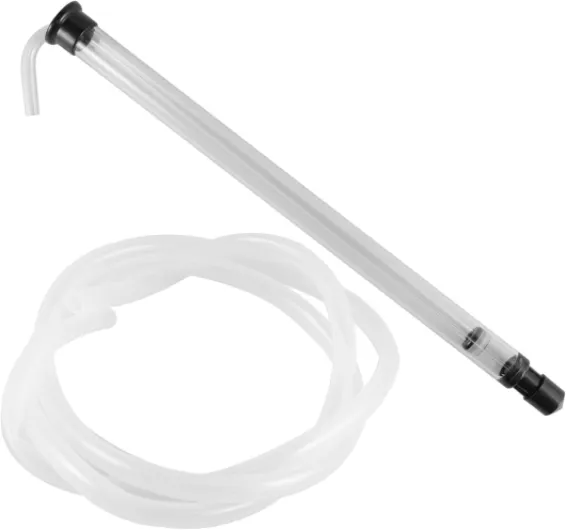
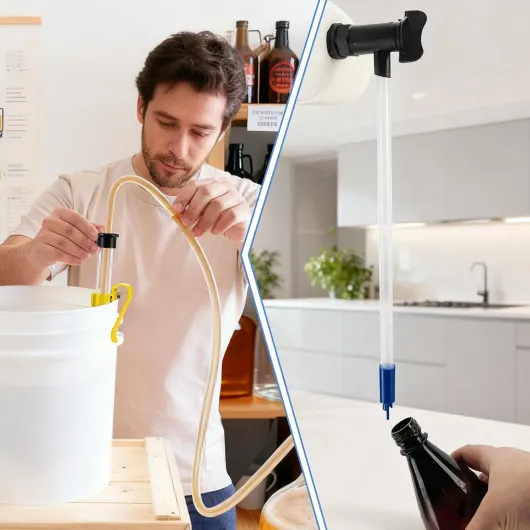
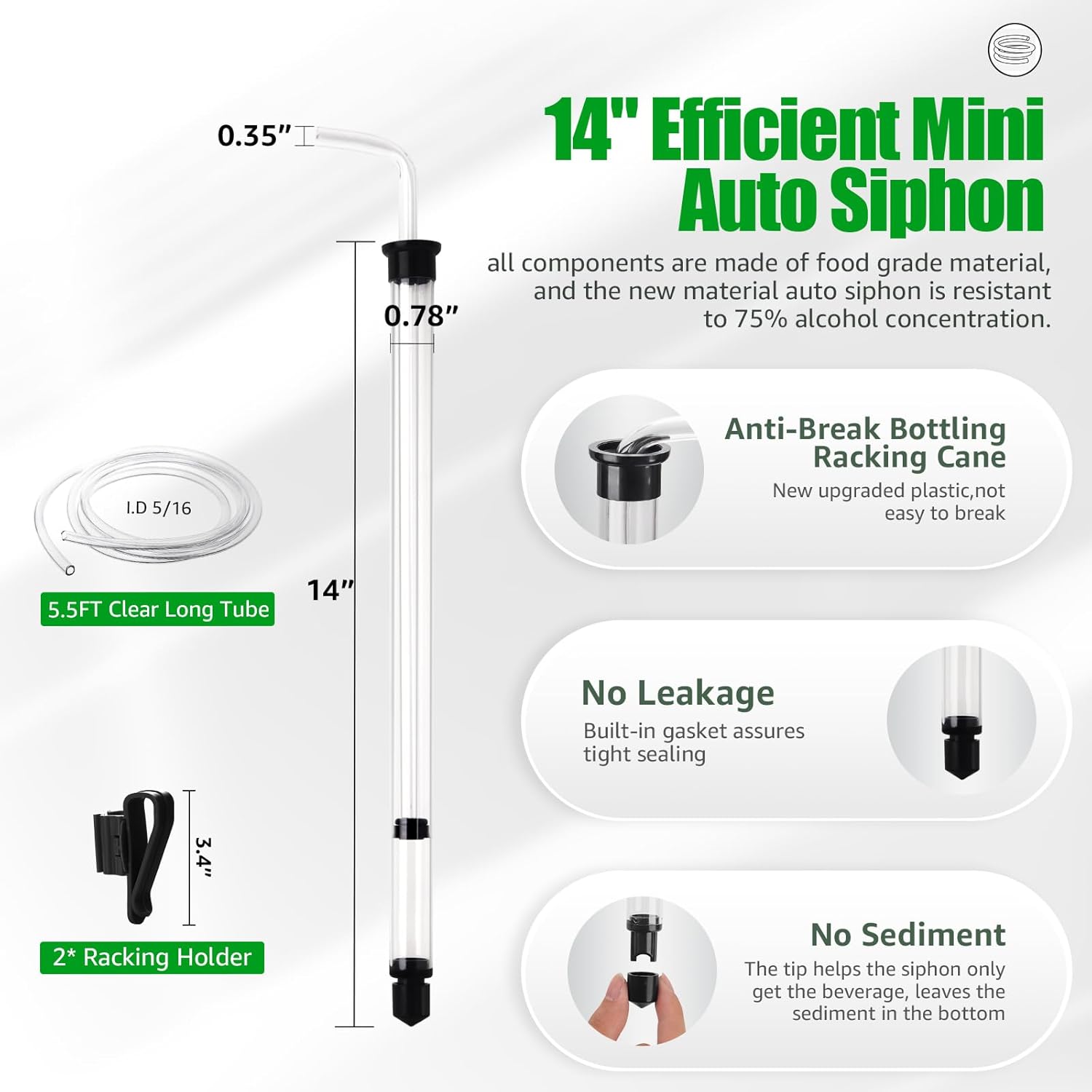
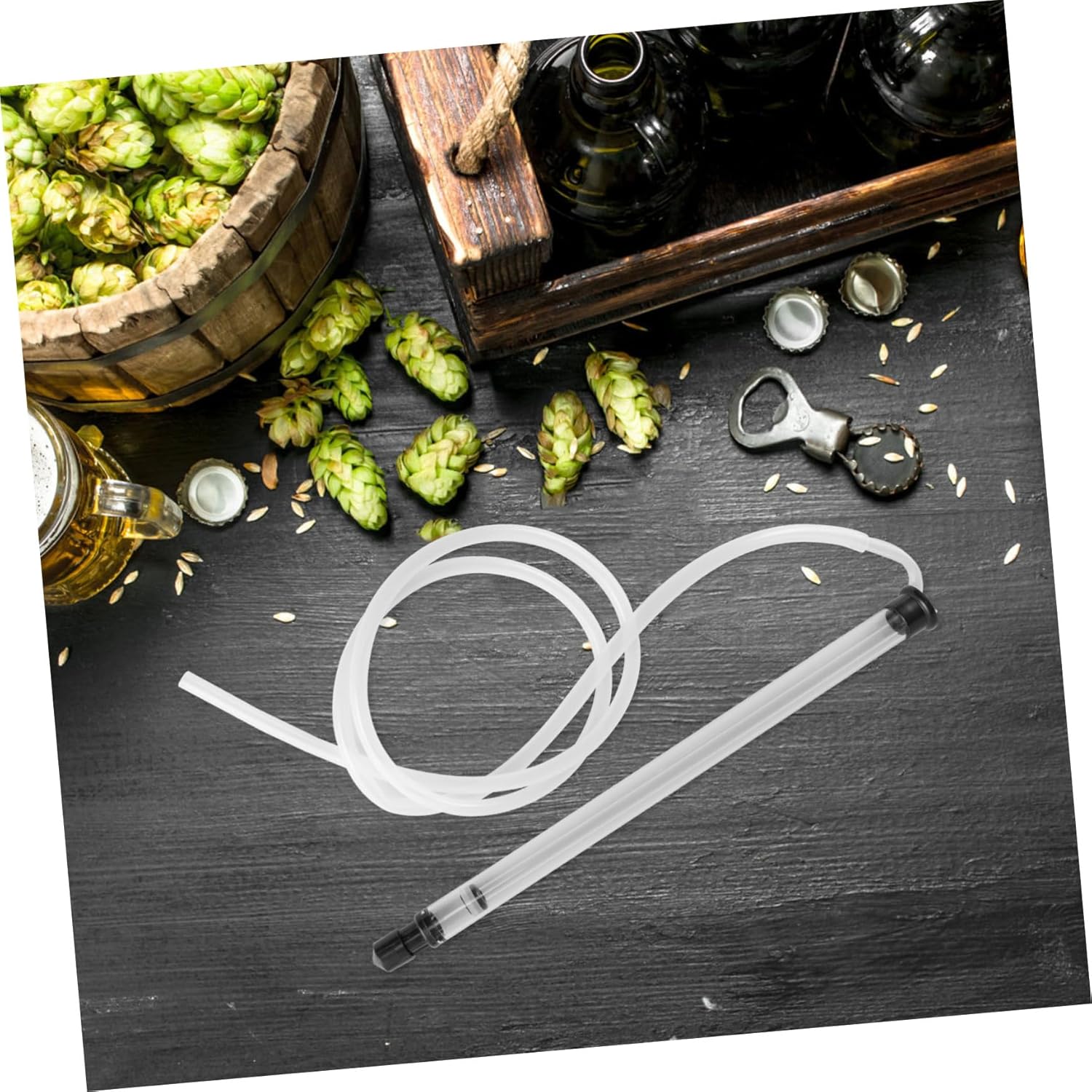
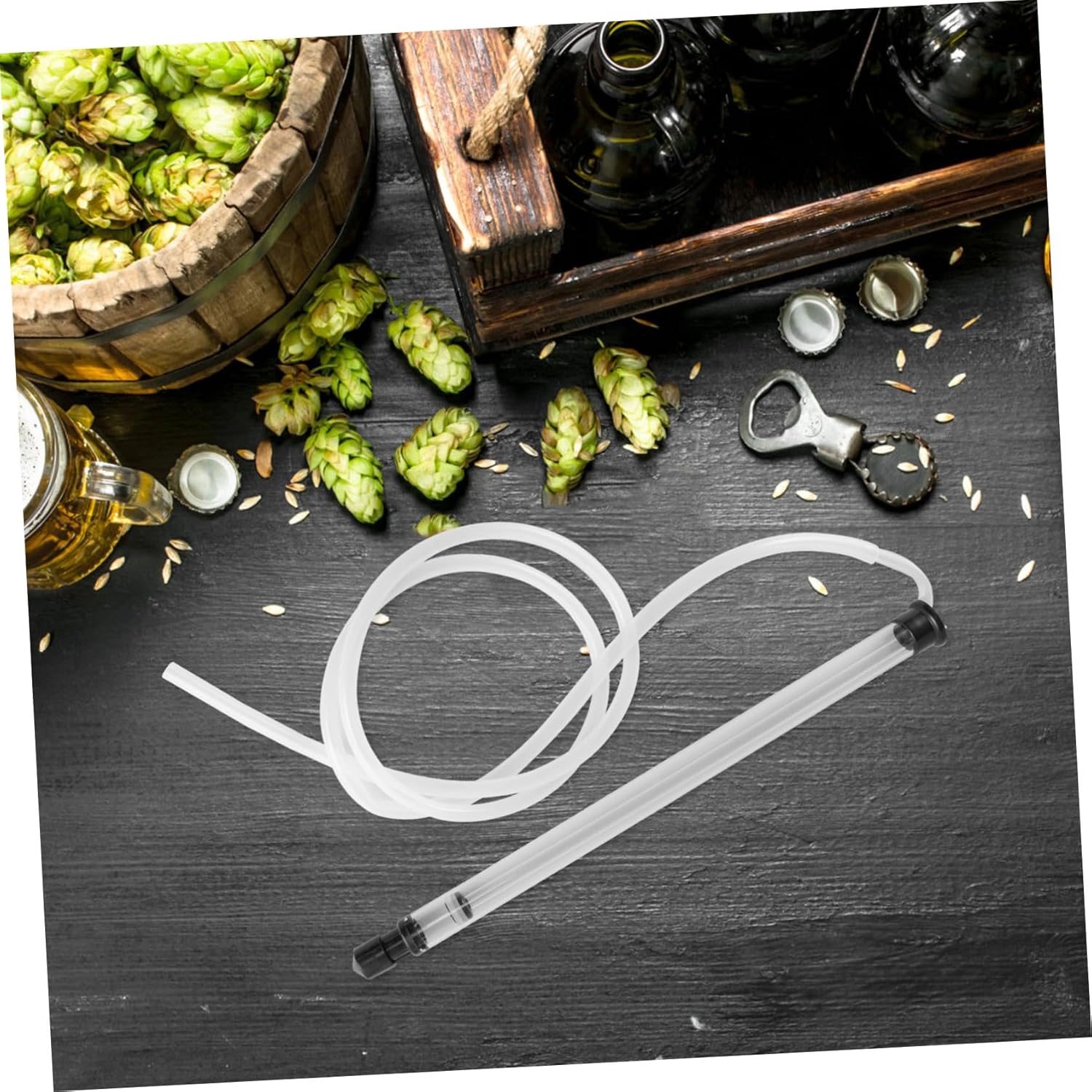
Auto-siphons improve on this by adding a pump action. A few quick strokes and the flow starts without any mouth contact, which is far more hygienic. Many brewers keep a small auto-siphon for test batches and a larger one for full-size brews. For a versatile, reusable option, look at an auto siphon transfer tool for homebrew that includes multiple sizes or replacement parts.
Pumps for larger or more frequent brewing
When you brew bigger volumes or want to move hot wort, a pump can be a game changer. Magnetic-drive pumps are common in homebrewing ; they handle higher temperatures and can recirculate wort through a chiller or whirlpool. Diaphragm pumps are gentler and sometimes self-priming, useful for transferring finished beer or wine with minimal oxygen pickup.
Pumps add complexity and cost, but they reduce lifting heavy fermenters and can speed up your brew day. They also pair well with quick disconnects and silicone hoses for flexible setups.
Choosing the right hoses and tubing materials
Tubing is just as important as the siphon or pump. Vinyl (PVC) tubing is cheap and fine for cold transfers, but it can leach flavours at higher temperatures. Silicone tubing is heat resistant, flexible, and ideal for hot wort or cleaning cycles with near-boiling water.
For beer and wine, always choose food-grade tubing with the correct inner diameter for your fittings. Opaque or coloured hoses can help limit light exposure, while reinforced tubing resists kinks on tight bends.
How to choose the best siphons and tubing for your brewing style
Match your transfer gear to your batch size
The first thing to consider is how much beer or wine you usually move at once. Small 5 L test batches or experimental brews work well with simple auto-siphons and narrow tubing ; they give you control and reduce waste. For standard homebrew batches, a sturdy racking cane with 3/8" or 1/2" tubing balances flow speed and oxygen protection. If you regularly handle larger volumes, a food-grade pump and wider hose can save time and effort.
Align materials with your fermentation style
Material choice matters for both flavor and safety. Food-grade PVC tubing is common and affordable, ideal for most ales and everyday wines. For higher-temperature transfers, such as moving hot wort, silicone tubing is more heat resistant and flexible. If you brew highly aromatic IPAs, sour beers, or funky mixed fermentations, consider dedicated tubing sets to avoid flavor carryover between styles.
Balance clarity, oxidation risk, and speed
Your brewing goals should guide how fast and how gently you transfer. If you prize crystal-clear lagers or delicate white wines, choose siphons with fine sediment stoppers and avoid overly wide tubing that can stir up trub. For hop-forward beers where freshness is key, prioritize short, direct tubing runs and smooth, continuous flow to limit oxygen pickup. A well-matched setup lets you move liquid quickly without splashing.
Use expert guidance to fine-tune your setup
Once you know your batch size, styles, and clarity goals, you can refine your choices with detailed brewing resources. A comprehensive guide such as the ultimate guide to homebrewing techniques and recipes helps you pair specific siphons, pumps, and tubing diameters with your preferred beer and wine styles, so your transfer equipment truly fits the way you brew.
Practical tips for clean, easy beer and wine transfers
Setting up smooth, splash-free transfers
Before you start a transfer, position your fermenter higher than the receiving vessel and secure both so they cannot wobble. Make sure the tubing reaches the bottom of the target container ; this limits splashing and keeps oxygen pickup to a minimum. If your siphon has a racking cane, angle the tip slightly above the sediment layer to avoid pulling trub.
Prime your auto-siphon or pump with sanitizer, then drain it out so only a thin film remains. This helps the flow start quickly and keeps air bubbles from forming in the line. If you are using a simple gravity siphon, fill the tubing with sanitizer or boiled water first, clamp one end, then release it once both ends are in place.
Cleaning routines that actually stick
Right after each transfer, run warm water through the tubing until it is completely clear. Follow with a no-rinse cleaner or brewery wash, then rinse again if required by the product. Hang hoses in large loops so they dry fully ; avoid tight bends that can trap moisture and lead to mold.
For stubborn residue, soak siphons and tubing in a brewery-safe cleaner, then push a soft, appropriately sized brush through rigid parts like racking canes. Replace cloudy, stiff, or stained tubing rather than trying to rescue it ; plastic is cheap, but infections are not.
Simple habits to avoid contamination
Keep one dedicated set of hoses for cold-side work (post-boil, fermentation, packaging) and another for hot-side tasks. Cap or bag sanitized tubing ends if you prep them in advance. During transfers, avoid touching the inside of hoses or fittings, and keep pets, dust, and open windows away from your work area. These small habits, combined with the right equipment choices, make every transfer cleaner, faster, and more reliable.
Real brewer experiences and trusted sources for siphon reviews
What homebrewers really say about their siphons
Talk to a few experienced homebrewers and you will hear the same theme ; reliable siphons and tubing remove stress on transfer day. Brewers who upgraded from basic, flimsy hoses often report fewer stalled siphons, less splashing, and noticeably clearer beer in the glass.
Many brewers praise rigid auto-siphons for primary-to-secondary transfers. They like being able to start the flow with one smooth pump instead of sucking on the hose or juggling clamps. For bottling, flexible food-grade tubing with a snug fit on the bottling wand is a common favorite, because it keeps hands free and minimizes oxygen pickup.
Common complaints and how people avoid them
When siphons get bad reviews, it is usually for three reasons :
- Cloudy beer from trub pickup – often solved by using a racking cane with a tip, or by gently tilting the fermenter near the end of the transfer.
- Leaks at connections – most brewers fix this by matching inner and outer diameters carefully and replacing stretched tubing regularly.
- Hard-to-clean parts – users tend to favor designs that can be fully disassembled and brushed, especially after sticky high-gravity beers or fruit wines.
Where to find trustworthy siphon reviews
Brewers often rely on a mix of sources before buying new transfer gear. Long-running homebrew forums and local club groups are valued for honest, experience-based feedback. Video reviews help people see how quickly a siphon starts, how strong the flow is, and how much sediment gets disturbed.
Finally, many homebrewers compare notes after several batches, not just the first use. The most trusted siphons and tubing are the ones that keep working smoothly after repeated cleaning cycles, hot and cold transfers, and the occasional brewing mishap.