
Summary
Editor's rating
Is it worth the money or should you buy everything separately?
Simple design that sticks to the basics
Plastic quality and overall build feel
How it holds up after a couple of batches
Real-world use: fermentation, temperature and bottling
What you actually get in the box
Does it actually help you brew decent beer, wine or cider?
Pros
- Includes two 23L buckets, so you can ferment two batches or use one as a bottling bucket
- All the basic equipment you need (except ingredients and bottles) in one box
- Easy to use for beginners: standard airlocks, hydrometer with instructions, and simple syphon with sediment trap
Cons
- Price is a bit high compared to buying similar gear separately
- No tap on the buckets and no ingredients, bottles or detailed brewing guide included

Specifications
View full product page →| Brand | Almost Off Grid |
A no-nonsense starter kit for getting your first brew going
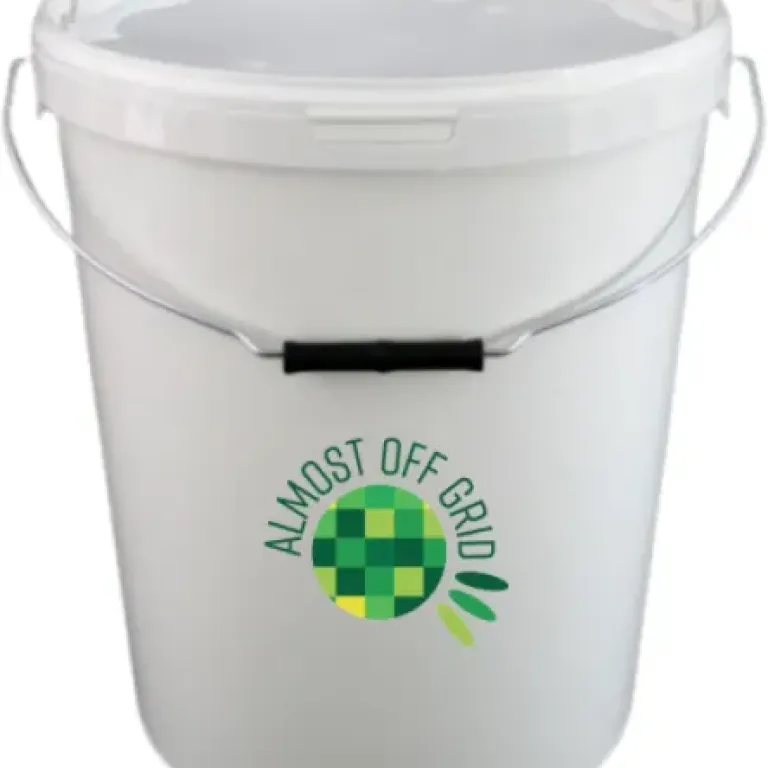
I picked up the Almost Off Grid Premium 25L Beer and Wine Making Starter Kit because I wanted something simple to get back into homebrewing without faffing around buying every bit separately. I’ve brewed on and off for years, but most of my old gear was either cracked, stained, or missing, so I treated this as a fresh start. The promise is pretty clear: two 23L buckets, basic tools, and enough to get a 23L batch going straight away, as long as you buy your own ingredients and bottles.
First thing to understand: this is an equipment-only kit. There’s no beer or wine concentrate, no sugar, no caps, no corks, no bottles. If you expect to brew straight out of the box with zero extra purchases, you’ll be disappointed. I knew that going in, so I ordered a wine kit and some PET bottles at the same time. Once everything arrived, I had what I needed to get a 23L wine batch started the same day.
In practice, the kit is aimed at beginners, but it doesn’t feel like a toy. The buckets are standard homebrew size, the hydrometer is glass, the airlocks are the usual bubbler type. If you’ve ever brewed before, nothing here will surprise you. It’s more like someone bundled the usual basics together so you don’t have to think too hard. That’s honestly what I wanted: something that just lets you get on with it.
Overall, my first impression after unboxing and using it for one full batch is that it’s a practical, no-frills setup. It’s not perfect, and I do think the price is a bit on the high side for what you get, but it does the job and I was able to get a drinkable wine out of it without any hassle. If you’re the kind of person who doesn’t want to spend hours figuring out what size tubing you need, this kind of kit makes life easier.
Is it worth the money or should you buy everything separately?
Value is where opinions will split on this kit. Functionally, it does what it says: you get the core gear to brew 23L (or even 46L if you use both buckets) of beer, wine, cider or mead. But when I looked around online after buying it, I did notice that you can roughly piece together similar gear for a bit less if you’re willing to shop around and maybe compromise on having only one bucket. One of the Amazon reviewers said the same thing: pretty good kit, but not the cheapest way to get into brewing.
Where this kit earns some points is convenience. If you’re new and don’t want to spend an evening comparing sizes of syphon tubing and hunting for hydrometers, just having everything show up in one box is nice. You pay a bit of a premium for that simplicity. The included steriliser, stick-on thermometers, and dual buckets do add some value, especially the second bucket, which many “bare minimum” starter kits don’t include.
On the downside, for the price, I would have liked at least one bucket with a tap or maybe a slightly bigger tub of steriliser. Also, the kit doesn’t include any instructions beyond the hydrometer sheet, so you’ll almost certainly be relying on YouTube or the instructions from your beer/wine kit to learn the process. For absolute beginners, a small printed quick-start guide would have made the whole thing feel more complete.
If I had to sum it up, I’d say the value is decent but not outstanding. You’re paying for a simple, pre-assembled set of the usual brewing bits, not for premium materials or clever design. If you’re on a tight budget and don’t mind doing some research, you can build a similar setup a bit cheaper. If you just want to get going without overthinking it, this kit is a reasonable buy and should serve you well for your first several batches.
Simple design that sticks to the basics
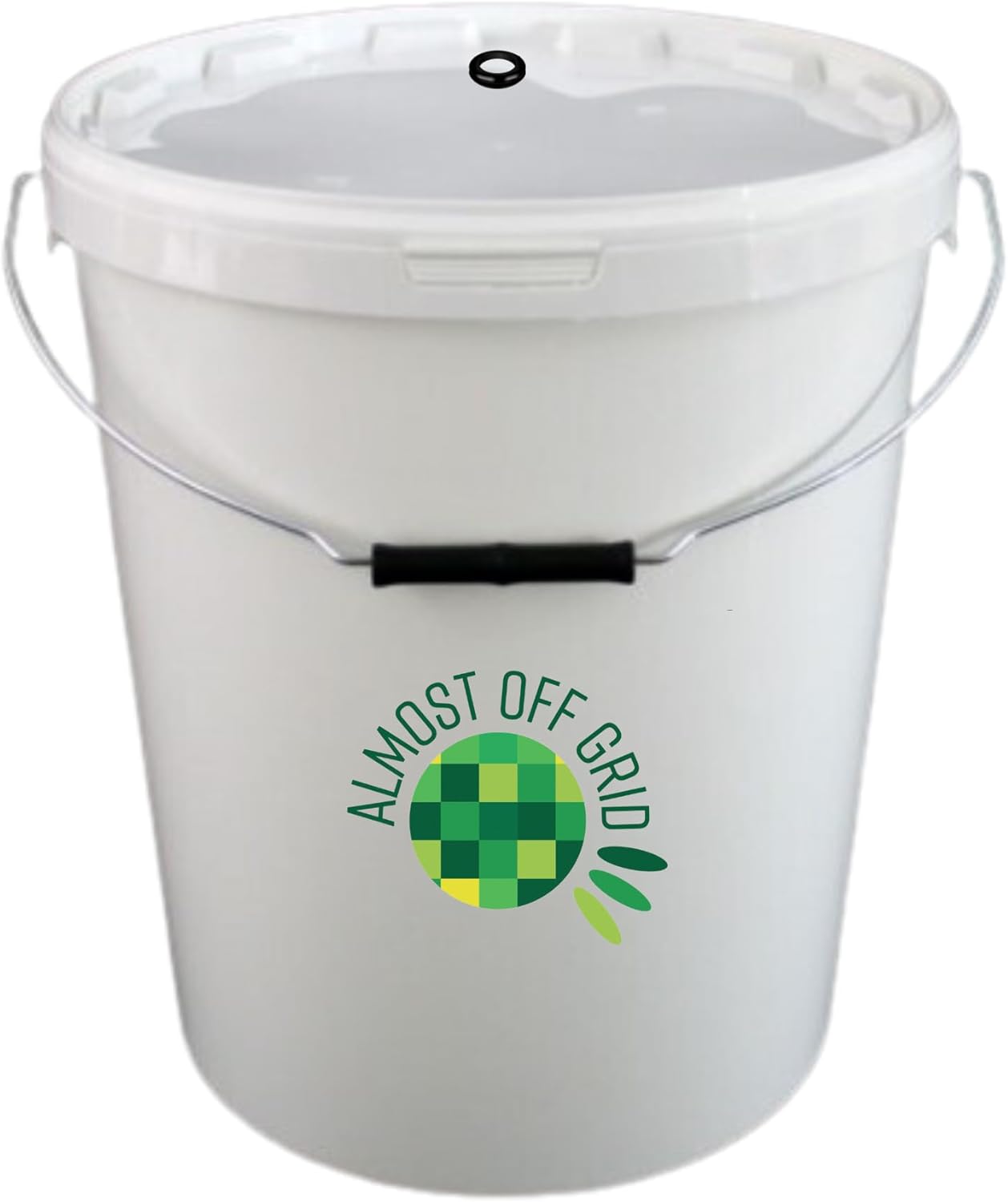
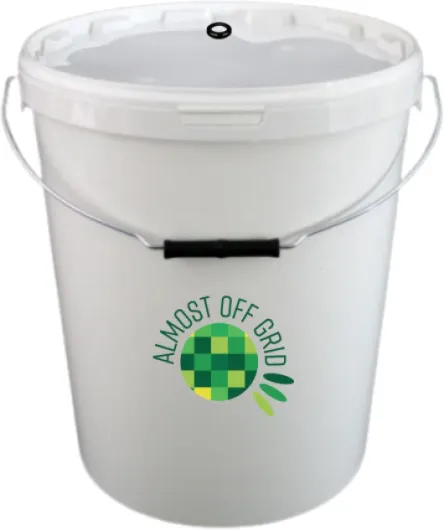
The design approach here is very straightforward: standard homebrew bucket setup, no taps at the bottom, no fancy conical fermenters, no pressure fermentation. Just two plain 23L buckets with tight-fitting lids and airlocks. For a beginner, that’s honestly not a bad thing. Fewer moving parts means fewer ways to mess up your first batch. You ferment in one bucket, then syphon into bottles or the second bucket if you want to do a secondary stage.
What I liked is that they included two buckets. That gives you options. You can either ferment two different 23L batches at the same time (beer in one, cider in the other, for example), or you can ferment in one and use the second as a bottling bucket. Using the second bucket as a bottling bucket is nice because you can leave more sediment behind and end up with clearer beer or wine in your bottles. The included syphon has a sediment trap which helps a bit with that as well.
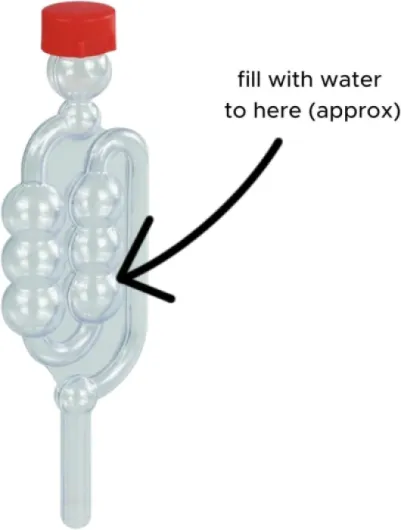
The stick-on thermometers are basic LCD strips, but they’re good enough to know if you’re in the right ballpark for fermentation temperature. I stuck one on each bucket and they both read consistently with my separate digital thermometer, within a degree or two. The airlocks are the classic S-shaped ones: nothing fancy, but they work. You just fill them partly with water and the red caps keep dust and fruit flies out.
If I had to nitpick the design, I’d say a tap on at least one bucket would have been handy for bottling, especially for beginners. As it is, you have to rely entirely on the syphon, which is fine, but taps are easier if you’re clumsy or nervous. Also, the buckets don’t have printed volume markings, so you have to eyeball or measure your water level the first time. Not a huge deal, but would’ve been a simple improvement. Still, for a basic starter kit, the design is clean and functional.
Plastic quality and overall build feel
Everything in this kit is plastic except the hydrometer, which is glass. The buckets are food-grade plastic, fairly standard for homebrew. They don’t feel ultra thick, but they also don’t feel flimsy. I filled one all the way to around 23L with water to test it before brewing, and there was a bit of flex when lifting it, but nothing scary. I wouldn’t carry it across the house at arm’s length, but that’s true of most fermenting buckets. I just shuffle it carefully or move it when it’s half full.
The lids fit quite tight, which is what you want for fermentation. You have to press around the rim to get them to fully snap on, but once they’re on, they stay put. The grommets for the airlocks feel snug in the holes; I didn’t have any leaks or weird smells escaping from there. The airlocks themselves are the usual clear plastic type. They’re not premium, but they don’t need to be. They clean up easily with warm water and steriliser.
The hydrometer is glass, and that’s a good thing. The cheap plastic hydrometers I’ve had in the past scratched easily and were hard to read. This one is clear, and the scale is readable. The plastic tube it comes in doubles as a trial jar, and that actually works fine. It’s not as stable as a heavy glass trial jar, so you just need to set it somewhere flat and not bump it while taking a reading. The paddle, funnel, and jug are lightweight plastic, but they get the job done and clean easily.
In terms of durability, I’d say the materials are decent but not bulletproof. I saw one review mention a split bucket near the top, so clearly quality control isn’t perfect. Mine were fine: no cracks, no warping after a few hot water washes. I wouldn’t pour boiling water directly into the buckets; stick to warm or very hot tap water to avoid stress. Treated sensibly, I expect these buckets to last a few years of casual brewing without issues.
How it holds up after a couple of batches
Durability is always a concern with cheaper plastic brewing gear. After two uses (one full wine batch and starting a cider), my buckets and accessories are still in good shape. No visible cracks, no staining beyond the usual slight tint on the inside of the bucket from the wine, and the lids still snap on firmly. I’ve washed everything by hand with warm water and a soft sponge, then sanitised. I’ve avoided boiling water or harsh scrubbing, which usually helps plastic last longer.
The hydrometer has survived a few clumsy moments so far. I’ve knocked the tube lightly against the sink and table and it hasn’t broken, but obviously it’s glass, so you can’t treat it like a hammer. The plastic tube that acts as a trial jar is holding up fine, no clouding or cracks yet. The airlocks clean easily and haven’t warped. Same for the paddle and funnel: they look like they’ll last quite a while if you don’t bend them on purpose.
One Amazon review mentioned a bucket arriving with a split near the top. That suggests the occasional dud gets through quality control. Mine arrived intact with no damage, so I can only speak from my own kit, which has been fine so far. If I had received a cracked bucket, I’d definitely be annoyed at this price point, but at least that kind of defect usually shows up before you even fill it. I’d recommend checking the buckets with water before trusting them with a full batch.
Realistically, if you brew a couple of times a year and look after the equipment, this kit should last several years. If you’re brewing constantly, you may eventually want heavier-duty fermenters or extra buckets anyway. I’d rate the durability as solid enough for beginners and casual brewers, with the usual caveat that plastic has its limits and you need to treat it with a bit of care.
Real-world use: fermentation, temperature and bottling
On the performance side, I mainly looked at three things: how well the buckets sealed and fermented, how easy it was to keep an eye on temperature, and how annoying or not the bottling process was. With my first 23L wine batch, the lid sealed properly, the airlock started bubbling after about 18–24 hours, and it kept going for just over a week. No leaks around the lid edges, no CO₂ escaping from random gaps. The airlock activity slowed down as expected, and I took hydrometer readings on day 7 and day 10 to confirm fermentation was done.
The stick-on thermometers were more useful than I expected. I brewed in a cool-ish room that sits around 18–20°C. The strips read consistently in that range, and I could see if the fermentation was warming the bucket up by a degree or two. For most beer and wine kits, that’s perfectly acceptable. If you’re planning on doing more temperature-sensitive styles (like some lagers), you’ll still want a more controlled setup, but for normal ales, ciders, and wines, these strips are fine.
Bottling with the included syphon was okay. Not the smoothest I’ve ever used, but not a disaster either. You need to get used to starting the syphon and keeping the sediment trap just above the sludge. Once it’s flowing, the little tap near the end of the tubing is handy for swapping bottles without spilling too much. I bottled into PET bottles and a few glass ones with swing tops, and the flow was consistent enough. Plan on a bit of mess if it’s your first time, but that’s homebrewing in general, not specific to this kit.
In terms of overall performance, I’d say the kit is reliable for basic brewing. It doesn’t leak, it lets you monitor temperature, and it gives you a way to rack and bottle without needing extra gadgets. If you stick with the hobby, you might later upgrade to a bottling bucket with a tap or a better syphon, but you don’t have to do that on day one. This setup is perfectly usable for several batches.
What you actually get in the box
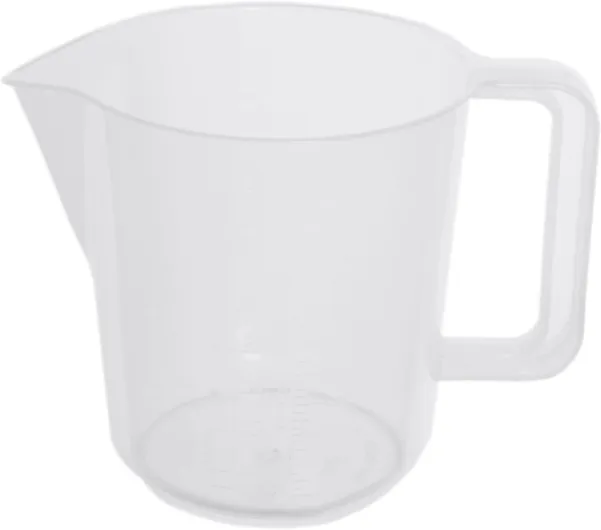
When you open the box, you basically get the classic homebrew starter combo: two 23L plastic buckets with lids, two bubbler airlocks with red caps, a simple syphon (rigid tube, flexible tube, sediment trap and tap), a glass hydrometer in a plastic tube, two stick-on thermometers, a long plastic paddle, a 2-pint jug, a small funnel, and a 100g tub of cleaner/steriliser. That’s it. No ingredients, no bottles, no caps, nothing fancy.
The buckets come with the lids already drilled and fitted with grommets so you can just pop the airlocks in. That sounds minor, but it saves you from messing up a lid with the wrong drill bit. The hydrometer is packed in a plastic tube that doubles as a trial jar, which is actually handy and saves some space. The cleaner/steriliser tub is small, but there’s enough to get a couple of batches done if you’re not wasteful with it.
Setup is straightforward: stick the LCD thermometer on the side of the bucket, rinse everything, mix up some steriliser, soak the bits, and you’re good. I had my first batch (a 23L wine kit) mixed and in the bucket in under an hour including cleaning. The instructions for the hydrometer are printed and stored inside its tube, which is a nice touch if you’re new and don’t know how to read gravity.
Overall, the presentation is very much “functional”. Nothing is over-packaged or fancy, and there’s not a lot of printed guidance beyond the hydrometer sheet. If you’re totally new, you’ll probably watch a YouTube video or two to feel confident about syphoning and sterilising. But once you know the basics, everything you need to physically ferment and bottle a batch is here, as long as you bring your own ingredients and bottles.
Does it actually help you brew decent beer, wine or cider?
I’ve run one full 23L wine kit through this setup and started a cider batch in the second bucket, so I’ve had a chance to see if the kit actually helps or just gets in the way. Bottom line: it works. I had a clean fermentation, no contamination, and the hydrometer readings behaved exactly as expected. The wine finished where it should according to the kit instructions, and the taste was totally fine for a first go with new gear.
The cleaner/steriliser included is enough to get you going. I used it on both buckets, the paddle, funnel, syphon and hydrometer tube before my first batch. Fermentation kicked off within 24 hours, the airlock bubbled steadily for a week, and there were no signs of infection (no weird smells, no strange films on top). For the second batch, I had to top up with my own steriliser, so don’t expect that 100g tub to last ages if you’re brewing regularly.
The syphon setup is fairly basic but does the job. The sediment trap at the bottom helps keep most of the lees and yeast cake out of your bottles, as long as you don’t shove it straight into the sludge. I managed to bottle the wine with just a thin layer of sediment in the bottom of each bottle, which is normal for homebrew. The tap on the syphon tube is handy because you can stop the flow quickly if you need to swap bottles or fix something.
Overall, in terms of effectiveness, this kit gives you everything you need to successfully ferment and bottle a 23L batch. It doesn’t make your beer or wine taste better by itself; that still depends on your ingredients, fermentation temperature, and patience. But it doesn’t get in the way either. If you follow basic brewing hygiene and use halfway decent kits or recipes, you’ll get drinkable results without fighting your equipment.
Pros
- Includes two 23L buckets, so you can ferment two batches or use one as a bottling bucket
- All the basic equipment you need (except ingredients and bottles) in one box
- Easy to use for beginners: standard airlocks, hydrometer with instructions, and simple syphon with sediment trap
Cons
- Price is a bit high compared to buying similar gear separately
- No tap on the buckets and no ingredients, bottles or detailed brewing guide included
Conclusion
Editor's rating
After using the Almost Off Grid Premium 25L Beer and Wine Making Starter Kit for a full 23L wine batch and starting a cider, my overall feeling is that it’s a practical, no-fuss starter kit. The buckets seal well, the airlocks work, the hydrometer is readable, and the included syphon, thermometers and steriliser are enough to get you through your first brews without needing extra hardware. I didn’t run into leaks, infections, or equipment failures, and the final wine was perfectly drinkable for a basic kit brew.
It’s not perfect though. The price is a bit high for what is essentially two plastic buckets and standard accessories, and there are no ingredients, bottles, caps, or detailed brewing instructions included. If you like hunting for bargains and are comfortable piecing together your own gear, you can probably build a similar setup for less money. A tap on at least one bucket and a bit more steriliser would have made the overall package feel stronger.
I’d recommend this kit to beginners who want a simple, ready-to-go equipment bundle and don’t want to waste time figuring out which size airlock or syphon tube to buy. It also suits casual brewers who just want a clean, fresh set of gear to restart the hobby. If you’re already into homebrewing and have some equipment, or if you’re very price-sensitive and don’t mind DIY-ing your kit, you might be better off buying items separately or stepping up to more advanced fermenters. For me, it did the job and made getting back into brewing straightforward, just without any real bells and whistles.