Why support local brewery acbw matters for american craft beer week
Why your neighborhood brewery matters more than you think
When you raise a pint at your neighborhood taproom during American Craft Beer Week, you are doing much more than enjoying a fresh IPA or a crisp pilsner. You are voting with your glass for local jobs, local flavor, and local independence. Every pour helps keep skilled brewers, bartenders, and suppliers employed right in your community, instead of sending that money to a distant corporate headquarters.
Local breweries also act as incubators of taste. Because they brew on a smaller scale, they can experiment with new hop varieties, heritage grains, and mixed-fermentation projects that big brands rarely risk. The limited releases you enjoy this week often become the classic styles you will read about in beer history books later on. Supporting these experiments now fuels the creativity that will shape the beers you will taste in the future.
There is a cultural side as well. When a brewery thrives, it becomes a gathering place for trivia nights, charity events, and taproom-only releases that bring people together. That sense of belonging is what turns a simple bar into a true community hub, a theme that runs through the rest of this guide.
Choosing local during American Craft Beer Week also strengthens the wider craft ecosystem. Breweries that are busy can invest in better equipment, collaborate with nearby producers, and even commission custom glassware. If you are building your own home bar or just want to elevate your tasting sessions, exploring collectible custom beer glasses is a natural extension of that same support for craftsmanship and individuality.
How a week of events turns a local brewery into your third place
From taproom visit to neighborhood ritual
Walk into your local brewery during American Craft Beer Week and you will notice something different from a typical bar. The staff know regulars by name, families share long tables, and conversations flow as easily as the beer. With a full calendar of events packed into a single week, that casual visit quickly becomes a ritual. Trivia nights, small-batch releases, and brewer meet-and-greets give you reasons to return again and again, turning the taproom into a familiar stop between home and work.
Events that build real connections
When a brewery hosts charity fundraisers, homebrew workshops, or food truck pairings, it is not just filling the schedule. These gatherings create shared memories. You start recognizing faces, swapping tasting notes, and trading recommendations for the next limited release. Over time, the brewery becomes a place where you feel comfortable showing up alone, knowing you will leave having talked with someone new.
Designing a space that feels like home
The physical space plays a huge role in this transformation. Long communal tables, board games, and a view of the brewhouse invite you to linger. Many breweries lean into warm, tactile decor that reflects their story : reclaimed wood, chalkboard tap lists, and brewery-themed accents. If you are inspired to bring that atmosphere home, you can echo the look with pieces like decorative beer barrels for home bars, creating a small extension of your favorite taproom in your own space.
Why this matters beyond one week
Once a brewery becomes your unofficial living room, you are more likely to care about what goes into your glass, how it is brewed, and how to support the people behind it. That sense of belonging sets the stage for appreciating the brewing process itself and for making thoughtful choices about how you support local beer all year long.
From grain to glass : how the brewing process shapes delicious craft beers
From raw grain to sweet wort
Every pint at your local brewery starts with malted barley (and sometimes wheat, oats, or rye). Brewers crush the grain to expose the starches, then mix it with hot water in a mash tun. This step, called mashing, activates natural enzymes that convert starch into fermentable sugars. The result is a thick, sweet liquid known as wort. The spent grain is often given to local farmers for animal feed, closing a small but meaningful loop in the community.
Boil, hops, and layers of aroma
The wort is then boiled, and this is where hops enter the story. Early hop additions add bitterness to balance sweetness, while later additions bring bright aromas of citrus, pine, spice, or tropical fruit. Some brewers also add spices, fruit, or other botanicals to create unique profiles. If you have ever compared a classic American pale ale to more tropical styles or even regional specialties like those described in this guide to exploring the flavors of Bahamian beers, you have tasted how recipe choices at this stage shape the final character.
Fermentation, conditioning, and the brewer’s signature
After the boil, the wort is cooled and yeast is pitched. Yeast eats the sugars and produces alcohol, carbonation, and a host of flavor compounds. Clean, crisp lagers and fruity, spicy ales are largely defined by the yeast strain and fermentation temperature. Once fermentation is complete, the beer is conditioned, carbonated, and packaged or served fresh in the taproom. That pint you enjoy during American Craft Beer Week is the sum of hundreds of tiny decisions – from grain bill to hop schedule to fermentation profile – that give your local brewery its unique voice in the glass.
How to support local breweries during american craft beer week and beyond
Make your beer budget count locally
Start with the simplest move : choose local taps and cans when you go out. If a bar has a rotating handle, ask the bartender which keg from nearby needs love. At the store, look for labels from your state or region and make them your go-to six-pack. Even swapping one or two purchases a month shifts real money toward neighborhood breweries.
Join the community, not just the queue
American Craft Beer Week often introduces you to new taprooms and faces. Keep that momentum going. Join a brewery’s mug club or membership program, sign up for their newsletter, and follow them on social media. Comment, share event posts, and bring friends to trivia nights, live music, or release parties. A full taproom does more than sell pints ; it signals to distributors and landlords that the brewery is worth backing.
Support the people behind the pints
Local breweries rely on more than brewers. Tip staff well, learn regulars’ names, and treat your favorite spot as a shared living room. When you enjoy a beer that highlights local grain or hops, mention it to the team ; that feedback helps them keep working with nearby farms and maltsters, strengthening the whole supply chain you read about earlier.
Think beyond beer purchases
Support does not end with what is in your glass. Buy gift cards for future visits, pick up a mixed pack for parties instead of generic macro lagers, and choose local beer when planning weddings, office gatherings, or community events. When your favorite brewery faces challenges—equipment failures, zoning issues, or expansion plans—show up at town meetings, sign petitions, and share their story. Consistent, visible backing turns a one-week celebration into long-term stability for the breweries you love.
Tasting tips to celebrate american craft beer week like a pro
Set yourself up for tasting success
Start with the right glassware. Use a clean glass with no detergent smell, and rinse it with cold water before pouring. Tulip or nonic pint glasses work well for most craft styles, while tall, narrow glasses highlight lagers and wheat beers. Pour with a gentle tilt, then straighten the glass to build a finger or two of foam ; this releases aroma without overflowing.
Engage all your senses
Look first. Note color, clarity, and head retention. Then swirl gently and take a few short sniffs. Try to pick out broad families of aromas : malty (bread, caramel, toast), hoppy (citrus, pine, tropical), yeast-driven (clove, banana, pepper), or roast (coffee, cocoa).
When you sip, let the beer coat your tongue. Think about sweetness, bitterness, body, and finish. Is it crisp and snappy, or soft and rounded ? Does the flavor linger pleasantly or vanish quickly ? Use the brewing insights you picked up earlier about grain and hops to connect what you taste with what went into the beer.
Build a simple tasting flight
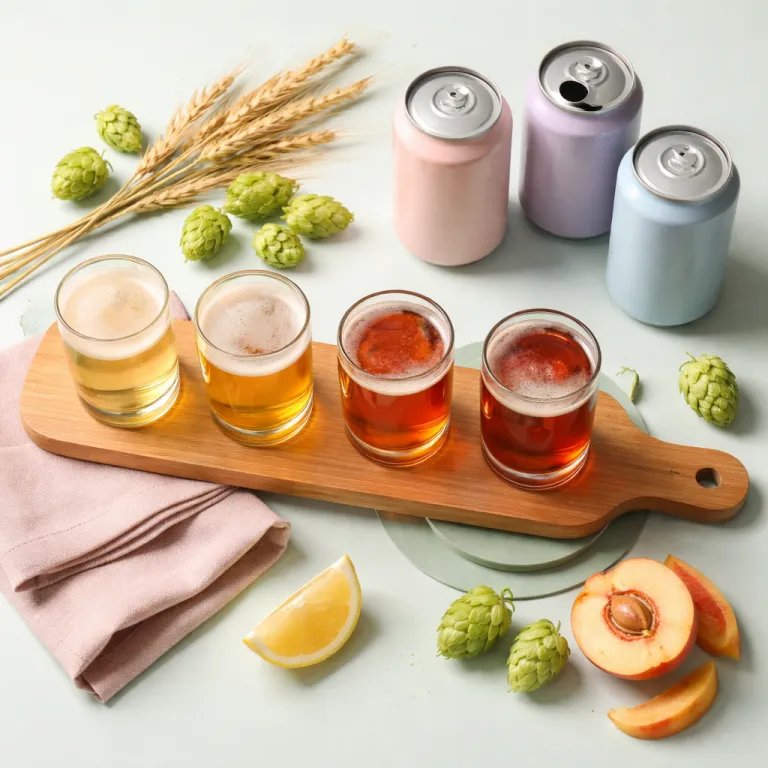
During American Craft Beer Week, many taprooms offer special flights. Arrange yours from lightest to boldest so your palate does not get overwhelmed :
- Bright lager or kölsch
- Wheat beer or pale ale
- IPA or hoppy amber
- Porter, stout, or barrel-aged beer
Take a few notes on each pour : one line about aroma, one about flavor, and one about how it makes you feel in the space. That “third place” vibe you experienced at events is part of the tasting, too.
Taste with intention, not snobbery
Share impressions with friends, but avoid turning it into a test. Ask what they like and why. The goal this week is not to score beers ; it is to connect more deeply with the local people who brew them.