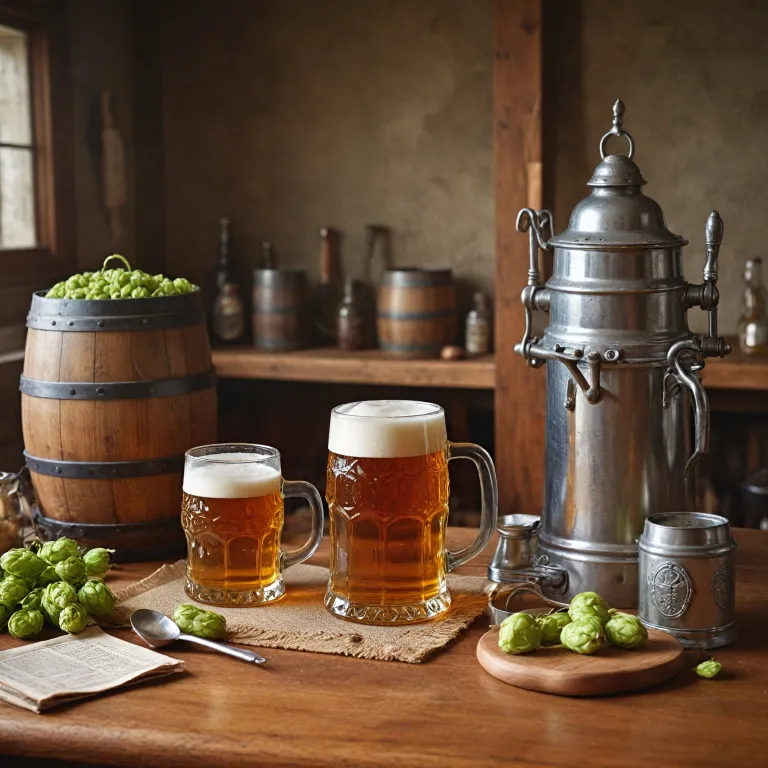

How european beer grew from monastery tables to modern taps
From sacred brewing to everyday pleasure
European beer began as a practical drink, safer than water and packed with calories for hard work. Monasteries soon became the guardians of brewing knowledge. Monks refined recipes, controlled fermentation, and recorded techniques that still influence how many classic styles are made. Their focus on balance, cleanliness, and consistency laid the foundations for the pale lagers, rich ales, and strong abbey beers you enjoy today.
As cities grew, brewing moved from cloisters to bustling town breweries. Guilds regulated quality, while local water, grains, and hops shaped distinct regional characters. A malty lager from Munich, a crisp pilsner from Bohemia, or a rustic farmhouse ale from Belgium all tell the story of their surroundings and the people who brewed them.
Law, science and the birth of modern styles
European rulers quickly understood that beer was both nutrition and tax revenue. Regulations such as purity laws limited ingredients, pushing brewers to master malt, hops, water, and yeast. Later, advances in chemistry and microbiology helped brewers control fermentation temperatures and yeast strains, giving rise to the clean, reliable lagers that dominate many taps today.
Industrialisation brought larger breweries, better transport, and the first truly international brands. Yet local character never disappeared. Traditional family breweries and regional specialties survived alongside modern giants, creating the rich variety you will explore when you learn to read aroma, bitterness, colour, and body in your glass.
Today, European brewing stands at a crossroads of heritage and innovation. Classic continental lagers sit next to hop-forward pale ales and creative Italian lagers such as those from Poretti beer traditions. Understanding this journey from monastery tables to modern taps will make every future tasting more meaningful.
Tasting european beer by aroma, bitterness, color and body
Reading a european beer with your senses
Before you even taste, let your eyes and nose guide you. Pour gently into a clean glass and look at the color : is it pale straw, deep amber, or almost black ? Notice the clarity and the foam. A dense, creamy head often hints at a fuller body, while a quickly fading head can suggest a lighter, crisper beer.
Next, bring the glass to your nose. Take short sniffs rather than one long inhale. European lagers often show bready, crackery malt and delicate floral or herbal hops. Belgian ales may reveal layers of spice, fruit, and honeyed malt. English styles can lean toward toffee, biscuit, and earthy hops. Try to name at least two aromas each time you taste ; this habit quickly sharpens your palate.
Balancing bitterness, sweetness, and body
On the first sip, focus on balance. Bitterness is not just about how intense it is, but how it works with sweetness and malt flavor. A German pils can be firmly bitter yet feel refreshing because the bitterness is clean and finishes dry. A malty bock, by contrast, will seem rounder and sweeter, even if it has some hop bite.
Body is the sense of weight on your tongue. Light-bodied beers feel crisp and sparkling, medium-bodied beers feel smooth and satisfying, and full-bodied beers can seem almost chewy. Carbonation plays a role too : high carbonation lifts flavors and sharpens bitterness, while softer bubbles make a beer feel creamier.
If you want to go deeper into structured tasting, this guide on exploring the world of beer and beyond offers a helpful framework you can apply to any european style you pour.
From german lagers to ale american IPA and fruit beers
From crisp german lagers to bold hop-forward ales
When people talk about european beer, they often start with german lagers. These beers are usually pale to golden, very clean, and highly drinkable. Classic styles like pilsner and helles focus on balance : gentle malt sweetness, firm but not aggressive bitterness, and a dry, refreshing finish. They are perfect reference points when you begin to compare other european styles.
Move west and north, and you meet the wide family of ales. British bitters, milds, and pale ales lean on malt character and earthy, herbal hops. Belgian ales push things further : spicy yeast notes, fruity aromas, and sometimes higher alcohol levels. These beers show how much yeast can shape flavour, something you may have already noticed when learning to taste by aroma and body.
Across the Atlantic, american brewers took inspiration from these traditions and turned up the hops. The american IPA, now brewed all over Europe, is defined by intense hop aroma : citrus, pine, tropical fruit, or resin. Bitterness can be firm to bracing, and the malt body is often lighter, letting hops lead the show. Comparing a german pilsner with an american-style IPA brewed in Europe is a great way to feel the shift from balance to hop dominance.
European brewers have also embraced fruit beers, from classic Belgian kriek and framboise to modern kettle sours with berries, citrus, or stone fruit. These beers can be tart, sweet, or somewhere in between, and they highlight how acidity and fruit aroma interact with malt and hops. If you are curious about how other regions reinterpret tradition, you can look at this guide to latin american craft beer evolution and compare it with the european path.
How price, IBU and attributes help you buy european beer with confidence
Reading the price tag without losing the plot
Price is often your first clue, but it should never be the only one. A very cheap “Belgian-style” strong ale may rely on sugar and shortcuts, while a slightly pricier bottle from a traditional brewery is more likely to offer the layered yeast character you read about in the history section.
Think of price as a rough signal of :
- Ingredients – more hops, specialty malts, and real fruit usually cost more.
- Time – lagers that are properly cold-conditioned or barrel-aged ales tie up tanks for longer.
- Scale – small European breweries cannot match industrial pricing, but they often deliver more personality.
Using ibu as a guide, not a rule
IBU (International Bitterness Units) measures bitterness, not overall flavour. A German pils at 35 IBU can feel sharper than an English IPA at 50 IBU because of carbonation, malt sweetness, and hop variety. When you compare labels, remember :
- Low IBU (0–20) – wheat beers, many fruit beers, malt-forward lagers.
- Medium IBU (20–45) – most classic European lagers and pale ales.
- High IBU (45+) – hop-driven IPAs and some strong ales.
Match these ranges with the tasting framework on aroma, color, and body you have already seen, and you will quickly predict how a beer might feel on your palate.
Label clues that build your confidence
Beyond price and IBU, a few label details help you choose wisely :
- ABV – higher alcohol often means a fuller body and richer malt profile.
- Style name – “helles”, “dunkel”, “tripel”, “gose” all hint at specific traditions you can explore in your own tasting path.
- Origin – region often signals typical yeast character and hop choices.
Combine these clues, and every trip to the beer aisle becomes a small, confident step deeper into European beer culture.
A personal tasting path through european beer styles
Starting with what you already enjoy
Building your own path through european beer begins with what you like today. If you enjoy crisp, easy-drinking lagers, start with a familiar german pilsner or helles. If you already lean toward fuller flavors, a belgian blonde or a malty vienna lager can be a gentle step into richer territory.
Use the tasting tools you have met earlier – aroma, bitterness, color and body – as your compass. When you find a beer you love, note which of these elements stand out. That profile becomes your reference point for the next style you try.
Creating simple tasting “bridges”
A helpful way to explore is to build small bridges between styles :
- From pale to amber : move from a pale lager to a kölsch, then to a vienna lager, and finally to an altbier. Each step adds a touch more malt depth without overwhelming you.
- From malt to yeast character : after a few malt-forward lagers, try a belgian witbier, then a saison. You will notice how yeast can bring spice, fruit and dryness.
- From low to higher bitterness : start with a german pilsner, then a czech pilsner, and only then approach more hop-driven pale ales or european-style IPAs.
Using price and labels as your guide
When you stand in front of a crowded shelf, lean on the clues you have learned : style name, ABV, IBU and price. Choose one beer that feels “safe” and one that stretches you a little. Taste them side by side, write a few quick notes, and keep the labels or photos. Over time, this simple habit turns into a personal map of european beer, tailored to your own palate rather than to trends.