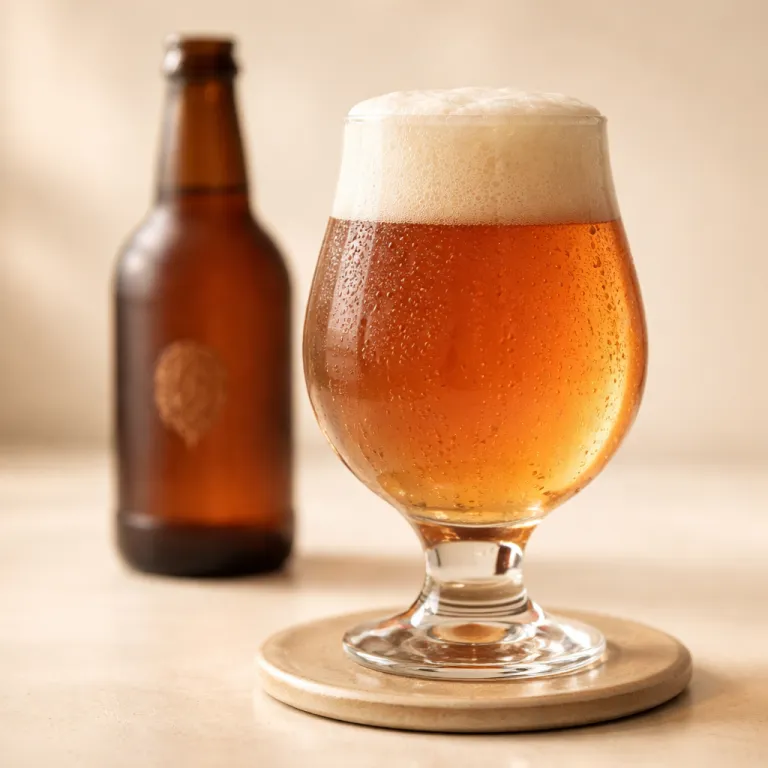
Why non alcoholic beer finally tastes like real beer
The science behind full flavor without the buzz
For years, non alcoholic beer tasted thin, sweet, or strangely grainy. The problem was simple ; most breweries just boiled off the alcohol from a finished beer. That heat stripped away delicate hop oils and malt aromas, leaving a flat, watery drink that felt nothing like the real thing.
Modern craft brewers flipped the script. Instead of treating non alc as an afterthought, they design recipes from the ground up. They use special yeast strains that naturally produce less alcohol, mash schedules that build body and mouthfeel, and late hop additions that keep aroma bright without adding bitterness that needs alcohol to feel balanced.
Brewing techniques that changed the game
Two big shifts made today’s non alcoholic craft beers taste like beer again :
- Controlled fermentation – Brewers stop or limit fermentation before much alcohol forms, so they do not have to cook the beer later. This protects flavor and keeps the malt profile intact.
- Gentle dealcoholization – When alcohol is removed, it is done with vacuum distillation or membrane filtration at low temperatures, preserving hop character and aroma.
On top of that, craft breweries lean into techniques you will read more about in the tasting and buying sections ; things like water chemistry, dry hopping, and using oats or wheat for a fuller body. These tricks help non alc beers stand up in blind tastings against their boozy cousins.
If you are curious how far flavor can go without alcohol, it is worth looking at how other fermented drinks push boundaries. For example, this guide to the unique taste of root beer kombucha shows how layered, complex, and adult a low or no alcohol drink can be when fermentation is treated seriously.
How to judge the best non alcoholic craft beer like a tasting pro
Train your senses before you sip
Start by looking at the beer. A good non alcoholic craft beer should pour with a stable head, not vanish in seconds. Check the color ; does it match the style on the label (pale gold for a pilsner, deep amber for an IPA, near-black for a stout) ? Swirl the glass lightly and note how the foam clings to the sides ; this “lacing” hints at body and malt quality.
Smell like a brewer, not a casual drinker
Bring the glass to your nose and take short sniffs. You are hunting for three main families of aromas :
- Malt – bread crust, biscuit, caramel, chocolate.
- Hops – citrus, pine, tropical fruit, floral, herbal.
- Fermentation – light fruitiness, subtle spice, or clean lager notes.
What you want to avoid is a harsh, worty smell (like unfermented cereal) or cooked vegetables. As you explore more styles, you may even notice spiritual or cultural inspirations in the flavor profile, similar to what you find in Buddhist inspired beers.
Taste in three deliberate steps
Take a small sip and focus on :
- Attack – the first second ; is it watery, sweet, or sharply bitter ?
- Mid-palate – does flavor build in layers (malt, then hops, then yeast) or fall flat ?
- Finish – how long do pleasant flavors linger, and is there any cardboard, metal, or cloying sugar ?
Balance, body and “real beer” feel
Finally, judge balance. Bitterness should match sweetness, and carbonation should lift flavors without feeling fizzy like soda. A well-made non alcoholic craft beer has enough body to feel like a weeknight version of the full strength options you might compare in other sections of this guide.
Proven non alcoholic brands that feel like regular beer
Flagship non-alc lagers that feel like bar staples
When you want something that drinks like a classic pint, start with non-alcoholic lagers and pilsners. The best examples pour with a tight white head, show clean grain on the nose, and finish crisp rather than sweet. Look for craft labels that clearly list the malt and hop varieties ; it is a sign they treat their NA recipes as seriously as their full-strength beers.
Many breweries now brew a dedicated NA lager instead of just de-alcoholising a regular one. That usually means better body, more foam stability, and a finish that actually invites another sip.
Hop-forward pale ales and IPAs that mimic the real thing
If you love modern craft beer, hop-driven non-alcoholic pale ales and IPAs are where the magic happens. The top options hit the same markers you would use in a regular tasting ; bright citrus or tropical aroma, a firm but not harsh bitterness, and a dry enough finish that your palate does not feel sticky.
Pay attention to how the bitterness lingers. A well made NA IPA will fade smoothly instead of clinging in a metallic or herbal way. That balance is often what separates a fridge staple from a one-and-done experiment.
Stouts, wheat beers and seasonal releases worth seeking out
For darker or more expressive styles, focus on breweries that already have a reputation for flavourful low-ABV beers. Their non-alcoholic stouts should show real roast, cocoa, or coffee notes, while wheat beers ought to bring clove, banana, or citrus without tasting like soda.
Limited runs and seasonal packs can be a smart way to explore. Many drinkers build a small home "NA taplist" with rotating cans and a few vintage beer bar signs to make the ritual feel just as special as a traditional craft night.
How price, calories and style affect your choice
What the price tag really tells you
With non alcoholic craft beer, price usually reflects process and ingredients more than alcohol content. Cheaper options often rely on basic malt extract and minimal hopping ; they can taste thin or overly sweet. Mid-range and premium bottles tend to use more complex grain bills, late hopping, and careful dealcoholization, which protect aroma and mouthfeel.
That does not mean the most expensive six-pack is automatically the best. Instead, compare price to what you are getting :
- Is it a small, independent brewery with limited batches ?
- Does the beer use specialty malts or modern hop varieties ?
- Is it a style that is harder to make alcohol free, like IPA or stout ?
When those boxes are ticked, a slightly higher price often makes sense.
Calories, carbs and what is really in your glass
Non alcoholic does not mean zero calories. Many NA beers land between 40 and 90 calories per 12 oz, but some sweet, malt-forward versions can go higher. If you are moderating for health reasons, check :
- Calories – lower is not always better if it sacrifices body and flavor.
- Carbohydrates – important if you are tracking macros or blood sugar.
- Added sugars – ideally, sweetness should come from malt, not syrups.
Matching style to your drinking moment
Think about when and how you will drink the beer. Crisp lagers and wheat beers work well for weeknight dinners or daytime socializing. Hoppy pale ales and IPAs suit people who miss the bite and aroma of classic craft. Dark styles like porters and stouts feel more like a slow-sipping nightcap.
Use the tasting habits you have already built with regular beer ; the best non alcoholic choice is the one that fits your usual occasions while aligning with your budget and nutrition goals.
Practical tips to buy and enjoy non alcoholic beers
Storing your non alcoholic beers the right way
Keep your non alcoholic beers cool, dark, and upright. Aim for fridge temperature ; warm storage dulls hop aroma and can create cardboard-like flavours. Avoid big temperature swings, which are especially rough on hop-forward styles like IPAs.
Once opened, treat it like a regular beer. Pour gently into a clean glass to release aroma, then drink within an hour so the carbonation and head stay lively.
Serving for maximum flavour
Use glassware that matches the style when you can. A simple tulip or nonic pint works for most ales, while lagers shine in a clean, narrow glass. Rinse the glass with cold water before pouring ; this helps the head form evenly and keeps bubbles from clinging to the sides.
Serve lighter lagers and wheat beers colder, around standard fridge temperature. Maltier ambers, stouts, and hop-forward pale ales show more character a bit warmer, so let them sit a few minutes before drinking.
Smart ways to buy and try
Start with single cans or mixed packs instead of full cases. This lets you test different styles and brands without committing. Use what you learned about judging aroma, body, and finish to keep notes on what actually feels like a “real” beer to you.
Check dates on the can or bottle. Non alcoholic beers, especially heavily hopped ones, are best fresh. If there is no clear date, choose the newest-looking packaging and avoid dusty stock.
Pairing with food and social occasions
Use the same pairing logic as with regular beer. Crisp lagers with salty snacks and fried food ; hoppy pale ales with burgers and spicy dishes ; dark, roasty styles with chocolate desserts or grilled meats.
For parties, bring a few non alcoholic options you already enjoy. Mix styles so guests can compare and find their own favourites.