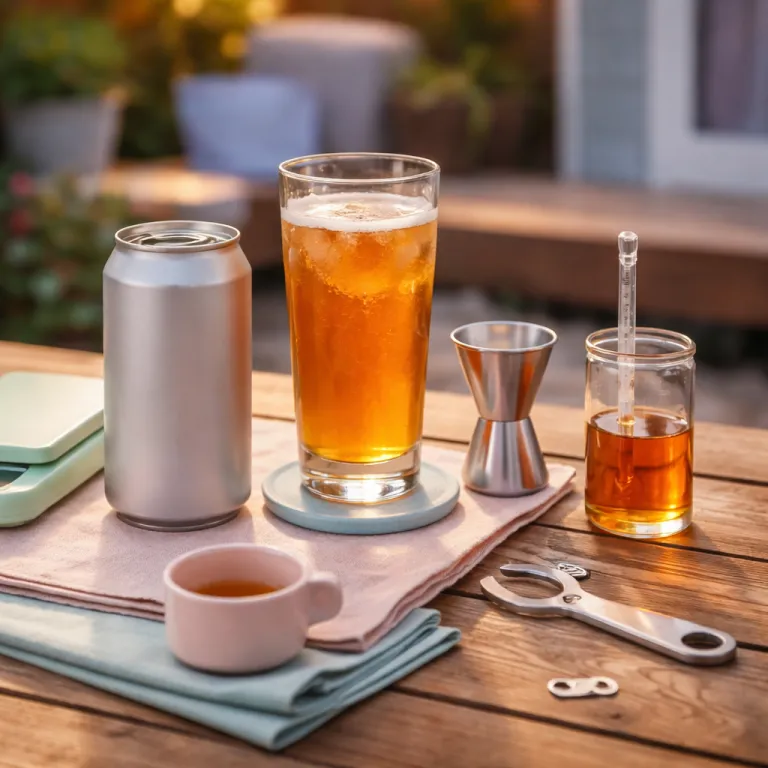
Twisted tea calories explained in plain language
What “calories” in twisted tea really mean
When you look at the calories in a can of Twisted Tea, you are basically seeing how much energy your body will get from that drink. Calories come from three main sources in Twisted Tea: alcohol, sugar, and a small amount from other carbs. There is no meaningful protein and almost no fat, so you can think of it as a sweet alcoholic tea where most of the energy comes from sugar and booze.
Alcohol itself is quite calorie-dense. It has almost as many calories per gram as fat, even if it does not look heavy or creamy in the glass. That is why a drink like Twisted Tea can feel light and refreshing, yet still add up quickly in your daily intake.
How twisted tea compares to other alcoholic drinks
In terms of calories, Twisted Tea usually sits in the same ballpark as many regular beers and hard seltzers, but the sugar content can be higher than in a dry beer. If you are curious about how alcohol strength affects calories in general, this guide on how strong beer can get helps explain why stronger drinks tend to pack more calories per serving.
Later on, we will break down the exact nutrition facts, including sugar and carbs, and look at how Twisted Tea Original compares with lighter versions. For now, keep in mind a simple rule of thumb : the sweeter and stronger the drink, the more calories you are usually sipping.
Understanding this basic idea will make it easier to read the label, judge your serving size, and fit Twisted Tea into your overall eating and drinking habits without surprises.
Nutrition facts, sugar and fats in twisted tea
How many grams of sugar are in a twisted tea can ?
When you look at a Twisted Tea can, the first thing to keep in mind is that most of the calories come from two sources : alcohol and sugar. Fats are basically a non-issue here, but sugar is not.
A standard can of Twisted Tea Original usually contains a noticeable amount of sugar per serving. That sweetness you taste is not only from tea and flavorings ; it is mainly from added sugars that boost both flavor and calorie count. If you are watching your daily sugar intake, this is where you need to pay attention.
On the nutrition label, you will typically see :
- Total carbohydrates – this includes all sugars
- Total sugars – the full sugar content in the drink
- Added sugars – the part that is added during production
These numbers matter because they tell you how much of your daily recommended sugar allowance you are using up with a single can. Even if you are not on a strict diet, it is useful to compare this with what you drink in sodas or sweet cocktails.
What about fats and other nutrients ?
Good news : Twisted Tea is not a significant source of fat. You will usually see zero grams of fat on the label, which means no calories from fat. Protein is also negligible.
However, the absence of fat does not make it a “light” choice by default. The combination of alcohol and sugar still adds up. If you are trying to balance your overall drinking habits, tools like a home draft beer system can help you compare different drinks and portion sizes more easily.
Twisted tea original vs tea light and light variety options
How many calories are in each twisted tea style ?
When you compare Twisted Tea Original and Twisted Tea Light, the first thing you notice is the calorie gap. A standard can of Twisted Tea Original usually sits in the same calorie range as many flavored malt beverages. Twisted Tea Light trims that down by roughly a quarter, sometimes a bit more, depending on the exact variety and serving size.
That difference mainly comes from sugar and total carbohydrates. Original is sweeter and fuller on the palate, which means more grams of sugar and, in turn, more calories. Light versions reduce the sugar content, so you get a lighter body and fewer calories per can, while keeping a similar tea-and-lemon profile.
Alcohol by volume (ABV) also plays a role. Both Original and Light typically stay in the moderate ABV range for hard teas, but some limited or flavored editions can vary slightly. More alcohol means more calories, even if the drink does not taste stronger. If you are curious how this compares with stronger craft options, you can look at how higher-ABV IPAs impact your calorie intake for context.
From a taste perspective, Original feels rounder and more indulgent. Light is crisper and less sweet, which some people actually prefer when they want a refreshing drink that does not feel heavy. If you are tracking calories or sugar, the Light line is usually the better fit, especially when you also pay attention to serving size and daily intake guidelines mentioned earlier.
In short, Original is your “treat” option, while Light and other reduced-calorie varieties are better suited for regular sipping when you want to keep your overall calorie budget under control.
Serving size, daily intake and general nutrition advice
How much twisted tea fits into a balanced day?
When you look at the calories and sugar in twisted tea, the next question is how it fits into your daily intake. A standard can already takes a noticeable share of a typical 2,000-calorie day, especially if you also snack or eat out. If you drink more than one can, the impact adds up quickly.
Health guidelines usually suggest limiting calories from alcohol to an occasional treat, not a daily habit. With twisted tea, that means planning ahead. If you know you will have a can in the evening, you might choose lighter options during the day, such as:
- More vegetables and lean proteins instead of heavy sauces
- Water or unsweetened drinks instead of sugary sodas
- Smaller portions of desserts or fried foods
Remember that alcohol calories are “empty” calories. They do not bring much in terms of vitamins, minerals, or fibre. The sugar in twisted tea adds to your total daily sugar intake, which many people already exceed through snacks and soft drinks.
For many adults, a practical approach is to treat twisted tea like a dessert drink. Enjoy it slowly, avoid drinking it on an empty stomach, and keep it to one serving on most occasions. If you are watching your weight, blood sugar, or heart health, you may want to choose the lighter versions mentioned earlier or limit how often you drink it.
Finally, always factor in alcohol safety. Even if the calories fit into your day, your body still needs time to process the alcohol. Alternate with water, avoid mixing with other high-sugar drinks, and never drink and drive.
Labels, images and ingredients : how to read twisted tea packaging
Why the front label does not tell the whole story
Twisted tea cans highlight the fun parts first : flavor, alcohol content, and the “hard iced tea” identity. That front label is great for choosing a style, but it does not give you the full picture of calories, sugar, or carbs. For that, you need to turn the can and look closely at the nutrition panel and ingredient list.
Key elements to check on the nutrition panel
- Serving size – Many cans are 12 fl oz, but some tallboys are larger. If the serving size is smaller than the whole can, you must multiply calories and sugar by the number of servings.
- Calories per serving – This is the number you have been following throughout this guide. Compare it with your daily calorie target to see how one can fits into your day.
- Total carbohydrates and sugars – These tell you how much of the drink’s energy comes from sugar and other carbs. Higher numbers mean a sweeter drink and a bigger impact on blood sugar.
- Alcohol by volume (ABV) – Listed near the branding rather than in the nutrition box, ABV helps you relate the drink to your overall alcohol intake.
Understanding the ingredient list
The ingredient list explains where the calories come from. Look for brewed tea, sugar or corn syrup, flavorings, and preservatives. Fewer ingredients usually mean a more straightforward drink, while long lists often signal added sweeteners and flavor enhancers.
Practical label-reading habits
When you pick up a Twisted tea, make it a habit to check calories, sugars, and serving size together. Compare what you see with the calorie and sugar ranges you learned earlier in this article, and adjust how many cans you drink so they fit your daily nutrition goals.