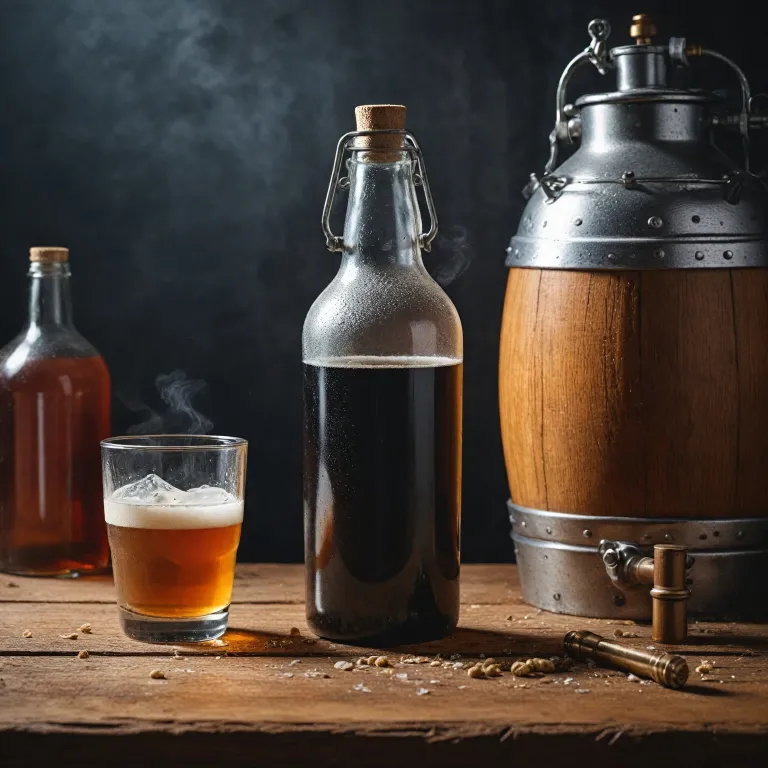
What does “world s strongest beer” really mean ?
When “strongest” is about more than just numbers
When people talk about the world’s strongest beer, they usually think of one thing : alcohol by volume (ABV). On paper, the title goes to the beer with the highest percentage of alcohol. Some extreme brews reach strengths closer to spirits than to classic lagers.
But “strongest” is not always that simple. A beer can be strong in different ways :
- Alcohol strength – the pure ABV number on the label.
- Flavor intensity – how powerful the taste, aroma and mouthfeel are.
- Impact on the drinker – how quickly it hits you and how memorable the experience is.
Most record-chasing beers focus on ABV, using special techniques you will read about later. Yet many drinkers care just as much about how these beers taste, how they are served, and the story behind them.
How strong beer compares to what you know
To understand how extreme these brews are, it helps to compare them with everyday drinks. A typical lager sits around 4–5 % ABV. Stronger craft styles like imperial stouts or double IPAs may climb into the low teens. The beers competing for “strongest in the world” can go far beyond that, into a range where a single small pour is equivalent to several regular beers.
This is why serving size, temperature and equipment matter. Enjoying such powerful beers from a well-controlled system, like a home draft beer machine, can make a big difference to the experience, just as careful tasting techniques and safety considerations will matter later on.
The race to brew the strongest beer on earth
From strong ales to ultra‑potent experiments
The idea of brewing the strongest beer on earth did not start with modern headline grabbers. Traditional styles like barleywine, doppelbock and imperial stout already pushed alcohol levels far beyond everyday lagers. As brewing science advanced, some ambitious breweries began asking a simple question : how far can we go ?
Early contenders focused on super‑charged versions of classic styles, using more malt and specialized yeast to reach higher alcohol by volume (ABV). These beers were strong, but they still behaved like beer in the fermenter. The real race began when brewers started to hit the natural limits of yeast and looked for creative ways to go beyond them.
Breweries competing for the top spot
Once a few breweries publicly claimed “strongest beer” titles, a friendly but intense rivalry emerged. Limited releases sold out quickly, collectors traded bottles across borders, and each new record pushed ABV a little higher. Some brands leaned into bold marketing, while others framed their creations as technical brewing achievements.
This competition mirrors what happened in other corners of the drinks world, where producers chase extremes in flavor, strength or rarity. In beer, the race for maximum ABV helped shape the modern fascination with limited editions, experimental techniques and ultra‑niche releases.
From niche curiosity to global talking point
As social media amplified every new record, extreme‑strength beers moved from obscure forums into mainstream conversation. Photos of tiny tasting glasses filled with syrupy, dark liquid circulated widely, and drinkers debated whether these creations were still “beer” at all. For some, they became a bucket‑list experience ; for others, a symbol of how far brewing innovation can go.
Alongside this, lighter and more approachable drinks, such as tropical ready‑to‑drink favorites, continued to thrive, highlighting just how diverse modern beer and malt‑based beverages have become.
How extreme beers like Snake Venom and Beithir Fire are made and how they taste
From brewing kettle to freeze-concentrated monster
Beers like Snake Venom and Beithir Fire start life much like any strong ale. Brewers use huge grain bills, high-fermenting yeast strains and carefully managed oxygen levels to push alcohol as far as traditional fermentation allows. Once yeast can no longer work, the real magic begins : fractional freezing. The beer is chilled until ice crystals form, then those crystals – mostly water – are removed. What remains is a denser, more alcoholic liquid. Repeating this process several times can push the ABV to levels closer to spirits than beer.
Hops still matter, even in these extremes. Some brewers add late hop additions or dry hopping to keep a thread of bitterness and aroma in the middle of all that alcohol burn. If you are curious how hop character shapes flavour at more normal strengths, this guide on why hoppy beer keeps stealing the spotlight gives useful context before you step into the world of ultra-high ABV.
What does a sip actually taste like ?
Do not expect a refreshing pint. Snake Venom and Beithir Fire are usually served in tiny measures, more like a whisky tasting. The texture is thick and syrupy, with intense sweetness from concentrated malt, often joined by notes of toffee, dark fruit, molasses and sometimes smoke. The alcohol presence is huge : a warming, sometimes fiery sensation that can overshadow subtler flavours if you rush.
Many drinkers describe these beers as a cross between a fortified wine and a peaty spirit. They are more about contemplation than quenching thirst, which is why earlier context on what “strongest” really means and how the brewing arms race evolved is so important for appreciating them.
Why the world s strongest beer is so hard to find and so expensive
Why you will rarely see these bottles on a shelf
Ultra‑strong beers are produced in tiny quantities. Pushing alcohol levels far beyond classic styles demands huge amounts of malt, long brewing days and repeated freezing or concentration steps. Each batch ties up equipment for weeks, sometimes months, so breweries cannot simply scale up like they would for a pale ale.
On top of that, not every batch survives. When you chase extreme strength, yeast can stall, flavours can turn harsh and oxidation risks increase. Brewers often discard or blend away failed attempts, which means only a fraction of the original volume ends up in bottles.
Costs that stack up long before bottling
All that time and raw material has a price. High‑gravity wort needs extra malt, specialist yeast strains and a lot of energy for cooling and freezing. Add laboratory analysis to verify alcohol content, custom packaging and hand‑numbered labels, and the cost per bottle climbs fast.
Many of these beers are also brewed as one‑off projects. Limited runs create scarcity by design, turning each bottle into a collector’s item rather than an everyday drink. Once a batch is gone, the only way to get it may be through auctions or private trades.
Rarity, hype and the collector market
Because supply is so small, demand is driven as much by story and status as by flavour. Extreme beers often come with elaborate backstories and intense media attention. Collectors are willing to pay a premium for the bragging rights of owning or sharing “the strongest beer on earth”.
All of this explains why these bottles are hard to track down, often sold directly by the brewery, in specialist bars or via limited online drops, and why the price tag can rival that of fine spirits.
Safety, tasting tips and why emotion matters with extreme strength beers
Staying safe when the alcohol gets extreme
Beers that push past typical strength levels behave much closer to spirits than to everyday lagers. A single 35–40 ml pour of something like Snake Venom can equal or exceed the alcohol in a full pint of regular beer. Treat it as you would a neat whisky : tiny servings, slow sipping, and plenty of water alongside. Never plan to drive, and avoid mixing these beers with other strong drinks in the same session.
Food matters too. High alcohol hits harder on an empty stomach, so pair your tasting with rich snacks : cheese, charcuterie, nuts, or chocolate. They help slow absorption and also soften the burn of the alcohol.
How to taste, not just survive, a super‑strong beer
Serve these beers warmer than a standard lager, around cellar temperature. Use a small tulip or snifter glass, swirl gently, and take short sniffs before each sip. Expect intense aromas of dried fruit, fortified wine, caramel, or solvent‑like alcohol if the balance is off.
Take tiny sips and let the beer coat your tongue. Notice sweetness, bitterness, warmth, and how long the flavors linger. Sharing a single bottle among several people is often the best way to appreciate complexity without overdoing it.
Why emotion and context shape the experience
Extreme beers are as much about story as about flavor. The race between breweries, the unusual techniques, and the limited availability all build anticipation. Tasting one can feel like opening a rare vintage wine or a special bottle of whisky : the occasion, the people you share it with, and your expectations all color what you perceive in the glass.
Approach the world’s strongest beers with curiosity rather than bravado. When safety, mindful tasting, and a sense of occasion come together, the experience becomes memorable for its flavors and emotions, not just its alcohol content.