

Elysian space dust alcohol content and what that number means
Understanding the ABV of Elysian Space Dust IPA
Elysian Space Dust IPA comes in at 8.2% ABV (alcohol by volume), which puts it firmly in the stronger end of the IPA spectrum. For many drinkers, that number alone signals a beer that sits between a standard IPA and a full-on double IPA in terms of strength.
To put it simply, ABV tells you what percentage of the liquid in your glass is pure alcohol. A typical American lager usually sits around 4–5% ABV, while many classic IPAs range from 6–7%. At 8.2%, Space Dust packs more punch than your everyday pale ale, and that has a direct impact on how quickly you feel its effects and how you should pace yourself when drinking it.
What 8.2% ABV means for your drinking experience
That 8.2% ABV does more than just make Elysian Space Dust a “strong beer” on paper. It shapes the entire drinking experience :
- Faster buzz – You will feel the alcohol sooner than with a 5% beer, especially if you drink at the same pace.
- Fuller body – Higher alcohol often goes hand in hand with more malt, giving the beer a slightly richer mouthfeel.
- Perceived warmth – You may notice a gentle warmth in the finish, especially as the beer warms up in the glass.
Because of this, Elysian Space Dust is best treated as a sipping IPA rather than a casual “crushable” beer. Later on, when looking at serving ideas for parties and tastings, this ABV will be a key factor in portion sizes and pacing.
Why Elysian Space Dust feels balanced despite the high ABV
One reason many drinkers are surprised by the 8.2% figure is that Space Dust does not always feel as boozy as the number suggests. The hop profile and bitterness play a big role in masking some of the alcohol warmth. The citrusy, resinous hop character and firm bitterness help keep the sweetness in check, so the beer does not come across as syrupy or heavy.
In the next part of the article, we will look more closely at how the hops and bitterness interact with this ABV level to create that impression of balance, and why some strong IPAs taste “hotter” than others even at similar alcohol contents.
ABV, style expectations, and similar strong IPAs
At 8.2%, Elysian Space Dust sits in a space that overlaps with what many people think of as an imperial or double IPA, even if it is often simply labeled as an IPA. This is similar to how other bold, hop-forward beers blur the lines between substyles and push expectations of what an IPA can be. If you are interested in how breweries play with strength and intensity, looking at other high-ABV hop bombs and collaborations, such as those highlighted in this overview of bold American-Danish IPA collaborations, can give useful context.
Later comparisons with other IPA bottles and packs will show how Space Dust stacks up not only in flavor but also in strength, helping you decide when it fits best into your own drinking lineup.
How the hops and bitterness shape the drinking experience
How the hop profile shapes your first sip
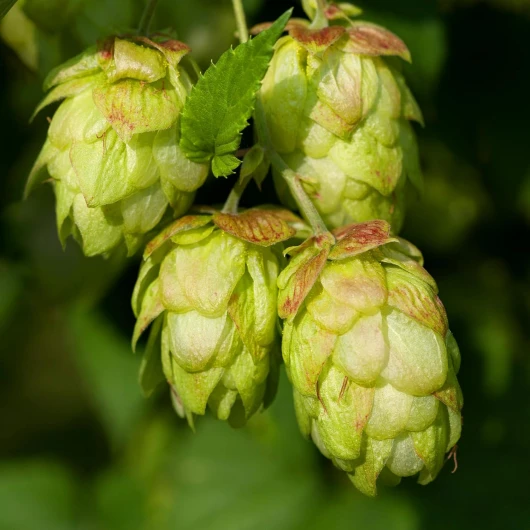
Elysian Space Dust is built around a bold hop bill, and you feel it from the very first sip. The aroma hits you with intense notes of grapefruit, orange zest, and a touch of pine resin. That comes from a mix of classic American hops, layered to give both bright citrus and deeper, dank tones.
On the palate, the hops bring a firm bitterness that arrives quickly, then lingers. It is not a harsh, tongue-scraping bitterness, but it is assertive enough that you know you are drinking a strong IPA. The malt backbone adds a light caramel and biscuit note, which keeps the hops from feeling one-dimensional and helps balance the higher alcohol content you read about earlier.
Because the beer is relatively strong, the hop oils feel slightly sticky and coating. This gives Space Dust that “chewy” IPA texture many fans enjoy, especially when the beer is served at a moderate chill rather than ice cold.
Bitterness, IBU, and perceived intensity
Bitterness in beer is often expressed in International Bitterness Units (IBU), but what you actually taste is “perceived bitterness”. With Space Dust, the IBU figure is high, yet the sweetness from the malt and the warmth from the alcohol soften the edges.
- Front of the sip : bright, zesty bitterness with grapefruit peel and orange pith.
- Mid-palate : resinous pine and a hint of tropical fruit, supported by a touch of caramel malt.
- Finish : lingering bitterness with a gentle alcohol warmth, especially as the beer warms in the glass.
This balance is why many drinkers find Space Dust surprisingly smooth for its strength. The hops are loud, but they are not out of control.
Alcohol warmth and hop flavors working together
The relatively high ABV does more than just add strength ; it changes how the hops express themselves. Alcohol acts as a solvent for hop oils, helping pull out more aroma and flavor. In Space Dust, that means the citrus and pine notes feel amplified, especially in the aroma as you raise the glass.
You may notice a gentle warmth at the back of your throat after a few sips. That warmth can make the bitterness feel rounder and less sharp, but it also reminds you that this is not a session beer. When you move on to comparing Space Dust with other IPAs later, this interplay between alcohol and hops is a key point of difference.
How Elysian Space Dust stacks up against other hop-forward IPAs
To understand Space Dust’s hop and bitterness profile, it helps to place it next to other well-known IPAs. For example, a classic West Coast IPA like Lagunitas IPA bitterness and hop character tends to lean heavily into pine and earthy notes, with a slightly drier finish.
Space Dust, by contrast, pushes more toward juicy citrus and a touch of tropical fruit, while still keeping that resinous backbone. The finish is a bit fuller and sweeter, which can make the bitterness feel less aggressive even if the IBU numbers are similar or higher.
When you later look at different IPA bottles and packs on the shelf, this comparison helps you understand why Space Dust often stands out : it offers a big, modern hop punch without losing balance, and the alcohol content plays a clear role in how those flavors come across.
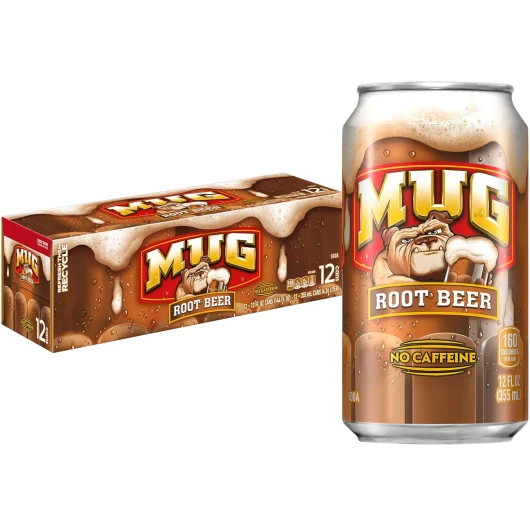
- + Refreshing flavor
- + Convenient 12-pack
- + 12 Fl Oz cans
- + Perfect for parties

Serving tips for parties and personal tastings
Ideal serving temperature and glassware
Elysian Space Dust is a bold, hop-forward IPA with a relatively high alcohol content, so treating it like a sipping beer rather than a quick refresher brings out its best side. Aim to serve it slightly chilled, not ice-cold. Around fridge temperature that has warmed just a bit in the glass lets the citrus and pine hop aromas open up while keeping the alcohol warmth in check.
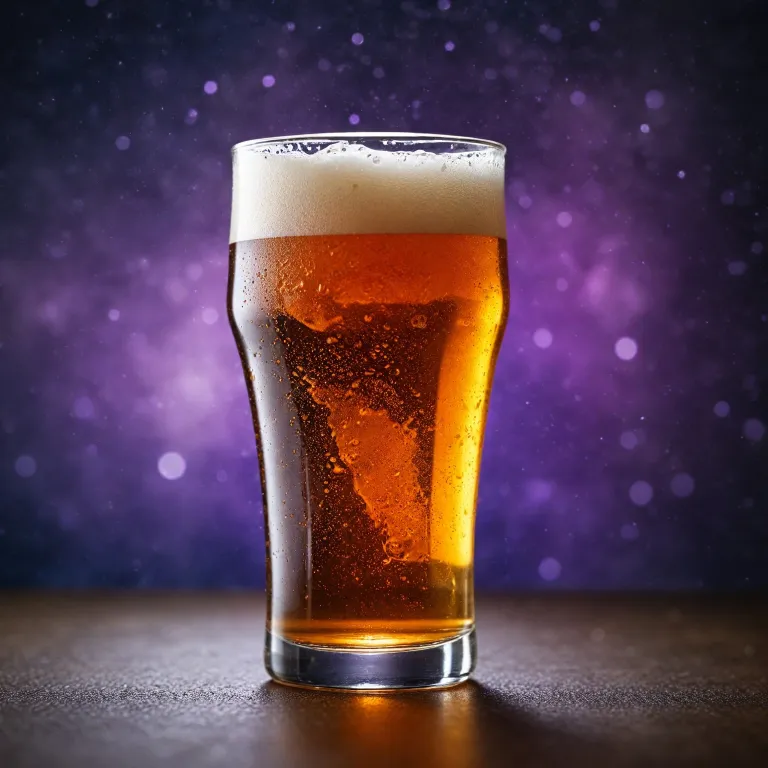
For glassware, a tulip or snifter-style glass works especially well. The inward curve at the top helps trap the hop aromatics, while the wider bowl gives the beer room to release those juicy, resinous notes you read about when looking into its alcohol level and style. A clean, clear pint glass is fine too, but aromatic glassware really highlights the balance between bitterness, malt sweetness, and boozy strength.
Pouring technique for better aroma and head
Because Space Dust is both hoppy and fairly strong, a proper pour can make it feel more refined and less aggressive. Tilt the glass at about 45 degrees and pour steadily down the side until the glass is roughly half full. Then straighten the glass and pour down the center to build a dense, creamy head of about two fingers.
This head does more than look good. It releases hop oils into the air, softens the perception of alcohol, and gives you that layered aroma you expect from a modern IPA. If you have already explored how the hops and bitterness shape the flavor, this is where you can really smell those same elements before you even take a sip.
Serving Elysian Space Dust at parties
When you serve Space Dust at gatherings, it helps to think about pacing and portion size. Its alcohol content is higher than many standard lagers, so smaller pours can keep guests comfortable and able to appreciate the beer’s character. Consider using smaller tulip glasses or half-pint pours so people can enjoy the intensity without overdoing it.
If you are hosting a mixed crowd, label the beer clearly with its style and strength. That way, guests who are less familiar with IPAs can make an informed choice. You can also offer a lighter pale ale or lager alongside Space Dust, giving people a way to compare different levels of bitterness and alcohol without committing to a full bottle of the stronger option.
Using kegs and draft setups for Space Dust
Serving Elysian Space Dust from a keg can elevate the experience, especially at larger parties. Draft service lets you control pour size and carbonation more precisely, which is useful for a beer with a higher ABV. If you are considering a home draft system, looking into quality kegerators and beer dispensers can help you keep the beer at a stable temperature and pour with a consistent head.
When you dial in the right pressure and temperature, Space Dust pours with a lively but controlled carbonation that supports the hop aroma without feeling harsh. This also helps keep the beer tasting fresh over the course of an evening, which matters when you are serving a strong IPA that people may sip slowly.
Pairing Space Dust with food during tastings
Food pairings can soften the impact of the alcohol and highlight the hop profile. Rich, salty, or spicy dishes work particularly well. Think grilled meats, burgers with sharp cheddar, spicy wings, or tacos with a bit of heat. The bitterness cuts through fat, while the malt backbone stands up to bold flavors.
For more structured tastings, you can line up a few IPAs of different strengths and bitterness levels and serve small bites alongside each. Start with lower-ABV, less bitter options and move toward Space Dust at the end. This progression helps tasters notice how rising alcohol content and hop intensity change the way the beer interacts with food.
Responsible pacing and tasting notes
Because Space Dust is on the stronger side, pacing is part of good serving etiquette. Encourage guests to sip slowly and take notes on what they taste and smell. This approach turns the beer into a conversation piece rather than something to rush through.
Provide water and some neutral snacks like crackers or plain bread between pours. This keeps palates fresh and helps balance the effects of the alcohol. When people understand how the ABV influences body, warmth, and finish, they tend to drink more thoughtfully and enjoy the beer’s complexity instead of just its strength.
Comparing Elysian Space Dust to other IPA beer bottles and packs
How space dust stacks up against other ipa favorites
When you look at Elysian Space Dust on a shelf, it sits in the same territory as many popular West Coast–leaning IPAs. Its alcohol content puts it firmly in the stronger end of the standard IPA range, which means it will usually feel more intense than a classic pale ale or a lighter session IPA, but not as heavy as a full-blown double or imperial IPA.
Compared with many mainstream IPA bottles and packs, Space Dust tends to offer:
- Higher perceived strength – both in alcohol warmth and hop punch
- More pronounced bitterness – especially if you are used to softer, hazy IPAs
- A bolder hop aroma – echoing the citrus and resin notes you notice when tasting it mindfully
If you line it up next to a typical 6-pack IPA from the grocery store, Space Dust will often feel like the “big sibling” in terms of intensity. That is why understanding its alcohol content and hop profile is so important when planning how much to pour and how to pace yourself.
Choosing between single bottles, six-packs, and variety packs
Space Dust is commonly sold as single bottles or cans, standard six-packs, and sometimes as part of mixed IPA packs. Each format changes how you experience that higher-strength profile.
- Single bottles or cans – Ideal if you want to focus on the beer’s flavor, as you might in a personal tasting. You can pay close attention to the hop character and bitterness without committing to several servings.
- Six-packs – Better for sharing with a small group that already enjoys assertive IPAs. Because of the alcohol content, it is wise to think in terms of fewer total beers per person than you would with lighter options.
- Variety packs – Helpful when some guests prefer softer or lower-ABV beers. Space Dust can be the “big, bold” option alongside more moderate IPAs, letting people choose their comfort level.
The same serving tips that apply when you pour Space Dust at home also matter here : use proper glassware, serve slightly chilled rather than ice-cold, and consider smaller pours if you are offering multiple beers in one session.
Balancing space dust with other beers in a lineup
Because of its strength and bitterness, Space Dust can easily dominate a tasting if you are not careful with the order. When you build a flight or a party lineup, it usually works best to move from lighter and lower-ABV beers toward Space Dust at the end.
- Start with lighter styles – pale ales, lagers, or lower-ABV IPAs help warm up the palate without fatigue.
- Move into mid-range IPAs – beers with moderate bitterness and alcohol content prepare you for the jump in intensity.
- Finish with Space Dust – its bold hop profile and higher alcohol content then feel like a climax rather than an early palate shock.
This approach lets you compare how the hops and bitterness shift from one beer to the next, and it makes Space Dust’s resinous, citrus-forward character stand out more clearly. It also helps you manage overall alcohol intake, since the strongest beer comes later, when you are more aware of how much you have already had.
Reading labels and packs with context
When you compare Space Dust to other IPA bottles and packs, the numbers on the label become much more meaningful. Alcohol by volume, bitterness units, and even serving suggestions all tie back to the drinking experience you felt when tasting Space Dust on its own.
Once you know how its alcohol content translates into warmth and fullness in the glass, you can look at another IPA’s label and make an educated guess : will this feel lighter, heavier, more bitter, or more balanced than Space Dust ? That context helps you choose the right mix of beers for your fridge, your next tasting, or your party cooler.
Why alcohol content, law and third party data matter for Elysian Space Dust
Understanding abv labels and legal requirements
Alcohol by volume (ABV) is not just a marketing detail on an Elysian Space Dust bottle. In most markets, breweries are legally required to state an accurate ABV range on the label. That number is used by regulators for taxation, by retailers for classification, and by consumers to gauge how quickly a beer might affect them.
For a strong IPA like Elysian Space Dust, staying within a tight ABV tolerance is important. If the real alcohol content drifts too far from what is printed on the label, the brewery can face compliance issues, product recalls, or fines. This is why reputable breweries invest heavily in lab testing and quality control to confirm that each batch matches the stated strength as closely as possible.
Why consistent strength matters for drinkers
When you plan a tasting session or a casual night with friends, you rely on the ABV to pace yourself. Knowing that Elysian Space Dust sits in the higher range for IPAs helps you decide how many bottles to open, how much food to pair with it, and whether to mix it with lower-strength options.
Consistency also shapes expectations. If you enjoyed the balance of warmth, bitterness, and hop character last time, you want the same experience again. Reliable alcohol content supports that balance, because the perceived sweetness, bitterness, and body are all linked to how much fermentable sugar was turned into alcohol during brewing.
The role of third-party ratings and lab data
Beyond the brewery’s own testing, third-party data adds another layer of trust. Independent labs, rating platforms, and competition judges often record the measured ABV of beers they evaluate. When their numbers align with the label, it reassures both enthusiasts and casual drinkers that Elysian Space Dust is as strong as advertised.
For people tracking their alcohol intake, this external confirmation is useful. It helps you compare Elysian Space Dust to other IPAs you might keep in your fridge, and to plan your consumption over an evening. It also gives context to tasting notes : if multiple reviewers mention a noticeable alcohol warmth at the same stated ABV, you can better anticipate how the beer will feel on your palate.
How regulations shape packaging and serving
Legal frameworks influence more than just the number on the label. They can determine how Elysian Space Dust is packaged, marketed, and served. In some regions, beers above certain ABV thresholds face different tax brackets or restrictions on container sizes. That can explain why you might see specific bottle or can formats in one market and not in another.
Bars and restaurants also rely on accurate ABV information to train staff and set serving guidelines. When a beer is relatively strong for its style, responsible service policies may suggest smaller pours or clearer communication to guests. This ties back to the tasting and serving advice you might follow at home : understanding the legal and technical side of ABV helps you mirror that same level of care when you pour Elysian Space Dust for yourself or your friends.
Using abv information to make smarter choices
Putting all of this together, the alcohol content of Elysian Space Dust is more than a single statistic. It is a reference point that connects brewing science, legal standards, and your personal drinking habits. When you combine that number with what you know about its hop profile, bitterness, and serving suggestions, you can choose when and how to enjoy it in a way that fits your taste and your limits.