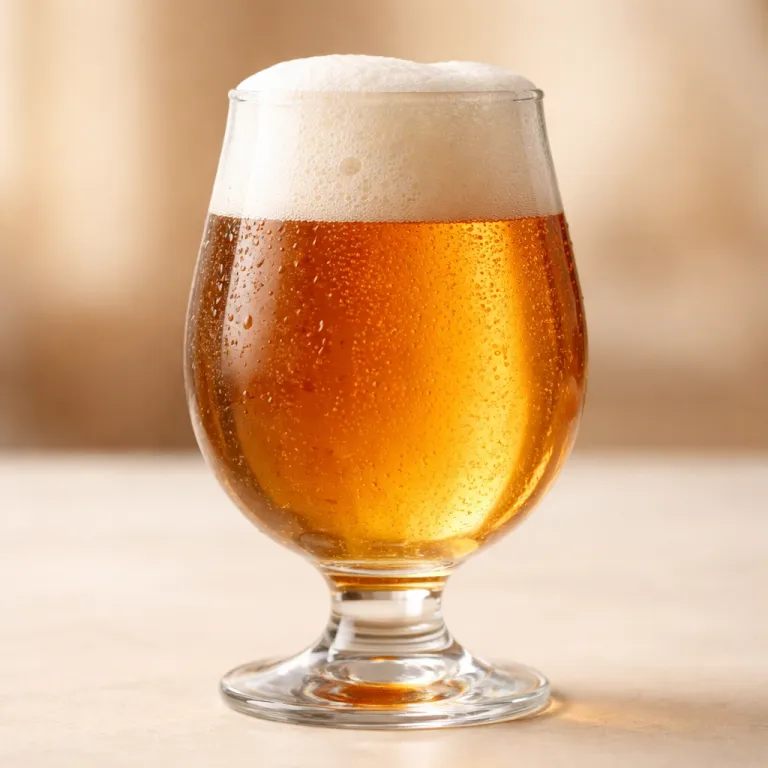
Why the right beer glassware set changes the taste more than you think
Why your pint tastes different in every glass
Pour the same beer into three different glasses and you might swear you’re drinking three different brews. That’s not your imagination. Shape, thickness, and even the rim of the glass all change how aroma, flavor, and carbonation reach your senses.
Beer flavor is mostly aroma. A wide bowl or tulip shape collects and concentrates those aromatic compounds, while a narrow, straight-sided glass lets them escape faster. When you lift the glass, you’re not just tasting malt and hops ; you’re inhaling everything the glass has helped trap or release.
Carbonation is next. The way bubbles form and rise depends on the interior surface and shape. Tall, narrow glasses encourage a steady stream of bubbles, keeping the beer lively and crisp. Wider glasses let carbonation dissipate more quickly, softening the mouthfeel and making some beers feel smoother or heavier.
Then there’s temperature and head retention. Thick glass walls hold cold longer, which is great for light lagers but can mute the complexity of strong ales. A proper head of foam, supported by the right rim and curvature, acts like a lid, protecting aroma while also delivering a creamy texture with each sip.
Even how you hold the glass matters. Stems and handles keep your hand from warming the beer, while straight-sided pints transfer heat more quickly. Over a full session, that can noticeably shift the flavor profile.
If you’re curious how professionals think about this, look at what they use in tastings and competitions, and how specialized shapes show up in collectible custom beer glasses. Once you start paying attention, you’ll never call glassware “just a container” again.
Types of beer glasses and what they really do for aroma and flavor
How glass shape changes aroma
The first thing a beer glass does is control how aromas reach your nose. Tall, narrow glasses like pilsner or weizen glasses trap carbonation and push bubbles upward in a tight stream. Those bubbles carry hop oils and yeast-driven esters, concentrating them right under your nose.
Wide, tulip-shaped glasses work differently. Their bulb allows aromas to spread out, while the inward-curving rim funnels them back toward your face. That is why strong ales, Belgian styles, and many IPAs feel more expressive in a tulip or snifter than in a straight shaker pint.
How the rim affects flavor perception
The thickness and shape of the rim change how beer enters your mouth. A thin, fine rim lets beer glide smoothly over the tongue, which can make delicate lagers or nuanced sours feel more refined. Thick, chunky rims slow the flow and can emphasize body over subtle flavors.
Flared rims (common on some tulips and goblets) spread beer across a wider area of your tongue at once. This can soften bitterness and highlight malt sweetness, which is why many strong, complex beers feel rounder in these glasses.
Carbonation, head retention, and mouthfeel
Shape also controls carbonation and foam. Narrow glasses preserve bubbles longer, keeping lagers crisp and lively. Wider bowls encourage some carbonation to escape, softening the mouthfeel of strong or dark beers that might otherwise feel too prickly.
Glasses with a slight taper or nucleation points at the bottom help maintain a stable head, which protects aromas and adds a creamy texture. This is one reason professional tasting sets, like specialized beer flight glassware used in breweries and competitions, focus so much on bowl shape and head retention.
Once you understand these effects, it becomes easier to match each style to a glass that flatters its best traits.
How to choose the best beer glassware set for your home and budget
Start with how you actually drink beer
Before looking at brands or fancy shapes, think about how you usually enjoy beer at home. Do you mostly drink crisp lagers on weeknights, or are you opening hazy IPAs and big stouts on weekends ? Your main styles should guide your first glassware choices, not the other way around.
If your fridge is full of one or two styles, a small set of versatile glasses is better than a crowded cupboard of rarely used shapes. A simple mix of tall, straight-sided glasses for lagers and a tulip-style glass for aromatic beers will already cover most situations.
Balance versatility and specialization
Specialized glasses can highlight aroma and flavor, but you do not need a different glass for every style. Aim for a core set that can multitask :
- Everyday workhorse – a sturdy, straight-sided glass or nonic pint for lagers, pale ales, and casual drinking.
- Aroma booster – a tulip or stemmed glass for IPAs, Belgian ales, and strong beers where aroma matters.
- Small pour glass – a smaller stemmed glass for rich stouts, barleywines, or sharing bottles.
Once you know what you enjoy most, you can add more specific shapes if it feels worth it.
Match your budget to real-world use
Glassware ranges from cheap multipacks to hand-blown pieces. For most home drinkers, a mid-range set that is dishwasher-safe and not heartbreaking to break is ideal. Spend a bit more on the one or two glasses you will use for your favorite styles, and keep the rest simple.
If you enjoy pairing beer with food, consider adding a couple of nicer stemmed glasses alongside a themed item like an official Guinness cookbook to build a small but thoughtful home beer-and-food setup.
Real examples from the beer industry and what pros use for tastings
How breweries choose glassware for taprooms
Walk into a modern taproom and you’ll notice they rarely use one universal glass. Breweries usually match glass shape to their core styles. A crisp pilsner might go into a tall, straight-sided glass that shows off clarity and carbonation. Their hazy IPA often lands in a stemmed tulip or teku-style glass to trap hop aroma. Dark, malt-forward beers are frequently poured into smaller goblets or snifters to encourage slow sipping and gentle warming in the hand.
Behind the scenes, the decision is a balance between sensory performance, durability, and cost. Thick, stackable glasses are common for high-traffic lagers, while more delicate shapes are reserved for specialty pours and higher-priced beers.
What professional judges actually use
In competitions and formal tastings, judges tend to favor a few reliable shapes rather than a huge collection. A classic example is the straight-sided, slightly tapered tasting glass. It’s clear, neutral, and concentrates aroma without exaggerating any one note. Many panels also use tulip or teku-style glasses for hop-forward or complex beers, because these shapes highlight aroma layers and support a proper head.
The key takeaway for home use : if pros can evaluate almost any style with just one or two well-chosen glasses, you don’t need a dozen different shapes to drink like an expert.
Lessons you can copy at home
- Pick one “workhorse” glass (a small tulip or teku) for most tastings.
- Add a sturdy, straight-sided glass for lagers and easy-drinking beers.
- Keep a smaller goblet or snifter for strong, dark, or barrel-aged beers.
- Prioritize clarity, a thin lip, and enough room to swirl without spilling.
These are the same principles breweries and judges rely on, just scaled to a home cabinet and a realistic budget.
Practical buying tips for your next beer glass set on amazon or in store
Reading product descriptions like a pro
When you shop online, the product page is your tasting room. Look for clear information on glass capacity, height, and whether the glass is tempered or crystal. If a listing only says “beer glass” without naming styles (pint, tulip, snifter, weizen), move on. Good sellers explain which beer types each glass suits and how the shape helps aroma and head retention, not just how “cool” it looks.
Key quality checks before you buy
- Rim finish : A smooth, thin rim feels better and helps you taste more nuance.
- Weight : Too heavy gets tiring, too light can feel fragile. Aim for a balanced feel in the hand.
- Seam lines : Visible seams usually mean cheaper production. Not a deal-breaker, but worth noting.
- Dishwasher safety : If you’ll use them often, check for clear dishwasher guidance to avoid clouding.
Smart strategies for Amazon and big-box stores
On Amazon, filter by “glass type” and “customer rating” first, then read the lowest reviews to spot recurring issues like easy chipping or cloudy glass. Compare photos from buyers to the official images ; big differences can signal quality problems.
In physical stores, hold the glass as if you were mid-sip. Is the bowl large enough to swirl an IPA or stout without spilling ? Does the stem or base feel stable on the table ? Use what you learned about shapes and styles to decide whether a mixed set or a focused set (for example, all tulips) fits your drinking habits.
Building your set over time
You don’t need a full bar overnight. Start with two versatile shapes, then add more specialized glasses as you explore new beer styles. Let your actual drinking habits guide your next purchase, not just what looks impressive on the shelf.