Simple beer and cheese pairings that always feel right
Why beer and cheese feel like instant comfort
Beer and cheese work so well together because they share the same roots ; grain and fermentation. The malt sweetness in beer softens salt and sharpness in cheese, while carbonation cleans your palate between bites. When you match intensity and texture, you get that “wow” moment people chase in food pairing.
Three pairings that rarely miss
- Pale ale with young cheddar – A bright, hoppy pale ale lifts the creamy, slightly tangy notes of a mild cheddar. The gentle bitterness keeps each bite from feeling heavy, so you can snack through a whole board without fatigue.
- Wheat beer with fresh goat cheese – A hazy wheat beer, with its soft body and citrusy notes, wraps around the lemony tang of chèvre. Add a drizzle of honey or a slice of pear and you have a simple pairing that feels almost restaurant level.
- Brown ale with nutty alpine cheese – Think Gruyère or Comté. The toasty malt and light caramel in a brown ale echo the roasted, nutty flavors in these cheeses. This combo is perfect before a hearty main course like chicken or fish cooked with ale.
How to build your own cheese board pairings
Start with one light, one medium, and one darker beer, then match each to a cheese of similar intensity. Keep crackers or bread neutral, and add just one or two extras ; nuts, dried fruit, or pickles. As you taste, note what works and what clashes ; these observations will help when you move on to full recipes and more advanced pairings.
If you want more structured ideas, a resource like a complete beer lover’s cookbook can give you ready-made combinations to test and adapt to your own taste.
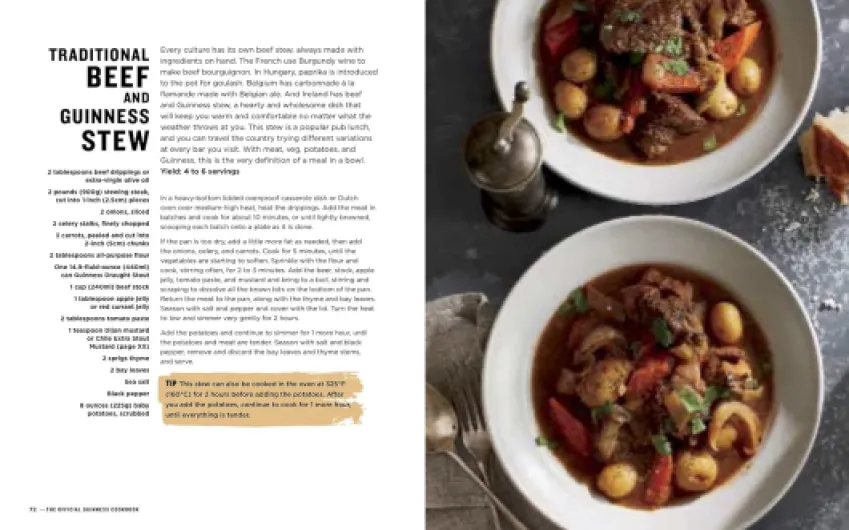
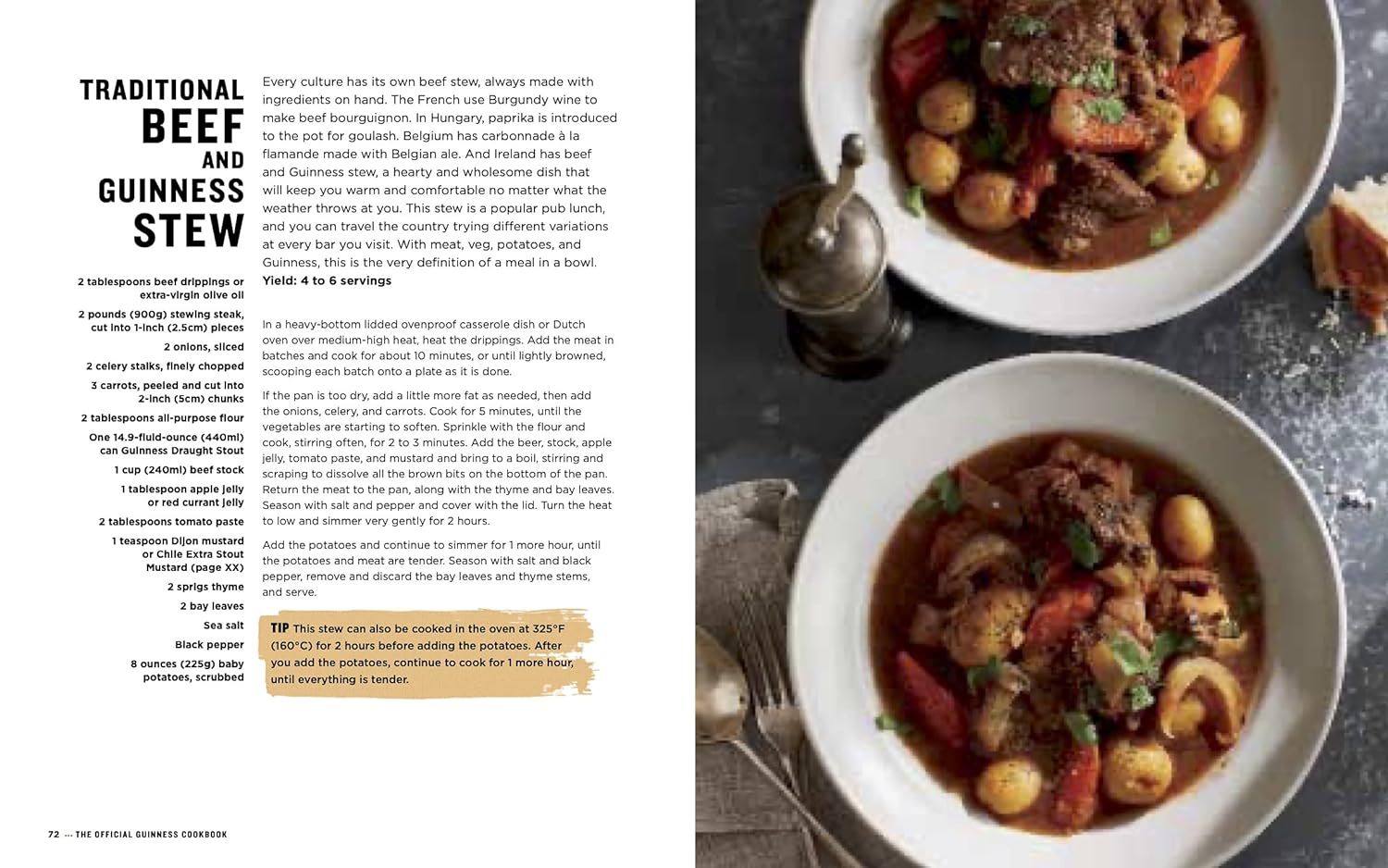
A skillet medium chicken recipe with ale, pepper and garlic
Why this pan chicken and ale combo works
This skillet chicken is all about layering flavour. Medium-bodied pale ale brings gentle bitterness, light caramel, and citrus or herbal notes. When it hits the pan, those flavours mingle with chicken fat, garlic, and cracked pepper, creating a glossy, savoury sauce that clings to every bite.
The beer’s carbonation also helps lift browned bits from the pan, giving you a built-in deglaze without needing stock or wine. The result ; juicy chicken, crisp edges, and a sauce that tastes like you cooked far longer than you did.
Step-by-step : easy weeknight method
- Season generously ; salt, plenty of black pepper, and a little smoked paprika or thyme.
- Sear in a hot skillet with a neutral oil plus a knob of butter until the skin (or outer layer) is deep golden.
- Add garlic (sliced, not minced) so it softens without burning.
- Pour in your ale ; about half a bottle, enough to come a third of the way up the chicken.
- Simmer gently until the chicken is cooked through and the sauce has reduced to a shiny glaze.
What to serve alongside your ale chicken
Keep sides simple ; roasted potatoes, buttered noodles, or crusty bread to mop up the sauce. A lightly dressed green salad adds freshness and cuts through the richness, echoing the balance you get in classic beer and cheese pairings.
For a fun contrast at the table, add a small plate of salty or spicy nibbles. Even something as playful as a Japanese snack assortment can highlight how different textures and flavours react with the same ale.
Serve the remaining beer slightly chilled in simple glasses, and you have a relaxed, pub-style meal at home that still feels special.
Fish, pepper and brown ale : a pairing that surprises people
Why brown ale loves flaky fish
Fish and brown ale sound unusual at first, yet they work together in a way that feels almost effortless. Brown ales bring gentle caramel notes, toasted malt, and a soft nuttiness. That profile wraps around delicate fish without crushing it, unlike very bitter IPAs or heavy stouts.
The key is contrast and comfort. The light sweetness in the beer softens salt and pepper heat, while the carbonation scrubs away any oiliness from pan-frying. You end up with each bite tasting as fresh as the first.
Choosing the right fish and seasoning
For this pairing, think white, flaky, and mild :
- Cod or haddock for a classic, pub-style feel
- Pollock or hake if you want something budget-friendly
- Sea bass or bream when you feel like treating yourself
Season simply. A light coating of flour, salt, cracked black pepper, and maybe a pinch of smoked paprika is enough. Pan-fry in neutral oil or a mix of oil and butter until the edges crisp and the centre just flakes.
How to serve for maximum flavour
Serve the fish with :
- Lemon wedges for brightness
- A small green salad with a sharp vinaigrette
- Roasted potatoes or fries for a comforting side
Pour your brown ale slightly cool, not ice cold, so the caramel and biscuit notes can open up. Take a sip first, then a bite of fish, then another sip. You will notice how the pepper and malt start to echo each other, just like the way cheese and beer can mirror flavours in simpler pairings.
Once you feel that balance, you will be ready to experiment with your own fish and ale combinations at home.
How to build your own beer pairing habits at home
Start with what you already love
Building beer pairing habits at home begins with your everyday meals. Think about what you already cook often ; pasta, roast chicken, tacos, veggie bowls. For each dish, ask two questions ; is it light or rich ? Is it more sweet, salty, spicy, or acidic ? Then match intensity first ; light dishes with lighter beers, bold dishes with fuller, stronger brews.
From there, borrow ideas from the cheese and fish pairings you have tried before. If a crisp pilsner worked with a mild cheese, it will probably flatter a simple salad or grilled chicken too. If a brown ale made peppery fish shine, try it with roasted root vegetables or a mushroom pie.
Create a simple home pairing framework
- Bright and zesty dishes (citrus, vinaigrettes, fresh herbs) ; pair with pilsner, kölsch, or wheat beer.
- Comfort food (burgers, pizza, mac and cheese) ; go for pale ale or amber ale.
- Spicy plates (curries, chili, hot wings) ; try slightly sweet IPAs or Belgian blondes.
- Roasted and grilled meals ; match with brown ale, porter, or stout.
- Desserts ; chocolate with stout, fruit tarts with fruity sours.
Practice, note, adjust
Turn pairing into a small ritual once a week. Choose one meal, open two different beers, and taste them side by side with the food. Take quick notes ; what clashes, what feels balanced, what makes you want another bite ? Over time, you will build your own “house rules” that feel as natural as seasoning your food.
Most importantly, keep it playful. Use the skillet chicken and peppery fish ideas as templates, not strict rules. The more you experiment, the more confident and intuitive your beer pairing habits will become.