Summary
Editor's rating
How the recipes actually taste on the plate
Is it worth the money if you already own other cookbooks?
Layout, photos and how it feels to actually cook from it
How it performs in real life: weeknights, parties and shopping
How the book is laid out and what you actually get
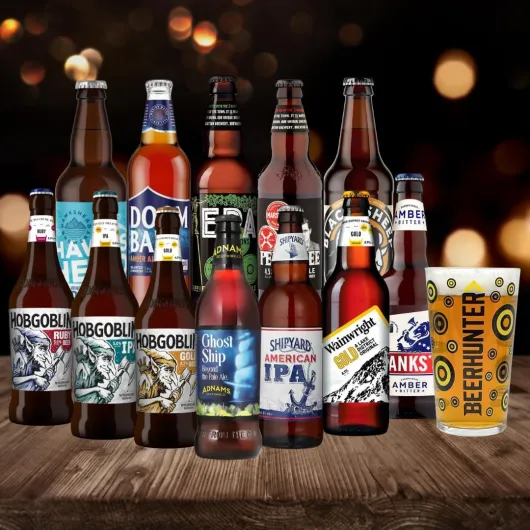
Does it actually help you pair beer with food?
Pros
- Tasty, realistic recipes that most home cooks can handle
- Clear, down-to-earth beer pairing advice with style explanations and specific suggestions
- Dual measurements (cups and grams) and accessible ingredients make it easy to use in different kitchens
Cons
- Some recipes are a bit fussy for the end result and create extra washing up
- Specific beer recommendations are region-biased, so not all are easy to find outside certain markets

A beer geek’s cookbook that actually gets used
I’ve had The Beer Lover's Table on my shelf for a few months, and unlike a lot of cookbooks I buy on impulse, this one hasn’t just gathered dust. I’ve cooked around 8–10 recipes from it so far, spread over weeknight dinners and a couple of small get-togethers. I drink a fair bit of craft beer, but I’m not the type who can sniff a glass and talk for ten minutes. I mainly wanted something that would tell me, in plain terms, what beer to open with what food without turning into a lecture.
First impression: it’s a proper cookbook, not just a beer nerd vanity project. The recipes stand on their own. Some are simple enough for a Tuesday night, others are more for when you’re in the mood to cook and make a bit of a mess in the kitchen. The beer pairing part is clear and practical. You get both general rules and specific bottle suggestions, which is good when you’re at the shop staring at a wall of cans and have no idea what to grab.
In terms of how often I reached for it compared to my other food-and-drink books, this one did pretty well. I have wine pairing books that I barely crack open because they’re a bit stiff and full of theory. With this one, I actually flipped through, picked a recipe, checked the beer suggestion, and cooked. That’s kind of the main thing: it gets used, which is already more than I can say for half my cookbook collection.
It’s not perfect though. Some recipes are a bit involved for what you get at the end, and if you don’t have a decent beer shop nearby, tracking down the exact beers can be annoying. But even then, the style-based guidance is enough to improvise. Overall, after a few months, I’d say it’s a pretty solid book for anyone who likes cooking and already buys more than just supermarket lager.
How the recipes actually taste on the plate
Let’s talk about the taste, because that’s what matters in the end. Out of the 8–10 recipes I’ve tried, I’d say most landed in the "really good" category, with one or two that were just decent. The lamb burgers with quick pickles and whipped feta were the standout for me. I made them for friends, and even the one guy who usually moans about lamb ended up going back for seconds. The seasoning is straightforward but effective, and the whipped feta topping is the sort of thing you’ll probably reuse on other dishes once you’ve tried it.
The hummus with chermoula is another strong one. It’s not difficult, but it feels a bit more interesting than your standard store-bought hummus. I took it to a small party with some bread and crudités, and it disappeared quickly. People asked for the recipe, which is usually the best sign that a cookbook is doing its job. Same story with the Indian-style fried chicken: crispy, good level of spice, and it works nicely with a cold lager or pale ale.
Not every recipe blew me away. A couple of the more "healthy" dishes felt a bit forgettable – nothing wrong with them, they just didn’t stick in my mind the way the burgers or lamb chops did. Sometimes there are quite a few steps for a result that tastes good but not mind-blowing. If you’re the type who hates recipes with more than one pan, some of these might feel like more trouble than they’re worth on a busy night.
Overall, though, the hit rate is high enough that I trust the book when I pick something new. Seasoning levels are usually on point; I rarely had to tweak salt or spice much. The dishes are flavourful without being overcomplicated. For home cooking that’s meant to be paired with beer and shared, I’d say the taste side is pretty solid. Not every recipe is unforgettable, but there are enough winners that I keep going back to it.
Is it worth the money if you already own other cookbooks?
On the value side, I’d say this book is good if you’re in the overlap between "likes to cook" and "likes beer". If you’re only mildly into one of those, you might not get the full benefit. Price-wise, it’s in the usual range for a full-colour cookbook. You’re getting 379 pages, which is a fair amount of content: plenty of recipes plus background info on beer styles and breweries. It doesn’t feel thin or like filler.
Compared to other cookbooks I own, this one earns its spot because it covers a specific angle (beer pairings) without turning into a specialist manual. I have more technical beer books that almost never leave the shelf because they’re too dense. I also have general cookbooks with one tiny chapter on "what wine/beer to drink with this" that I never really use. This one actually hits the middle: practical enough to cook from, focused enough to teach you something.
If you already have a solid basic cookbook, this doesn’t replace it; it sits next to it. I still go to my general books for things like basic soups, roasts, or desserts. But when I know I’m opening something better than macro lager, this is the book I check first. That’s where the value is: it gives you ideas specifically tailored to drinking beer with your meal, so you’re not guessing.
Who might feel it’s not worth it? If you don’t care what beer goes with what food and you just want quick recipes, then half of what makes this book interesting will be wasted on you. Also, if you’re a very advanced cook looking for complex techniques, you might find it a bit tame. For regular home cooks who like craft beer and want to get a bit more out of it, I’d call the value pretty solid. It’s the kind of book you actually cook from, not just flip through once and forget.
Layout, photos and how it feels to actually cook from it
On the design side, it’s a fairly standard modern cookbook: full-colour photos, clean layout, nothing too flashy. The print edition I used has decent paper quality and the images are sharp. The food photos do their job: you can see roughly what the dish should look like, and they don’t make everything look fake and over-styled. It looks like food you could realistically cook at home, not something built with tweezers. That’s a plus for me because I hate when a cookbook feels more like a coffee-table decoration than something you can splash sauce on.
The layout of each recipe is straightforward: ingredients list on one side, instructions on the other, and usually a picture nearby. The font is big enough to read from the counter, which matters when you’re halfway through a recipe with messy hands and don’t want to keep picking it up. Steps are numbered clearly, and there’s enough spacing so you don’t lose your place easily. It sounds basic, but I’ve had pricier cookbooks that were much more annoying to follow.
I also tried the Kindle version briefly (there’s enhanced typesetting and page flip). On a tablet, it’s fine. On a phone, like most cookbooks, it’s a bit cramped, but that’s not this book’s fault. The images resize correctly and the text is readable. If you prefer digital, it’s usable enough, but personally I’d stick with the physical copy because flipping back and forth between the recipe and the beer pairing notes is just quicker with real pages.
Visually, if you’re expecting some edgy craft-beer zine look, you won’t get that. It’s more in the line of a standard, tidy cookbook from a mainstream publisher. For some people that might feel a bit bland, but in practice it makes the book easy to navigate. No strange fonts, no weird colour choices, just a clean layout that gets the job done. I’d call the design solid and functional rather than exciting, which is honestly what I want when I’m trying not to burn dinner.
How it performs in real life: weeknights, parties and shopping
In terms of day-to-day performance, this book sits in a nice middle ground. It’s not just for special occasions, but it’s also not the fastest "15-minute meals" type thing. A lot of recipes are in the 30–60 minute range, including prep and cooking. For weeknights, I mostly picked the simpler stuff (burgers, fried chicken, dips, salads), and those worked fine as long as I started before I was starving. For weekends or when friends came over, I tried some of the longer recipes and didn’t feel like I’d bitten off more than I could chew.
Ingredient-wise, it’s surprisingly practical. Most things are available in a normal supermarket if you have a half-decent one. There are some spices and herbs that might send you to a slightly better shop, but I didn’t run into anything too obscure. Compared to some trendier cookbooks that constantly ask for niche ingredients you use once and then forget, this one is more grounded. I liked that because I hate buying a jar of something for a single tablespoon.
The dual measurements (cups/spoons and grams/ml) are a big plus. I cook mostly by weight, but I’ve cooked with friends who prefer cups, and everyone could follow the same recipe without arguing. The steps are detailed enough that even less confident cooks can follow along; I tested a couple of recipes with someone who’s more of a "pasta and jarred sauce" cook, and they managed fine with a bit of guidance. That says a lot about how usable the instructions are.
The only real negative in performance is that a few recipes feel like they could have been simplified. Extra pans, extra bowls, that sort of thing. If you’re someone with a tiny kitchen or you hate washing up, you might get annoyed by the number of steps sometimes. But overall, for a book that’s trying to be both tasty and beer-friendly, it handles real-life cooking scenarios pretty well. It’s not the laziest option, but it’s very doable for normal home cooks.
How the book is laid out and what you actually get
The main thing I noticed about the presentation is that the book is organised by beer styles rather than by seasons or meal type, even though the title mentions seasonal recipes. So you’ll see chapters focused on things like pale ales, IPAs, dark beers, etc. Inside each section you get recipes that supposedly match that style well. At first I thought that would be confusing, but in practice it’s fine once you get used to it. If you’ve got a random IPA in the fridge, you just flip to that section and see what fits.
Each recipe comes with a short intro (not pages of life story, thankfully), a clear ingredient list, and step-by-step instructions. What I liked is that the author doesn’t drown you in pretentious talk. The intros explain why the dish works with a certain type of beer in simple terms: bitterness, sweetness, roast, that sort of thing. You also get three specific beer suggestions for each recipe, so you’re not stuck hunting for some rare bottle from the other side of the world. Quite a few of the beers mentioned I’ve either seen or bought from a normal craft beer shop.
The book mixes everyday dishes with more "show-off" recipes. For example, there are burgers and fried chicken, but also things like hummus with chermoula or more complex lamb dishes. It’s not strictly pub food, and it’s not fancy restaurant stuff either. It sits in the middle: home cooking with a bit of a twist. I found that helpful because I could use it both when cooking for myself and when I had mates over and wanted something a bit more interesting than frozen pizza.
One thing on the downside: if you’re the kind of person who likes quick-reference tables or big visual charts, this book doesn’t really give you that. The pairing advice is spread across the recipes and a few general sections. It works, but sometimes I wished for a one-page summary like "IPAs go well with X, Y, Z" that I could stick on my fridge. Still, as a complete package of recipes plus pairing guidance, the presentation is clear and practical enough to use without much fuss.
Does it actually help you pair beer with food?
The real test for this book is its effectiveness as a beer pairing guide. I’m not a certified anything when it comes to beer; I just drink a lot of IPAs and stouts and know what I like. Before this book, my "pairing" method was basically: grab whatever is cold and hope for the best. After cooking from it a few times, I actually started thinking about why certain beers work better with certain dishes, and I could taste the difference.
Each recipe gives you both a style recommendation and three specific beers. That’s handy, but the key part is the short explanation of why that style fits: bitterness cutting through fat, roast matching grilled flavours, sweetness balancing spice, and so on. After a few dinners following the book’s suggestions, I started using that same logic when I ordered food at a bar or cooked something completely different at home. It’s not rocket science, but having it spelled out clearly helps a lot.
In practice, when I followed the suggested pairings, the combo usually worked well. For example, doing a citrusy IPA with something fried and rich did feel lighter and more balanced than drinking a heavy stout with it. Porter with blue cheese also made a lot more sense once I tasted them together. It’s the kind of thing you might already know instinctively, but here it’s laid out in an organised way so you can repeat it.
On the downside, the specific beer recommendations are very UK/Europe leaning. If you’re outside those markets, you might not find the exact cans mentioned. That said, the style guidance is strong enough that you can just grab a similar IPA or porter from your local brewery and get close. So as a tool to learn how to think about beer and food, it works. You won’t come out as some guru, but you’ll stop making totally random choices, and that’s already a big step up.
Pros
- Tasty, realistic recipes that most home cooks can handle
- Clear, down-to-earth beer pairing advice with style explanations and specific suggestions
- Dual measurements (cups and grams) and accessible ingredients make it easy to use in different kitchens
Cons
- Some recipes are a bit fussy for the end result and create extra washing up
- Specific beer recommendations are region-biased, so not all are easy to find outside certain markets
Conclusion
Editor's rating
After cooking from The Beer Lover's Table for a while, my overall take is that it’s a solid cookbook with a clear purpose: make it easy to cook good food that works well with beer, without turning you into a snob. The recipes mostly deliver on taste, the instructions are clear, and the pairing advice is practical enough that you start applying it even when you’re not using the book. It’s not trying to be fancy restaurant food, and it’s not just pub grub either; it lives in that comfortable middle where you can cook for mates and look like you know what you’re doing.
It’s not perfect. Some recipes are a bit more involved than they need to be, and if you live outside the UK/Europe, hunting down the exact beers mentioned can be tricky. Also, if you don’t care about beer pairings and just want fast, basic meals, a simpler cookbook will suit you better. But if you’re someone who already buys craft beer and enjoys cooking even a little, this book fits nicely into that lifestyle. You’ll actually use it, you’ll pick up some pairing logic without feeling lectured, and you’ll probably end up with a few go-to recipes that become regulars in your rotation.