Comparing beer glass materials ; glass, stein and stainless steel
Glass pints ; clarity and classic feel
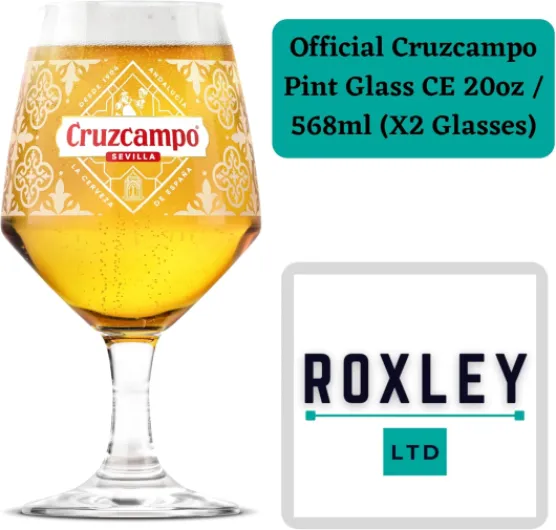
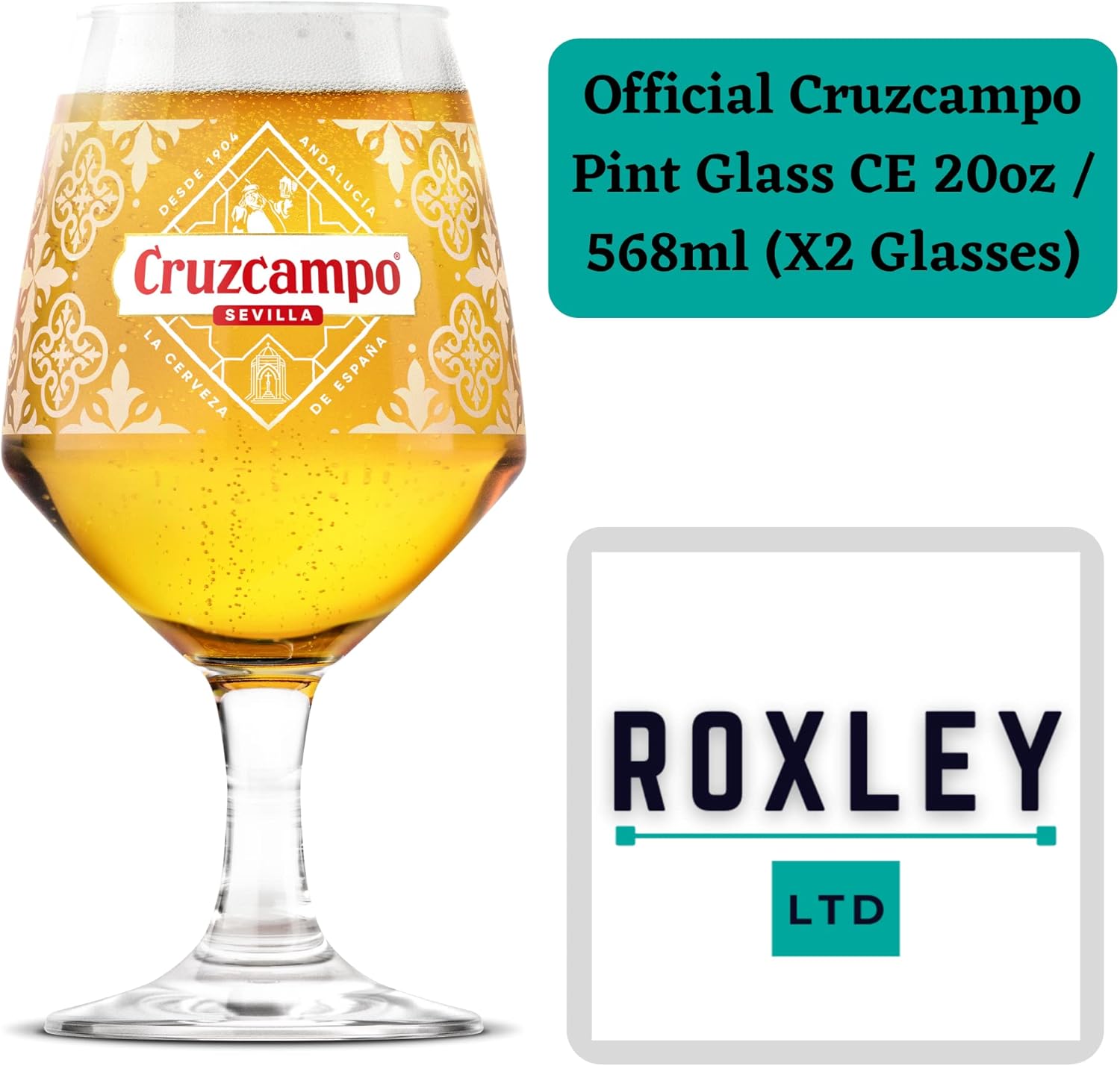
Glass is the standard for a reason. It shows off colour, clarity and carbonation, which matters when you are learning how different styles should look. A clean glass also helps maintain a proper head, carrying aromas to your nose with every sip. The downside ; glass can chip or break, and it does not insulate as well as thicker options, so your beer may warm faster if you linger over it.
Traditional steins ; weight, insulation and ritual
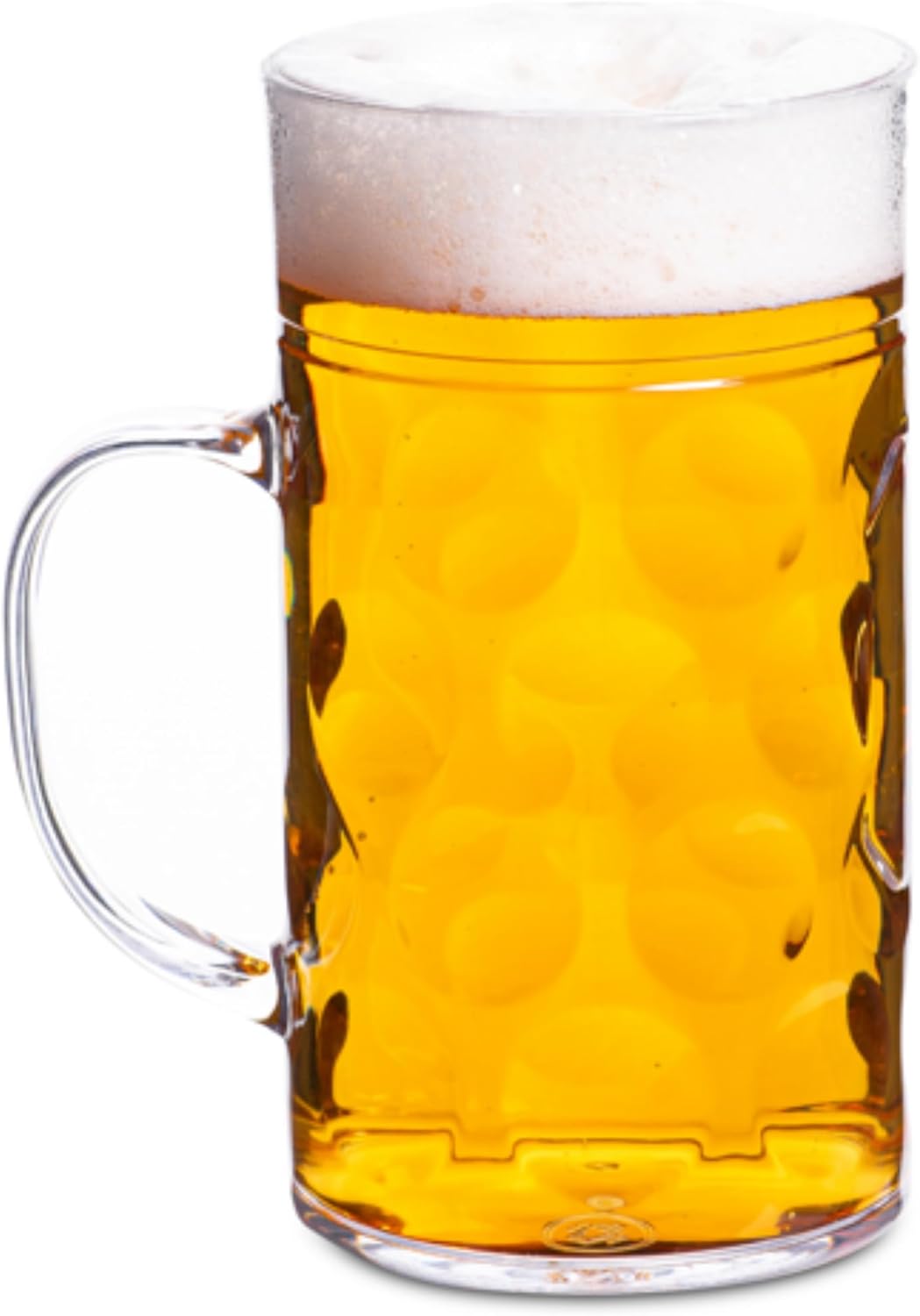
Ceramic or stoneware steins bring a sense of occasion. Their thick walls keep lagers and festbiers cool for longer, and the opaque body protects beer from light. Many drinkers enjoy the solid heft in the hand, which adds to the ritual of a long session. However, you cannot easily judge clarity or remaining volume, and the weight can become tiring during extended tastings.
Stainless steel ; durability and temperature control
Stainless steel pints and mugs are built for rough use ; camping trips, barbecues, or crowded parties where drops are likely. Double walled, vacuum insulated models keep beer cold for a long time and prevent condensation rings on your table. Flavour neutrality is generally good with quality steel, but cheaper versions may give a faint metallic note, especially with delicate beers.
Material, flavour and serving context
Each material subtly shapes flavour perception. Glass highlights aroma and appearance, ideal when you are focusing on tasting notes. Steins emphasise temperature stability and comfort, perfect for relaxed, long pours. Stainless steel prioritises practicality and chill, great when you care more about cold refreshment than visual details. When you start building a home bar set, think about where you drink most often and how careful your guests are ; that will guide whether you lean toward classic glassware, sturdy steins, or nearly indestructible steel. For adventurous pairings or spicy beer sessions, a durable stainless steel pint can be especially handy.
Shapes, handles and sizes ; how design affects your drinking experience
Why some glasses feel better in your hand
The first thing you notice about any pint or mug is how it feels to hold. A classic straight-sided pint is easy to grip and stack, making it a favourite in busy pubs. Tulip and nonic (bulged) pints add a slight curve that improves grip and helps the glass sit securely in your hand, especially when condensation builds up.
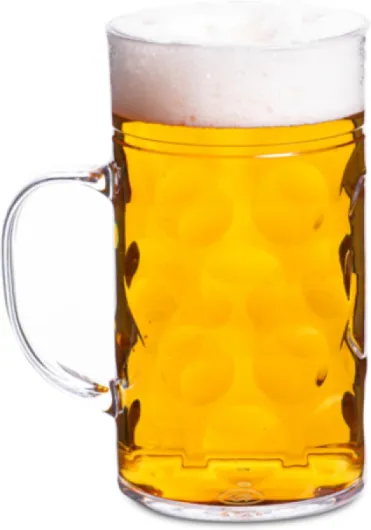
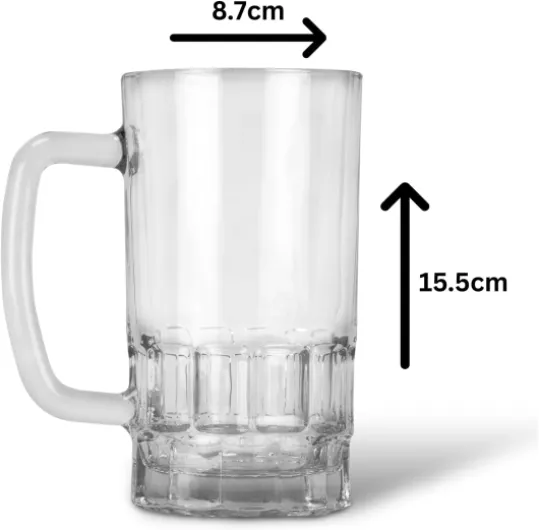
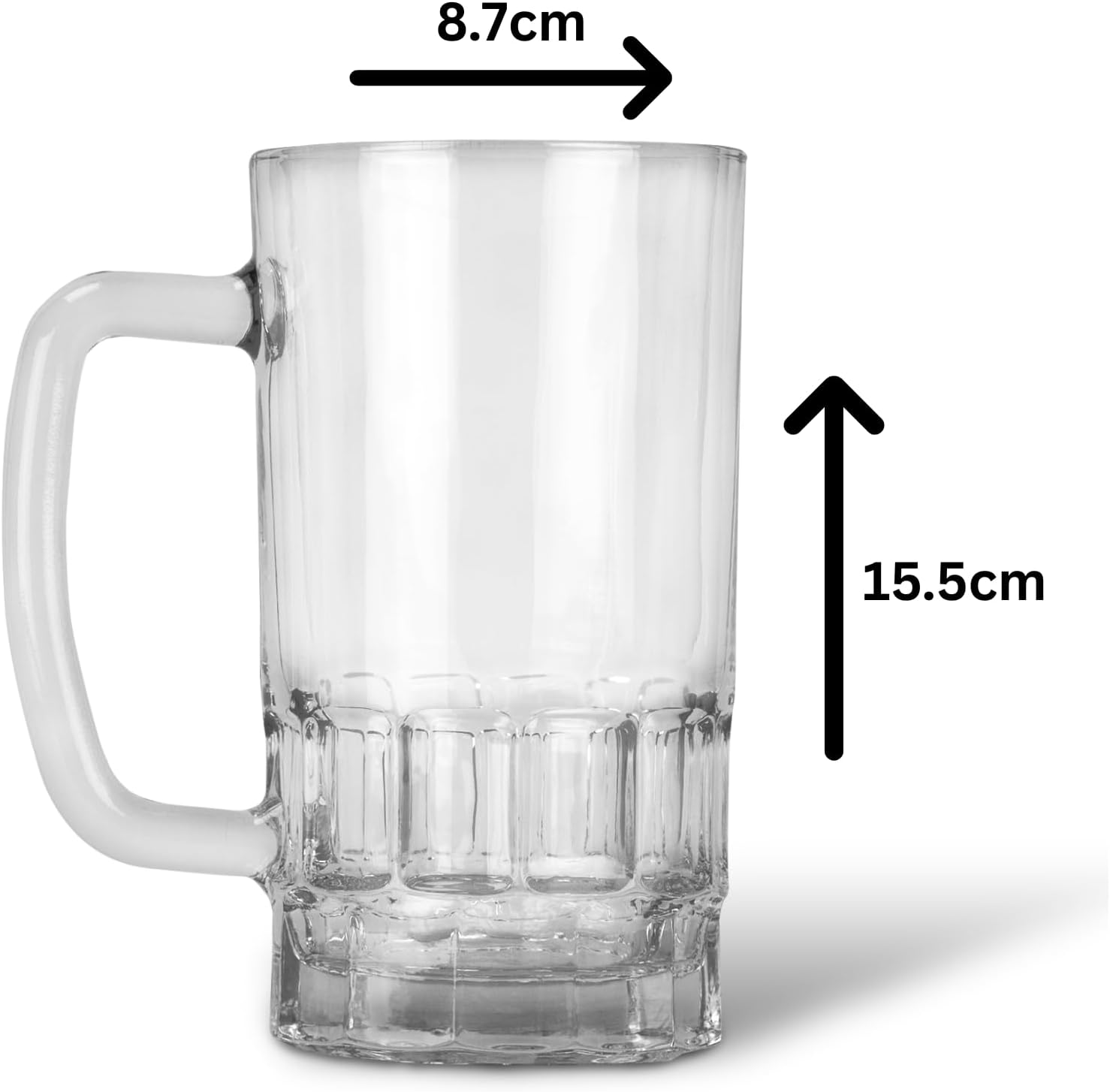
Handles change the experience again. A chunky dimpled mug or stein keeps your hand away from the bowl, so you warm the beer less and keep lagers or pale ales cooler for longer. This is especially useful when you are pairing beer with rich, spicy food such as Caribbean-inspired recipes at home, where you want each sip to stay crisp and refreshing.
How shape influences aroma and flavour
Shape is not just about looks ; it guides aroma and carbonation. Narrower openings, like those on tulip pints or stemmed glasses, concentrate aromas toward your nose, ideal for hop-forward IPAs or Belgian ales. Wider mouths on classic mugs and tankards let carbonation escape more quickly, softening the bite of highly carbonated lagers and making them easier to drink in larger volumes.
The bowl size also matters. A slightly wider mid-section gives the beer room to release aroma as you swirl, while still channelling it upward. This is why some home bar setups mix tall, straight pints for easy-drinking lagers with more curved glasses for aromatic styles.
Choosing the right size for the right moment
Standard pint sizes are perfect for session beers, but smaller glasses (around two-thirds of a pint) suit stronger styles where you want to savour slowly. Oversized mugs and steins shine at social gatherings, where a generous pour and a solid handle turn every refill into part of the ritual.
How to choose the best pints mugs set for your home bar
Key questions before you buy
Before adding any pint glass or mug set to your cart, think about how you actually drink beer at home. Ask yourself :
- What styles do I drink most ? If you mainly enjoy lagers and pale ales, classic pint glasses are enough. If you also love stouts, wheat beers or Belgian ales, a mixed set with at least two shapes is more versatile.
- How many people do I usually serve ? Solo drinker or couple ? A set of 4 is fine. Regular host ? Aim for 6 to 8 pieces to avoid constant washing during a night.
- Where will I use them ? For a kitchen table, tall and elegant glasses work well. For a garden or balcony, sturdier mugs or stainless steel options are safer.
Balancing style, comfort and performance
Think back to how different materials and shapes influence aroma, temperature and foam. Your ideal set should balance :
- Look – Match your home bar style ; rustic steins for a pub feel, sleek tulip pints for a modern touch.
- Grip – If you like a solid hold, choose at least a few handled mugs. For lighter beers and tasting sessions, slimmer stems or straight pints feel more refined.
- Capacity – Standard 16 oz / 473 ml works for most beers, but adding a couple of smaller glasses is great for stronger brews or tasting flights.
Practical details that make a difference
Check that your set is clearly marked as dishwasher safe if you plan to clean it that way. Look for tempered or thick glass if you are clumsy or have busy gatherings. Finally, consider storage ; stackable pints save space, while chunky mugs may need a dedicated shelf in your home bar area.
Care, cleaning and real world use cases for beer glasses and mugs
Daily care that keeps clarity and flavour
Good pints and mugs last longer when you treat them like part of your brewing kit. Rinse glasses with warm water right after use so beer residue does not dry and cling. Avoid very hot water on cold glass ; sudden temperature shocks can cause micro‑cracks, especially on thinner pint glasses.
Use a mild, unscented detergent and a soft sponge. Strong perfumes and greasy soaps leave films that kill head retention and mute aromas. Rinse thoroughly until water sheets evenly down the inside of the glass ; if it beads, there is still residue.
What to avoid when washing beer glasses
Skip the dishwasher for your favourite pints and mugs, even if the manufacturer says they are dishwasher safe. High heat, harsh detergents and crowded racks can etch glass, fade designs and chip rims or handles. Never use abrasive pads or scouring powders on glass, steins or stainless steel ; they scratch surfaces and create spots where off‑flavours can build up.
Fabric softener on drying cloths is another hidden enemy. It leaves a waxy layer that flattens carbonation and affects lacing.
Drying, storing and using them in real life
Air‑dry glasses upside down on a clean rack, then finish with a lint‑free towel if needed. Store upright so rims do not chip and so air can circulate. Keep your best pints away from strong kitchen odours ; glass can pick up smells over time.
For chilled service, cool glasses in the fridge, not the freezer. Thick frost can water down your beer and trap detergents. Reserve frosted mugs for lighter, simple lagers and keep your more delicate glassware just slightly cool to protect aroma and flavour.