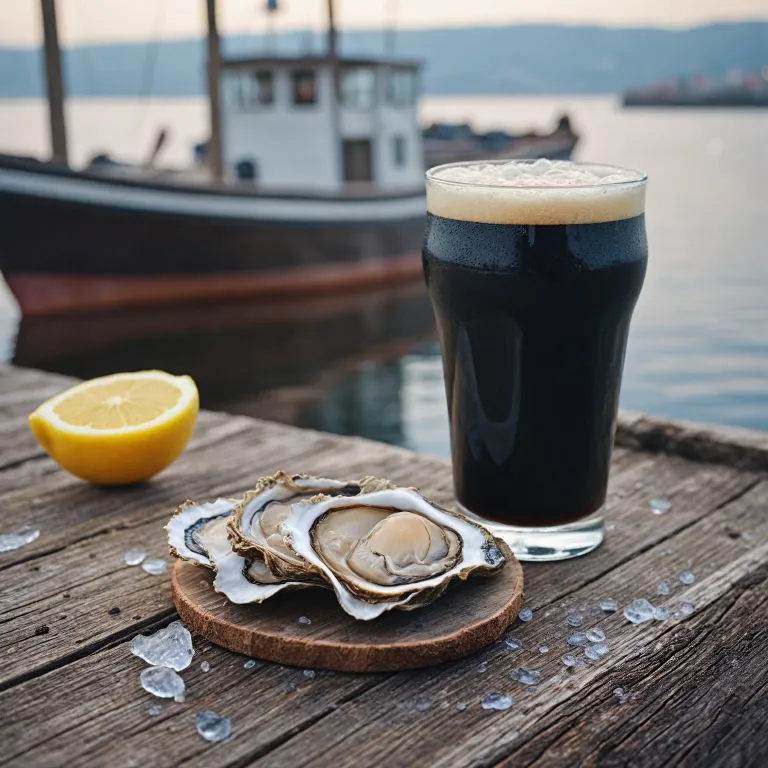
What makes oyster stout beer different from a regular stout
At first glance, oyster stout beer looks a lot like any other dark stout in your glass. Deep brown to black color, a creamy tan head, roasted aromas rising as you swirl. Yet behind that familiar appearance, there is a very specific twist that sets it apart from a regular stout.
A maritime twist on the classic stout base
Most traditional stouts rely on roasted barley, dark malts, and sometimes lactose to build body and flavor. Oyster stouts start from that same foundation, but brewers add real oysters, shells, or both during the brewing process. This maritime addition brings subtle salinity and minerality that you will not find in a standard stout.
From pub snack to ingredient in the kettle
Historically, oysters and stout were simply served together at the bar. Over time, some brewers began experimenting with putting oysters directly into the beer. That shift transformed a classic pairing into a unique style. While many modern stouts chase intensity with higher alcohol or bold adjuncts, as seen in some specialty stout releases, oyster stouts focus more on nuance and balance.
Subtle salinity, not a fishy beer
One of the biggest differences from regular stout is what you do not taste. A well made oyster stout should not taste fishy. Instead, the oysters contribute a gentle brininess and a smoother mouthfeel, enhancing chocolate, coffee, and roasted notes rather than overpowering them. This makes the style especially interesting when you start thinking about food pairings, recipes, and how to serve these beers at home, as well as how to choose bottles and cans that match your flavor preferences.
How brewers actually use oysters and shells on brew day
From tide to tank: when oysters join the mash
On brew day, most oyster stouts start like any other dark ale : a mash of roasted barley, chocolate malt and other grains. The twist comes when the brewer adds whole oysters, meat and shells included, directly into the kettle during the boil. Some use mesh bags, others toss them in loose, but the goal is the same : extract subtle salinity, calcium and minerality from the shells, plus a gentle richness from the oyster meat.
Not every recipe uses whole oysters. Some breweries rely only on shells, rinsed and sometimes roasted, to keep the beer suitable for people who avoid shellfish meat. Others experiment with oyster liquor (the briny juice) for a more pronounced maritime note. Timing matters : added too early, the character fades ; too late, and the salinity can feel harsh instead of rounded.
Traditional techniques meet modern stout brewing
Because oyster stouts share a lot with robust porters and strong dark ales, many brewers borrow techniques from winter warmers and spiced seasonal beers. If you are curious about how complex dark recipes are layered, reading about a bold spiced dark ale anniversary release gives a good sense of the kind of malt depth and careful balance that also underpins a great oyster stout.
After the boil, the oysters are removed, and fermentation proceeds as usual with ale yeast. Some brewers then age the beer on oak or in steel tanks to let the flavors knit together. By the time the stout is ready for packaging, there is no obvious seafood floating around – only a smooth, dark beer with a quiet coastal fingerprint that sets up the flavors you will read about in the tasting section.
How oyster stout beer tastes and why drinkers love it
Flavors from the shore in your glass
Oyster stout beer keeps the roasted, chocolatey backbone of a classic stout, but adds a subtle coastal twist. The oysters and shells do not make the beer taste like a plate of raw oysters. Instead, they bring gentle salinity and minerality that round out the dark malts and soften any harsh bitterness.
On the first sip, you will usually notice roasted coffee, cocoa, and a touch of caramel. Then a light briny note appears, almost like sea spray in the background. This hint of salt can make the body feel silkier and the finish cleaner, encouraging you to take another sip. Some versions lean drier and toasty, while others feel creamier and more chocolate-forward, depending on how the brewer handled the grain bill and the oysters on brew day.
Why drinkers fall for oyster stouts
Fans love oyster stout beer because it feels familiar yet surprising. It is still a comforting dark ale, but the maritime character adds intrigue without overwhelming the palate. People who enjoy pairing beer with food appreciate how the salinity sharpens flavors, much like a sprinkle of sea salt on dessert or grilled meat.
Oyster stouts also appeal to drinkers who like beers with a story. Knowing that real oysters or shells went into the kettle adds a sense of place and tradition that you do not get from every stout. They fit naturally into tasting sessions alongside other specialty dark beers, and they can be a fun contrast to lighter options you might pour from a keg at home, such as a crisp lager served on tap for your next gathering. Together, they show how wide the flavor range of beer can be, from seaside richness to bright, easy-drinking refreshment.
Food pairings, recipes and how to serve oyster stouts at home
Classic pairings that flatter briny stouts
Oyster stouts shine with foods that echo or balance their gentle salinity. Unsurprisingly, they are superb with seafood. Fresh oysters, mussels in garlic butter, or simple grilled shrimp all mirror the beer’s coastal character. Rich, fatty dishes also work beautifully : think seared scallops with bacon, fish and chips, or a creamy seafood chowder. The stout’s roast and mineral edge cut through oil and cream, keeping each bite lively instead of heavy.
Beyond the sea, salty cheeses like blue, Stilton, or aged cheddar are excellent partners. Charcuterie boards with cured ham, pâté, and pickles pick up the beer’s subtle sweetness and roasted malt. For a comforting match, try it with shepherd’s pie, steak and ale pie, or a mushroom risotto ; the stout’s umami depth amplifies earthy flavors.
Cooking with oyster stout in your kitchen
Oyster stout is not just for sipping ; it is a fantastic ingredient. Use it in place of stock or wine in slow braises, stews, or onion gravy. A splash in a mussel pot or clam chowder adds a gentle roast and oceanic note that regular stout cannot quite match. For a twist on classic pub fare, make a stout reduction for bangers and mash, or whisk it into a pan sauce for pan-seared cod or salmon.
On the sweeter side, oyster stout can deepen chocolate desserts. Add it to brownie batter, chocolate cake, or a dark chocolate ganache. The beer’s roasted malt and faint salinity sharpen cocoa flavors and keep sweetness in check, giving desserts a grown-up, layered profile that stout fans will recognize from more robust dark ales.
Buying, price and how to learn more about oyster stout beer
Where to find oyster stouts and what to look for
Oyster stouts are still a niche style, so you are more likely to find them at well-stocked bottle shops, specialty beer bars, and brewery taprooms than at the supermarket. When browsing shelves, look for labels that clearly mention “oyster stout” or “oyster shells” in the description. Some breweries use real shellfish, others only shells, so check the ingredients if you have dietary restrictions.
Online retailers and brewery webshops are also useful, especially for seasonal releases. Many oyster stouts appear in colder months, echoing the rich, comforting profile you read about earlier.
Price range and what influences it
Most oyster stouts are priced like other small-batch specialty stouts. Expect them to sit slightly above standard dry stouts, but usually below big barrel-aged or imperial releases. Factors that can push the price up include :
- Use of fresh, high-quality oysters
- Limited seasonal batches
- Higher alcohol versions or barrel aging
- Import costs if you are buying from overseas breweries
Buying single bottles or cans first is a smart way to test different interpretations before committing to a full pack.
How to deepen your knowledge of oyster stout beer
To go further, start by tasting side by side : pour a classic dry stout and an oyster stout and compare aroma, body, and finish, using the tasting notes you have already learned. Talk with bartenders and brewery staff ; they can explain exactly how their oysters or shells are used on brew day and how that shapes flavor.
Finally, keep a simple tasting notebook. Jot down the brewery, ingredients, and your impressions with food pairings at home. Over time, you will build a personal reference that makes choosing your next oyster stout easier and more rewarding.