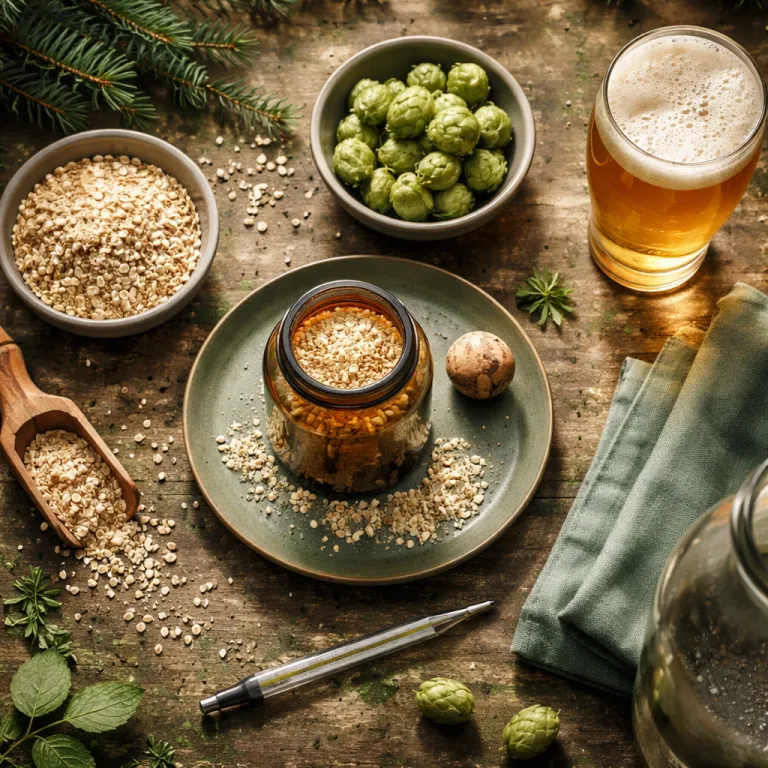
Why brewing with kveik yeast feels different from regular brewing yeast
First impressions when you swap to kveik
The first time you brew with kveik, it feels like someone quietly removed a bunch of the usual constraints. Fermentation starts fast, charges ahead with confidence, and often finishes before a standard ale yeast would even be hitting its stride. You pitch, blink, and the airlock is already dancing.
That speed changes how you plan your brew days. Instead of waiting a long week for gravity to drop, you can often think in terms of a long weekend. It reshapes your expectations about when a beer is ready to package, and how quickly you can turn tanks around in a home brewery or small commercial setup.
Less stress about gear and timing
Brewing with kveik also feels more forgiving. Traditional ale yeasts can punish small mistakes in oxygenation, pitching rate, or temperature control. Kveik tends to shrug off minor errors and still produce clean, characterful beer. That resilience can be a relief if you are brewing on basic equipment or juggling multiple batches.
Because kveik tolerates a wide temperature range, it can ease the pressure on your fermentation tank setup. You may not need as much precise chilling or heating to keep the yeast happy, which is especially helpful in warm apartments, garages, or small breweries with limited cooling capacity.
A different mindset in recipe design
Once you understand how kveik behaves in fermentation and temperature, you start designing recipes around its strengths rather than working against its quirks. You think about how quickly you want the beer ready, what kind of ester profile you are aiming for, and which specific strain will best match your malt and hop choices. That shift in mindset is what truly makes brewing with kveik feel different from using a regular, modern ale yeast.
How kveik strains behave in fermentation and temperature range
Fermentation speed that changes your brew day
One of the first shocks when you pitch kveik is how fast it gets to work. While many ale strains take a day to show real activity, kveik often erupts into vigorous fermentation within hours. A healthy pitch can reach terminal gravity in a fraction of the time you are used to, which reshapes how you plan your brew day and packaging schedule.
This rapid pace does not mean you can ignore fermentation management. You still need to monitor gravity, flavor development, and yeast health, but the timeline is compressed. Many brewers find they can brew and serve a kveik beer in the time it would normally take just to condition a standard ale.
Thriving at temperatures that scare other yeasts
Kveik’s temperature range is where it truly breaks the rules. These strains are comfortable at warm ale temperatures and can keep fermenting cleanly far above what you would attempt with most commercial yeasts. Instead of harsh fusels and solvent notes, you often get a surprisingly smooth profile, with fruity esters that can complement hop-forward or malt-driven recipes.
Because of this, kveik is a gift if you lack precise temperature control. A simple, stable warm environment is often enough. To better understand how this compares with conventional setups, it is worth reading about modern fermentation tank practices and how tightly most breweries manage temperature for other strains.
Oxygen, nutrients, and stress tolerance
Kveik is famously robust. It tolerates under-oxygenation and modest nutrient levels better than many yeasts, which explains its farmhouse roots. Still, treating it like a modern brewing strain—with proper aeration and balanced nutrients—will reward you with cleaner flavors, reliable attenuation, and the consistency you will want for the recipes you refine later on.
Popular kveik strains from yeast labs and how they taste in beer
Well-known kveik cultures and their flavor signatures
Once you understand how kveik behaves in the fermenter, the fun really starts when you choose specific strains. Each culture brings its own personality, and they are far more diverse than many brewers expect.
Voss kveik is often the first stop. It is famous for handling very warm fermentations while staying clean and reliable. At higher temperatures, it tends to give bright orange, tangerine, and gentle spice notes. Used cooler, it becomes surprisingly neutral, making it a flexible option for pale ales and IPAs.
Hornindal kveik leans into tropical territory. Many brewers pick it for hazy IPAs because it can throw mango, pineapple, and stone-fruit aromatics that layer beautifully with modern hop varieties. It also keeps a soft mouthfeel, which works well in juicy, low-bitterness recipes.
Stranda and Ebbegarden sit somewhere between fruity and clean. They can support malt-forward styles, blondes, and even some darker ales without clashing with roasted grains. Expect subtle citrus and orchard-fruit notes rather than a full-on fruit salad.
On the more rustic side, Stordal and Framgarden can show light earthiness, herbal tones, and a farmhouse edge. These are great choices when you want to echo traditional Norwegian farmhouse ales or give modern saisons a different twist.
Because kveik ferments so fast and flocculates well, you will often be racking off the yeast sooner than with conventional strains. A simple, reliable auto siphon transfer tool for homebrewing helps you move the beer cleanly while preserving those expressive aromatics you worked for.
Practical tips for brewing with kveik yeast at home or in a small brewery
Dialing in your kveik pitch and oxygen
Kveik does not need the same heavy pitch rates as standard ale yeast. For most homebrew batches, a small amount of slurry or a fraction of a dry pack is enough. Overpitching can mute the bright citrus and tropical notes you expect from many strains.
Aeration is also less critical than with conventional yeasts. A brief shake of the fermenter is usually sufficient. Excessive oxygenation can push the yeast toward a cleaner, less characterful profile.
Managing fermentation temperature without stress
One of the biggest advantages you learned about earlier is kveik’s comfort at high temperatures. At home, this means you can often ferment at room temperature or warmer without elaborate cooling. Aim for the middle of the recommended range for your strain if you want a balance of esters and drinkability.
In a small brewery, use your existing temperature control but relax your precision. Kveik tolerates swings that would make other yeasts stall or throw harsh fusels. Still, avoid sudden, extreme jumps ; gradual changes help maintain a smooth fermentation curve.
Fermentation timelines and conditioning
Kveik ferments fast. Plan for primary fermentation to finish in a fraction of the time you are used to. Take gravity readings early and be ready to crash cool or transfer as soon as the beer reaches terminal gravity, especially if you want to keep ester levels in check.
Even though kveik can produce drinkable beer quickly, a short conditioning period improves clarity and rounds off any rough edges. For small breweries, this rapid turnaround can free up tank space and increase flexibility in your production schedule.
How kveik connects modern brewers with traditional farmhouse brewing culture
From farmhouse hearths to modern brewhouses
Brewing with kveik is not just about fast fermentations and warm temperature ranges. It is a living link to the farmhouse brewers of western Norway, who passed these yeasts down through families and villages for generations. When you pitch kveik into your wort, you are working with cultures that were once dried on wooden rings, stored in barns, and revived only for special brewing days.
Those traditional brewers did not think in terms of cell counts, attenuation curves, or ester profiles. Yet, as you have seen when looking at how kveik behaves in fermentation, their practical knowledge led them to select yeasts that are incredibly robust, clean, and flavorful. Modern labs are only now catching up to what farmhouse culture preserved by intuition and repetition.
Rituals, stories, and community in a kveik brew day
Bringing kveik into your home brewery or small commercial setup can be a way to reintroduce ritual and storytelling into your process. Instead of treating yeast as a disposable ingredient, you can harvest, dry, and repitch it, much like the Norwegian families who guarded their strains as heirlooms.
Many brewers now name their kveik cultures, share them with friends, and trade notes on how they behave in different recipes. This echoes the old practice of neighbors lending yeast to each other when a batch failed or when a big celebration called for extra beer.
Blending tradition with innovation
What makes kveik so exciting is how easily it fits into modern brewing techniques. You can ferment clean IPAs, rustic farmhouse ales, or experimental hybrids, all while honoring a tradition that values resilience, sharing, and local character. By choosing kveik, you are not only gaining a powerful tool in the brewhouse ; you are helping keep a unique brewing heritage alive and evolving with every batch.