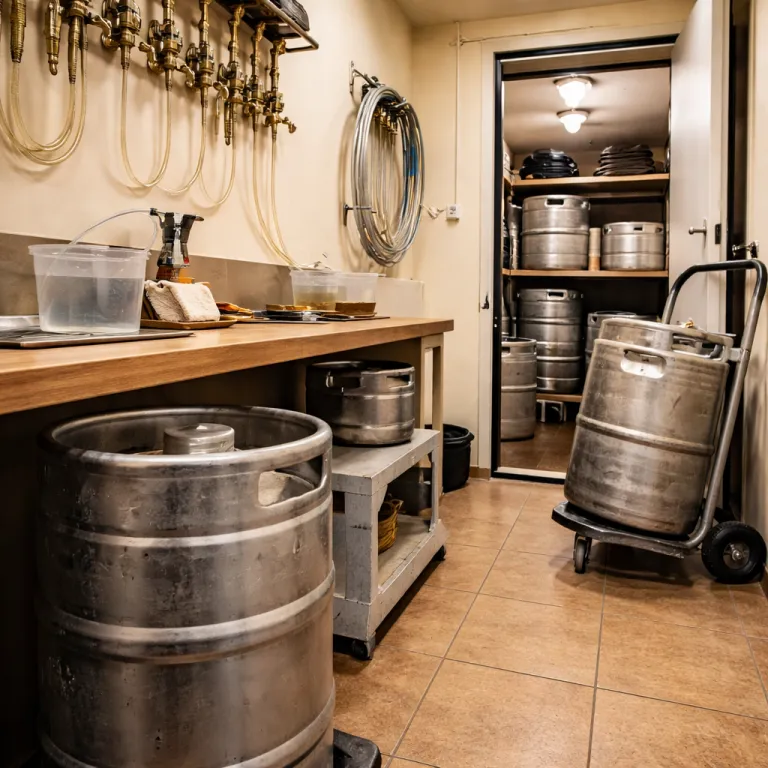
Why changing a keg feels stressful and how to make it routine
Why changing a keg feels like a big deal
Changing a keg can feel nerve‑racking, especially if you are new to draft systems. There is pressure not to waste beer, not to spray foam everywhere, and not to break anything on the tap. On top of that, you might have guests waiting for their next pint while you are wrestling with couplers and gas lines.
The good news is that keg changes are much less dramatic once you understand what is happening inside the system. When you know how gas, pressure, and temperature work together, the whole process becomes a simple routine instead of a stressful emergency.
Turning a stressful moment into a simple habit
The key is to treat keg changes as a repeatable habit, not a one‑off challenge. That means:
- Using the same basic steps every time you swap a keg
- Checking a short mental list before and after you change it
- Keeping your tools and cleaning supplies in one easy‑to‑reach place
Once you follow a clear process, like the one we will walk through later, you will be able to change kegs calmly even during a busy service or a crowded home party.
Confidence comes from preparation
Two things build confidence fast : knowing your hardware and having the right setup. Learning the names and roles of each keg part will make the step‑by‑step change feel logical instead of mysterious. And if you are using a home draft system, a well‑designed kegerator kit can simplify gas control, temperature, and line management so that keg swaps are smoother and cleaner.
With a bit of practice, you will go from “please do not explode” to “give me thirty seconds and your pint is ready”. That shift is what turns keg changing into a normal, almost automatic part of serving great beer.
Know your keg parts before you start changing keg
Get familiar with the keg itself
Before you even think about disconnecting anything, take a moment to look at the keg. On top, you will see the spear (the central metal fitting) where the coupler locks in. Around it, there is usually a collar or ring that helps guide and protect the connection.
Most home and bar setups use standard commercial kegs (like half-barrel, slim, or pony kegs). If you are thinking about upgrading your home bar, it is worth learning how these sizes match different draft systems, such as a pony kegerator for smaller kegs.
Understand the coupler and how it locks
The coupler is the part that connects your keg to the gas and beer lines. It usually has:
- A handle that you pull out and push down (or twist) to lock
- A gas inlet on the side, where the CO₂ line attaches
- A beer outlet on top, where the beer line connects
When the handle is locked down, the coupler pushes a valve inside the keg spear, letting gas in and beer out. When you change a keg, you will reverse this by unlocking and lifting the handle before disconnecting.
Know your gas and beer lines
The gas line (usually colored or clearly labeled) runs from the CO₂ tank and regulator to the coupler. It pushes beer out of the keg. The beer line runs from the coupler to the faucet or tap tower.
In later steps, you will shut off gas, vent pressure, and handle these lines carefully. Knowing which is which now makes those actions quick and calm instead of confusing and stressful.
Step by step : how do you change a keg safely and cleanly
Prepare your tools and clear the area
Before touching the keg, make sure the serving area is calm and clean. Wipe any spills, move glassware away, and check that you have a bar towel or paper towels ready. If you use gloves, put them on now. This small routine lowers stress and keeps you focused.
Shut off the beer flow and release pressure
Close the tap fully so no beer can pour. Then, turn off the gas at the regulator or cylinder. If your system has a pressure relief valve on the coupler or keg, pull it gently to release remaining pressure. This step protects you from sudden sprays and helps avoid foam waste.
Disconnect the coupler safely
Hold the coupler firmly. Unlock it by lifting or twisting the handle, depending on the type you learned about earlier. Turn the coupler counterclockwise until it comes free. Keep it upright to avoid dripping beer on the floor.
Swap in the new keg
Roll or lift the empty keg away using your legs, not your back. Place the new keg where it will stay, checking that the top is clean. Align the coupler with the keg fitting, insert it, and twist clockwise until snug. Push or lock the handle down to engage. Turn the gas back on and set the pressure to your usual serving level.
Purge, test pour, and quick clean
Use the pressure relief valve again to purge excess gas and help reduce foam. Pour a small test glass to check clarity, carbonation, and flavor. This is also a good moment to think about ingredients and whether your beer is vegan friendly. Finally, wipe the coupler, lines around the keg, and the floor. A clean, calm finish makes the next keg change even easier.
Common problems when changing keg and how to fix them fast
Foamy pours and how to calm them down
Foam is the most common headache when changing a keg. If your first pours are all head, start by checking temperature. Warm beer foams more, so make sure the keg has been chilled long enough before tapping. Then look at pressure. Too much CO2 will blast beer out of the faucet and whip it into foam. Gently lower the regulator a few PSI, wait a few minutes, and try again.
Also check that the coupler is fully locked and the faucet is opening smoothly. A half-open tap or a sticky faucet can create turbulence and extra foam.
When nothing comes out of the tap
If you pull the handle and get only a sad hiss or nothing at all, start with the gas. Is the CO2 tank open ? Is the regulator set to a reasonable serving pressure ? If the gauge reads empty, you may need a refill.
Next, confirm the coupler is seated correctly on the keg. Unlock it, lift, reseat, and twist firmly before locking down again. A poorly seated coupler will block flow. Finally, inspect the beer line for kinks or sharp bends that might be pinching the hose.
Off flavors, leaks and other red flags
If the beer tastes flat, sour, or “off” right after a keg change, think back to your cleaning routine. Lines, faucets, and couplers that are not cleaned regularly can spoil fresh beer quickly. A quick rinse is not enough ; use proper cleaner and follow a schedule.
For leaks, listen and look. A faint hiss near the regulator or coupler usually means a loose connection or a worn washer. Tighten fittings by hand first, then with a wrench if needed, and replace damaged seals. Fixing these small issues early protects both your beer quality and your gas supply.
Why good keg changes matter for taste, waste and beer culture
How clean keg changes shape the beer in the glass
Every keg swap leaves a fingerprint on the beer your guests actually drink. A smooth, clean change keeps oxygen out and pressure stable, so the first pint from the new keg tastes just like the brewer intended. Rush it, or skip a step, and you can end up with flat, foamy, or oxidised beer that feels tired from the very first pour.
Think back to the way you now check couplers, gas lines, and seals before you switch. That quick routine protects aroma and carbonation. When the system is tight and balanced, hop-forward beers stay bright, malt-driven styles remain rich, and delicate lagers keep their crisp snap instead of turning dull or papery.
Less waste, more pints, better margins
Good keg changes are also good business. Every foamy pitcher you dump is money down the drain. By venting pressure correctly, opening and closing valves in the right order, and avoiding unnecessary shaking or tilting, you dramatically cut the amount of beer lost at changeover.
Over a week, that might be a few pints. Over a season, it can add up to full kegs saved. For a bar, taproom, or even a busy home bar, that means better margins and more people actually enjoying the beer you paid for.
Respecting the craft and educating drinkers
Behind every keg is a brewer who obsessed over recipe, fermentation, and packaging. A careful keg change is a sign of respect for that work. When you handle kegs confidently and keep pours consistent, guests notice. It builds trust, encourages them to try new styles, and raises expectations for draft quality everywhere.
In that way, a simple, well-executed keg change supports the wider beer culture : better service, better beer, and more informed drinkers.