

What does vegan mean for beer and why it is not as simple as it sounds
Why “vegan beer” is not as obvious as it sounds
At first glance, beer seems like it should always be vegan. After all, it is usually made from water, malted barley or other grains, hops, and yeast. None of these are animal products. So why is there even a debate about whether beer is vegan ?
The key point is that vegan does not only mean “no meat, milk, or eggs in the ingredients list”. For many drinkers, vegan also means that no animal products are used at any stage of production, even if they do not end up in the final glass. This is where beer becomes more complicated.
During brewing, some breweries use animal-derived substances to clarify the beer or adjust its flavor and texture. These substances might not appear on the label, yet they still matter for anyone following a vegan lifestyle. Later in this article, you will see how these hidden steps in the brewing process can turn an apparently simple pint into a non-vegan drink.
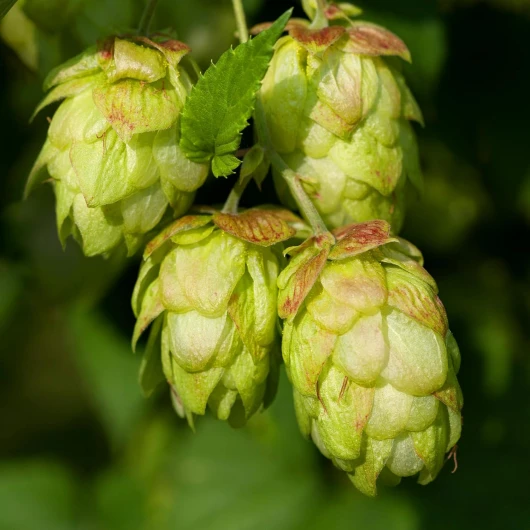
Another layer of complexity comes from modern beer styles. Craft breweries experiment with ingredients such as honey, lactose (milk sugar), and even barrel-aging in casks that previously held spirits made with animal products. At the same time, hop-forward beers using varieties like those described in this guide to Ekuanot hops flavor profiles can be completely plant-based, yet still need checking for hidden processing aids.
Understanding what “vegan” really means in the context of beer will help you read labels more critically, ask the right questions, and feel more confident when you choose what to drink. The next parts will walk through how animal products can enter beer, which styles are usually safe, and how to verify a beer’s vegan status.
How animal products sneak into beer through finings and the brewing process
Why some brewers still use animal-based finings
Many traditional breweries use animal-derived finings to make beer look bright and clear more quickly. These finings act like magnets, attracting haze-forming particles such as yeast and proteins so they clump together and sink to the bottom of the tank.
The most common animal-based finings are :
- Isinglass – made from fish swim bladders, widely used in cask ales
- Gelatin – produced from animal collagen, sometimes used in lagers and ales
- Casein – a milk protein, occasionally used for clarification
- Egg whites – more common in wine, but historically used in some beers
Even though these ingredients are usually removed before packaging, they are still considered processing aids of animal origin, which means the beer is not vegan.
Other hidden animal ingredients in the brewhouse
Finings are not the only concern. Some beers include animal products directly in the recipe. Classic examples are milk stouts brewed with lactose, honey ales, or beers flavored with ingredients like oysters or bacon. These are clearly non-vegan, even if the label does not shout it out.
There can also be less obvious issues, such as non-vegan additives in flavorings or colorings. This is why simply reading the main ingredients list is not always enough when you care about vegan choices.
Why vegan beer is about more than just barley and hops
From the outside, beer looks like a simple mix of water, malt, hops, and yeast. In reality, the production chain can involve many extra steps and substances. Understanding how clarification works, and how ingredients like hops and other brewing components are handled, helps you make sense of what vegan really means in your glass and prepares you for checking labels and brewery information later on.
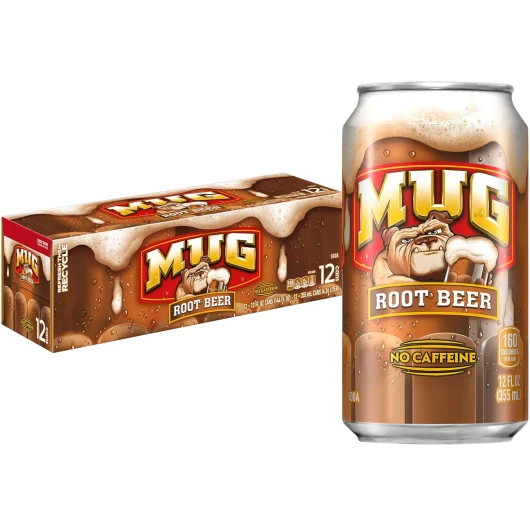
- + Refreshing flavor
- + Convenient 12-pack
- + 12 Fl Oz cans
- + Perfect for parties

Which beers are usually vegan friendly and which ones you should question
Beer styles that are usually a safe vegan bet
Many modern beers are naturally vegan because they are made only from water, malt, hops, and yeast. In general, the simpler and more traditional the recipe, the better your chances.
These styles are often vegan friendly when brewed in a straightforward way :
- Lagers and pilsners – clean, crisp beers that usually do not need heavy fining agents.
- Pale ales and IPAs – hop-forward beers where haze is now accepted, so brewers skip animal-based clarifiers more often.
- Stouts and porters – as long as they do not mention milk, cream, or lactose, they are frequently vegan.
- Wheat beers – many are vegan, but some traditional versions may still use isinglass, so it is worth checking.
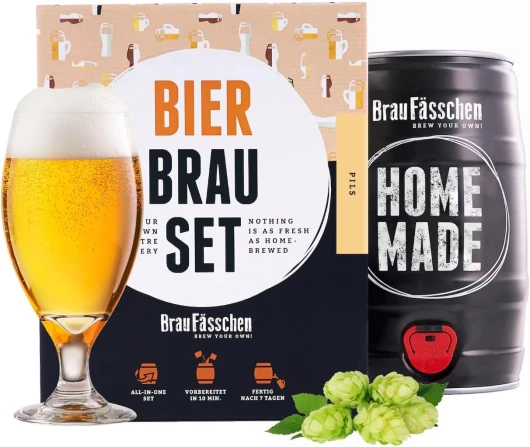
If you enjoy draught beer at home, mini-kegs and home-dispense systems often feature core lagers and pale ales that are more likely to be vegan. Guides about how a 1 6 keg fits into your beer life can help you plan what you keep on tap.
Beer types that need extra attention
Some beers are much more likely to contain animal products, either in the recipe or during clarification.
- Milk stouts and cream ales – usually contain lactose from milk, clearly not vegan.
- Honey beers – honey is an animal product, so these are off the list for strict vegans.
- Traditional cask ales – in some regions, isinglass is still common for fining.
- Fruit beers and pastry-style ales – may include lactose, cream, or other dairy-based ingredients.
Because recipes and processes vary, the style alone never guarantees anything. The next step is learning how to check labels, brewery websites, and certifications so you can confirm whether a specific beer matches your vegan expectations.
How to check if a beer is vegan and what vegan certification really means
Reading labels without getting lost
Checking if a beer is vegan starts with the label, but it is rarely as obvious as reading an ingredients list on plant milk. In many countries, breweries are not required to list finings such as isinglass or gelatin, because they are considered “processing aids” rather than ingredients. That means a beer can look perfectly clean on paper and still have used animal products during clarification.
Still, labels can give useful clues. Look for :
- Clear “vegan” or “suitable for vegans” wording
- Logos from recognised vegan organisations
- Allergen statements mentioning milk, lactose, or honey
If a beer proudly highlights lactose, honey, or cream on the front label, you already know it is not vegan.
Understanding vegan logos and certifications
Vegan certification is handled by independent bodies that audit the brewery’s recipes and processes. When you see a vegan logo, it usually means :
- No animal-derived ingredients in the recipe
- No animal-based finings or processing aids
- Controls in place to avoid cross-contamination with non-vegan products
However, not all vegan beers carry a logo. Certification costs money and time, so many small breweries simply state “vegan friendly” on their website or packaging instead of applying for an official mark.
Going beyond the bottle : how to double-check
When the label is vague, you need to dig a bit deeper. Practical options include :
- Checking the brewery’s FAQ or beer descriptions online
- Using crowd-sourced vegan beer databases and apps
- Emailing or messaging the brewery directly to ask about finings
Over time, you will notice patterns : some breweries commit to vegan-friendly processes across their whole range, while others only make certain beers vegan. Once you know who is transparent and consistent, choosing your next pint becomes much easier.
Why more breweries move to vegan friendly beer and how to drink with confidence
Why more brewers are embracing vegan friendly beer
Once you understand how animal products can slip into beer during clarification and conditioning, it becomes easier to see why many breweries are changing their approach. Modern drinkers care about transparency, allergens, and ethics. That pressure is pushing breweries to rethink old habits like using isinglass or gelatin.
On the practical side, vegan fining agents such as Irish moss, carrageenan, and pea protein are widely available and effective. They help brewers achieve bright, stable beer without relying on animal derivatives. Many breweries also lean into unfiltered or minimally processed styles, which are naturally more likely to be vegan friendly.
How this shift benefits both drinkers and breweries
For drinkers, more vegan friendly beer means fewer question marks when you order a pint. If you already pay attention to ingredients like lactose, honey, or other animal-derived additions, you know how reassuring it is to get clear information. Vegan certification and detailed labels make it easier to match your beer choices with your values and dietary needs.
For breweries, going vegan friendly can open doors to new customers. It signals that they take ingredient sourcing and consumer concerns seriously. In competitive markets, that kind of trust and clarity can be a real advantage, especially for smaller craft producers who rely on loyal, informed fans.
Practical tips to drink with confidence
- Check the brewery’s website or social media ; many now highlight vegan friendly ranges.
- Look for vegan logos or certifications on cans and bottles.
- Ask staff directly at taprooms and bars ; they often know which beers use animal-based finings.
- Use dedicated vegan beer apps or databases when you are unsure.
As more breweries adopt vegan practices, you can enjoy a wider range of styles with greater confidence in what is – and is not – in your glass.