How mini kegs, beer dispensers and tap systems actually work
What happens inside a mini keg system
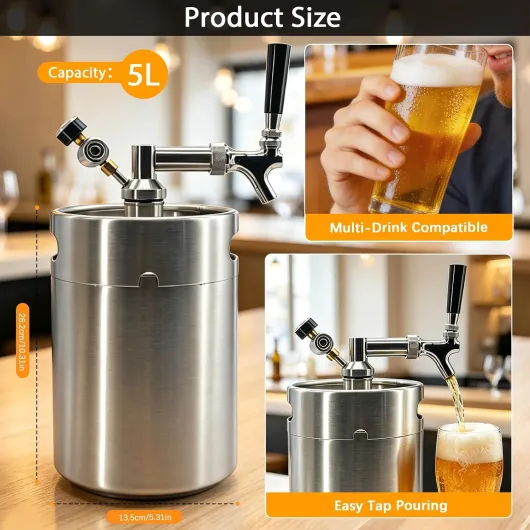
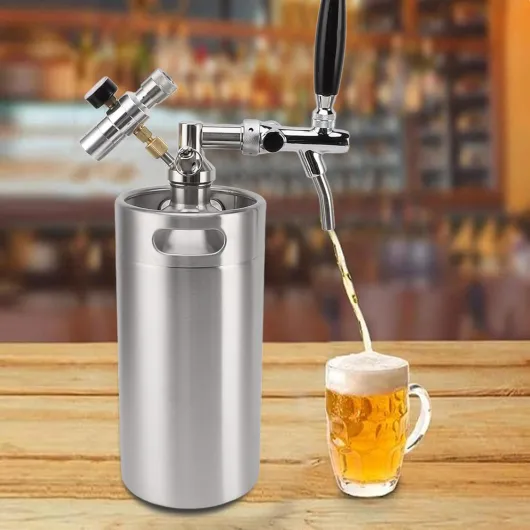
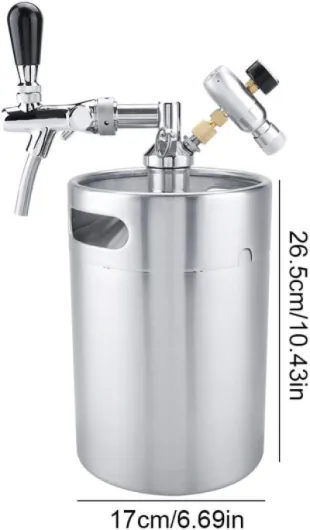
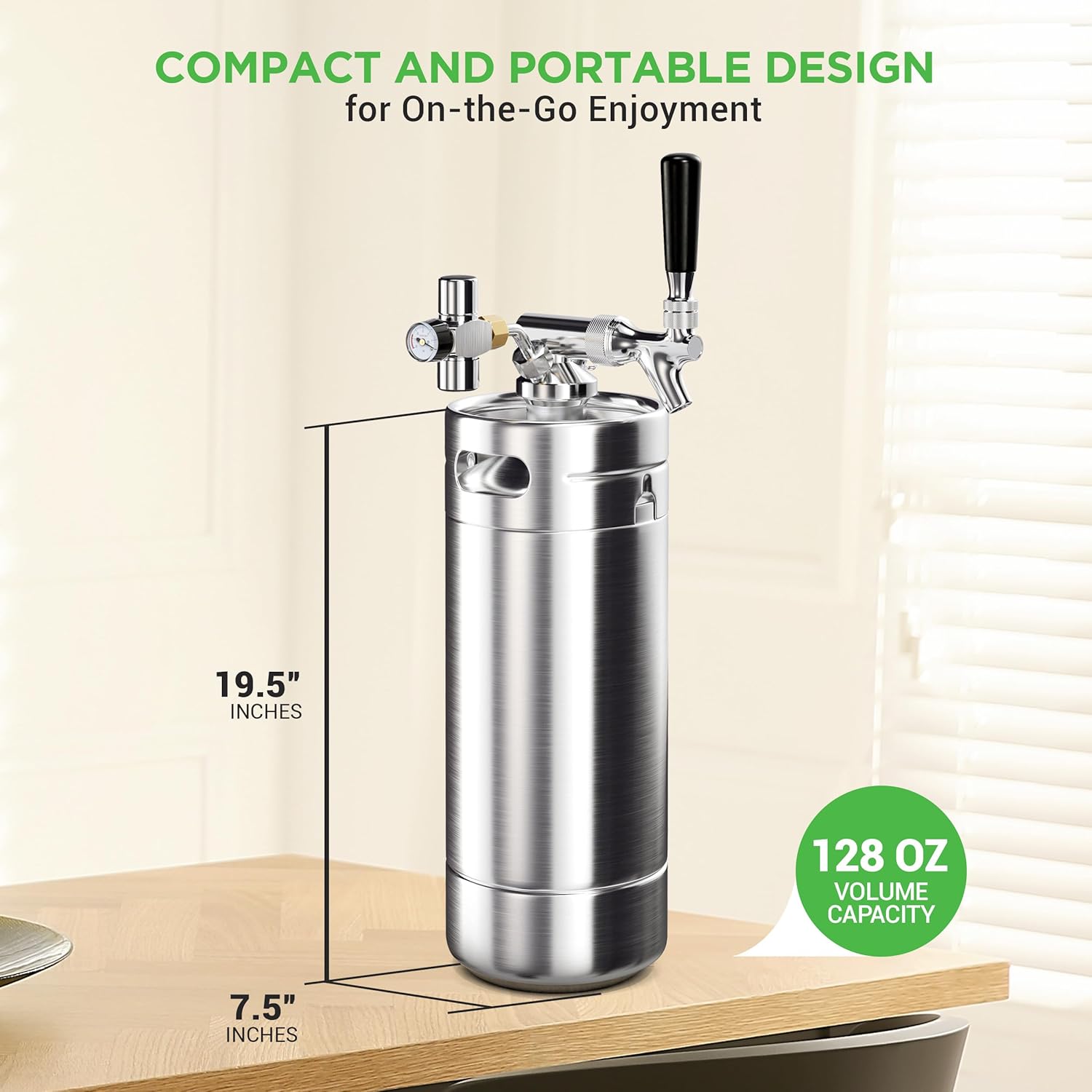
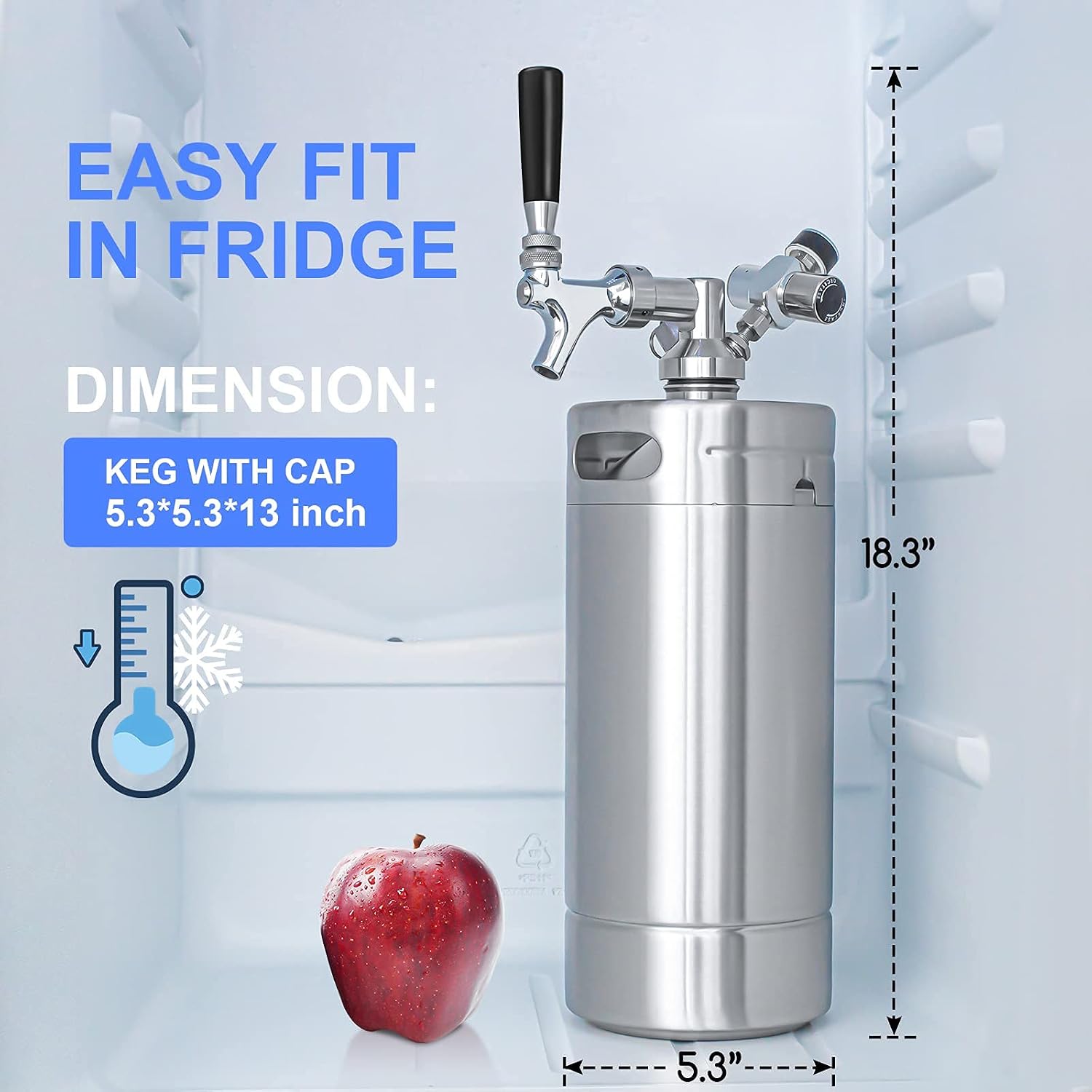
A mini rechargeable keg is essentially a compact draft system. Your beer sits in a sealed stainless steel vessel. A small CO₂ cartridge or built-in pump pressurizes the keg, pushing beer through a dip tube to the tap. Pressure keeps oxygen out, which helps preserve flavor and carbonation far better than opening and closing bottles or growlers.
Most modern systems use food-grade stainless steel, which does not react with the beer. This keeps aromas clean and prevents off-flavors. The inner surface is smooth, so it is easier to rinse and sanitize when you follow the care steps you will read later.
CO₂, pressure and perfect pours
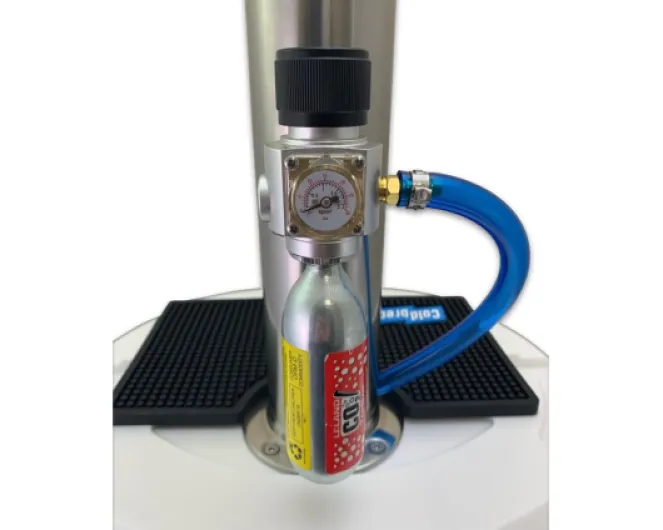
Pressure control is the heart of any mini keg or tap system. Too little pressure and your beer pours flat and foamy ; too much and you blast out a glass of foam. Many rechargeable kegs include a regulator that lets you dial in the right PSI for different styles, from crisp lagers to soft, hazy IPAs.
Some compact dispensers use manual pumps instead of CO₂. They are cheaper and simple, but they push air into the keg, which shortens the beer’s life once opened. CO₂ systems cost more upfront, yet they pair better with quality-focused home setups and small professional uses you will read about later.
How dispensers and taps fit together
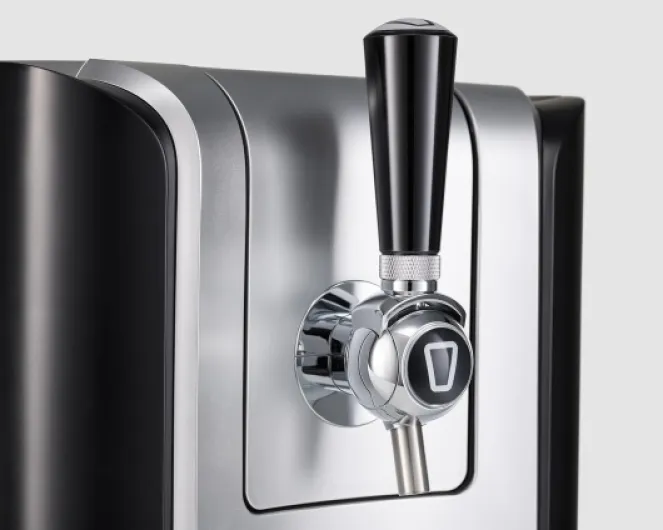
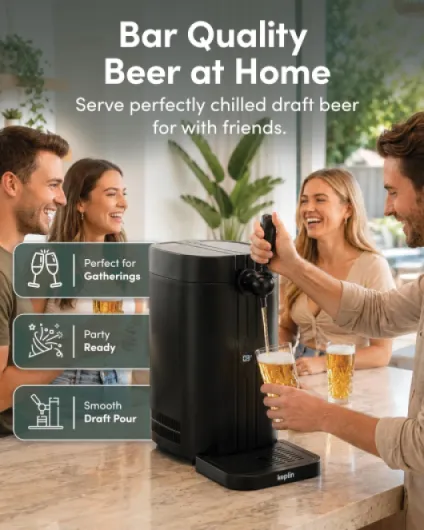
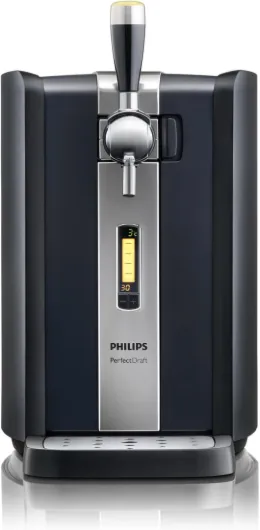
Mini kegs, countertop dispensers and tap towers are modular. The keg holds the beer, the gas source provides pressure, and the tap or faucet controls the pour. Many brands now offer interchangeable parts, so you can upgrade from a basic tap to a flow-control faucet or swap in larger kegs without replacing the whole system. For a broader overview of the main options on the market, you can check this guide to top mini rechargeable kegs.
How to choose the best mini rechargeable kegs and beer dispensers
Key points to compare before you buy
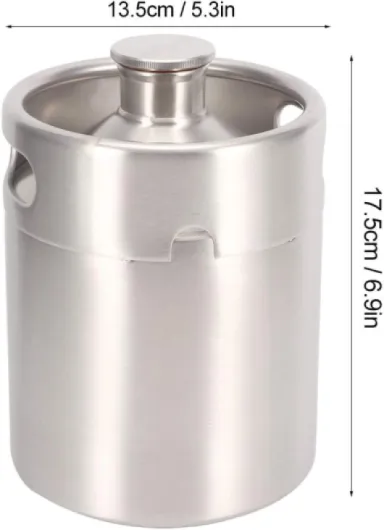
Start with capacity. For most home setups, 2 to 5 liter mini kegs hit the sweet spot ; big enough for a tasting night, small enough to chill in a standard fridge. If you host larger gatherings or run a small bar corner, consider modular systems that let you connect several kegs in rotation.
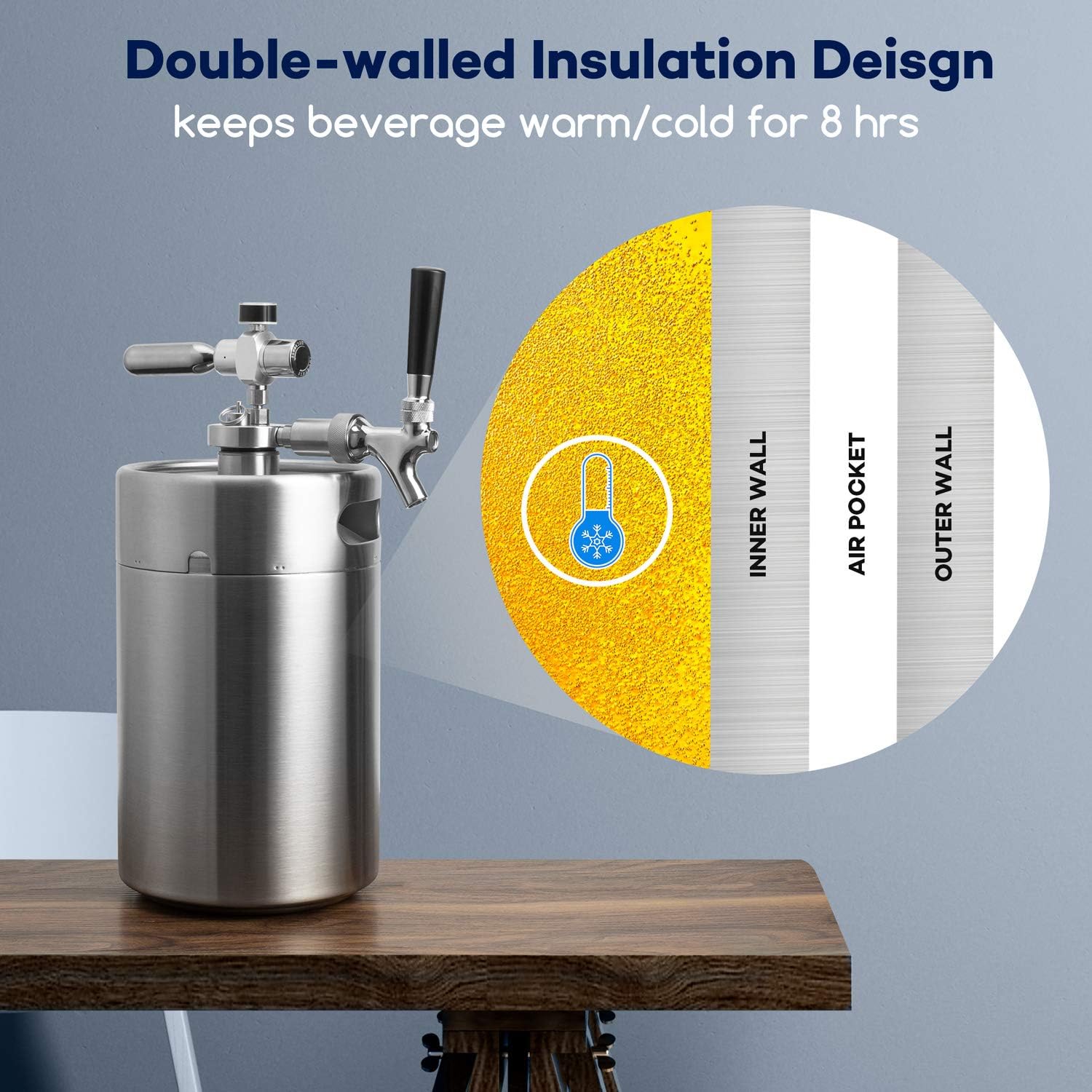
Next, look at materials. Stainless steel is the benchmark for durability, insulation and flavor neutrality. Some systems use plastic or glass growlers ; they are lighter and cheaper, but more fragile and less resistant to pressure. If you care about long term reliability, stainless is usually worth the extra cost.
The gas system is crucial. CO₂ cartridges are the most common and give you that classic draft feel. Some models offer adjustable pressure regulators, which help you dial in carbonation for different styles, from crisp lagers to creamy stouts. Check cartridge availability in your area so you are not stuck with a system you cannot easily refill.
Pay attention to compatibility. Many mini rechargeable kegs accept standard growler caps or universal tap heads, while others are proprietary. If you already own a tap tower or portable dispenser from your tasting sessions, make sure the threads and connectors match.
Freshness, maintenance and ease of use
Fresh beer is the whole point of a mini keg system. Look for models with good seals, pressure relief valves and clear instructions on keeping kegged beer fresh. Systems that fully disassemble are easier to clean, which directly affects flavor and hygiene.
Finally, consider ergonomics. Intuitive pressure dials, sturdy handles, and a stable base make a big difference when you are pouring pints during a busy tasting night or behind a compact bar counter.
Real use cases : from tasting nights to small bars
Hosting relaxed tasting nights at home
Mini rechargeable kegs shine when you want to turn a simple evening into a real tasting session. Instead of opening several bottles that go flat, you can keep one or two compact kegs chilled and pressurised, pouring small samples as you go. The stable carbonation and temperature control make it easier to compare styles, hops or breweries without rushing to finish anything.
Many home hosts keep a core lager or pilsner in one keg and rotate a seasonal IPA, stout or sour in another. With a basic tap system and a few labelled tasting glasses, your living room suddenly feels like a small taproom.
Leveling up barbecues and garden parties
For barbecues, birthdays or game days, mini kegs solve the usual bottle chaos. Guests can serve themselves, you reduce packaging waste, and you keep the serving area cleaner. Because these systems are portable and rechargeable, you can set them up on a terrace table, near the grill or even in a cool corner of the garden.
Hosts often pre-chill the kegs in a fridge, then move them to an insulated sleeve or bucket with ice. The built-in pressure system keeps pours consistent, even when the party lasts several hours.
Supporting small bars and pop-up events
Small bars, food trucks and pop-up events use mini rechargeable kegs to expand their draft list without committing to full-size kegs. A bar might keep its best-sellers on standard draft, then offer rotating specials or limited releases on mini systems. This reduces waste, because you are not forced to finish a large keg quickly, and it lets you test new beers with real customers.
For mobile concepts, compact kegs are easier to transport, require less storage space and can be set up quickly on temporary counters or festival stands.
How to buy, set up and care for your mini keg system
Where to buy and what to check on arrival
You can find mini rechargeable kegs and dispensers in homebrew shops, specialized online retailers, and sometimes directly from breweries. Wherever you buy, check that the package includes the keg body, tap or faucet, regulator (if CO₂ powered), seals, and charging cable or battery pack.
When your system arrives, inspect the keg for dents, damaged threads, or warped gaskets. Rinse everything with warm water and a no-rinse sanitizer before the first use to remove dust and factory residues.
Step-by-step first setup
- Rinse and sanitize : Clean the keg, dip tube, and tap components. Let them air-dry upside down.
- Chill your beer first : Pre-chill the beer you plan to transfer. Cold beer foams less and carbonates more predictably.
- Fill gently : Use a siphon or a bottling wand if possible, keeping foam to a minimum and leaving a small headspace.
- Seal and pressurize : Close the lid, attach the regulator or built-in pump, and apply the recommended serving pressure from the manufacturer.
- Test pour : Pull a small sample to purge oxygen and check for leaks or off-flavors.
Routine care and long-term maintenance
After each use, empty the keg, rinse with warm water, then run a cleaning solution through the tap and lines. Follow with a sanitizer before storing. Avoid abrasive brushes on stainless steel to prevent scratching.
Regularly inspect O-rings and seals ; replace them if they look cracked or flattened, as they are often the cause of slow leaks and flat beer. Keep the battery fully charged but avoid leaving it plugged in indefinitely. Store the keg dry, with the lid slightly open, in a cool place away from direct sunlight to protect both the metal and any plastic components.
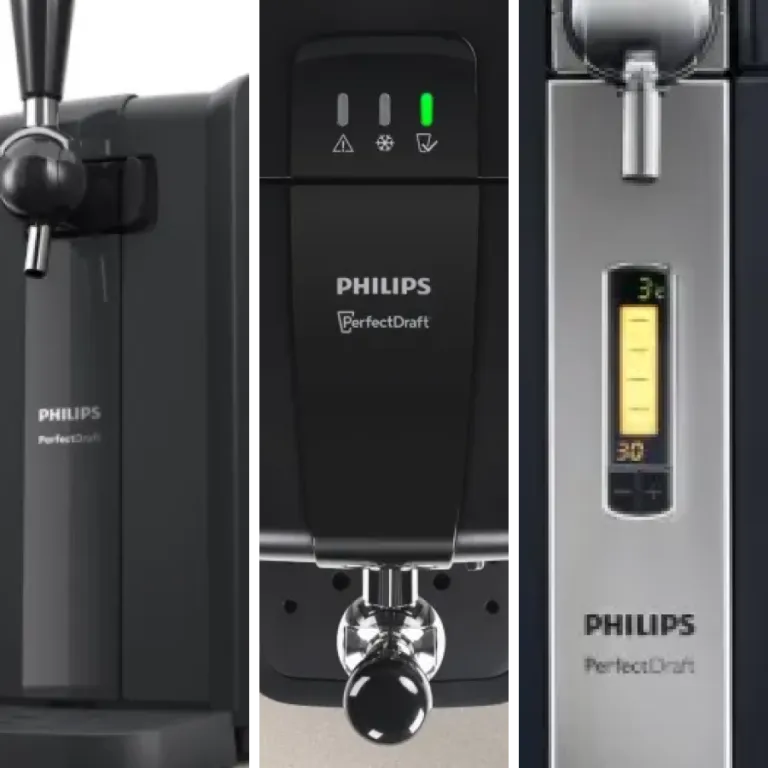
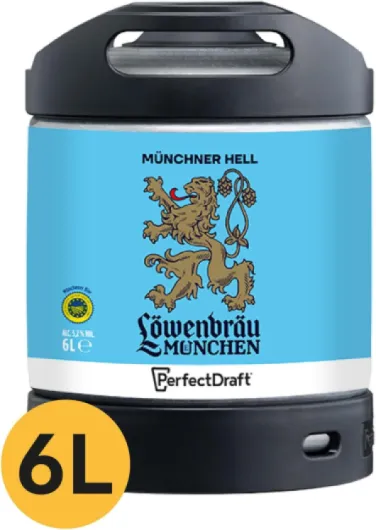



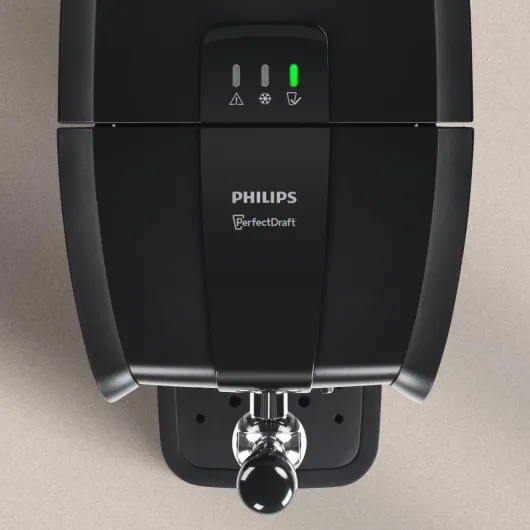
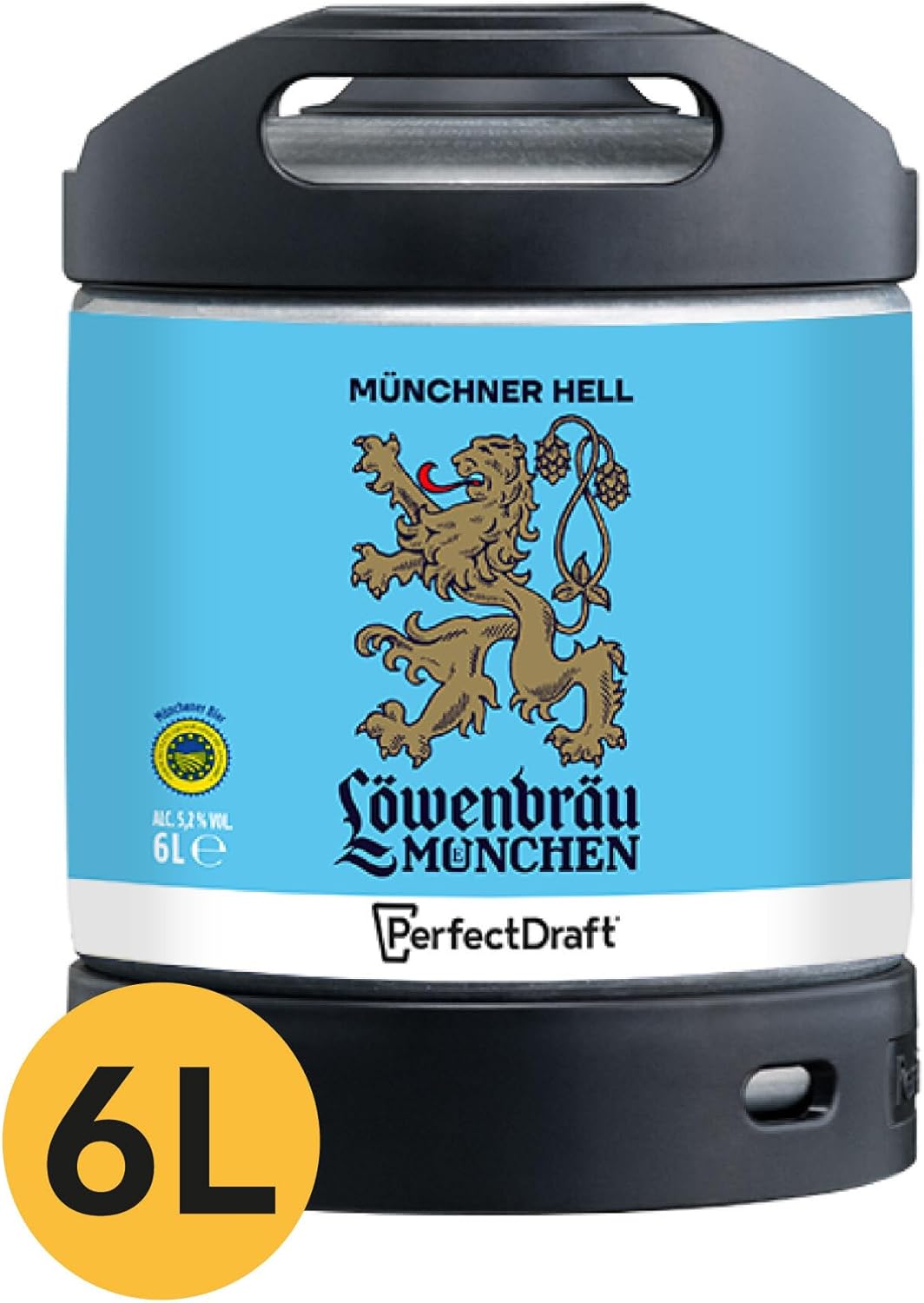
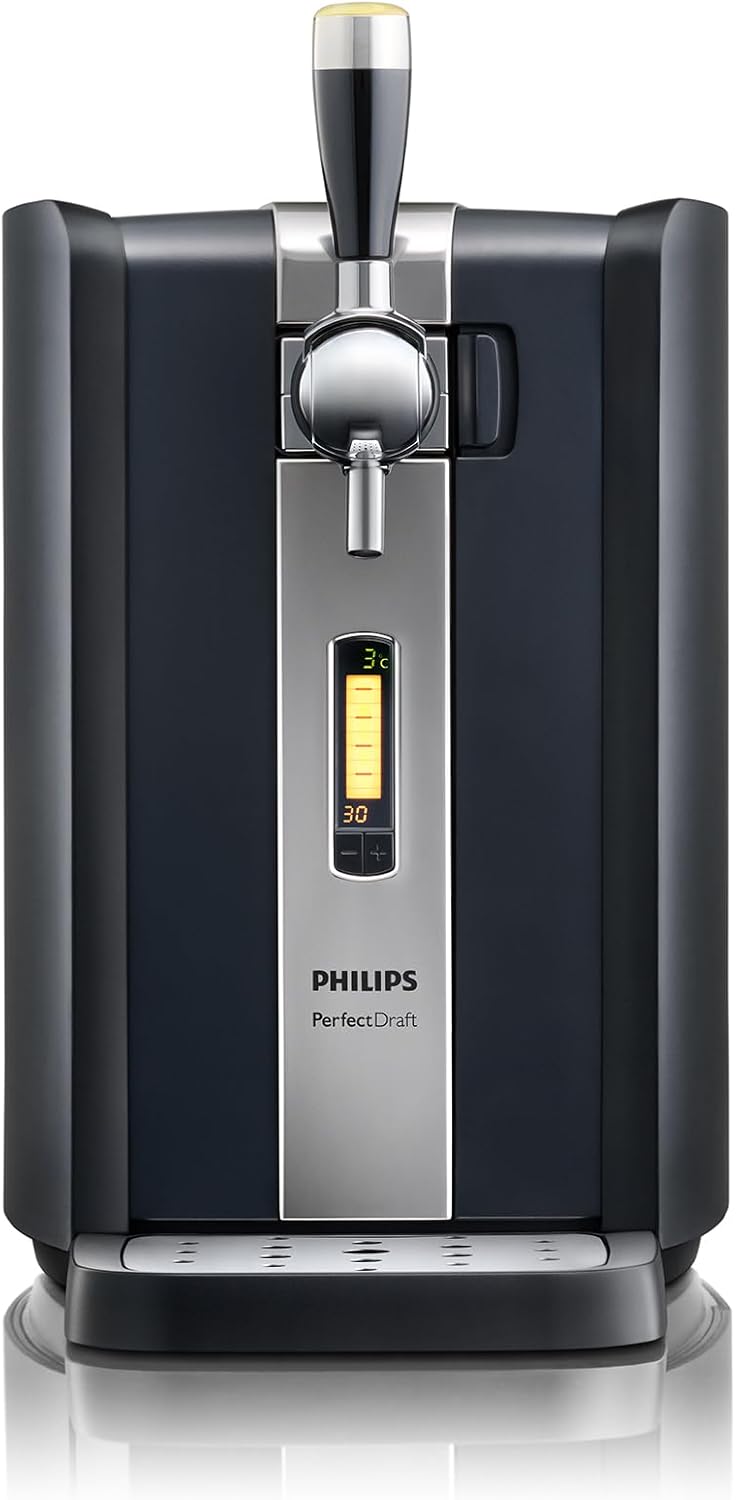
![Home Draft Beer Machine 5000 series, PerfectDraft, Fresh cold draft beer at Home, 30 days fresh beer, 3°C, 6L keg, (HD3760/90) [Energy Class A]](https://www.beer-insiders.com/storage/714850/conversions/51g095WQyGL._AC_SL1214_-medium.webp)