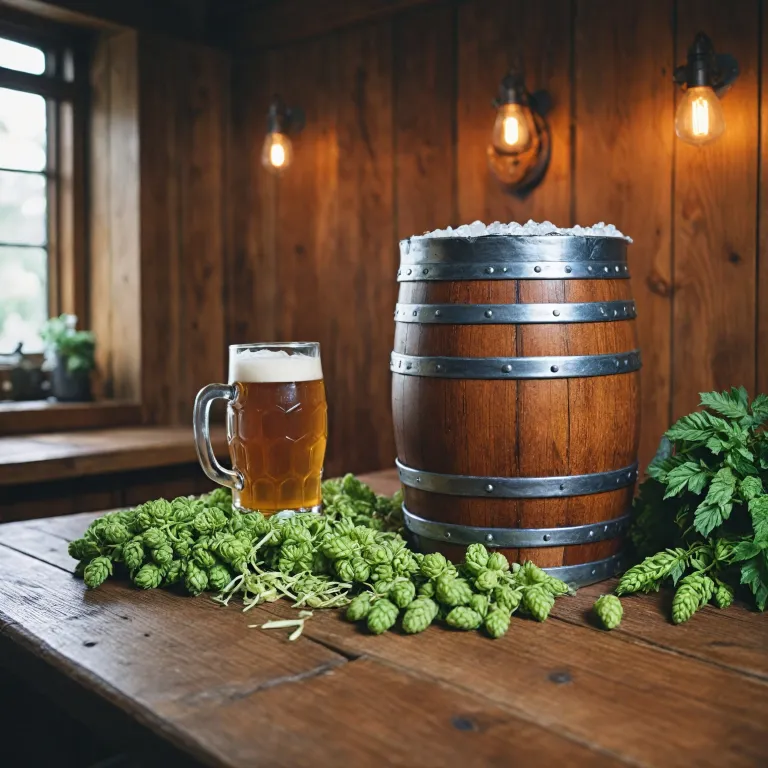

How long will a keg of beer stay fresh?
Understanding keg freshness and what affects it
When you tap a fresh keg, you want every pour to taste as good as the first. But how long does a keg of beer actually stay fresh? The answer depends on several factors, including the type of beer, how the keg is stored, and the way it is dispensed.
- Pasteurized vs. unpasteurized beer: Most domestic beers are pasteurized, which means they can last longer—typically up to three months if kept cold. Unpasteurized beers, often found in craft or imported varieties, have a shorter shelf life, usually around six to eight weeks.
- Storage conditions: Keeping your keg at the right temperature is crucial. Warm storage speeds up the aging process and can quickly diminish flavor and freshness. (We’ll cover more about temperature and storage in the next section.)
- Tapping method: The way you tap and serve your keg also plays a role. Using CO2 systems helps preserve freshness, while hand pumps introduce oxygen, which can cause beer to go stale within days. More on this in our section about tapping methods.
For more background on how kegs and barrels have shaped beer storage and flavor, check out this in-depth look at the history of beer barrels.
The role of temperature in keg storage
Why cold storage matters for your keg
Temperature is one of the most important factors in keeping your kegged beer tasting fresh. When beer is stored too warm, it can age quickly, lose its crispness, and develop off-flavors. Ideally, kegs should be kept at a consistent temperature between 36°F and 40°F (2°C to 4°C). This range helps preserve the beer’s carbonation and flavor profile.
- Warm temperatures: Speed up staling and can cause the beer to go flat or taste sour.
- Cold temperatures: Slow down the aging process and keep your beer lively and refreshing.
- Fluctuating temperatures: Can lead to foaming issues and inconsistent pours.
If you’re wondering how long beer stays fresh in the fridge, the same principles apply to kegs. For more details on storing beer in cool conditions, check out this guide on how long beer stays fresh in the fridge.
Proper temperature control works hand-in-hand with other storage tips and tapping methods to maximize the shelf life of your keg. By keeping your keg cold and minimizing temperature swings, you’ll enjoy fresher, better-tasting beer every time you pour.
How tapping methods affect keg shelf life
Why your tapping system matters for keg freshness
The way you tap your keg can make a big difference in how long your beer stays fresh. There are two main types of tapping systems: party pumps (manual air pumps) and CO2 systems. Each has its own impact on the shelf life of your keg.
- Party pumps: These introduce oxygen into the keg, which can cause your beer to go flat or develop off-flavors within a day or two. If you’re using a party pump, plan to finish the keg quickly for the best taste.
- CO2 systems: These keep oxygen out and maintain carbonation. With proper temperature control, a keg tapped with CO2 can stay fresh for several weeks. This is the preferred method for bars and home draft setups.
Proper cleaning of your tapping equipment is also essential. Any leftover residue or bacteria can spoil your beer much faster. Make sure to clean lines, faucets, and couplers regularly to keep your draft system in top shape.
If you’re interested in the equipment that helps keep beer fresh from brewery to glass, check out this guide on beer tanks and their role in freshness.
Tips for keeping your draft beer fresh
Simple habits for fresher draft beer
- Keep it cold: Always store your keg at a consistent, cool temperature. Fluctuations can speed up staling and cause foaming issues. Refer back to our earlier discussion on temperature’s impact for more details.
- Limit exposure to air: Oxygen is the enemy of fresh beer. Make sure your keg system is properly sealed and check for leaks in your lines or couplers.
- Use clean equipment: Regularly clean your tap lines, faucets, and couplers. Residue or bacteria can quickly spoil the taste of your beer.
- Serve with the right pressure: Too much or too little CO₂ can affect both the flavor and the shelf life of your beer. Adjust your regulator to match the beer style and keg type.
- Finish it promptly: Once tapped, try to finish the keg within the recommended timeframe for your beer type. The clock starts ticking as soon as the keg is opened.
Extra tips for home and commercial setups
- Label your kegs: Mark the date each keg was tapped. This helps you track freshness and rotate stock efficiently.
- Check for off-flavors: If your beer starts tasting flat, sour, or stale, it’s time to clean your system and consider replacing the keg.
- Store upright: Keeping kegs upright prevents sediment from clogging the tap and helps maintain carbonation.
By following these practical steps, you’ll enjoy better-tasting beer from the first pour to the last glass. For more on how long your keg will last, see our earlier section on shelf life and storage conditions.
Common questions about keg storage and freshness
Can I store a tapped keg for later use?
Yes, you can store a tapped keg for later use, but its freshness depends on the type of dispensing system. Kegs tapped with CO2 systems can last several weeks if kept cold and under proper pressure. However, kegs tapped with hand pumps introduce oxygen, which shortens the shelf life to just a day or two. Keeping the keg at a consistent, cool temperature is key to maintaining quality.
How do I know if my kegged beer has gone bad?
Signs that your kegged beer is no longer fresh include off-flavors, flatness, or a sour aroma. If the beer tastes stale, has lost its carbonation, or develops unusual flavors, it’s best not to serve it. Regularly checking the taste and aroma will help you catch any issues early.
Is it safe to drink beer from an old keg?
While beer doesn’t spoil in the same way as perishable foods, it can lose its intended flavor and aroma over time. Drinking old beer from a keg is generally safe if it’s been stored cold and hasn’t been contaminated, but the taste may be disappointing. Always check for any strange smells or flavors before serving.
Should I keep my keg upright or on its side?
It’s best to store your keg upright. This helps prevent leaks and ensures the beer remains properly carbonated. Storing a keg on its side can cause sediment to mix and may disrupt the dispensing system, leading to foamy pours or inconsistent quality.
What’s the ideal temperature for storing a keg?
Keeping your keg at a steady temperature between 34°F and 38°F (1°C to 3°C) is ideal. Warmer temperatures can speed up the staling process and increase the risk of foamy pours. Consistent cold storage helps preserve the beer’s freshness and carbonation.