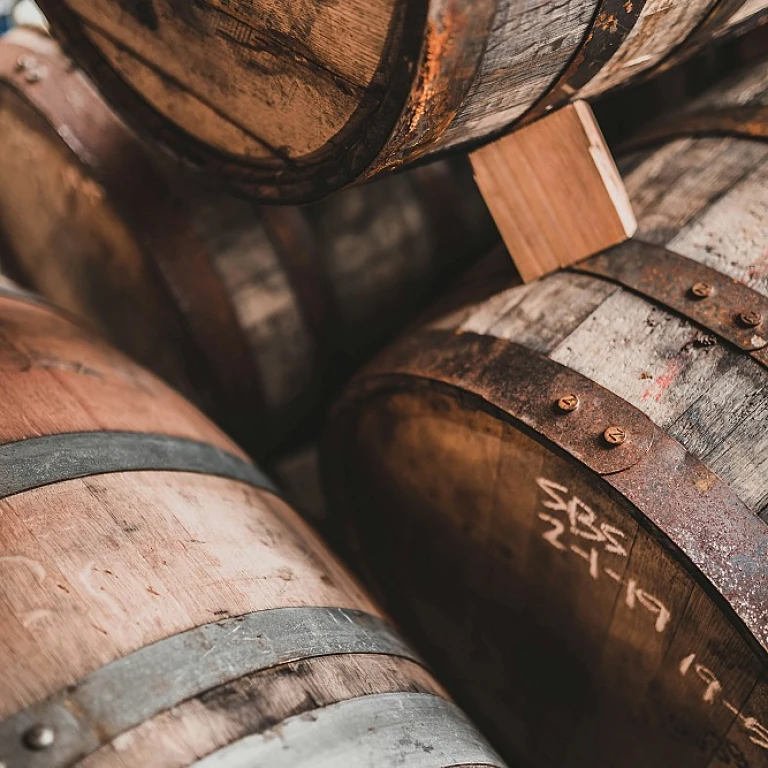

Beer barrels and their many shapes and sizes
Exploring the diversity of beer barrel shapes and sizes
Beer barrels are far from one-size-fits-all. Over centuries, brewers have developed a wide range of barrel types, each with its own purpose and tradition. Whether you’re visiting a modern craft brewery or a historic alehouse, you’ll notice that the barrels used can vary greatly in both shape and capacity.
- Kegs: These are the most common barrels in today’s bars and breweries. Kegs are typically made of stainless steel and come in standard sizes like the half-barrel (about 15.5 gallons) and the smaller sixth-barrel. Their cylindrical shape makes them easy to transport and stack.
- Casks: Traditional casks are often used for cask-conditioned ales. They have a rounded, bulging shape and are usually crafted from oak. Casks allow for natural carbonation and unique flavor development.
- Specialty barrels: Some breweries use barrels with unique shapes or larger capacities for aging specialty beers. These can include massive wooden vats or smaller, custom-made barrels for experimental batches.
The choice of barrel isn’t just about tradition or aesthetics—it also influences how the beer matures and what flavors develop. If you’re curious about the history behind some of the most iconic beer barrels, the legacy of the St. Bernard cask offers a fascinating glimpse into the past.
As you explore further, you’ll see how the material of these barrels can impact the taste of the beer, and how brewers select the right barrel for each style and process.
How barrel material changes the taste of beer
Why wood, steel, and more: the impact of barrel materials
The material used to make a beer barrel plays a big role in shaping the final taste of the beer. Each type of barrel brings its own character, influencing everything from aroma to mouthfeel. Here’s how different materials make their mark:
- Wooden barrels: Traditionally, oak is the wood of choice. Oak barrels can add flavors like vanilla, spice, or even a hint of smokiness. The beer also absorbs subtle notes left behind by previous contents, such as whiskey or wine, if the barrel has been reused.
- Stainless steel barrels: These are the most common in modern brewing. Stainless steel is neutral, so it preserves the beer’s original flavors without adding anything extra. It’s also easy to clean and maintain, making it a favorite for breweries focused on consistency.
- Other materials: Some brewers experiment with barrels made from chestnut, cherry, or even clay. These can impart unique flavors, but are less common due to cost and maintenance challenges.
The choice of barrel material also affects how long beer stays fresh and how it should be stored. If you’re curious about keeping your beer at its best, you might find this guide on how long beer stays fresh in the fridge helpful.
Understanding the influence of barrel material is key for both brewers and beer lovers. It’s one of the reasons why two beers of the same style can taste so different, depending on the barrel’s history and composition. If you’re thinking about buying a barrel for home use, keep these factors in mind to match your taste preferences.
The price of beer barrels and what affects it
What influences the cost of beer barrels?
The price of beer barrels can vary widely, and several factors come into play when breweries or enthusiasts are looking to purchase one. Understanding these elements can help you make informed decisions, whether you’re buying for a business or personal use.
- Material: Oak barrels, especially those made from French or American oak, are often more expensive than stainless steel or plastic alternatives. The wood’s origin and treatment process can also impact the final price.
- Size and capacity: Larger barrels naturally cost more due to the increased material and craftsmanship required. Standard sizes, like the 30-liter or 50-liter, are usually more affordable than custom or rare dimensions.
- New vs. used: New barrels, particularly those crafted for aging specialty beers, command higher prices. Used barrels, especially those previously holding wine or spirits, can be more budget-friendly and add unique flavors, as discussed earlier.
- Craftsmanship and brand: Renowned cooperages and artisanal barrel makers often charge a premium for their expertise and reputation.
- Shipping and availability: Transport costs and regional availability can significantly affect the total price, especially for imported barrels.
For breweries, the investment in barrels is not just about storage—it’s also about enhancing flavor and creating unique brews. If you’re interested in how breweries can maximize their return on such investments, check out these sales and marketing strategies for brewers.
Choosing the right barrel is a balance between budget, desired beer profile, and long-term use. Proper care and maintenance, as explored in the next section, can also help protect your investment and ensure your barrels last for years.
From brewery to bar: how beer barrels are used
The journey of a beer barrel: from filling to pouring
Beer barrels play a crucial role in the path beer takes from the brewery to your glass. Once brewers have selected the right barrel—considering its size, shape, and material—they fill it with freshly brewed beer. The choice of barrel, as discussed earlier, can influence not only the flavor but also how the beer matures during storage and transport.Transport and storage
After filling, barrels are sealed and transported to bars, pubs, or restaurants. During this stage, careful handling is essential to maintain the beer’s quality. Barrels are often kept in cool, dark storage areas to preserve freshness and prevent spoilage. The material of the barrel, whether wood or stainless steel, also affects how the beer is protected during transit.Serving beer from barrels
Once at their destination, barrels are tapped and connected to dispensing systems. The method of serving can vary:- Traditional cask ales are often served by gravity or hand pump, highlighting the unique qualities imparted by the barrel.
- Kegs, which are a type of barrel, are usually served using pressurized systems for a crisp, carbonated pour.
Why barrel handling matters
Every step, from filling to pouring, impacts the final taste and experience of the beer. Brewers and bar staff alike must understand how to handle barrels to preserve the flavors and aromas developed during brewing and maturation. Whether you’re enjoying a pint at your local pub or sampling a rare barrel-aged brew, the journey of the beer barrel is key to what ends up in your glass.Tips for buying and caring for beer barrels
Choosing the right barrel for your needs
Before you buy a beer barrel, think about what you want to achieve. Are you looking for a traditional wooden cask to age your homebrew, or a stainless steel keg for serving at events? Each type has its own advantages. Wooden barrels add unique flavors, while stainless steel is easier to clean and maintain. Consider the size as well—smaller barrels are great for experimenting, while larger ones suit bigger batches or commercial use.
Essential care tips for longevity
- Clean promptly: After each use, rinse your barrel with warm water. Avoid harsh chemicals, especially with wooden barrels, as they can damage the wood and affect future batches.
- Keep it hydrated: Wooden barrels need to stay moist to prevent leaks. If you’re not using the barrel, fill it with water or a barrel solution to keep the staves swollen and tight.
- Store properly: Keep barrels in a cool, dark place. Avoid direct sunlight and extreme temperatures, which can warp wood or affect the beer’s taste.
- Inspect regularly: Check for cracks, leaks, or signs of mold. Early detection helps you fix small issues before they become big problems.
Getting the most out of your barrel
Rotate your barrels if you have more than one, and try different beer styles to see how the barrel’s character changes over time. Remember, the material and previous use of the barrel can influence each new batch, so keep notes on your results. With the right care, your beer barrel can become a key part of your brewing journey for years to come.