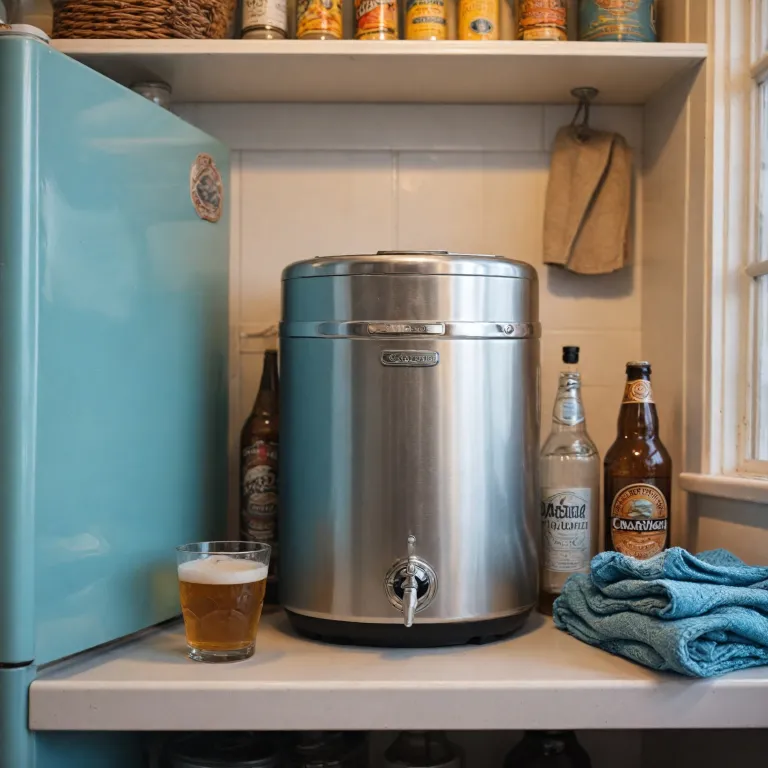

Why putting a keg in the fridge makes all the difference
Why temperature matters for your keg
Storing your keg in the fridge is more than just a matter of convenience—it’s essential for keeping your beer fresh and flavorful. Beer is sensitive to temperature changes, and when it’s kept too warm, it can quickly lose its crispness and develop off-flavors. A cold environment slows down oxidation and prevents unwanted bacteria from spoiling your brew, ensuring every pour tastes just as the brewer intended.
Preserving carbonation and freshness
When your keg is chilled, the carbonation stays locked in, giving you that satisfying fizz with every glass. Warm storage can cause beer to go flat faster, and nobody wants a lifeless pint. Keeping your keg cold also extends its shelf life, so you can enjoy your favorite draft longer without worrying about it going bad.
Consistency with every pour
Having your keg in the fridge means you’ll get a consistent pour every time. The right temperature helps maintain the perfect balance between foam and liquid, making it easier to serve up a professional-quality pint at home. If you’re curious about how beer is stored on a larger scale, check out this guide to beer tanks and their role in freshness.
Choosing the right fridge for your keg setup
Finding the best fridge for your keg
Not every fridge is created equal when it comes to storing a keg. The right choice will keep your beer cold, fresh, and ready to pour. Here’s what to consider when picking a fridge for your home draft setup:
- Size matters: Make sure the fridge is spacious enough for your keg and any additional equipment like CO2 tanks. Measure your keg and check the interior dimensions before buying.
- Temperature control: Consistent cooling is key for draft beer. Look for a fridge with adjustable temperature settings to keep your beer at the ideal serving temperature (usually between 36°F and 40°F).
- Accessibility: Consider how easy it will be to load and unload your keg. A fridge with removable shelves or a wide door can make setup much simpler.
- Energy efficiency: Since your fridge will likely run 24/7, choosing an energy-efficient model can help keep your electricity bills in check.
Some beer lovers opt for dedicated kegerators, which are designed specifically for draft beer. If you’re curious about the best models on the market, check out this guide to top kegerators and dispensers for home use.
Once you have the right fridge, you’re ready to think about converting it into a kegerator and setting up your tap system for fresh pours at home.
DIY kegerator conversion: from fridge to tap
Turning your fridge into a home draft system
Transforming a standard refrigerator into a kegerator is a rewarding DIY project for any beer enthusiast. Not only does it keep your keg at the ideal temperature, but it also brings the draft experience right to your home. Here’s how you can get started:
- Gather your tools and materials: You’ll need a drill, a hole saw (for the tap), a tap tower or faucet, beer and gas lines, a CO2 tank and regulator, and a keg coupler compatible with your chosen keg.
- Plan your layout: Decide where you want the tap to be—on the fridge door or on top. Make sure there’s enough space inside for the keg and CO2 tank.
- Drill with care: Before drilling, check for coolant lines in your fridge walls. Damaging these can ruin your fridge. Many DIY guides recommend drilling through the door, as it’s usually safer.
- Install the tap and lines: Mount your tap tower or faucet securely. Connect the beer line from the keg coupler to the tap, and the gas line from the CO2 regulator to the coupler.
- Seal and test: Make sure all connections are tight and sealed. Set your CO2 pressure according to the beer style, then test for leaks and proper flow.
Once your kegerator is set up, you’re ready to connect your keg and enjoy fresh draft beer at home. If you’re curious about how flavors develop in your beer, especially when serving from a keg, check out this guide on the role of diacetyl in beer for more insight into what can affect your beer’s taste.
Choosing and connecting your keg: couplers, kits, and more
Understanding keg types and compatibility
Before you connect your keg, it’s important to know which type you have. The most common options are the American Sankey (D system), European Sankey (S system), and Cornelius (Corny) kegs. Each type requires a specific coupler to tap the beer. Check your keg’s labeling or ask your supplier to confirm the type, so you can choose the right connection hardware.
Essential components for your draft setup
- Keg coupler: This device attaches to your keg and allows beer to flow out while letting CO2 in. Make sure it matches your keg type.
- CO2 tank and regulator: These provide the pressure needed to push beer from the keg to your tap. A regulator helps you control the pressure for optimal pouring.
- Beer and gas lines: Food-grade tubing connects your keg, coupler, CO2 tank, and tap. Keep lines clean to avoid off-flavors.
- Faucet or tap: The final step in your setup, this is where you’ll pour your beer. Choose a faucet that fits your fridge or kegerator conversion.
Step-by-step: connecting your keg
- Chill your keg in the fridge for several hours before tapping.
- Attach the coupler to the keg by aligning and twisting it into place. Lock it down as per the coupler’s instructions.
- Connect the gas line from your CO2 tank to the coupler’s gas inlet. Tighten securely.
- Connect the beer line from the coupler’s beer outlet to your faucet or tap.
- Open the CO2 tank valve and adjust the regulator to the recommended pressure (usually 10-12 PSI for most beers).
- Pull the tap handle and pour a test glass. Adjust pressure or temperature if needed for a perfect pour.
Helpful tips for a smooth setup
- Double-check all connections for leaks before serving.
- Clean your lines and coupler regularly to keep your beer tasting fresh.
- Store extra CO2 tanks upright and in a cool place.
Tips for pouring perfect draft beer at home
Getting the right pour every time
- Chill your glassware: Use clean, cold glasses to avoid excess foam and keep your beer at the ideal temperature. Avoid frosted glasses, as they can cause carbonation to break out too quickly.
- Check your pressure: Make sure your CO2 regulator is set to the recommended pressure for your beer style. Too much pressure leads to foamy pours, while too little can result in flat beer.
- Open the tap fully: When pouring, open the tap all the way in one smooth motion. Partially opening it increases turbulence and foam.
- Proper glass angle: Hold your glass at a 45-degree angle under the tap, letting the beer hit the side of the glass. Straighten the glass as it fills to create a nice head.
- Clean lines and equipment: Regularly clean your beer lines, faucets, and couplers to prevent off-flavors and ensure a smooth pour. This is just as important as choosing the right fridge or keg setup.
- Let the keg settle: If you’ve just moved or tapped your keg, give it some time to settle in the fridge before pouring. This helps reduce foam and ensures a clear, crisp beer.
Common pouring problems and quick fixes
- Too much foam? Check your temperature and pressure settings, and make sure your glass is clean and not too cold.
- Flat beer? Increase the CO2 pressure slightly and check for leaks in your system.
- Cloudy pours? Clean your lines and ensure your keg has been properly chilled and settled.
With a little practice and attention to detail, you’ll be able to pour pub-quality draft beer at home, making the most of your fridge and keg setup.