What makes czech dark lager so special
A dark lager with a bright identity
Czech dark lager, or tmavé pivo, sits in a sweet spot between familiar and surprising. It looks like a stout or porter in the glass, yet drinks with the smooth ease of a classic pale lager. That contrast is what makes this style so compelling for both casual drinkers and seasoned beer fans.
Unlike many dark beers that lean heavily into bitterness or thick, chewy body, Czech dark lagers are built on balance. Roasted and caramel malts bring notes of cocoa, toasted bread and gentle coffee, but they are carefully layered over a clean, crisp lager backbone. The result is a beer that feels comforting and rich, yet still refreshing enough to enjoy more than one.
Rooted in tradition, brewed for everyday drinking
This style grew out of the Czech love for well-crafted, highly drinkable lagers. Brewers focused on creating a dark beer that could still be an everyday pint, not just a special-occasion sipper. That means moderate alcohol, a smooth finish and a flavor profile that invites another round.
For drinkers used to light lagers or counting every unit, it can be reassuring to understand how a darker beer fits into your routine. If you are curious about how different styles compare in terms of energy and drinking habits, this guide on beer calories and what they mean for your habits offers useful context.
As you explore the flavor and aroma details, the ingredients behind the style, and even how to taste or brew it at home, you will see a consistent theme : harmony. Czech dark lager is special because it proves a beer can be dark, flavorful and still effortlessly drinkable.
Flavor, aroma and style profile of tmavé pivo
Layers of flavor in every sip
Czech dark lager, or tmavé pivo, is all about balance. At first sip, you get a gentle roast character – think toasted bread, light cocoa, and a hint of coffee – but without the harsh burnt edge you might find in some stouts or porters. The sweetness is present yet restrained, offering notes of caramel, toffee, and sometimes a touch of dark chocolate.
Bitterness stays moderate. Noble hops bring a soft, herbal snap that keeps the beer from feeling cloying, while the smooth lager fermentation keeps everything clean and crisp. The finish is dry to medium-dry, encouraging another sip rather than weighing down your palate.
Aroma, color and mouthfeel
On the nose, you can expect a mix of lightly roasted malt, dark bread crust, and subtle cocoa. Some examples show a delicate nutty or molasses note, but fruitiness is usually low, thanks to cool lager fermentation. Hop aroma is gentle – spicy, floral, or herbal – sitting in the background rather than taking center stage.
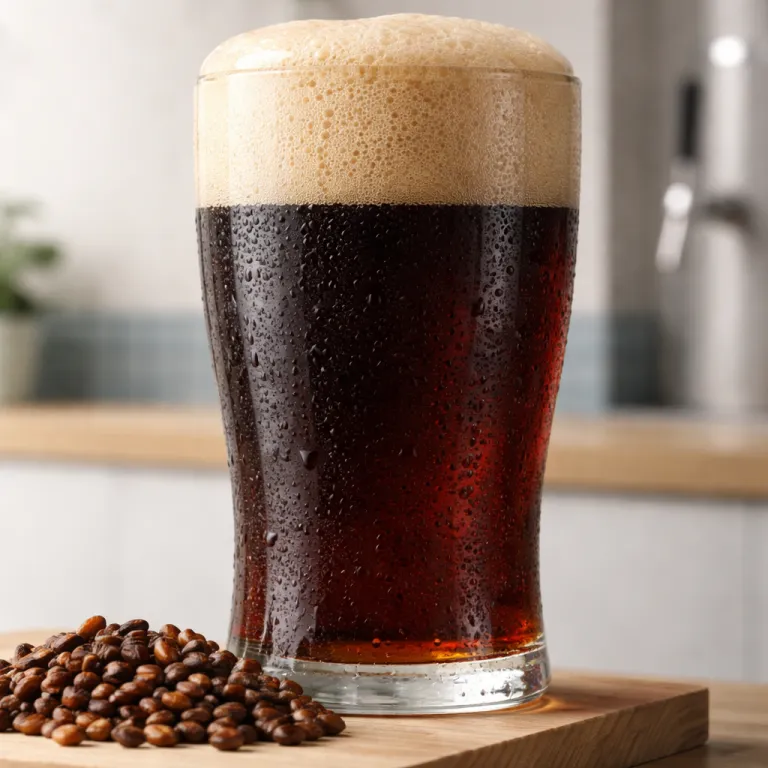
In the glass, tmavé pivo ranges from deep mahogany to near-black, often with ruby highlights when held to the light. The head is typically dense and beige, with good retention that hints at a well-crafted malt bill and careful carbonation.
Mouthfeel is medium-light to medium, with a smooth, almost creamy impression that never becomes heavy. Carbonation is moderate, supporting the flavors without prickliness. This combination of roast, sweetness, and crispness makes Czech dark lager incredibly food-friendly and a great candidate for any lager tasting box where you want to showcase how diverse the style can be.
Inside the glass : grain, malt, hops, yeast and water
The role of malt in shaping depth and color
Czech dark lager starts with a base of pale pilsner malt, which keeps the body light and crisp. On top of that, brewers layer specialty malts to build color and complexity. Munich and Vienna malts add bread crust and gentle toast, while darker kilned malts bring cocoa, light coffee, and a hint of caramel. True roasted barley is used sparingly, if at all, to avoid harsh bitterness. The goal is a smooth, rounded roast character that never feels burnt or ashy.
Grain bill balance and fermentable sugars
The grain bill is carefully tuned so the beer stays drinkable. A touch of caramel or crystal malt can provide subtle sweetness and body, but too much would weigh the beer down. Czech dark lagers often rely on a relatively high proportion of fully fermentable sugars, allowing the yeast to work the beer dry enough to remain refreshing while still supporting those chocolate and toast notes you read about in the flavor profile.
Hops, yeast and water working in harmony
Traditional Czech hop varieties, especially Saaz, contribute gentle herbal and spicy notes. Bitterness is firm but smooth, framing the malt rather than competing with it. Lager yeast is clean and low in esters, fermenting cool to keep the focus on malt and hops while adding a faintly bready, sulfury edge that fades with conditioning.
Water chemistry is another quiet hero. Moderately soft water helps keep bitterness rounded and roast flavors silky instead of sharp. When you pour a tmavé pivo into your favorite vintage beer glassware, that smooth, cohesive impression in the glass is the result of every ingredient being chosen and balanced with intention.
How to taste czech dark lagers like a pro
Setting the stage before your first sip
Start with the right glassware. A stemmed tulip or a classic Czech mug lets you see the deep mahogany color and hold a stable foam cap. Pour gently down the side, then straighten the glass to build a creamy head about two fingers high. This foam traps aroma and protects the beer from oxidation while you taste.
Reading the color, clarity and foam
Hold the glass to the light. You should see ruby highlights shining through the dark body, not an opaque black mass. Note how the foam looks and behaves : Czech dark lagers usually show dense, beige foam that leaves lacing on the glass as you drink. This hints at a well-constructed malt bill and proper carbonation.
Training your nose for layered aromas
Before sipping, swirl the glass gently and take a few short sniffs. Look for soft roast (toast, cocoa, light coffee) rather than harsh burnt notes. Underneath, you may find dark bread crust, caramel, and a touch of nuttiness from the specialty malts. Traditional Czech hops add a subtle herbal or spicy edge, not a bold citrus punch.
Breaking down the sip
Take a medium sip and let it coat your tongue. Pay attention to :
- Attack : initial malt sweetness, often like brown bread or toffee.
- Mid-palate : gentle roast, cocoa, and a hint of coffee.
- Finish : clean, with firm but smooth bitterness and a faint herbal snap from the hops.
Evaluating balance, body and drinkability
As you continue, focus on balance. The best Czech dark lagers feel surprisingly light on the palate, with moderate carbonation and no sticky sweetness. You should want another sip immediately. Any sharp burnt flavors, heavy body, or lingering cloying finish usually means the malt, mash schedule, or fermentation was pushed too far.
Brewing a czech dark lager at home : mash, recipe and timing
Dialing in your mash schedule
For a Czech dark lager, the mash is where you build that signature balance of bread crust, cocoa and gentle roast. Aim for a relatively soft mash profile : a single infusion around 66 °C (151 °F) works well for most homebrewers, but if you want extra authenticity, you can use a step mash with a short rest near 63 °C (145 °F) followed by a main rest at 67 °C (153 °F). This helps create a dry yet silky body that supports the malt complexity without turning heavy or cloying.
Keep your mash pH in the 5.2–5.4 range. Dark malts will naturally pull pH down, so consider adding them late in the mash or even at vorlauf to avoid harshness. This is one of the keys to that smooth roast character you expect from tmavé pivo.
Building a reliable homebrew recipe
Start with a base of Pilsner malt, then layer in Munich or Vienna for bread and toast, plus a small portion of Carafa Special or similar dehusked roasted malt for color and chocolate notes. A touch of medium crystal can add caramel and dark fruit, but keep it restrained so the beer stays drinkable pint after pint.
For hops, stick to Czech varieties like Saaz, targeting a firm yet gentle bitterness in the mid‑20s IBU. Use a clean, Czech lager yeast strain and ferment cool, around 9–11 °C (48–52 °F), then give the beer time to fully attenuate before lagering.
Timing, fermentation and lagering
Plan on a long, cool fermentation followed by an extended cold conditioning phase. After primary fermentation, raise the temperature slightly for a diacetyl rest, then slowly cool the beer down close to 0 °C (32 °F) and hold it there for several weeks. This patient lagering step smooths out rough edges, knits together the malt and hop profile, and gives you that polished, elegant Czech dark lager character in the glass.