Why tapped a keg moments feel so good
The magic of that first pull on the tap
There is something special about the moment you first tap a keg and pull that handle. It is more than just getting beer into a glass. It feels like you are starting a shared experience, whether it is a backyard barbecue, a game night, or a small house party.
Part of the thrill is control. With bottles or cans, you simply open and drink. With a keg, you are in charge of the flow, the foam, and the presentation. When you pour a clear, nicely headed pint, it feels like a small craft of its own. That is why learning how the tap, coupler, and gas work together later on matters so much ; it turns a fun moment into a smooth ritual.
There is also a social side. The person who knows how to tap the keg becomes the unofficial host. Friends gather around, ask for a pour, and often want to try it themselves. A well poured beer invites people to linger, talk, and enjoy the occasion instead of just grabbing a quick drink and walking away.
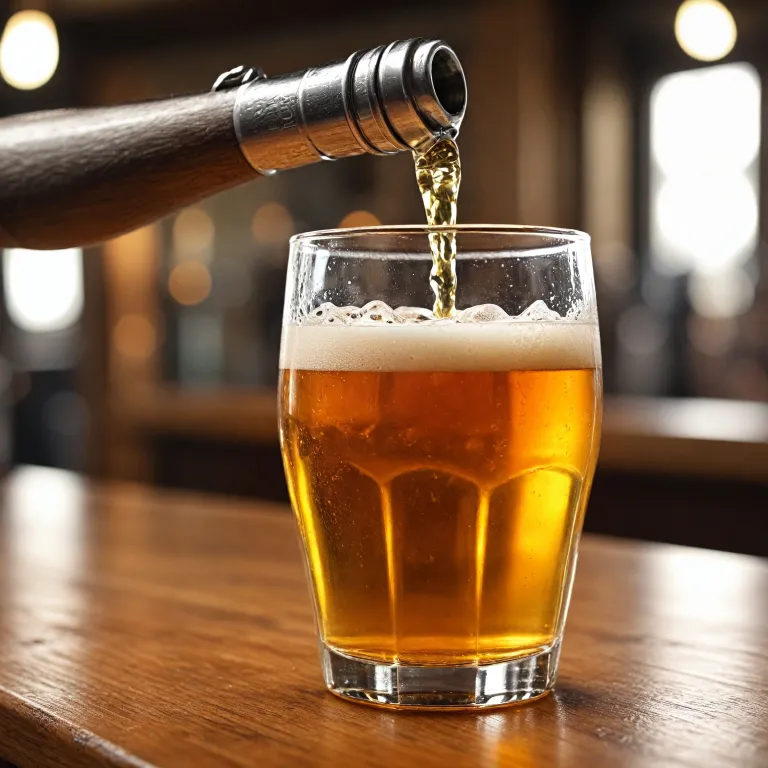
Even the little details add to the feeling. The sound of the coupler locking in, the first hiss of pressure, the sight of golden beer running clear after the initial foam – all of it signals that the party has truly started. Pair that with a chilled glass or even a simple trick to keep your beer cold longer, and you turn a basic pour into a small celebration.
Once you understand why that first tap feels so good, it makes even more sense to learn how to handle the keg properly, from the inner mechanics to the pro tips that keep every pour consistent.
How a keg, tap and coupler actually work
What is really inside that metal cylinder ?
A keg is basically a pressurised beer container. Inside, the beer sits below a pocket of gas. A long tube, called the spear or dip tube, runs from the top of the keg down to the bottom. When you tap the keg, you are connecting to that spear so beer can travel up and out to your faucet or picnic tap.
The keg valve on top is a one-way gate. It keeps oxygen out and carbonation in. Different keg types (like Sankey or Cornelius) use slightly different valves, but the idea is the same : protect the beer and control how it leaves the keg.
How the tap and coupler team up
The coupler is the part you lock onto the keg valve. When you pull the handle down, it does two things at once :
- opens the keg valve so beer can flow into the spear
- lets gas (air or CO₂) push into the keg above the beer
The tap or faucet is simply the final control point. Open it and the pressure in the keg pushes beer through the line and into your glass. Close it and the flow stops, but the keg stays pressurised.
Pressure, temperature and foam control
Foam is all about balance between pressure and temperature. Too warm or too much pressure, and you get a glass full of foam. Too cold or too little pressure, and the beer can pour flat or sluggish. That is why understanding the perfect temperature for serving beer matters before you even think about tapping.
Once you know how the keg, coupler and tap work together, the step-by-step tapping process feels far less mysterious and much easier to repeat without a foamy mess.
Step by step guide to tapping keg without a foam storm
Getting your keg ready the right way
Before you even touch the tap, chill the keg properly. Warm beer is the number one cause of wild foam. Give it several hours in ice or a kegerator so the entire keg, not just the outside, reaches serving temperature. Keep it upright and avoid rolling or shaking it, which stirs up carbonation and guarantees a foamy first pour.
Set the keg where you plan to serve it and let it rest a few minutes. Wipe the top clean so no dirt gets pushed inside when you attach the coupler. Have your tap, coupler, and any tools ready so you are not scrambling mid-tap.
Attaching the coupler without causing a foam bomb
Find the valve opening on top of the keg and line up the coupler lugs with the notches. Press the coupler down firmly, then twist it clockwise until it locks. Only then pull out and push down the handle (or push down and turn, depending on the model) to engage the keg. You should feel a solid click. If you force it or leave it half-locked, you will get leaks, spurts, and lots of foam.
Pouring the first glasses like a pro
Open the tap slowly. Let the first half-glass run into a pitcher if the keg was moved recently ; this helps clear any unsettled foam. Then pour into a tilted glass at about 45 degrees, straightening it as the glass fills to build a tight, creamy head instead of a big, loose foam cap. This is the same principle that makes St. Patrick’s Day beer service look so smooth behind the bar.
Keep the keg cold, the tap closed between pours, and your pours steady. Once you have this basic routine down, you will feel much closer to the calm confidence of people who tap kegs every weekend.
How bars tap kegs with gas systems for perfect beer flow
How pro draft systems keep beer flowing smoothly
In bars and taprooms, the goal is the same as at home : a clean pour with a tight, creamy head. The difference is that they rely on gas systems to keep every pint consistent, keg after keg. Instead of pumping manually, they use pressurised gas to push beer from the keg to the faucet at a controlled rate.
Most setups use CO2 only, or a blend of CO2 and nitrogen (often called “beer gas”). CO2 maintains carbonation, while nitrogen helps create a smoother, tighter bubble structure, especially for stouts and some lagers. The key is balancing gas pressure with the beer’s temperature and the length of the beer lines.
Pressure, temperature and line length : the balancing act
Bars dial in pressure based on three main factors :
- Beer temperature – Colder beer holds carbonation better and needs slightly different pressure than warmer beer.
- Line length and diameter – Longer or narrower lines create more resistance, so pressure must be adjusted to avoid slow pours or excessive foam.
- Beer style – Highly carbonated styles (like wheat beers) usually need different settings than low-carbonation ales.
When all three are in harmony, beer flows in a steady stream, with just enough turbulence at the faucet to build a proper head without turning into foam.
What you can borrow from bar setups at home
Even if you are just tapping a party keg, you can copy a few bar tricks : keep the keg cold and steady, avoid shaking it, and think about “balance” rather than just cranking up pressure. That mindset, combined with the basic tapping steps you already know, will get you much closer to that professional, bar-quality pour.
Real life tips from people who have tapped a keg a hundred times
Little habits that make every pour better
People who tap kegs all the time rarely do anything dramatic. They just repeat a few small habits that prevent problems before they start.
- Chill longer than you think: Regular keg tappers swear by a full overnight chill. If the keg still feels even slightly warm, they wait. Warm beer is the number one foam trigger.
- Open the tap fast, close it fast: Half-opening the faucet makes the beer fight its way out and explode into foam. Pros snap it fully open in one motion, then shut it cleanly when the glass is full.
- Commit to the tilt: They always start with the glass at about 45°, then slowly straighten as the beer rises. That gentle transition gives you a tight, creamy head instead of a mountain of bubbles.
How experienced tappers fix problems on the fly
Even with perfect setup, things go wrong. People who have tapped dozens of kegs don’t panic ; they troubleshoot in a set order.
- Too much foam? First check temperature, then line length and kinks, then pressure. They change only one thing at a time so they know what actually solved it.
- Beer sputtering or spitting gas? They confirm the coupler is fully locked and the gas is turned on properly. A partial lock is a classic rookie mistake.
- Flat-tasting pours? They look at how long the keg has been tapped and whether the gas is set correctly. Over-vented party pumps and low CO₂ are common culprits.
What seasoned keg handlers always keep nearby
Ask anyone who taps kegs for events and they will mention a small toolkit : a bar towel, a spray bottle of sanitizer, spare washers, and a wrench or multi-tool. Those simple items turn a stressful, foamy session into a smooth, professional-looking pour every time.