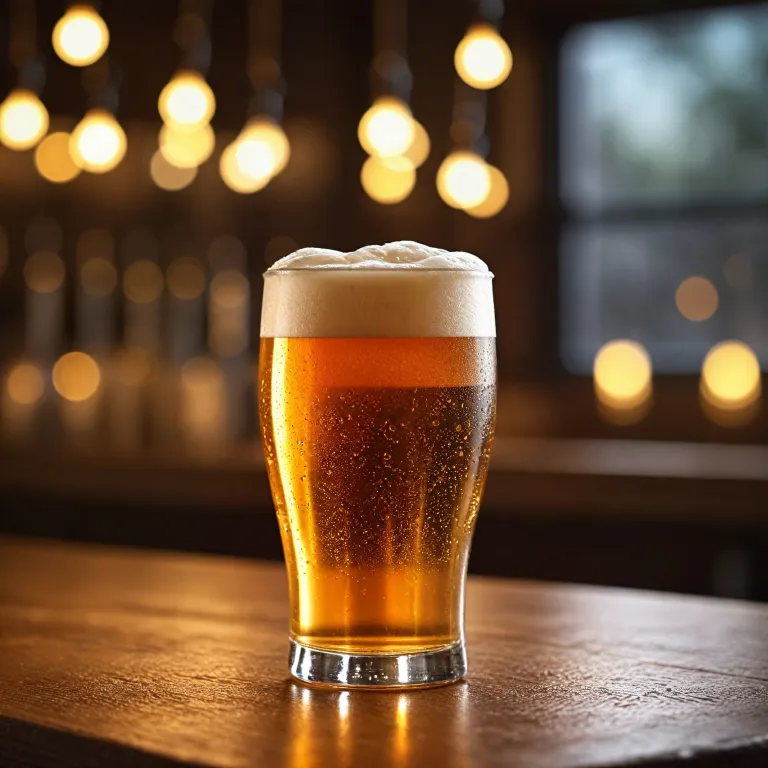
What people really mean when they say a beer is hoppy
What most drinkers mean by “hoppy”
When someone calls a beer “hoppy”, they are usually talking about flavor and aroma, not just bitterness. In everyday conversation, hoppy often means notes of grapefruit, orange peel, pine, resin, tropical fruit, or even fresh-cut flowers. These impressions come from hop oils, which behave very differently depending on how and when the brewer uses them.
Bitterness is only one part of the story. A beer can be firmly bitter but not smell very aromatic, and many modern pale ales and IPAs are intensely hoppy on the nose while staying surprisingly soft on the palate. As you read about how hop-forward styles evolved and how to taste them side by side, it helps to separate bitterness from aroma and flavor in your mind.
Bitterness, aroma, and flavor : three sides of “hoppy”
- Bitterness comes mainly from hops boiled in the wort. It balances sweetness and keeps a beer from feeling syrupy.
- Aroma is what you smell when you raise the glass : citrus, pine, dank, floral, herbal, or tropical notes.
- Flavor is what lingers on your tongue after a sip, often echoing the aroma but not always in the same intensity.
Many classic IPAs leaned heavily on bitterness, while today’s hazy IPAs push juicy aroma and flavor with softer perceived bitterness. If you enjoy bright citrus and tropical notes, you might gravitate toward modern hop-forward ales such as a citrus-driven IPA. If you prefer a firm, drying finish, traditional West Coast–style IPAs may suit you better.
Understanding what you personally mean by hoppy will make it easier to follow the evolution of these beers, compare them without overwhelming your palate, and choose styles that truly match your taste and mood.
From early ales to modern ipa : how hoppy beers took over taps
When hops were just a bittering tool
Long before “hoppy” became a compliment, hops were mainly a practical ingredient. Medieval brewers relied on gruit (herbs and spices) for bitterness and preservation. As hops spread across Europe, they slowly replaced those herbal blends because they were more reliable, added a firm bitterness, and helped beer last longer on journeys. Flavor and aroma were secondary ; stability and shelf life came first.
For centuries, most beers used hops in moderation. They were there to balance malt sweetness, not to shout for attention. Even early pale ales and porters were more about malt character than hop fireworks.
The ipa twist that changed everything
The turning point came when pale, well-hopped ales were shipped long distances. Extra hops helped protect the beer, and drinkers developed a taste for that sharper, more assertive profile. Over time, this style evolved into what we now call india pale ale, and the idea of a beer being proudly “hop-forward” started to take root.
Fast-forward to the modern craft beer movement, and brewers began pushing hop levels far beyond traditional recipes. American hop varieties with bold citrus, pine, and resin notes turned ipa into a flavor playground. Iconic examples, such as those highlighted in this Lagunitas IPA tasting review, helped cement the style’s reputation as the go-to choice for hop lovers.
From niche obsession to taproom standard
As drinkers embraced stronger bitterness and intense aromas, bars and breweries followed. Rotating ipa taps, seasonal double ipas, and experimental hop blends became standard. Today, even lighter and hazier styles borrow from this hop-centric legacy, shaping the way we talk about flavor, aroma, and what makes a beer feel “modern” in the first place.
How hops shape flavor in ipa, hazy ipa and hoppy ales
Why ipa, hazy ipa and hoppy ales taste so different
Once you know that “hoppy” really means aroma, bitterness and flavor working together, it becomes easier to see why ipa, hazy ipa and other hoppy ales can taste worlds apart, even when they use similar hop varieties.
Classic American ipa usually leans on firm bitterness and clear hop definition. Brewers add a good portion of hops early in the boil, locking in a sharp, clean bite. Later additions and dry hopping bring citrus, pine and resin notes, but the backbone is that crisp bitterness balanced by a solid malt base.
Hazy ipa flips the script. Brewers push most hops late in the boil or into the whirlpool, then add huge dry hop charges during or after fermentation. This timing softens bitterness while exploding juicy aromas of mango, passion fruit and ripe orange. High-protein grains like oats and wheat add body and haze, giving that smooth, pillowy mouthfeel that makes bitterness feel gentler.
Other hoppy ales, such as pale ales or hoppy amber ales, sit between these poles. They often use similar hop techniques but dial back intensity, letting caramel or biscuit malts share the stage. You still get bright hop character, just in a more balanced, everyday format.
Hops also interact with yeast and malt in surprising ways. Fruity English or expressive modern yeasts can boost tropical or stone-fruit notes, while lean, dry malt bills make hop bitterness feel sharper. Darker malts, as in black ipa or even some stout styles with coastal character, add roast and chocolate that contrast with citrusy or herbal hops, creating complex layers instead of simple bitterness.
How to taste and compare hoppy beers without wrecking your palate
Setting up a smart tasting order
To compare hoppy beers without overwhelming your palate, start with the least intense options and build up. Begin with lower-ABV pale ales or crisp, moderately hopped lagers, then move to classic West Coast IPAs, and finish with the boldest double IPAs or ultra-juicy hazy IPAs. This mirrors how brewers think about balance and bitterness when designing recipes.
Within each style, line up beers by perceived bitterness and aroma. A lighter, citrus-forward pale ale will feel gentler than a resinous, pine-heavy IPA, even if the numbers on the label look similar.
Using your senses without burning them out
When you taste, take small sips and hold the beer briefly in your mouth. Focus on three stages :
- First impression – initial bitterness and carbonation hit.
- Mid-palate – hop flavors : citrus, tropical fruit, pine, floral, herbal, dank.
- Finish – how long the bitterness lingers and whether it feels clean or harsh.
Between beers, reset your palate. Plain crackers, bread, or unsalted pretzels work well. Sip still or lightly sparkling water, and give your taste buds a short break every few samples. Avoid strongly flavored snacks or spicy food, which can distort bitterness and hop aroma.
Practical tips for side-by-side comparisons
Serve your beers slightly chilled, not ice cold, so hop aromas can open up. Use the same style of glass for each pour to keep comparisons fair. Pour modest amounts ; you want enough for a few thoughtful sips, not a full pint every time.
Keep simple notes : beer name, style, aroma impressions, flavor, bitterness level, and overall enjoyment. Over time, patterns will emerge that help you choose the right hoppy beer for your mood, whether you are craving a bright, zesty pale ale or a lush, hazy hop bomb.
Choosing the right hoppy beer style for your taste and mood
Matching hop intensity to your mood
Think about how you feel before you pick a hoppy beer. If you want something easygoing after work, reach for a pale ale or a modern session IPA. They keep the bright hop aroma, but with softer bitterness and lower alcohol, so you can enjoy more than one without feeling wiped out.
When you are in the mood to focus on flavor, a classic West Coast IPA is a solid choice. Expect firm bitterness, clear appearance, and defined notes of pine, citrus, or resin. These are great when you want a beer that demands your attention and stands up to bold food like burgers, tacos, or sharp cheese.
Choosing by flavor profile, not just style name
Instead of stopping at the style on the label, look for flavor clues. Breweries often list hop varieties and tasting notes. Use them :
- Citrusy and tropical – hazy IPAs and juicy pale ales, ideal for sunny days and relaxed social drinking.
- Piney and resinous – West Coast IPAs and strong IPAs, better for slow sipping and pairing with rich, salty foods.
- Herbal and spicy – some hoppy Belgian ales or pilsners, great when you want hops with a drier, crisper finish.
Balancing alcohol level and drinking occasion
Alcohol content changes how a hoppy beer feels. For long evenings or barbecues, stay in the 4–5.5 % range with pale ales, hoppy lagers, or session IPAs. For a single, intense glass, double IPAs and imperial IPAs bring bigger body, sweetness, and hop punch, but they are best when you have time to sip slowly.
Over time, keep notes on what you liked or disliked. Patterns will appear, and choosing the right hoppy beer for any moment will become almost automatic.