What a 1 6 keg actually is
Understanding the sixth barrel format
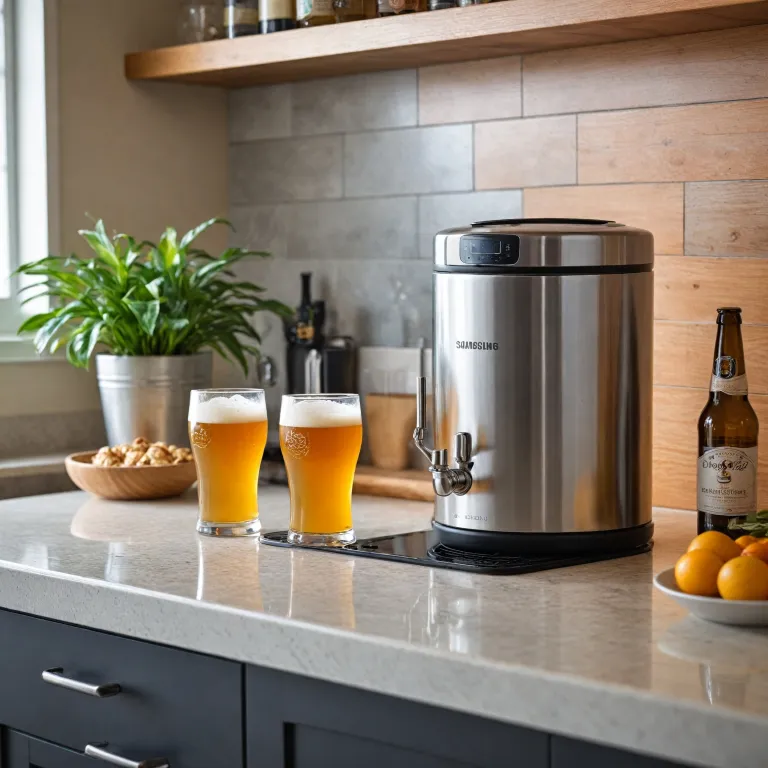
A 1/6 keg, often called a sixth barrel, is one of the most versatile keg sizes in the beer world. It is a cylindrical stainless steel container designed to hold draft beer under pressure, just like the larger kegs you see in bars, only slimmer and easier to handle. Breweries use the same professional-grade fittings and couplers on these as they do on full-size kegs, so you are getting true draft quality in a more manageable package.
In practical terms, a 1/6 keg is built for flexibility. Its narrow footprint means it can slide into many home kegerators, under-counter setups, or even shared fridge space, depending on your equipment. That makes it especially attractive if you want to serve fresh draft beer at home without committing to a huge volume or a bulky keg that dominates your storage.
From a beer quality perspective, the 1/6 keg behaves like any other commercial keg. It is designed to work with CO₂ or mixed-gas systems, keeping your beer carbonated and protected from oxygen. This is a big step up from repeatedly opening bottles or cans, where exposure to air and light can slowly dull flavors. Because the keg stays sealed, every pour can taste as bright and clean as the first.
If you are thinking about how this format fits into your broader beer plans, it helps to see it as a bridge between casual six-packs and full party kegs. It is small enough for experimentation with different styles, yet serious enough for proper draft setups and thoughtful beer packing and storage strategies when you are planning events or stocking a home bar.
How many beers a sixth barrel keg holds
How much draft beer you really get
A 1/6 keg, often called a sixth barrel, holds about 5.16 gallons of beer. In bar language, that translates to roughly 55 standard 12 oz servings. If you pour pints at home, you can expect around 40 classic 16 oz pints, give or take a little foam and tasting samples.
Those numbers matter when you are planning a party, stocking a kegerator, or just deciding whether a sixth barrel fits your drinking pace. For a small gathering, one 1/6 keg usually covers a casual evening for 8–12 beer drinkers. For a bigger event, it can serve as a dedicated keg for a special style, like a seasonal IPA or a stout, alongside other formats you might use.
Serving sizes and realistic expectations
Real life rarely matches perfect math. Foam, line loss, and generous pours all chip away at the theoretical total. If you plan on 45–50 twelve-ounce pours instead of the full 55, you will be much closer to reality. That buffer helps when someone tops off half-finished glasses or you pour a few “try this” samples.
How you serve also changes the experience. A 1/6 keg shines when you want fresh draft beer without committing to a full half barrel. It is ideal for testing new styles, rotating through different beers more often, or keeping a favorite craft option on tap while you use other packaging for everyday drinking.
If you like the idea of compact draft options, you might also be interested in smaller portable systems. This guide to top mini rechargeable kegs shows how tiny setups can complement a sixth barrel, especially when you want mobility or multiple beers on tap in limited space.
Comparing a 1 6 keg to cans, bottles and other keg sizes
How a sixth barrel stacks up against other formats
When you look at a 1/6 keg next to cases of cans or bottles, the first thing to notice is how much beer you are really getting. A standard sixth barrel holds about 5.16 gallons, which translates to roughly 55 twelve-ounce pours. That is more than two full cases of beer in a single, compact container.
Compared with cans and bottles, a 1/6 keg offers:
- Less packaging waste – one stainless steel shell instead of cardboard, plastic rings, and glass or aluminum.
- Better freshness – when handled correctly, beer in a sealed keg is protected from light and oxygen far better than most packaged options.
- Cleaner storage – one cylinder in your kegerator or corner, instead of stacks of cases.
Against other keg sizes, the sixth barrel is all about flexibility. A full-size half barrel (the classic “keg party” keg) holds about 165 twelve-ounce beers, which is great for big events but overkill for many homes or small gatherings. A quarter barrel (pony keg) lands in the middle, but its wider shape can be awkward in some kegerators.
The tall, slim profile of a 1/6 keg makes it easier to fit into many draft setups, and you can often run two different beers side by side where only one larger keg would fit. That is a big win if you like variety or want both a crowd-pleaser and a more adventurous style on tap.
From a practical angle, a sixth barrel also chills faster than larger kegs, which helps when you are focused on keeping your keg cold for the perfect party pour.
Why stainless steel matters for a beer keg
Why the metal around your beer matters
When you talk about a 1/6 keg, you are really talking about stainless steel. The metal is not just a shell ; it is part of how your beer tastes, how long it stays fresh, and how many times that keg can be reused.
Stainless steel is non reactive, so it does not add any flavor or aroma. That means the only thing you taste is what the brewer intended. Unlike cheaper metals or plastic, it will not leach off flavors, even if the keg is filled, emptied, and cleaned many times over its life.
Freshness, pressure, and temperature control
A 1/6 keg made from stainless steel holds pressure very well. That helps keep carbonation stable from the first pour to the last, which ties in with how many beers you can pull from a sixth barrel before quality drops. Good pressure retention also means fewer issues with foamy pours or flat pints.
Stainless steel also conducts temperature efficiently. Once your keg is chilled, it holds the cold evenly across the whole volume. That consistency supports the serving plans you make when you compare a 1/6 keg to bottles or cans, where each unit warms at a different rate once opened.
Durability, cleaning, and sustainability
Because stainless steel is tough, a 1/6 keg can survive transport, parties, and repeated tapping. It resists dents and corrosion, which keeps the interior smooth and easy to clean. A smooth inner surface means fewer spots for yeast, hop particles, or bacteria to cling to, so proper cleaning and sanitizing are more effective.
Finally, stainless steel kegs are reusable for many years. That reduces packaging waste compared with single use bottles and cans, while still giving you the draft experience at home or in a bar.
When a 1 6 keg makes sense for your beer plans
Planning occasions where a sixth barrel shines
A 1/6 keg really earns its place when you match it to the right moment. Think of it as the sweet spot between a casual six-pack and a full party keg : enough volume to share, but not so much that you worry about leftovers going flat.
For small gatherings at home, a sixth barrel is ideal. Game nights, backyard barbecues, or a birthday with a handful of friends all benefit from having draft beer on tap without committing to a half barrel. You get the freshness and consistency of kegged beer, while the smaller size keeps things manageable in a kegerator or converted fridge.
It also makes sense when you want variety. Instead of one large keg, you can rotate different styles in 1/6 kegs over a few weeks. That way, you can enjoy a crisp lager one month and a hop-forward IPA the next, without rushing to finish a huge volume before it loses its edge.
Homebrewers often find this format practical too. A sixth barrel is easier to move, clean, and store than larger kegs, especially when you are experimenting with new recipes or dialing in carbonation and serving pressure after you have learned how keg systems work.
Finally, a 1/6 keg is a smart choice when space is limited. If your kegerator or fridge cannot accommodate a full-size keg, this smaller option still lets you enjoy the benefits of stainless steel storage and draft service, while keeping your setup compact and flexible for future beer plans.