
Ekuanot hops: a quick look at their origins and hbc roots
Tracing the path from HBC experiment to modern favorite
Ekuanot hops have quickly become a standout in the world of brewing, but their journey began as part of the Hop Breeding Company’s (HBC) innovative breeding program. Originally known by their experimental code, these hops were developed to bring new flavors and aromas to the market, answering the growing demand from brewers for unique and versatile hop varieties.
The breeding process focused on combining desirable traits from several hop lines, resulting in a hop that offers both complexity and reliability. Ekuanot’s parentage includes some well-known American hop varieties, which contribute to its bold character and adaptability in a wide range of beer styles.
Today, Ekuanot is celebrated not just for its origin story but also for the way it has shaped modern brewing trends. Its rise in popularity reflects the ongoing evolution of hop breeding and the ever-changing preferences of brewers and beer lovers alike. If you’re curious about what else goes into your favorite pint, you might enjoy reading about sulfites in beer and how they fit into the brewing process.

Why brewers fill their wishlist with ekuanot hop pellets
What makes ekuanot hop pellets so popular among brewers?
When brewers are planning their next standout beer, ekuanot hop pellets often top their wishlist. This is not just a trend—there are solid reasons behind the growing demand for this hop variety.
- Consistency and efficiency: Ekuanot hop pellets offer reliable flavor and aroma, making recipe development and scaling up much easier for both homebrewers and professionals.
- Versatile brewing applications: Whether you are crafting a hop-forward IPA or adding complexity to a lighter style, ekuanot adapts well to different brewing techniques and timings.
- Distinctive character: Brewers love the unique blend of citrus, tropical fruit, and herbal notes that ekuanot brings, setting their beers apart in a crowded market.
- Efficient use of resources: Pellets are easy to store, measure, and use, reducing waste and improving yield in the brewhouse.
For those interested in the sustainability side of brewing, understanding how much water goes into a beer can highlight the importance of efficient ingredients like hop pellets.
As you explore ekuanot’s origins and its impact on beer flavor, it becomes clear why this hop is a favorite for brewers aiming to create memorable and marketable beers.
Aroma and flavor: what ekuanot hops bring to your beer
Vivid aromas and flavors that set your brew apart
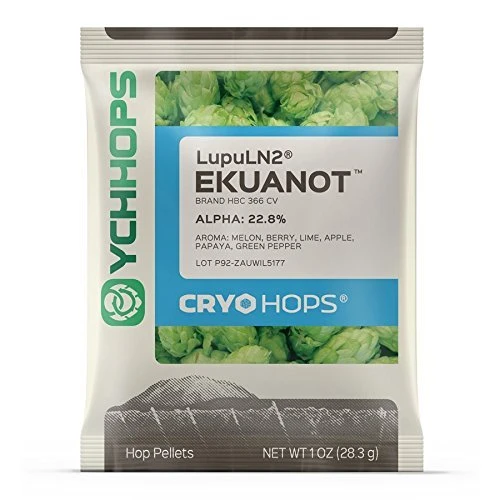
Ekuanot hops are celebrated for their bold and complex aroma profile. When you open a bag of Ekuanot pellets, you’re greeted by an explosion of fresh citrus, tropical fruit, and subtle herbal notes. Brewers often describe the scent as a blend of lime, papaya, and even a touch of green pepper.- Citrus: Expect vibrant lime, orange peel, and lemon zest, which brighten up any beer style.
- Tropical fruit: Papaya, melon, and mango notes add a juicy, inviting character.
- Green and herbal: Hints of fresh-cut grass, green pepper, and eucalyptus bring depth and complexity.
- Berry and apple: Some brewers even pick up subtle berry or apple undertones, making Ekuanot a versatile choice for creative recipes.
Brewing values: alpha acids, beta acids, and total oil
Key brewing metrics of Ekuanot hops
When it comes to brewing with Ekuanot hops, understanding their brewing values is essential for both homebrewers and professionals. These values influence how the hops perform in your beer, affecting bitterness, aroma, and overall character.
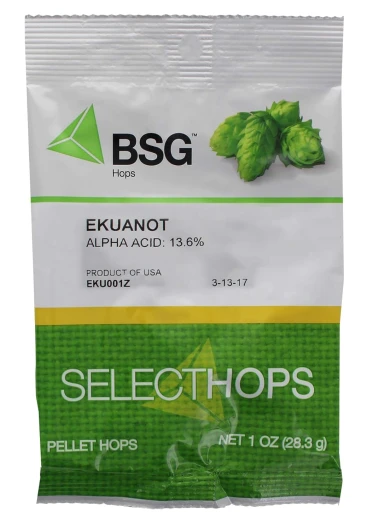
- Alpha acids: Ekuanot hops typically have a high alpha acid content, often ranging from 13% to 16%. This makes them a powerful choice for adding bitterness, especially in hop-forward styles like IPAs and pale ales.
- Beta acids: The beta acid levels are also notable, usually between 4% and 5%. Beta acids contribute to the hop’s overall profile and can influence the beer’s bitterness as it ages.
- Total oil content: Ekuanot is known for its impressive oil content, often exceeding 2 mL/100g. These oils are responsible for the bold aromas and flavors described earlier, helping brewers achieve vibrant citrus, tropical fruit, and herbal notes in their creations.
These brewing values explain why Ekuanot is such a versatile hop, suitable for both bittering and late additions. Brewers who appreciate its unique flavor profile often experiment with different hopping techniques to highlight its best qualities. If you’re considering using Ekuanot in your next recipe, these numbers will help you dial in the perfect balance for your desired beer style.
Personal stories and recipe ideas with ekuanot hops
Brewers share their Ekuanot experiences
Many homebrewers and professionals have shared how Ekuanot hops have transformed their brewing projects. From the first time they added Ekuanot pellets to their boil, they noticed the vibrant aromas and flavors that set their beers apart. One brewer mentioned how the hop’s unique blend of citrus, tropical fruit, and subtle herbal notes gave their pale ale a refreshing twist. Another enjoyed experimenting with Ekuanot in a hazy IPA, where the hop’s juicy character really shined.
Creative ways to use Ekuanot in your next brew
- Single-hop showcase: Try brewing a single-hop IPA or pale ale to let Ekuanot’s character take center stage. This approach highlights the hop’s complexity and lets you appreciate its full range of flavors.
- Blending with other hops: Combine Ekuanot with classic varieties like Citra or Mosaic for a layered aroma profile. The interplay between Ekuanot’s tropical notes and other hops’ citrus or pine can create a memorable beer.
- Late additions and dry hopping: To maximize aroma, add Ekuanot late in the boil or as a dry hop. This technique preserves the hop’s signature fruitiness and brightens up your beer’s nose.
Recipe inspiration from the community
Here are a few ideas to get you started with Ekuanot hops:
- Session IPA: Use Ekuanot as the primary hop for a lower-alcohol IPA. Its bold flavors mean you can keep the malt bill simple and still have a flavorful result.
- American wheat beer: Add Ekuanot for a modern twist on a classic style. The hop’s fruitiness pairs well with wheat’s smooth body.
- Experimental sours: Some brewers have added Ekuanot to kettle sours, bringing a burst of tropical aroma that balances tartness.
Whether you’re a seasoned brewer or just starting out, Ekuanot hops offer plenty of room for creativity. Their versatility and bold profile make them a favorite for those looking to craft something memorable.