

Meet sultana hops and their origins
Getting to know the roots of sultana hops
Sultana hops have quickly gained attention among brewers and beer lovers for their bold character and unique profile. Originally bred in the Pacific Northwest, this hop variety is the result of careful crossbreeding, designed to bring out both high yield and distinctive flavors. Sultana is sometimes referred to by its former name, Denali, but it stands out on its own thanks to its impressive aroma and brewing potential.
What sets sultana apart is not just its origin, but also the way it fits into the modern craft beer movement. As brewers look for new ways to create memorable beers, sultana hops offer a fresh option with plenty of versatility. Whether you’re a homebrewer or just curious about what goes into your favorite IPA, understanding the background of sultana hops can help you appreciate the creativity behind today’s beer styles.
- Developed for both commercial and craft brewing
- Known for vigorous growth and large, resinous cones
- Popular for its bold aroma and flavor profile
If you’re interested in what else might be in your beer, including common additives, you can learn more about sulfites in beer and how they relate to hop usage and brewing practices.

Aroma and flavor: what makes sultana stand out
Unpacking the vibrant character of sultana
Sultana hops are celebrated for their bold and expressive aroma profile. When you open a bag of sultana, you’re immediately greeted by a burst of juicy pineapple, bright citrus, and a hint of pine. These tropical notes are complemented by subtle undertones of fresh fruit and even a touch of spice, making sultana a favorite among brewers looking to add complexity to their beers.
- Pineapple: The standout note, lending a sweet, tropical punch.
- Citrus: Think zesty orange and lemon, adding brightness and freshness.
- Pine: A gentle resinous quality that balances the fruitiness.
- Subtle spice: Adds depth and intrigue to the overall profile.
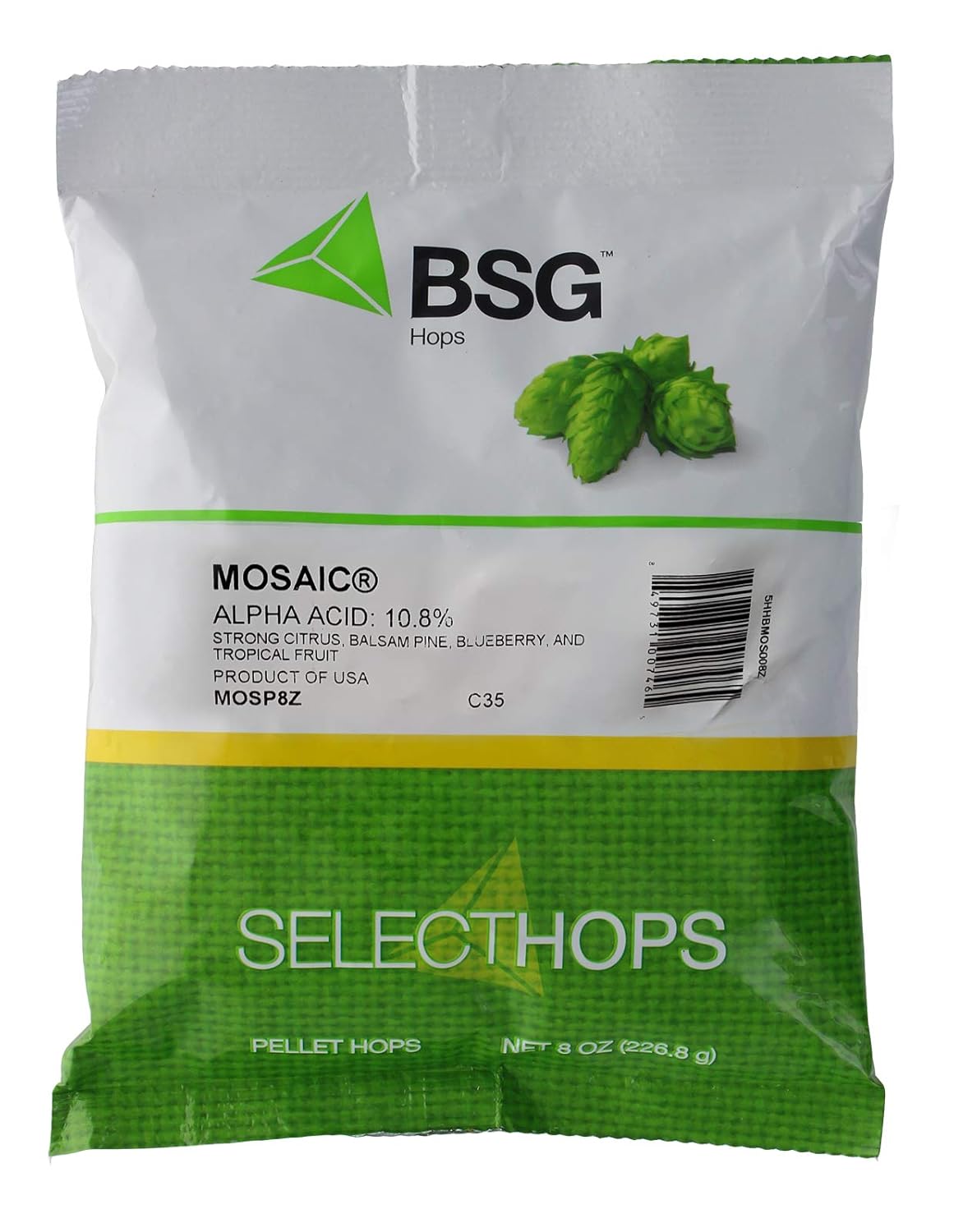
These flavors shine in hop-forward styles, where sultana’s unique blend can truly take center stage. Brewers often compare sultana’s character to other modern varieties, but its distinctive pineapple and citrus combination sets it apart. If you’re curious about how sultana stacks up against other expressive hops, you might enjoy reading about the flavorful world of Ekuanot hops as well.
Alpha acids and brewing with sultana
Understanding sultana's high alpha acids
Sultana hops are well-known among brewers for their impressive alpha acid content. Alpha acids are the key compounds responsible for bitterness in beer, and sultana typically boasts a higher percentage than many traditional varieties. This makes it a popular choice for brewers aiming to create bold, hop-forward beers with a pronounced bitterness profile.
How sultana hops impact your brew
When used in the brewing process, sultana's high alpha acids mean you can achieve desired bitterness levels with smaller hop additions. This efficiency is especially valuable in styles where hop character is central, such as IPAs and pale ales. Beyond bitterness, sultana also contributes vibrant flavors and aromas, as discussed earlier, making it a versatile hop for both bittering and late additions.
- Efficient for bittering due to high alpha acids
- Enhances both flavor and aroma when used at different stages
- Ideal for hop-forward beer styles
For brewers, understanding how alpha acids interact with temperature during the brewing process is crucial. If you're curious about optimizing your brewing results, check out this guide on finding the perfect temperature for your beer. The right temperature can help you get the most out of sultana hops, ensuring both bitterness and aroma shine in your finished beer.
Comparing sultana to denali and other hop varieties
How sultana hops stack up against denali and others
Sultana hops are often compared to Denali, as they share a genetic lineage and some similar characteristics. However, there are key differences that set sultana apart from Denali and other popular hop varieties.
- Intensity of aroma: Sultana is known for its bold pineapple, citrus, and pine notes, which tend to be more pronounced than in Denali. While Denali also brings tropical and citrus aromas, sultana’s profile is often described as more vibrant and juicy.
- Flavor complexity: Brewers appreciate sultana for its layered flavors. Beyond the tropical fruit, you’ll find hints of resin and a touch of spice, making it a versatile choice for creative recipes. Other hops, like Mosaic or Citra, may offer similar fruitiness, but sultana’s unique blend stands out in the final beer.
- Brewing versatility: Sultana’s high oil content and alpha acids make it suitable for both bittering and late additions. Compared to classic varieties like Cascade or Centennial, sultana brings a modern twist with its punchy flavors and aroma intensity.
When choosing between sultana, Denali, or other hops, consider the overall flavor profile you want to achieve. Sultana is ideal for brewers looking to make a bold statement in IPAs, pale ales, and even experimental styles. Its ability to shine both as a single hop and in blends gives it an edge over many traditional and contemporary varieties.
Best beer styles and use cases for sultana hops
Ideal beer styles for sultana hops
Sultana hops shine brightest in beer styles that celebrate bold, expressive flavors and aromas. Thanks to their juicy pineapple, citrus, and pine notes, sultana hops are a favorite among brewers looking to create memorable hop-forward beers. Here are some styles where sultana truly excels:
- American IPAs and Double IPAs: The intense tropical fruit and resinous character of sultana hops make them perfect for modern IPAs, where hop aroma and flavor take center stage.
- Pale Ales: Sultana can add a vibrant twist to classic pale ales, providing a burst of pineapple and citrus that complements lighter malt profiles.
- Hazy and New England IPAs: The juicy, fruit-forward nature of sultana hops fits seamlessly into hazy styles, enhancing the soft mouthfeel and juicy finish.
- Experimental and specialty ales: Brewers who enjoy pushing boundaries often use sultana in creative recipes, blending its unique flavors with other hops or adjuncts.
Tips for using sultana hops in your next brew
When brewing with sultana, consider how its high oil content and distinctive aroma can impact your recipe. Late additions, dry hopping, or whirlpooling are excellent ways to capture the hop’s vibrant character without overwhelming bitterness. If you’re experimenting with hop blends, sultana pairs well with varieties that offer complementary citrus or stone fruit notes, as discussed in the comparison with denali and other hops.
Ultimately, sultana hops are a versatile choice for brewers seeking to craft beers with bold, juicy flavors and a memorable aromatic profile.