

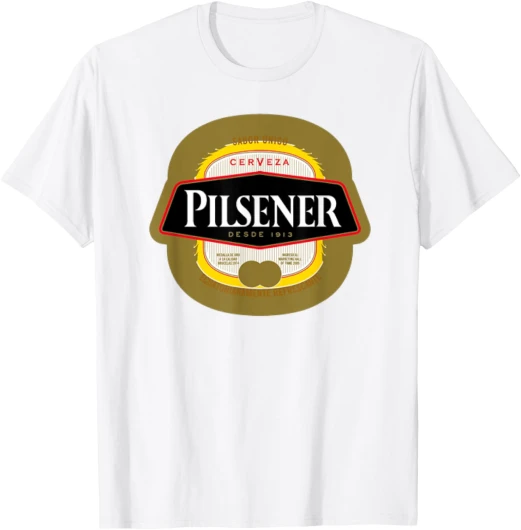
How pilsener ecuador became Ecuador’s everyday cerveza
A lager woven into daily Ecuadorian life
In Ecuador, ordering a cold beer in a neighborhood tienda, a coastal cevichería or a lively Quito bar often means one thing : a bottle of Pilsener on the table. More than just a brand, it has become a familiar backdrop to everyday moments – from family almuerzos to football matches and beach weekends with friends.
This strong presence did not happen overnight. Pilsener gradually positioned itself as an accessible, easy-drinking lager that fits the country’s climate, cuisine and social habits. Its light body and crisp finish make it a natural companion for seafood on the coast, roasted meats in the Sierra and casual street food everywhere in between.
Over time, Pilsener turned into a kind of social glue. It is the beer you bring to a barbecue when you are not sure what everyone likes, the one shared in large bottles and poured into small glasses so the whole table can join in. That sense of sharing is part of why many Ecuadorians see it less as a product and more as a small ritual of convivencia.
Of course, Ecuador’s beer culture is broader than a single label. Regional traditions, indigenous beverages and global influences all play a role, much like the diverse beer customs found across different continents. Yet Pilsener remains the everyday reference point – the baseline against which people compare Club Premium or the growing wave of craft beers that you will read about later.
Understanding how Pilsener became so embedded in daily life sets the stage for looking more closely at what is in the bottle, how its ingredients shape its flavor and why its label still feels instantly recognizable on shelves across the country.
Ingredients, flavor and the role of corn in pilsener ecuador
What goes into a bottle of Ecuadorian pilsener
Pilsener in Ecuador is built on a simple but effective grain bill. Barley malt provides the backbone, giving the beer its pale golden color and light bready notes. To keep costs accessible and the profile easy-drinking, a significant portion of the fermentable sugars comes from corn adjuncts. This combination helps create a beer that feels familiar and refreshing to everyday drinkers across the country.
The use of corn is not just about economics. Corn lightens the body, softens the malt character, and dries out the finish. That is why pilsener ecuador feels crisp rather than heavy, even when the weather is hot and humid. The result is a beer that you can drink in quantity without palate fatigue, which explains its role as a social staple alongside more premium options like Club.
Flavor profile in the glass
On the nose, you will usually find mild grainy aromas with a hint of sweetness. The flavor leans toward light malt, subtle corn sweetness, and very low hop bitterness. Hops are present mainly to balance the sweetness, not to add strong floral or citrus notes as you might find in modern craft lagers.
The finish is clean, slightly sweet, and gently drying. Carbonation is medium to high, lifting the flavors and enhancing refreshment. When you later compare it with craft pilsners or hop-forward lagers, you will notice how restrained and neutral this profile is.
Corn, culture, and regional identity
Corn has deep roots in Andean agriculture and cuisine, so its presence in the beer links pilsener ecuador to local food traditions. This connection to everyday meals and gatherings is part of what turned it into a national habit, much like other classic Latin American lagers such as those discussed in this overview of traditional Mexican cerveza styles.
From nacional ecuador to cerveceria nacional : a short history of the brewery
From local roots to national icon
The story of Pilsener in Ecuador starts with a modest brewery serving a small but growing urban population. What began as a regional operation under the name Nacional Ecuador slowly expanded as refrigeration, transport and bottling technology improved. Beer could travel farther, stay fresher and reach new customers well beyond the original city limits.
As demand grew, the company reorganized and adopted the name Cervecería Nacional. This shift marked more than a simple rebranding. It signaled a move toward industrial-scale production, standardized recipes and a stronger focus on consistency. The brewery invested in larger facilities, modern equipment and quality control, laying the groundwork for Pilsener to become the country’s everyday lager.
During this period, Cervecería Nacional also refined the recipe that defines Pilsener today. Choices about malt, hops and adjuncts such as corn were not only technical decisions ; they were business strategies aimed at keeping the beer affordable and approachable for a broad public. These same decisions still shape the flavor profile you taste, and they explain why Pilsener sits apart from both Club Premium and newer craft brands.
Industrial growth and regional influence
As Cervecería Nacional scaled up, it helped professionalize Ecuador’s beer trade. Distribution networks, cold storage and marketing campaigns all contributed to making Pilsener a familiar presence at family gatherings, football matches and neighborhood bars. Over time, the brewery became part of a wider Latin American brewing landscape, influenced by international trends in lager production and branding.
If you are curious how Pilsener fits into the broader evolution of global beer styles, this journey through the world of beer offers useful context for understanding its place among other mass-market and regional lagers.

How pilsener ecuador compares with club premium and modern craft beer
Positioning pilsener alongside club premium
Pilsener and Club Premium are brewed by the same company, yet they fill very different roles in Ecuador’s beer culture. Pilsener is the relaxed, everyday option you reach for at a family barbecue or a beach gathering. Club Premium, on the other hand, is marketed as a more refined choice, with a slightly fuller body, more pronounced malt character, and a cleaner, crisper hop finish.
Where Pilsener emphasizes drinkability and familiarity, Club Premium leans into a more “European-style” profile. You will often find it in bars and restaurants that want to offer something a bit more upscale without leaving the comfort zone of mainstream lagers. Many Ecuadorians move between the two depending on the occasion : Pilsener for quantity and casual moments, Club Premium for when they want to feel a touch more sophisticated.
How pilsener fits in the craft beer era
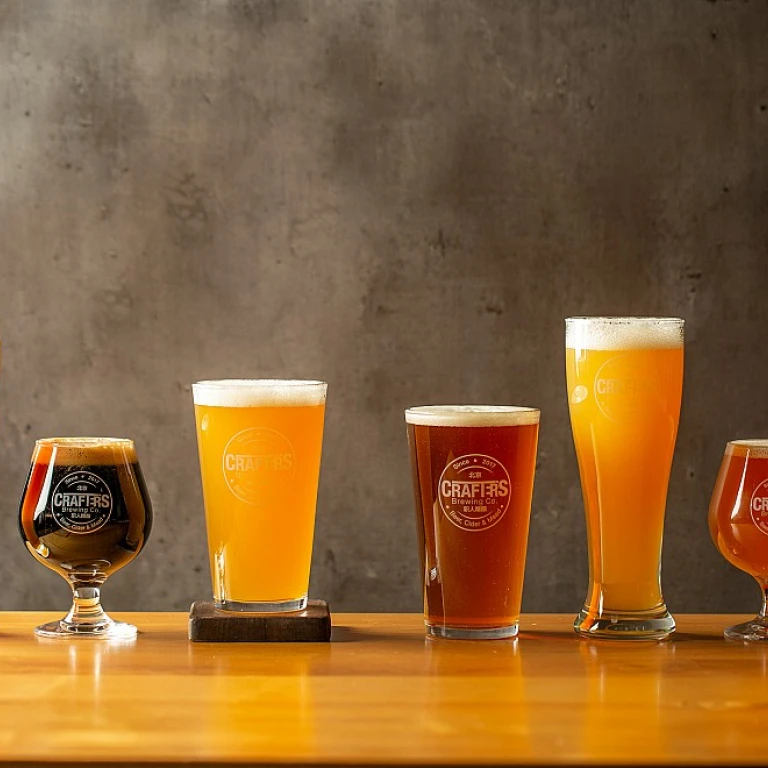
The rise of Ecuadorian craft breweries has changed how drinkers think about flavor, aroma, and ingredients. Compared with a modern IPA, stout, or sour, Pilsener is light in body, low in bitterness, and straightforward in taste. Craft beers often showcase bold hop varieties, specialty malts, and experimental yeast strains, while Pilsener keeps to a simple, corn-boosted recipe that prioritizes refreshment over complexity.
Yet this contrast is exactly why Pilsener remains relevant. After a few intensely flavored craft pints, many drinkers return to Pilsener as a palate reset : cold, familiar, and easy to share. It also serves as a reference point when evaluating local craft lagers. Brewers frequently design their own golden lagers with Pilsener in mind, either by imitating its smooth drinkability or deliberately pushing beyond it with more aroma and bitterness.
In this way, Pilsener acts as both a baseline and a bridge between traditional mass-market beer and the evolving world of Ecuadorian craft brewing.
- + Alcohol-free option that mimics craft beer styles
- + Variety of styles including craft ale and hoppy IPA
- + Convenient pack of 12 for sharing or sampling
- + Suitable for any occasion: social events, driving, or sober curious consumers
- + Refreshing alternative to alcoholic beverages

Practical tips for drinking pilsener ecuador and reading the label
Serving temperature, glassware and food pairing
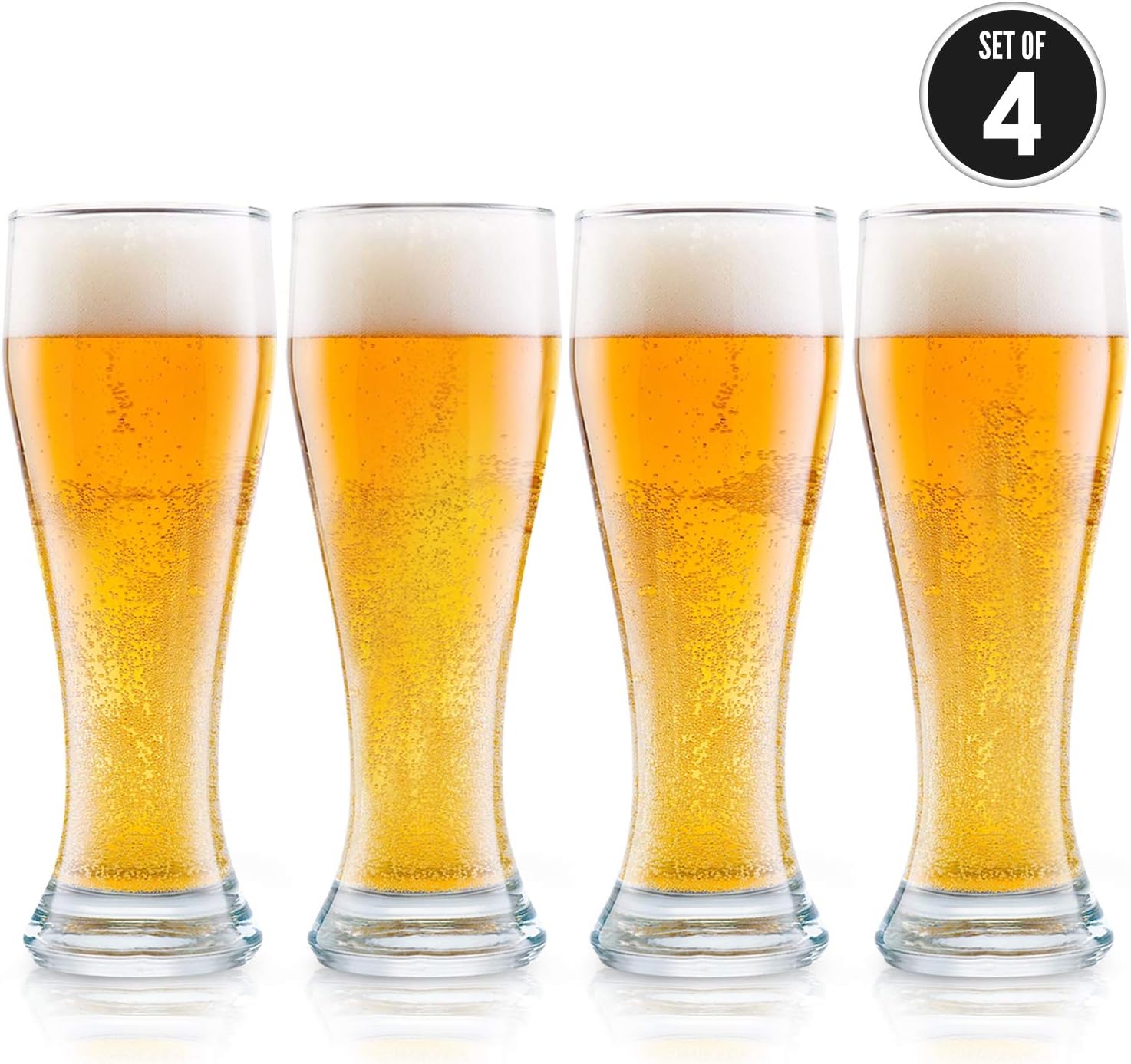
Pilsener Ecuador is at its best well chilled, but not ice-cold. Aim for a serving temperature around fridge-cold so the light malt and subtle corn notes still show. Straight from the bottle is common at the beach or a barbecue, yet pouring into a simple, clean glass helps release the gentle hop aroma and lets you appreciate its bright golden color.
For food, think casual and flavorful. Pilsener Ecuador pairs nicely with:
- Grilled seafood and ceviche
- Fritada, hornado and other pork dishes
- Empanadas, patacones and salty bar snacks
- Spicy street food, where the crisp finish refreshes your palate
How to read the label like a local
Once you know the ingredients and the role of corn in the recipe, the label becomes much more meaningful. Look for the alcohol by volume (ABV), which usually sits in the light-lager range, keeping it easy-drinking for social occasions. You will also see references to cerveza rubia or pilsener, confirming its pale lager style rather than a stronger or darker beer.
The brewery name, Cervecería Nacional, links back to its long history in Ecuadorian beer culture. Packaging formats (returnable bottles, cans, large “familiares”) hint at how people actually share it at gatherings, from small get-togethers to big family events.
Choosing between pilsener, club and craft options
When you stand in front of the cooler, think about what you want from the moment. Pilsener Ecuador is your go-to for easy refreshment and familiar flavor. Club Premium offers a slightly fuller, more refined profile, while local craft beers bring bolder hops or malt character. Many Ecuadorians keep Pilsener as their everyday cerveza and reach for Club or craft bottles when they feel like exploring something a bit more complex.