
Bumblebee beer and the rise of honey-infused beers
Honey finds its way into the brew kettle
Honey has been used in beverages for centuries, but its recent surge in craft beer is creating quite a buzz. Bumblebee beer, a playful nickname for honey-infused ales and lagers, is capturing the attention of brewers and drinkers alike. This style blends the floral sweetness of honey with traditional beer profiles, resulting in a unique and approachable drink.
What’s fueling this trend? Beer lovers are seeking new flavors and experiences, and honey offers a natural way to add complexity without overpowering the base beer. Brewers are experimenting with different honey varieties, from wildflower to clover, each lending its own subtle notes. This creativity is helping honey beers stand out on crowded shelves.
- Honey adds both fermentable sugars and delicate aromas
- Craft breweries are highlighting local honey sources for authenticity
- These beers often appeal to those who enjoy a touch of sweetness without heavy syrupy notes
As more people try bumblebee beer, many are curious about the brewing process and the ingredients that make these beers so distinctive. If you’re interested in enjoying honey-infused beer at home, check out this guide to the best kegerators and dispensers for a fresh pour every time.

Brewing process and key ingredients in bumblebee beer
How honey transforms the brewing process
Honey is the signature ingredient that sets bumblebee beer apart from traditional brews. Brewers carefully select floral or wildflower honeys to complement the base malt and hops. The honey is usually added during the boil or at the end of fermentation, depending on the desired sweetness and aroma. This timing impacts both the flavor and the mouthfeel of the finished beer.- Malt base: Light malts are often chosen to let the honey shine, though some brewers experiment with wheat or pale ale bases for extra depth.
- Hop selection: Mild, floral hops are preferred to avoid overpowering the delicate honey notes.
- Fermentation: Some yeast strains are selected for their ability to highlight honey’s natural esters and subtle floral tones.
Key ingredients in bumblebee beer
- Honey: The star of the show, providing both fermentable sugars and a unique bouquet of flavors.
- Water: As with any beer, water quality is crucial. Soft water helps keep the flavors balanced and smooth.
- Malt and hops: These provide the backbone, but are chosen to support, not overshadow, the honey.
- Yeast: Clean-fermenting strains are common, but some brewers use specialty yeasts for added complexity.
Tasting notes and flavor profiles
What to expect when tasting bumblebee beer
Bumblebee beer stands out for its delicate balance between traditional malt flavors and the subtle sweetness of honey. The honey infusion, as explained in the brewing process, not only adds a unique aroma but also enhances the overall mouthfeel.
- Aroma: Expect floral and herbal notes, with a gentle hint of honey rising above the usual grain and hop scents. Some versions may offer a touch of citrus or wildflower, depending on the honey variety used.
- Flavor: The first sip reveals a smooth, rounded sweetness that never overpowers. The honey complements the malt backbone, creating a layered taste with hints of caramel, biscuit, and sometimes a whisper of spice.
- Mouthfeel: Bumblebee beer is often medium-bodied, with a creamy texture that lingers pleasantly. The honey can lend a slightly silky finish, making each sip feel rich yet refreshing.
- Finish: The aftertaste is clean, with a mild sweetness and a gentle hop bitterness that keeps the beer balanced and drinkable.
For those who want to enjoy bumblebee beer as fresh as possible, using a draft beer dispenser at home can elevate the tasting experience, capturing the nuanced flavors and aromas right from the pour.
Market trends and consumer reviews
What’s buzzing in the beer market?
Bumblebee beer is making waves among craft beer enthusiasts and casual drinkers alike. With its unique honey infusion, this style stands out in a crowded market. Breweries are responding to growing demand by experimenting with different honey varieties and local sourcing, which appeals to consumers looking for authenticity and natural ingredients.
- Rising popularity: Sales data from independent breweries show a steady increase in honey-infused beer releases. Seasonal launches and limited editions are especially popular.
- Consumer preferences: Drinkers appreciate the balance of sweetness and complexity. Many mention the smooth mouthfeel and subtle floral notes as reasons for repeat purchases.
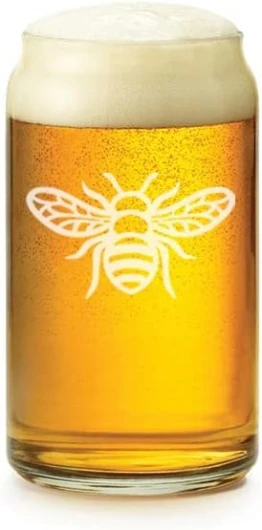
- Social media buzz: Photos of golden pours and creative bee-themed labels are trending on beer forums and Instagram, helping to fuel curiosity and word-of-mouth recommendations.
What beer lovers are saying
Reviews highlight the approachable nature of bumblebee beer. Newcomers to craft beer enjoy its gentle sweetness, while seasoned fans praise the nuanced flavors that honey brings to the brew. Many mention pairing it with spicy dishes or enjoying it as a refreshing summer drink. The sense of community around these beers is strong, with fans sharing tasting notes and favorite brands at local events and online groups.
Personal stories and use cases: why beer fans love bumblebee beer
Real-life experiences with honey-infused brews
Beer enthusiasts often share memorable moments linked to bumblebee beer. Many say it’s their go-to choice for summer gatherings, thanks to its subtle sweetness and refreshing finish. The honey infusion appeals to those who want something a bit different from classic lagers or IPAs, making it a conversation starter at parties and barbecues.
- Homebrewers enjoy experimenting with local honey varieties, adding a personal touch to each batch. They find that the honey’s origin can subtly change the flavor, offering endless possibilities.
- Food pairings are another highlight. Fans recommend bumblebee beer with spicy dishes, grilled meats, or even desserts like cheesecake, as the honey notes balance and enhance flavors.
- Craft beer explorers appreciate how bumblebee beer bridges the gap between traditional and innovative brewing. It’s often described as approachable for newcomers, yet complex enough for seasoned drinkers.
Many consumers mention that the aroma and smooth mouthfeel keep them coming back. Social media is filled with photos of golden pours and tasting notes, showing how bumblebee beer has become a staple for those seeking something unique in the beer world.