
Neipa beer: from england ipa roots to hazy ipa craze
The evolution from classic bitterness to juicy haze
New England IPA, often called NEIPA, has taken the beer world by storm with its hazy appearance and juicy flavor profile. But this style didn’t appear out of nowhere—it’s rooted in the long tradition of English India Pale Ales (IPAs), which were originally brewed to withstand long journeys and featured a pronounced hop bitterness.
Over time, American brewers began experimenting with these classic recipes, dialing back the bitterness and focusing on hop varieties that bring out tropical, citrus, and stone fruit notes. This shift led to the development of a softer, more approachable IPA, with a cloudy look and a pillowy mouthfeel that’s now synonymous with the New England style.
What sets NEIPA apart isn’t just its appearance. Brewers use unique techniques and ingredients, such as high-protein grains and late hop additions, to create that signature haze and juicy aroma. These innovations have inspired breweries across the globe to put their own spin on the style, contributing to the ongoing craft beer revolution and the rise of hazy IPAs as a favorite among beer lovers.
In the next section, we’ll look at the specific brewing methods that give NEIPA its distinctive haze and mouthfeel, and how these choices impact the final beer in your glass.
Brewing techniques: oats, wheat, and high protein for that haze
Why oats and wheat matter in your glass
One of the defining features of New England IPAs is their signature haze and pillowy mouthfeel. This isn’t just a visual quirk—it’s the result of carefully chosen grains and brewing methods. Brewers often use a generous portion of oats and wheat in the grain bill. These grains are high in protein, which helps create that cloudy appearance and a soft, smooth texture that sets NEIPAs apart from their clear, crisp West Coast cousins.
- Oats: Bring a creamy body and help suspend hop particles, boosting haze and flavor.
- Wheat: Adds to the cloudiness and gives a gentle, bready sweetness.
- High protein malts: Essential for the signature look and feel of the style.
These choices aren’t just about looks—they also impact how the hops shine in the finished beer. The soft base from oats and wheat lets juicy hop flavors pop, making every sip vibrant and aromatic. If you’re curious about how other beer styles use unique ingredients to create their own character, check out this taste of Miami’s sunny blonde ale for a different perspective.
Hop selection: simcoe hops and friends bring the juicy
Choosing hops for that signature juicy profile
When it comes to New England IPAs, the hop selection is what truly sets these beers apart. Unlike traditional IPAs that lean heavily on bitterness, NEIPAs focus on delivering a burst of juicy, tropical, and citrus flavors. This is achieved by carefully choosing hop varieties and using them in generous amounts, especially during late and dry hopping stages.
- Simcoe: Known for its complex aroma, Simcoe hops bring notes of passion fruit, pine, and apricot. It’s a favorite among NEIPA brewers for its ability to add both fruitiness and depth.
- Citra: As the name suggests, Citra hops are all about citrus—think lime, grapefruit, and orange. They’re often used to amplify the juicy character of the beer.
- Mosaic: Mosaic hops contribute a medley of flavors, from blueberry to mango, making them a versatile choice for building a layered hop profile.
- Amarillo and Galaxy: These hops round out the mix with bright orange, peach, and passion fruit notes, enhancing the overall fruit-forward experience.
Brewers often experiment with different combinations and timing to maximize aroma and minimize bitterness. This approach, combined with the high-protein grains discussed earlier, creates the signature hazy appearance and soft mouthfeel of NEIPAs.
For those curious about how unique fruit flavors can be integrated into beer, check out this guide to blueberry lager for another take on creative brewing with bold flavors.

- + Heavy Duty design
- + Big Grip Handle
- + Holds 2 Cans
- + Insulated stainless steel
- + BPA-Free

From gallon batches to bottle: brewing neipa at home
Getting started with your own hazy IPA
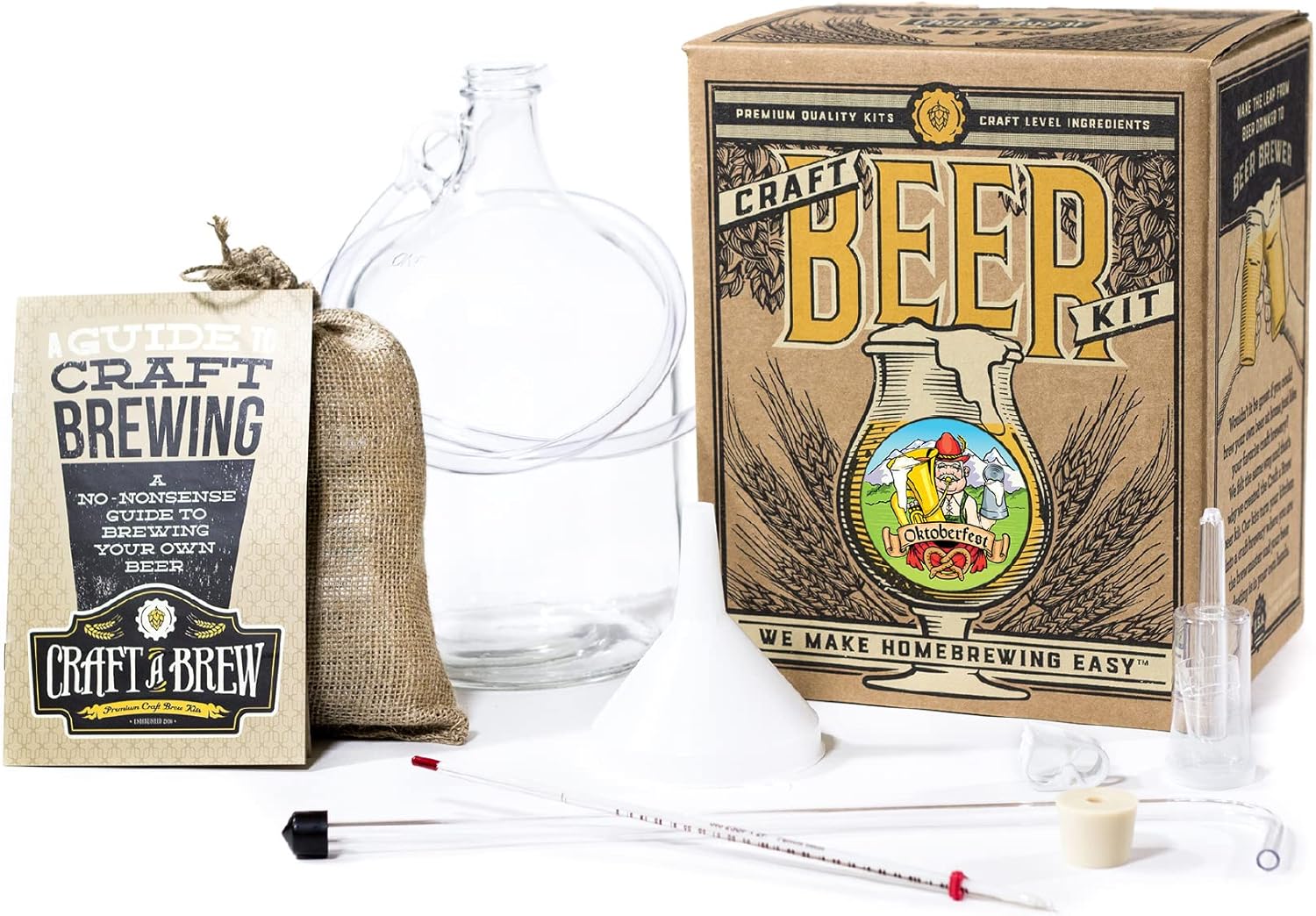
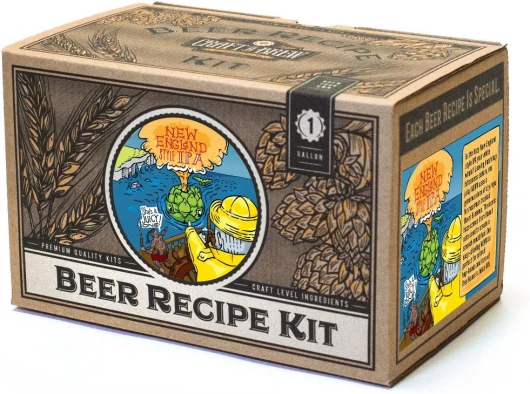
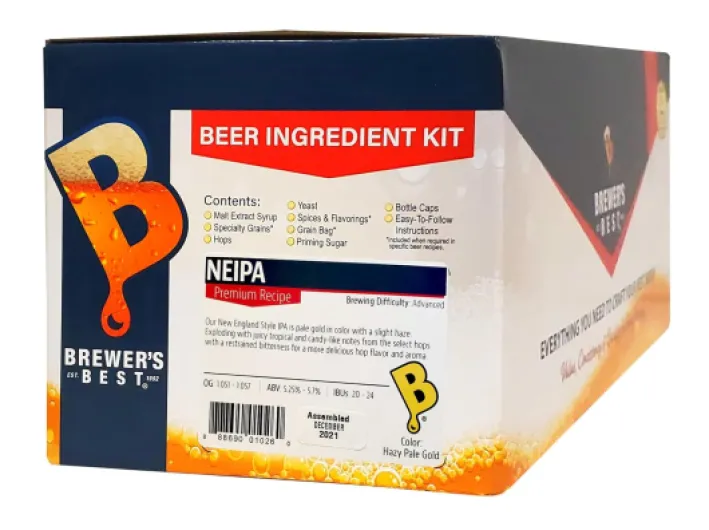
Brewing a New England IPA at home is a rewarding adventure for any beer enthusiast. The process is approachable, even if you’re new to homebrewing, and lets you experiment with the juicy, hazy style that’s taken the craft beer world by storm.- Choose your grains: Start with a base of pale malt, then add oats and wheat for that signature haze and creamy mouthfeel. These grains boost protein content, which helps keep the beer cloudy and smooth.
- Hop additions: Use a generous amount of hops, focusing on late additions and dry hopping. This technique preserves those bright, fruity aromas and flavors. Simcoe, Citra, and Mosaic are popular choices, but don’t be afraid to try new varieties.
- Yeast selection: Pick a yeast strain known for producing soft, fruity esters. English ale yeasts are a common pick, as they complement the juicy hop character.
- Fermentation tips: Keep fermentation temperatures steady and on the cooler side to avoid off-flavors. NEIPAs benefit from a gentle touch—avoid too much oxygen exposure after fermentation to keep those hop aromas fresh.
- Bottling and storage: Once fermentation is complete, bottle your beer with care. NEIPAs are best enjoyed fresh, so plan to share your creation soon after it’s ready.
Reviews and product picks: heady topper and other hazy legends
Hazy IPA legends you should try
- Heady Topper (The Alchemist, Vermont): Often called the original NEIPA, Heady Topper is a benchmark for the style. Its juicy, citrus-forward hop profile and signature haze set the standard for what many expect from a New England IPA. The mouthfeel is smooth, with a soft bitterness that lets the tropical fruit notes shine.
- Julius (Tree House Brewing, Massachusetts): Julius is a fan favorite, known for its vibrant orange and mango flavors. The pillowy texture comes from a carefully crafted grain bill, rich in oats and wheat, which you may recall is key to the NEIPA's signature haze. Drinkers love its balance of sweetness and gentle bitterness.
- Focal Banger (The Alchemist, Vermont): While slightly less hazy than some, Focal Banger is packed with Simcoe and Citra hops, delivering a punch of grapefruit, pine, and tropical fruit. Its crisp finish makes it a refreshing choice for those who enjoy a drier NEIPA.
- Juice Machine (Tree House Brewing, Massachusetts): This beer pushes the juicy character to the max, with intense notes of pineapple, mango, and papaya. The haze is thick, and the mouthfeel is creamy, making it a must-try for fans of the style.
- Other Half DDH Broccoli (Other Half Brewing, New York): Double dry-hopped for extra aroma, Broccoli is a showcase of hop complexity. Expect waves of citrus, stone fruit, and a touch of dankness, all wrapped in a soft, cloudy body.
Tips for tasting and finding your favorite NEIPA
- Look for fresh cans or draft pours—NEIPAs are best enjoyed as fresh as possible to capture their hop aroma.
- Notice the haze and color, which come from the unique grain bill and brewing techniques.
- Pay attention to the hop varieties used; each brings its own juicy, fruity, or piney character.
- Try local breweries—many craft brewers put their own spin on the style, often using regional hops or creative adjuncts.
Homebrewer's picks for hazy IPA inspiration
- Clone recipes for classics like Heady Topper or Julius are widely available and a great way to learn the style.
- Experiment with different hop combinations—Simcoe, Citra, Mosaic, and Amarillo are popular choices for juicy flavors.
- Adjust your grain bill with oats and wheat to dial in the haze and mouthfeel you prefer.