What people really mean by ipa vs pale ale
What most drinkers mean when they say “IPA”
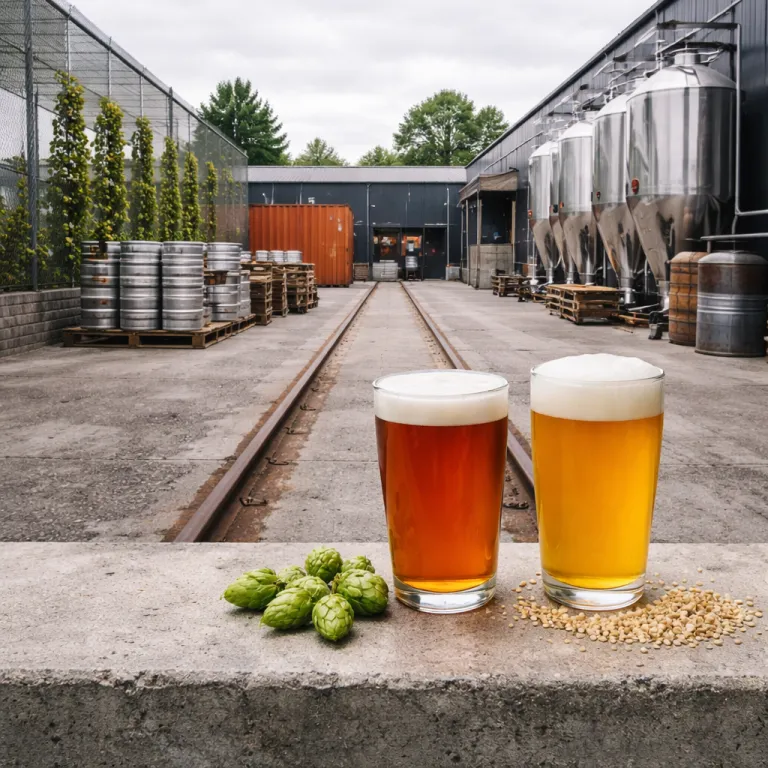
When people argue about IPA vs pale ale, they are rarely talking about strict style guidelines. In everyday conversation, “IPA” usually means a beer that is more intense in hops, more aromatic, and often stronger. It is the shorthand for “big, bold, hoppy beer”, whether it is a West Coast IPA, a hazy New England IPA, or something in between.
By contrast, “pale ale” tends to signal something a bit more relaxed. Drinkers expect a balanced, easygoing beer with noticeable hops, but not a palate wrecker. In many bars, pale ale is the “safe” choice ; IPA is the “let us see how hoppy this gets” option.
How marketing blurred the lines
Breweries and bars have helped shape these meanings. IPA sells, so many beers that could fit under a broad pale ale umbrella are branded as IPA to catch attention. That is why you might see “session IPA”, “white IPA”, or “black IPA” on tap lists, even though some of these beers overlap heavily with pale ale or other styles.
This marketing drift is a big reason the debate exists at all. Drinkers feel a difference between the two labels, even when the beers in their glasses are not that far apart in alcohol or bitterness.
The real question behind the debate
So when someone asks “IPA or pale ale ?”, they are often asking a different question : “Do you want something punchy and hop-forward, or something more balanced and easygoing ?” That is why understanding how they taste in the glass, and how hops, malt, and ABV shape that experience, matters so much. If you are curious why hop-driven beers keep dominating tap lists, this piece on why hoppy beer keeps stealing the spotlight is a helpful backdrop for the whole IPA vs pale ale conversation.
How ipa and pale ale taste different in your glass
First sip: what your tongue notices
When you take a first sip of a classic pale ale, you usually get a gentle, balanced impression. The malt brings light biscuit or bread crust notes, maybe a touch of caramel, and the hops add a clean, floral or citrusy bitterness. Nothing shouts ; everything feels in harmony.
With an IPA, that first impression is rarely gentle. Bitterness is more assertive, and hop character jumps out with bold aromas ; think grapefruit, pine, tropical fruit, resin, or even dank, herbal notes. The malt is still there, but more as a stage for the hops than a co-star.
Aroma, body, and bitterness compared
- Aroma ; Pale ales lean toward subtle citrus, floral, or earthy tones. IPAs push intense hop aromatics, often bursting with mango, passion fruit, orange peel, or pine.
- Body ; Pale ales are typically light to medium-bodied, easy to drink over a full pint. Many IPAs feel fuller, sometimes slightly sweeter, to support the higher hop load.
- Bitterness ; Pale ales offer a firm but moderate bitterness. IPAs dial it up, from clearly bitter to aggressively sharp, depending on the style.
Modern twists ; juicy, hazy, and beyond
Newer IPA styles blur the lines. Hazy or “juicy” IPAs can taste softer and less bitter than some old-school pale ales, yet still deliver huge hop aroma. West Coast IPAs, on the other hand, stay dry, crisp, and very bitter.
Even within IPAs, strength and flavor intensity vary a lot. A beer like Elysian Space Dust shows how a higher hop load and elevated alcohol can create a powerful, fruit-forward profile ; you can get a detailed breakdown of Space Dust IPA ABV and flavor to see how that plays out in the glass.
Why hops, malt and abv matter so much in ipa vs pale ale
How hop character shapes each style
Hops are the headline act in both pale ales and IPAs, but they perform different roles. In a classic pale ale, hops add a gentle bitterness and bright aromas ; think citrus, floral, or light pine. In an IPA, hops are pushed much harder, giving sharper bitterness and more intense flavors like resinous pine, juicy tropical fruit, or dank, herbal notes. That is why IPAs often feel more aggressive or “in your face” compared with the softer balance of a pale ale.
The malt backbone and sweetness balance
Malt is the quiet architect behind both styles. Pale ales usually lean on a simple, clean malt bill that offers light biscuit, bread, or cracker notes. This keeps the beer easy-drinking and lets moderate hop flavors shine. IPAs, especially modern versions, often use a slightly richer malt profile to support the bigger hop load and higher alcohol. You might notice a touch of caramel, light toast, or subtle sweetness that keeps the bitterness from feeling harsh.
ABV, body, and why strength changes the experience
ABV is where the gap between pale ale and IPA becomes obvious. Pale ales typically sit in a moderate range, giving a lighter body and a crisp, refreshing finish. IPAs usually climb higher in alcohol, which adds warmth, a fuller mouthfeel, and a longer, more lingering finish. That extra strength also amplifies hop flavors and aromas, making them feel more intense. For context on how far brewers can push alcohol levels, you can look at how strong beer can get and how that affects flavor and drinkability. Understanding this balance of hops, malt, and ABV helps explain why some beers feel crisp and crushable while others are bold, sippable hop bombs.
How to choose between ipa and pale ale for your taste and occasion
Matching each style to real-life drinking moments
Choosing between IPA and pale ale gets easier when you think about the moment, not just the label. Pale ales shine as relaxed, anytime beers. They are usually lower in alcohol and bitterness, so they fit well for weeknight dinners, backyard barbecues, or long conversations where you want a second or third glass without palate fatigue.
IPAs, on the other hand, are your flavor spotlight beers. Their bigger hop punch and often higher ABV make them ideal when you want the beer to be the main event. Think tasting flights at a taproom, pairing with bold dishes, or sharing a special can release with friends who love intense aromas and bitterness.
Let your food and mood guide the pour
For food pairings, use intensity as your compass. Pale ales pair beautifully with burgers, roast chicken, mild curries, pizza, and most pub snacks. Their balanced malt backbone and moderate hops lift flavors without overwhelming them.
IPAs work best with dishes that can stand up to their character. Spicy tacos, hot wings, sharp cheeses, rich fried foods, and strong blue cheeses all benefit from the IPA’s bitterness cutting through fat and heat. Citrusy or tropical IPAs can even echo fruity sauces or glazes.
Simple rules to decide in seconds
- Want easy sipping over several hours ? Reach for a pale ale.
- Craving big aroma and bold flavor ? Go IPA.
- Eating light, simple food ? Pale ale keeps things in balance.
- Eating spicy, rich, or fried dishes ? IPA brings contrast and cut.
- New to hops or sharing with mixed crowds ? Pale ale is the safer crowd-pleaser.
Use these cues, and the IPA vs pale ale choice becomes less of a debate and more of a smart match for your taste and occasion.
Why the ipa vs pale ale debate matters for the beer industry
Why this style rivalry shapes what ends up in your glass
The way drinkers talk about IPA vs Pale Ale does more than settle arguments at the bar ; it quietly steers what breweries brew, how shops stock their shelves, and which trends get funded. When people ask for “something hoppy” but not too bitter, they push breweries toward softer, juicier IPAs and modern Pale Ales that sit between classic bitterness and fruit-forward aroma.
On the production side, this rivalry acts like a feedback loop. Breweries watch which IPAs and Pale Ales sell fastest, then tweak recipes accordingly. If a West Coast IPA with firm bitterness moves slowly while a lighter, citrusy Pale Ale flies off the shelves, the next seasonal release will likely lean toward that softer profile you tasted earlier in the article.
How it influences pricing, education, and shelf space
Because IPAs often use more hops and carry higher ABV, they tend to be priced above Pale Ales. That price gap nudges some drinkers toward Pale Ale as an everyday option and keeps IPA in a more “treat yourself” or special-occasion lane. Retailers notice this and adjust shelf space, giving prime spots to the styles that balance margin and volume best.
The debate also forces clearer communication. Bars and breweries now train staff to explain the differences in bitterness, aroma, and strength in simple language, so guests can choose confidently. That education builds trust and encourages people to explore more styles, not just default to “an IPA, I guess.”
In the long run, the tension between IPA and Pale Ale keeps innovation alive. Brewers experiment with new hop varieties, yeast strains, and malt bills to carve out distinct identities for each style, ensuring your next pint of either one feels intentional, not interchangeable.