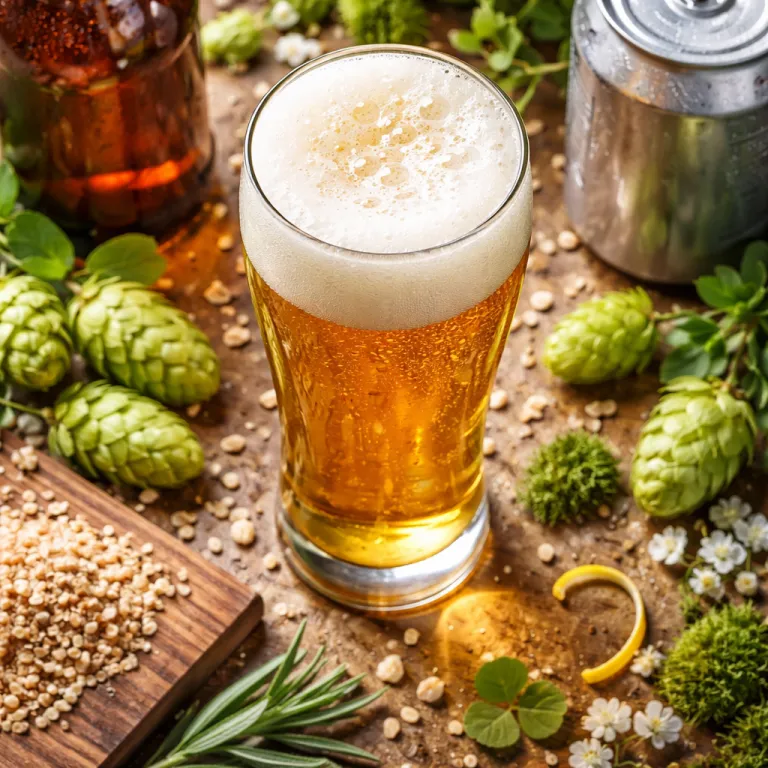
Why spring beers feel different from winter and summer pours
The shift from fireside pints to patio pours
Spring sits in that sweet spot between heavy, fireside winter beers and the ultra-crisp, thirst-quenching summer lagers. As the weather softens, our palates usually follow. The rich, boozy imperial stouts and dense barleywines that felt perfect in the cold suddenly seem a bit much for a sunny afternoon on the terrace.
Instead, drinkers start craving beers with a lighter body, brighter carbonation and a cleaner finish. Malt character is still welcome, but it moves from sticky and sweet to toasty, bready or gently honeyed. Bitterness becomes more refreshing than bracing, and alcohol levels often dip just enough to make a second pint feel like a good idea.
How changing weather changes what we taste
Temperature and daylight do more than affect your mood ; they change how you experience flavor. Warmer air and longer evenings make floral, herbal and citrus notes pop, while heavy roast and high alcohol can feel clumsy. That is why classic spring styles lean into subtle spice, soft fruitiness and a dry, snappy finish that invites another sip.
Social habits shift too. Spring is when golf rounds, backyard barbecues and park meetups start filling the calendar. Beers need to be versatile enough to pair with grilled food, easy to share, and refreshing over a long afternoon. This seasonal context is exactly what shapes both the traditional styles you will read about later and the modern, experimental spring releases.
From seasonal mood to seasonal beer choices
Understanding this transition helps you build your own spring lineup. Whether you are reaching for time-honored styles, stocking up on new-school IPAs, or planning what to pour from a beer tower dispenser for parties, the goal is the same : beers that feel as bright and alive as the season itself.
Classic spring beer styles that always work
Maibock : the malt-forward spring classic
When people talk about spring beers, Maibock is usually the first traditional style that comes up. It is a strong lager with a golden to light amber color, a firm malt backbone, and a clean, crisp finish. You get notes of toasted bread, light caramel, and a gentle spicy hop character. Compared with darker winter bocks, Maibock feels brighter and more energetic, matching those first warm patio days.
Maibock also bridges the gap between hearty cold-weather beers and the lighter lagers you might reach for in summer. It has enough body to stand up to cooler evenings, yet it stays refreshing when the sun is out. That balance is exactly what makes it a perfect centerpiece for any personal spring beer lineup.
Helles, pilsner and other bright lagers
Alongside Maibock, classic German-inspired lagers shine in spring. Helles lagers bring soft malt sweetness and gentle floral hops, while German or Czech pilsners lean more bitter and snappy. Both styles pour pale gold, with tight white foam and a clean profile that rewards slow, thoughtful sipping.
These beers are ideal when you want something flavorful but not heavy. They work well for early-season barbecues, afternoons at the ballpark, or simply relaxing after yardwork. Their subtlety also makes them a great reference point when you start comparing more modern spring releases later on.
Wheat beers and farmhouse ales
Traditional wheat beers, like hefeweizen and witbier, bring soft textures and lively carbonation, with notes of banana, clove, citrus, or coriander. They feel naturally suited to blooming trees and longer days. Rustic farmhouse ales and saisons add peppery spice and earthy fruitiness, offering a slightly wilder, more complex side of spring refreshment.
If you enjoy these classic styles, you might eventually want to pour them at home from a dedicated draft system such as a home draft beer machine, keeping your favorite spring lagers and wheat beers fresh for weeks.
Modern spring beers: from peanut butter stout to west coast IPAs
From pastry stouts to peanut butter pours
Spring is when brewers start to loosen up after the darker, heavier winter season. You still see rich beers, but they come with playful twists. Pastry stouts and peanut butter porters are a great example ; they keep the comforting roast and chocolate notes of winter, yet add dessert-like layers of peanut, vanilla, caramel or even marshmallow.
These beers work well on cooler spring evenings, especially when you are grilling or sitting around a fire pit. The key is balance ; the best versions keep sweetness in check so the finish is not cloying. Look for moderate strength and a clean, roasty backbone rather than syrupy thickness.
West Coast IPAs and bright, bitter refreshment
On the other end of the spectrum, spring is prime time for classic, resinous West Coast IPAs. After months of pastry stouts and spiced ales, that snap of bitterness and piney, citrusy hop aroma feels incredibly refreshing. These beers bridge nicely toward the lighter, fruitier summer IPAs without losing structure.
Modern brewers are also pushing hop-forward beers into bolder territory. If you enjoy a firm bitterness and a dry finish, look for iconic hop bombs and strong IPAs that showcase how high-ABV IPAs balance strength and drinkability. They pair well with the brighter foods of the season you will read about later, like grilled chicken, tacos and fresh salads.
Compared with the maltier, toasty lagers often associated with early spring, these modern styles bring sharper edges and bolder flavors. They are ideal for afternoons on the patio, post-golf pints or casual get-togethers where you want something expressive in the glass without feeling as heavy as winter warmers.
Pairing spring beer styles with food, golf and social moments
Fresh pours for patio plates
Spring beers shine when the food on your plate lightens up. Crisp pilsners and kölsches are perfect with grilled chicken, spring salads, and anything featuring lemon or herbs. Their gentle bitterness cuts through vinaigrettes and char from the grill without overwhelming delicate flavors.
Maibock, with its toasty malt and firm but smooth bitterness, loves richer spring dishes. Think roast pork, bratwurst, or a buttery roast chicken. The malt sweetness echoes caramelization on meats, while the alcohol warmth keeps each bite feeling satisfying but not heavy.
Beers for the first tee time
Golf and beer can work together when you keep things refreshing. Light lagers, kölsch, and lower-ABV pale ales are ideal in the cart or at the clubhouse. They are flavorful enough to feel like a treat, but not so strong that they slow down your swing.
For the 19th hole, a slightly stronger spring saison or hoppy pale ale fits the moment. You get more aroma and complexity to talk about with your group, while still staying bright and zippy after a few hours in the sun.
Social spring moments in a glass
For backyard hangs and casual evenings, build a small spring lineup :
- One crisp option – pilsner or helles for easy sipping.
- One malt-forward choice – maibock or amber lager for people who like depth.
- One hoppy but not harsh beer – a balanced pale ale or West Coast IPA for aroma lovers.
This simple mix lets everyone find a favorite, and it mirrors the range of styles that make spring beer season feel so different from the darker winter months and the ultra-light summer coolers.
How to choose the best beers for your own spring beer styles guide
Start with your own spring rituals
Before you grab a mixed pack, think about how you actually spend spring. Are you grilling on weeknights, playing golf on weekends, or easing into longer evenings on the balcony ? Your habits should guide your choices more than any style guideline.
If your spring is full of outdoor hangs and casual snacks, lean on crisp lagers, kölsch, and lighter pale ales. For cooler, rainy days when you still crave some winter comfort, keep a few maltier options like maibock or a gentle brown ale in the fridge.
Build a simple, flexible spring lineup
- One easy-drinking “house” beer – A clean lager or kölsch that works with almost any food and any guest.
- One hop-forward option – A bright pale ale or West Coast IPA for those who want bitterness and aroma.
- One malt-focused beer – A maibock, amber, or light stout for cooler nights and richer meals.
- One wildcard – A fruited sour, smoked lager, or pastry stout to keep things interesting.
Match beer to moments, not just to food
Think back to the spring styles and pairings you enjoy most. Golf afternoons call for lower-ABV, highly drinkable beers that stay refreshing over several holes. Long dinners on the patio can handle more complex options, especially maltier lagers and nuanced IPAs.
When you shop, imagine specific scenarios : “What will I pour when friends drop by unannounced ? What fits a solo evening with a book ?” If a beer doesn’t clearly fit a moment in your life, leave it on the shelf for now.
Over time, you’ll build your own personal spring beer guide – one that reflects your tastes, your climate, and the way you actually live, not just what’s trending on tap lists.